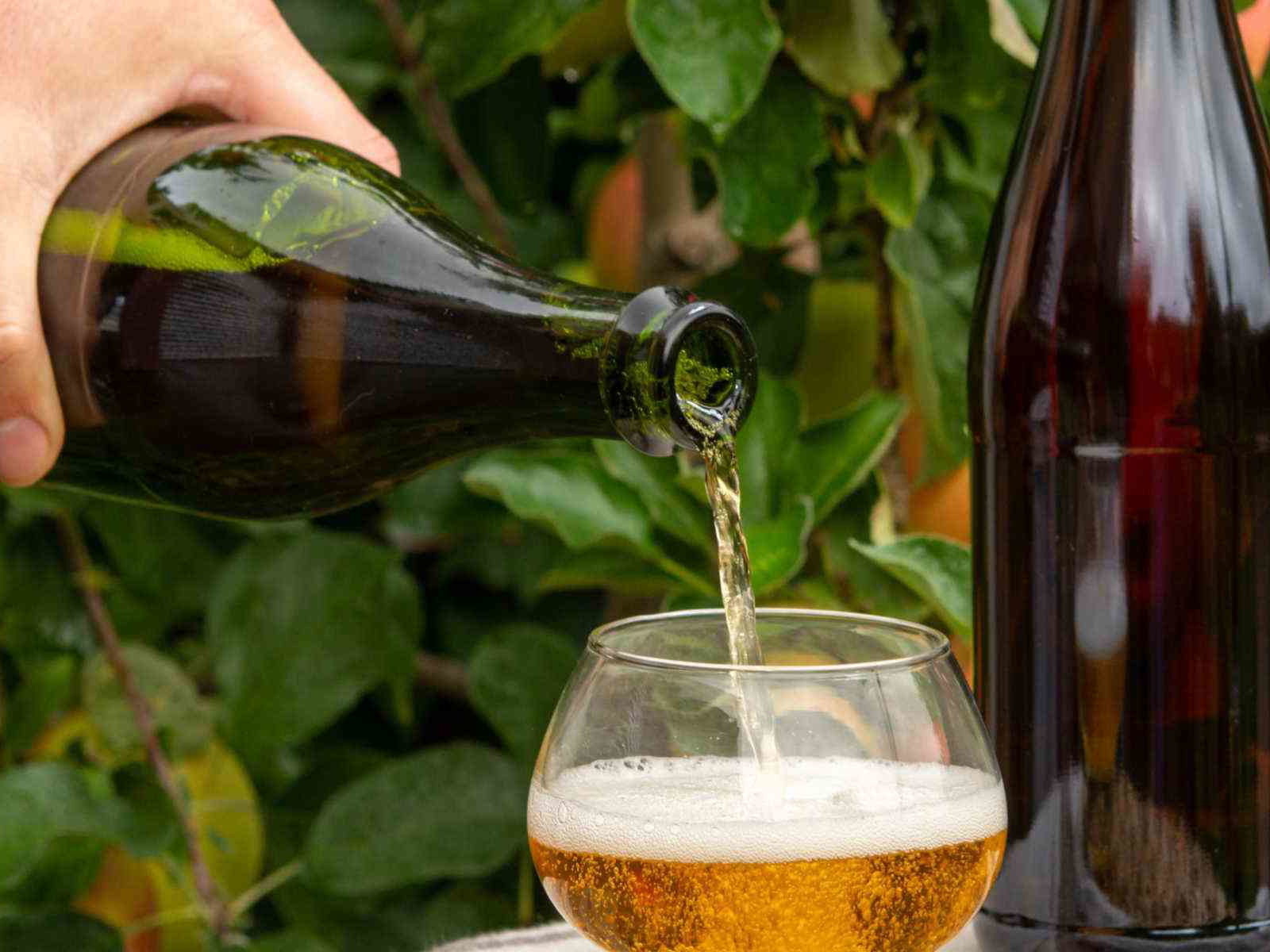
More than 50% of all apples grown in Britain are washed, squashed and fermented into cider. But what makes English cider so interesting is its long, unbroken history of cider apple orchards and the sheer number of varieties grown. Whilst there is evidence that the Celts made cider from crab apples, we have the Norman invasion of 1066 to thank for the introduction of the sharp, tannic apples that make such scrumptious alcoholic drinks. There are over 2,500 different varieties that are classified four ways in the Long Ashton system; bittersweet, bittersharp, sweet, sharp. These categories give an indication of the levels of tannin and acid. Bittersharp apples, for example, have high acid and high tannin, whilst bittersweet have low acid and high tannin. Most ciders are a blend of apple styles, but ‘vintage quality’ apples can make high quality cider on their own, such as Kingston Black, Foxwhelp or Golden Hornet.