
Advertisement
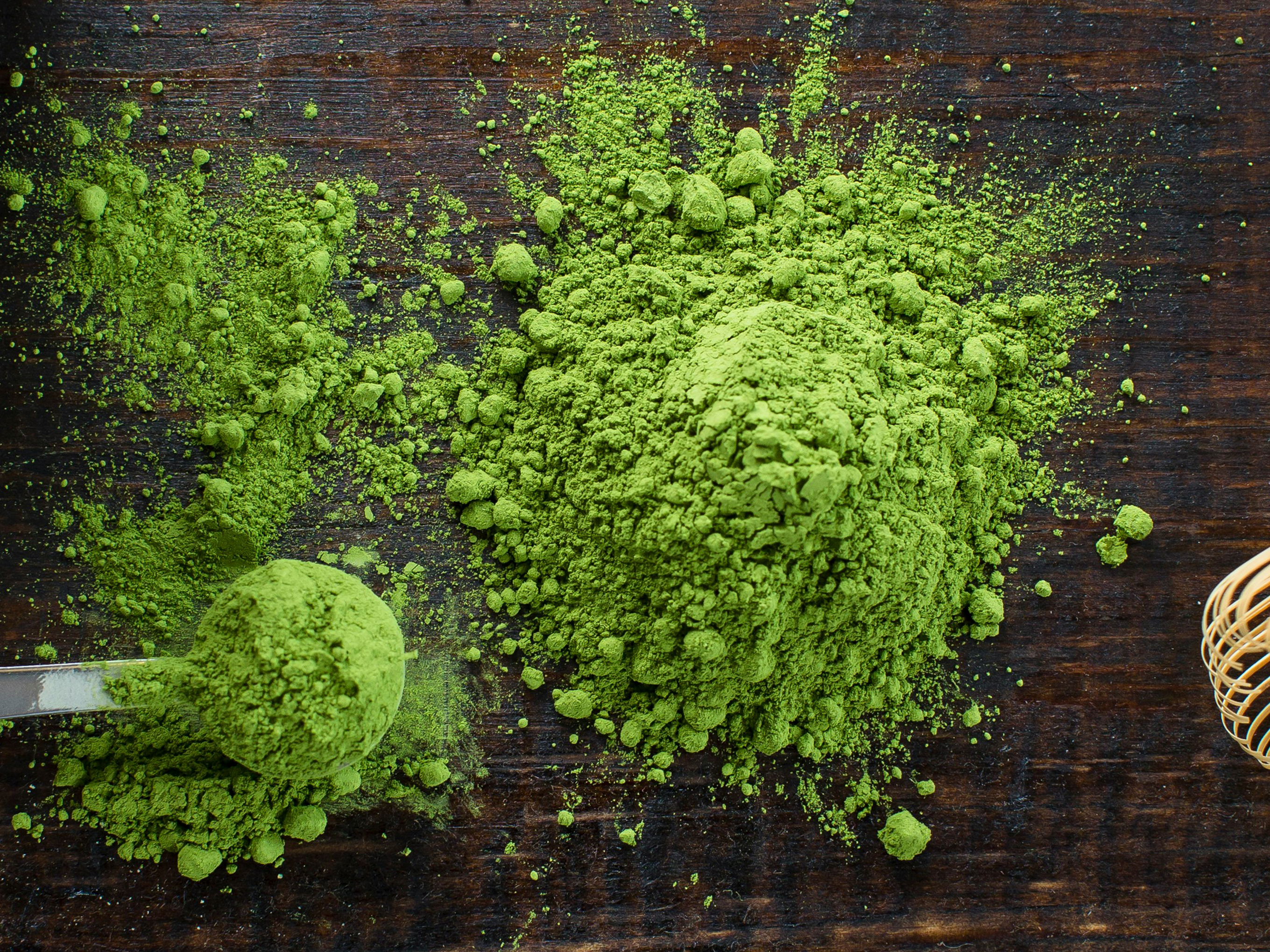
Matcha Martinis (aka Matchatinis), matcha cheesecakes, iced matcha lattes—the current craze for matcha is nowhere near slowing down. From supermarkets to coffee shops, matcha has become an integral part of our daily routines. But as global demand soars, Japan’s traditional production regions are reaching their limits. Tencha, the shaded, carefully cultivated leaf that is stone-ground into matcha, accounts for only about six percent of Japan’s annual tea harvest. With such a limited supply, the idea that there’s enough matcha to go around is simply a misconception. Sencha, a standard green tea with an entirely different flavor profile, structure, and cultivation process, actually accounts for the vast majority of Japanese tea exports.
Advertisement
