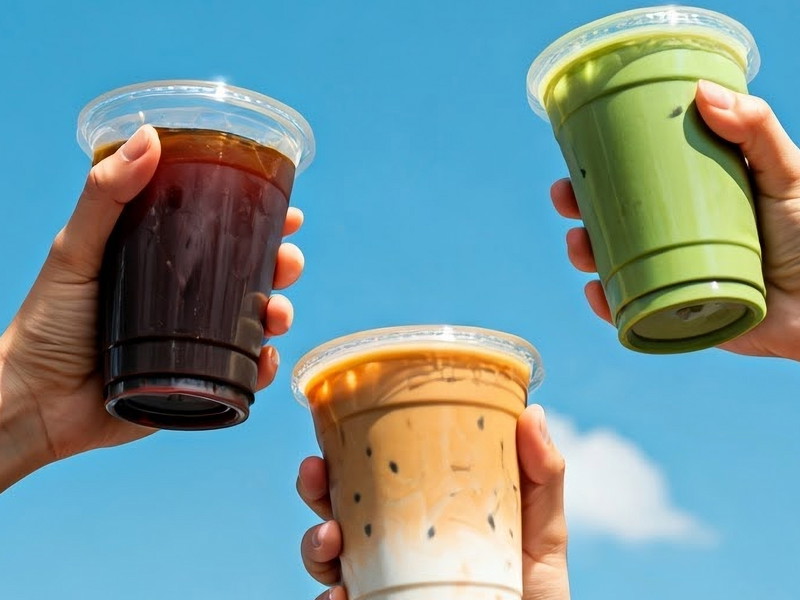
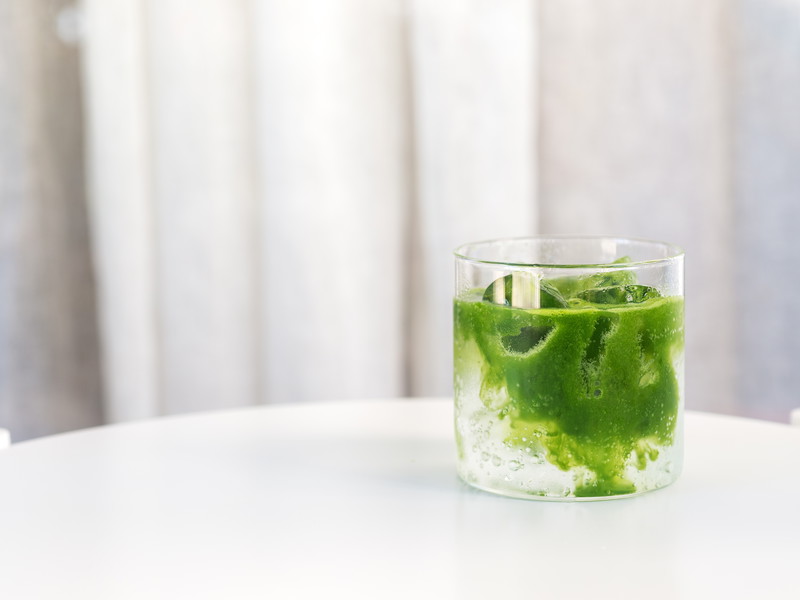
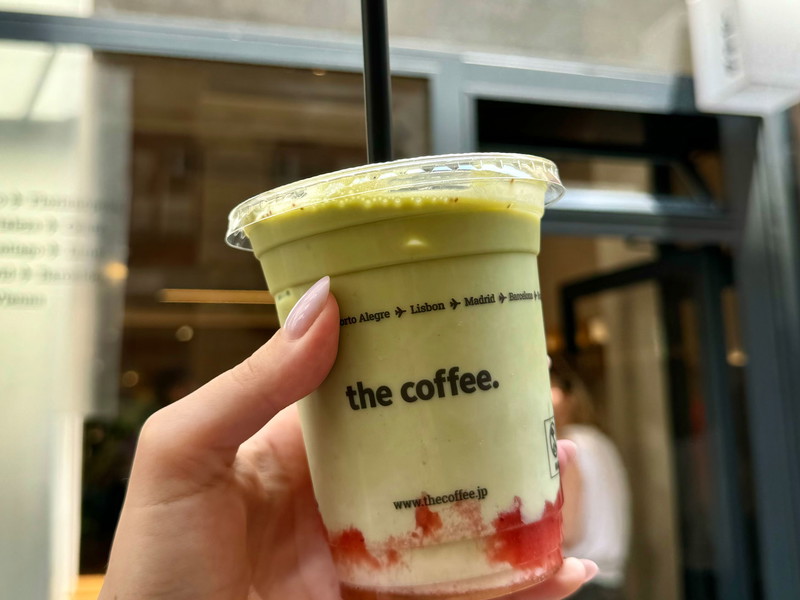
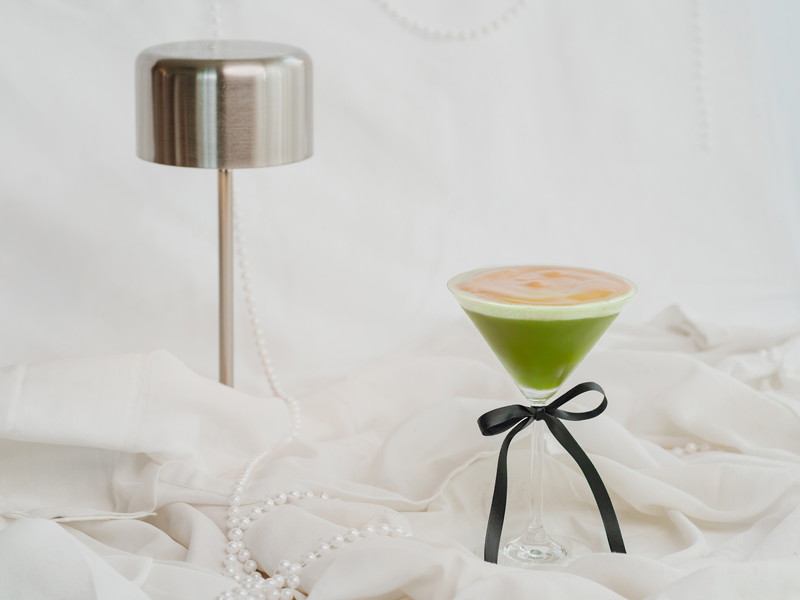
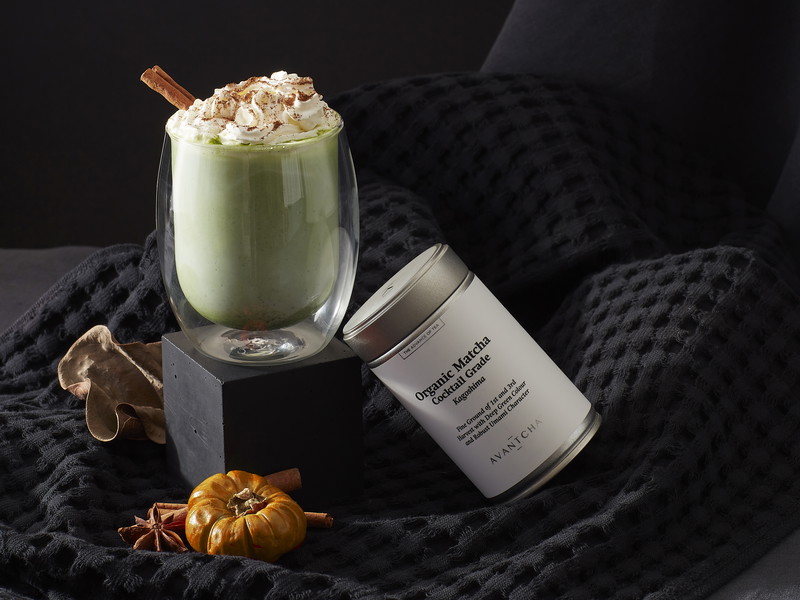
Matcha Martinis (aka Matchatinis), matcha cheesecakes, iced matcha lattes—the current craze for matcha is nowhere near slowing down. From supermarkets to coffee shops, matcha has become an integral part of our daily routines. But as global demand soars, Japan’s traditional production regions are reaching their limits. Tencha, the shaded, carefully cultivated leaf that is stone-ground into matcha, accounts for only about six percent of Japan’s annual tea harvest. With such a limited supply, the idea that there’s enough matcha to go around is simply a misconception. Sencha, a standard green tea with an entirely different flavor profile, structure, and cultivation process, actually accounts for the vast majority of Japanese tea exports.
In other words, pure matcha has become a rarity. In Los Angeles, matcha powder is partly sold out. Faced with shortages and rising costs, many producers and coffee chains have turned to ready-made blends composed of conventional green tea powder or lower-quality teas.
Real or fake? Difficult to Detect
Producing tencha is one of the most elaborate processes in tea processing. In the weeks leading up to harvest, the tea bushes are completely shaded, a subtle manipulation of light that encourages the plants to generate higher levels of chlorophyll and amino acids. After having been picked, the leaves are gently steamed and dried before stems and leaf veins are removed. What remains is a delicate leaf tissue that's paper-thin, fragile, and almost silky to the touch. Only then is it finely ground. It’s a process that simply cannot be rushed without compromising quality.
For consumers, distinguishing authentic matcha from blends made with conventional green tea is extraordinarily difficult. Packaging offers little help: Labeling regulations for matcha remain loosely defined. According to consumer authorities, the term “matcha” is not protected under food law—meaning there is no definition of the properties and manufacturing characteristics that matcha must fulfill, nor how it differs from conventional green tea.
How to Recognize High-Quality Matcha
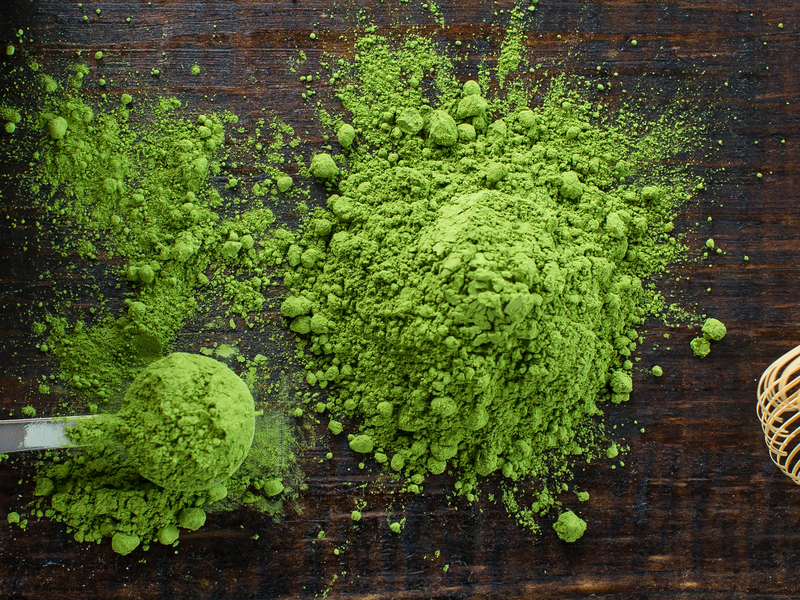
Fortunately, there are a few telling markers that help distinguish true, premium matcha from lower-grade alternatives. Start with the color: A vibrant, luminous green points to young tencha leaves and indicates gentle processing. But appearance alone isn’t enough. The texture should be ultra-fine: soft as dust, almost velvety on the tongue—an indication that it has been slowly ground on traditional granite stones.
Real matcha reveals a fresh, slightly sweet aroma with a gentle hint of umami. On the palate, it should taste balanced, smooth, and full-bodied, not bitter or grassy. Ceremonial matcha typically comes from renowned Japanese growing regions such as Uji (Kyoto), Nishio, or Kagoshima.
3 Key Traits of Good Matcha
As real matcha becomes increasingly scarce, paying attention to quality is more important than ever. The harvest period plays a decisive role, and three established quality grades offer helpful orientation:
Ceremonial Grade
The highest—and priciest—one, made from the youngest, most delicate tencha leaves of the first harvest. Intended for traditional preparation and best enjoyed pure, following the example of Japanese tea ceremonies.
Premium Grade
Harvested slightly later, this grade is somewhat coarser in texture yet still bright green. Ideal for everyday use, including matcha lattes.
Culinary Grade
Produced from later harvests, this matcha has a deeper, more robust flavor and a less vivid color. Its intensity makes it suitable for cooking and baking.
Certificates, such as organic labels, can offer additional reassurance. For anyone seeking truly pure matcha, a discerning eye is essential as quality is reflected in the taste.