Skip to content

Sacred plates

Estonia
Restaurant
Gourmet

At Hiis, Estonia’s ancient paganism and the rich bounty of the land and waters inspires talented young chef Daanius Aas

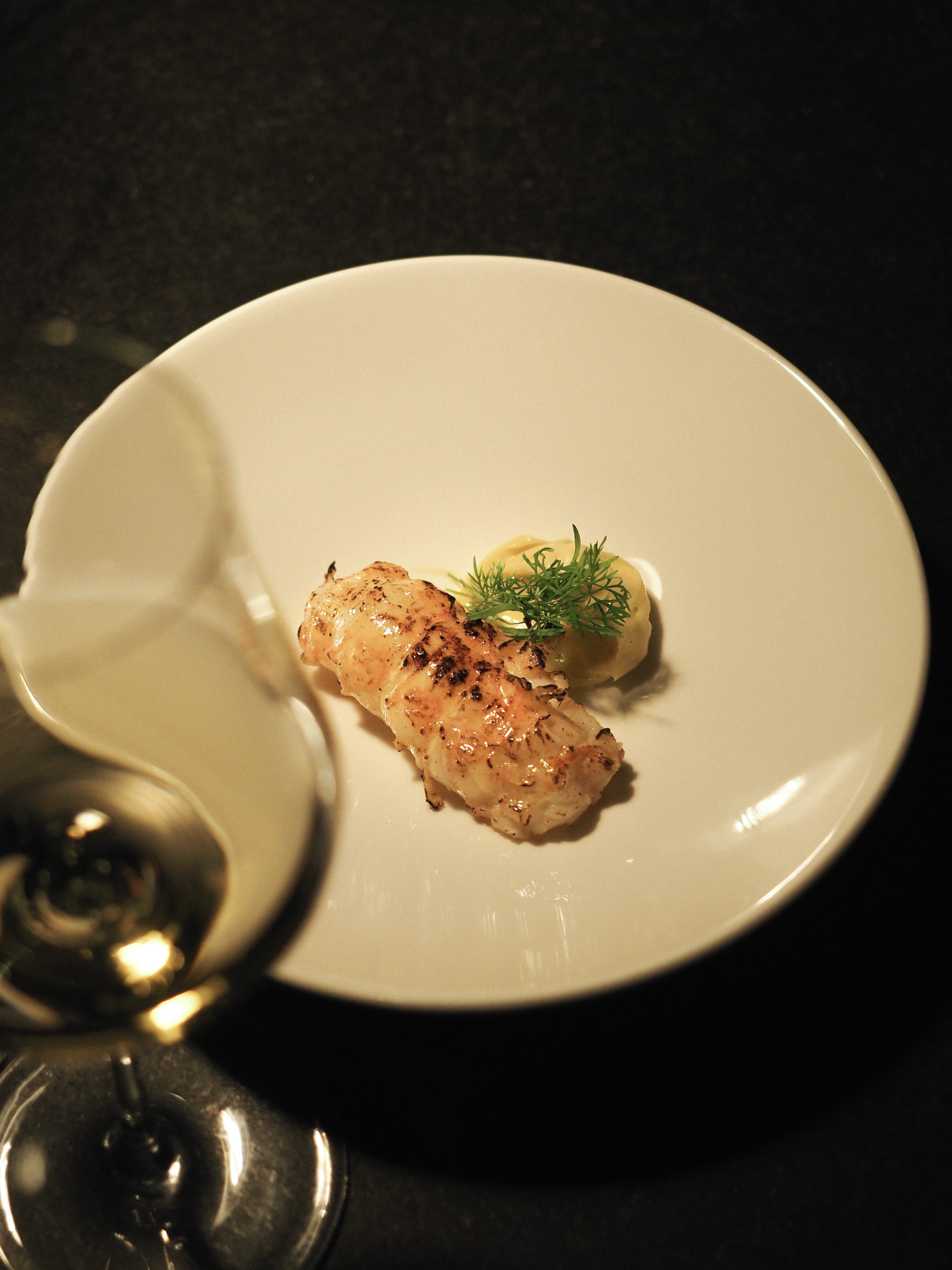
Now that warmer weather has transformed the open lands and forests around Hiis, the six-table restaurant in northern Estonia’s Harju County, chef Daanius Aas must make room in his basement larder for new preserves of buds, shoots and blossoms. He has found an ideal use for the birch leaves he marinated and salted last spring – he uses them in a dish of smoked eel with burnt cream and juniper berries.

He previously had a similar dish on his menu but using langoustine – Hiis is just south of Ihasalu Bay off the Gulf of Finland of the Baltic Sea so fish and seafood are regular ingredients in his kitchen. However, a recent lucky connection with a fisherman who has access to the eels in Võrtsijärv, the second biggest lake in Estonia, means he can now offer this precious ingredient at Hiis. Võrtsijärv remains, at least for the time being, stocked with eels, which are becoming increasingly rare and are carefully managed across Europe. Aas smokes and grills these freshwater Estonian eels for the dish.

To the burnt cream he adds two harvestings from local juniper trees: cuttings of branches along with berries that survived the winter and have a little bit of sweetness to them.

Preserving the seasons, defining flavour

“I played around with many different ingredients for this dish, but my main focus was what to pair with the wonderful birch leaves we marinated last year. Because they’re quite sharp in taste, I always wanted to combine them with a lovely sweetness and fattiness, so burnt cream seemed perfect. Then the eels came to me through a fisherman,” says Aas.

The eel provides smokiness and a firm yet melting texture, the cream offers sweetness with a sudden unexpected but delicious bitterness from the juniper, and the birch leaves refresh with sharp vinegar notes and a woody, resinous spice.

“We have this very fun bouquet of tastes from these three ingredients that play on all the right levels. For me this is a very playful, technical and fun main course,” says Aas. “Fish are now starting to come back to the lake because the temperature is getting warmer so freshwater proteins were on my mind, and the preserved birch leaves in the larder had been looking at me for a long time, so the dish just came together very naturally in the end.”

Where nature meets ancient ritual

All dishes on Hiis’ 15-course tasting menu similarly aim to capture the flavours of the Estonian landscape. Aas is deeply inspired by his environment, as well as its history. The name “Hiis”, which translates roughly to “Godwood” or “Sacredwood”, comes from the ancient pagan religion of Estonia, in which every animal, tree and rock has a soul.

“’Hiis’ was a sacred place in a forest, usually the oldest oak tree, and people would go there to make a wish and tie red yarn onto the branches. These sacred places were destroyed during Soviet times, and there are only six or seven left in Estonia now. There used to one here, but the tree was cut down sometime during World War II. That’s where we got the name,” says Aas.

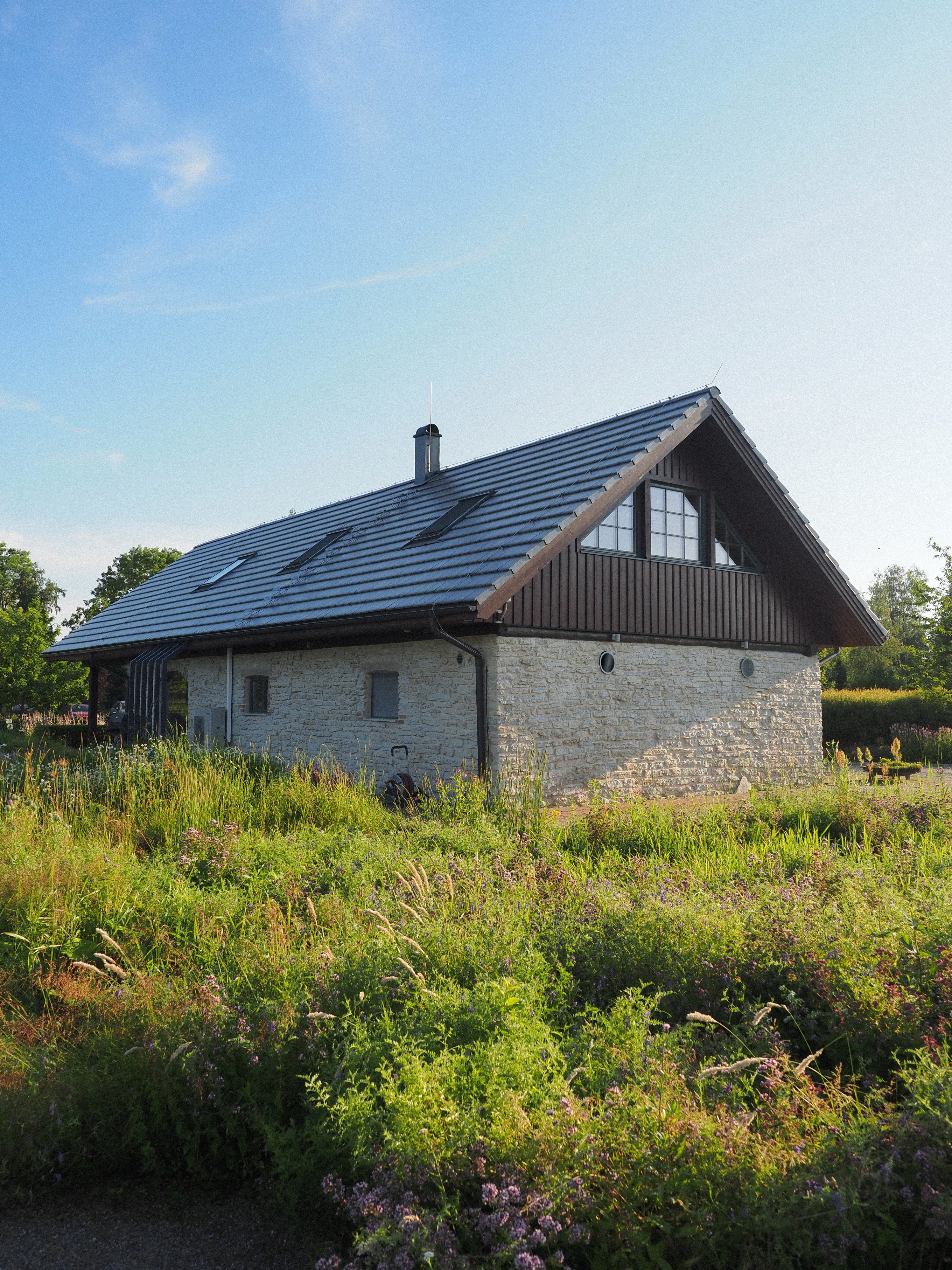
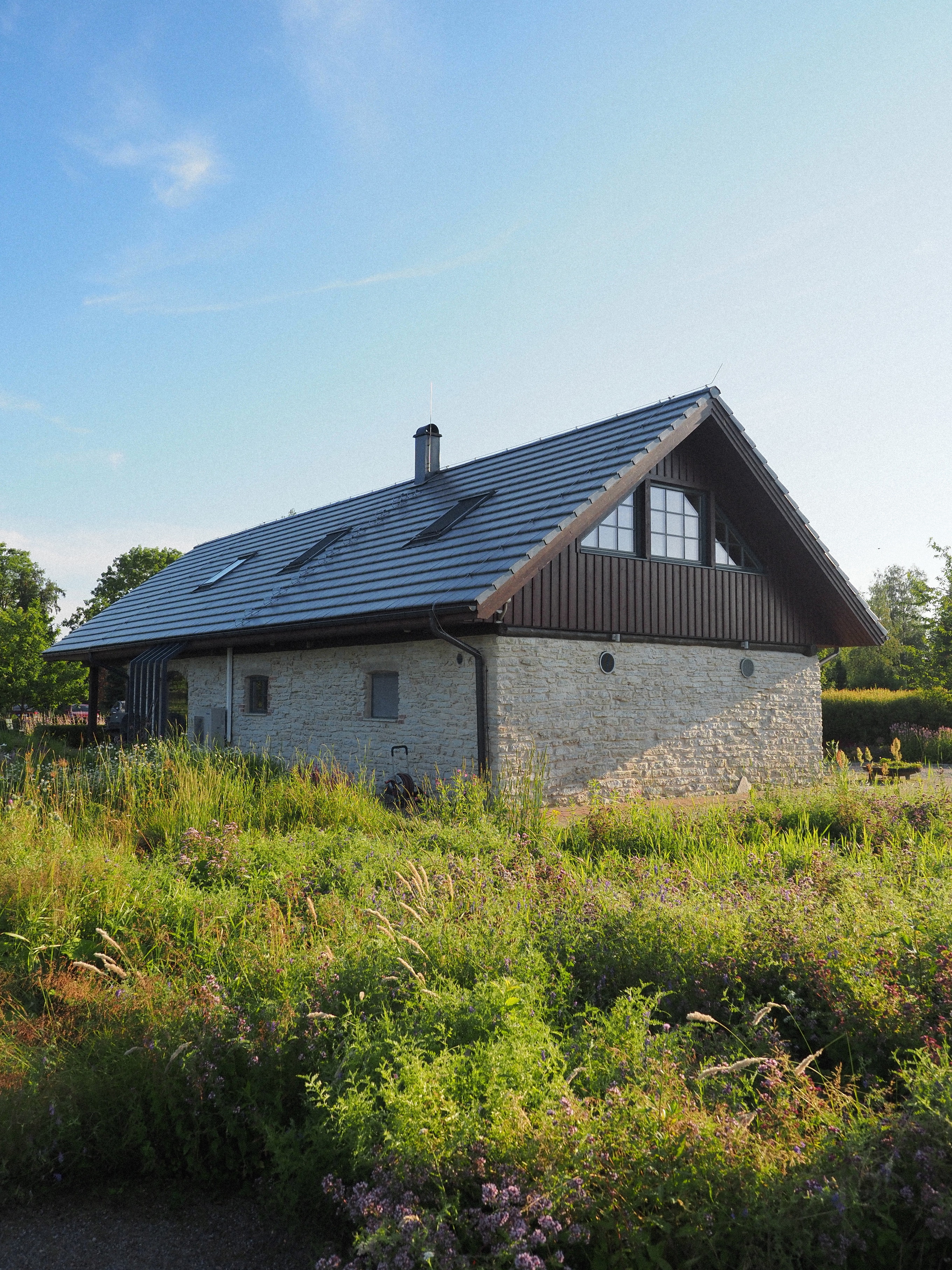
Hiis is on the grounds of the serene Taju Resort, which is about a half-hour drive from Estonia’s capital, Tallinn. which presently offers a scattering of rustic-chic dome-shaped cottages and a wood-fired sauna but which will expand with an impressive spa and further facilities in the years ahead. The stone building that houses the restaurant used to be a barn, but it was in ruins and so was rebuilt, saving as much of the original structure as possible, in 2019.

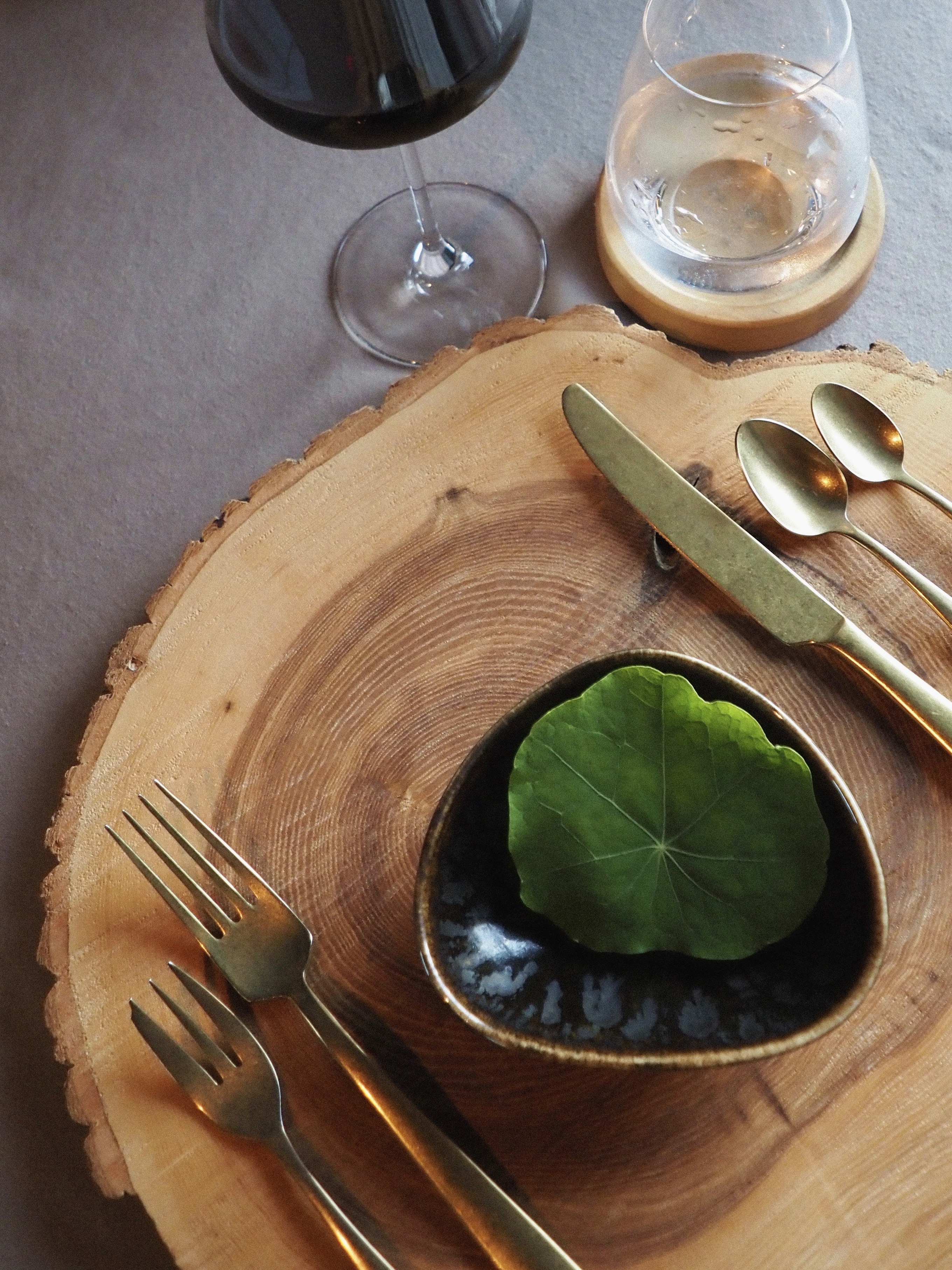
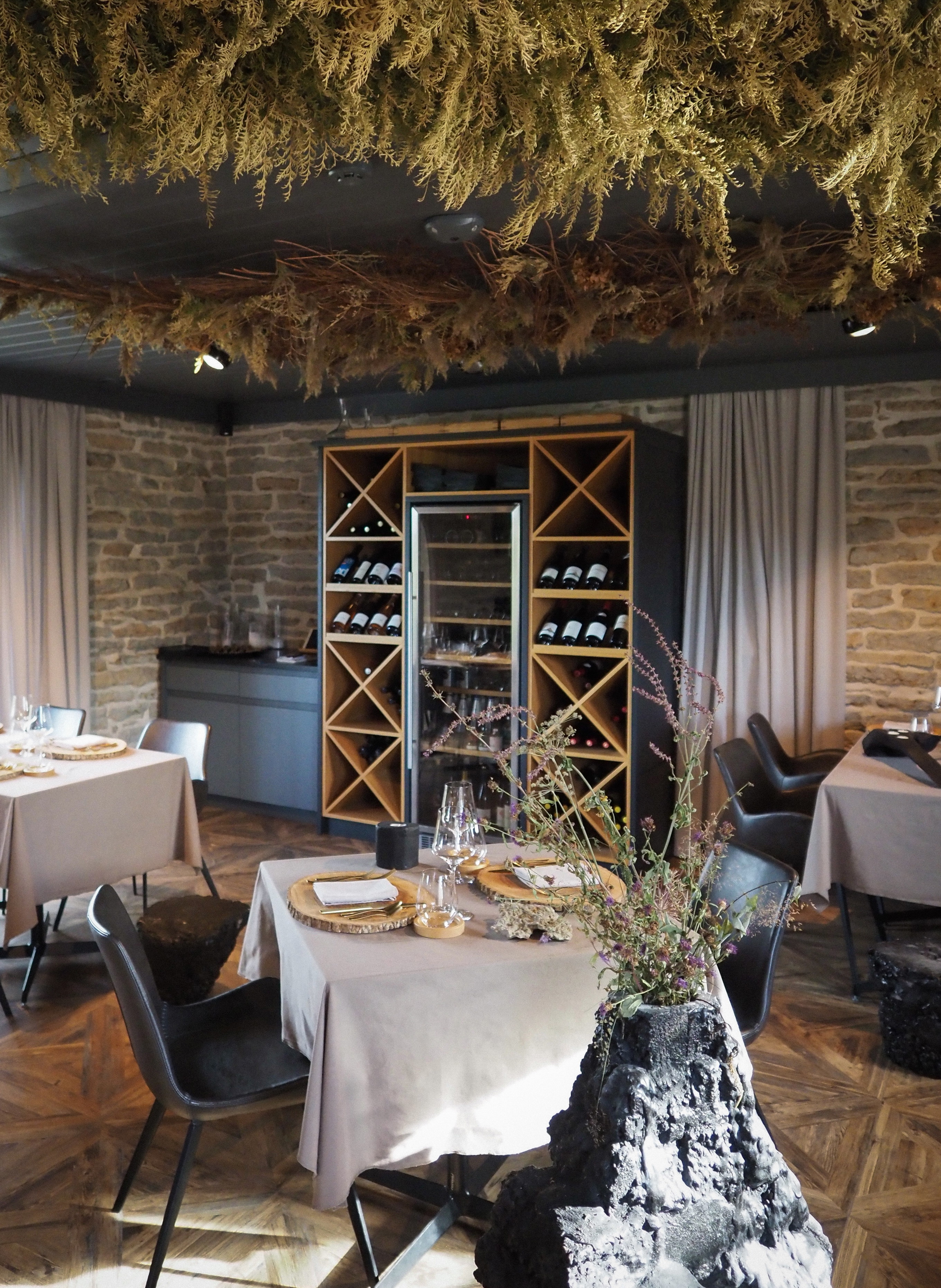
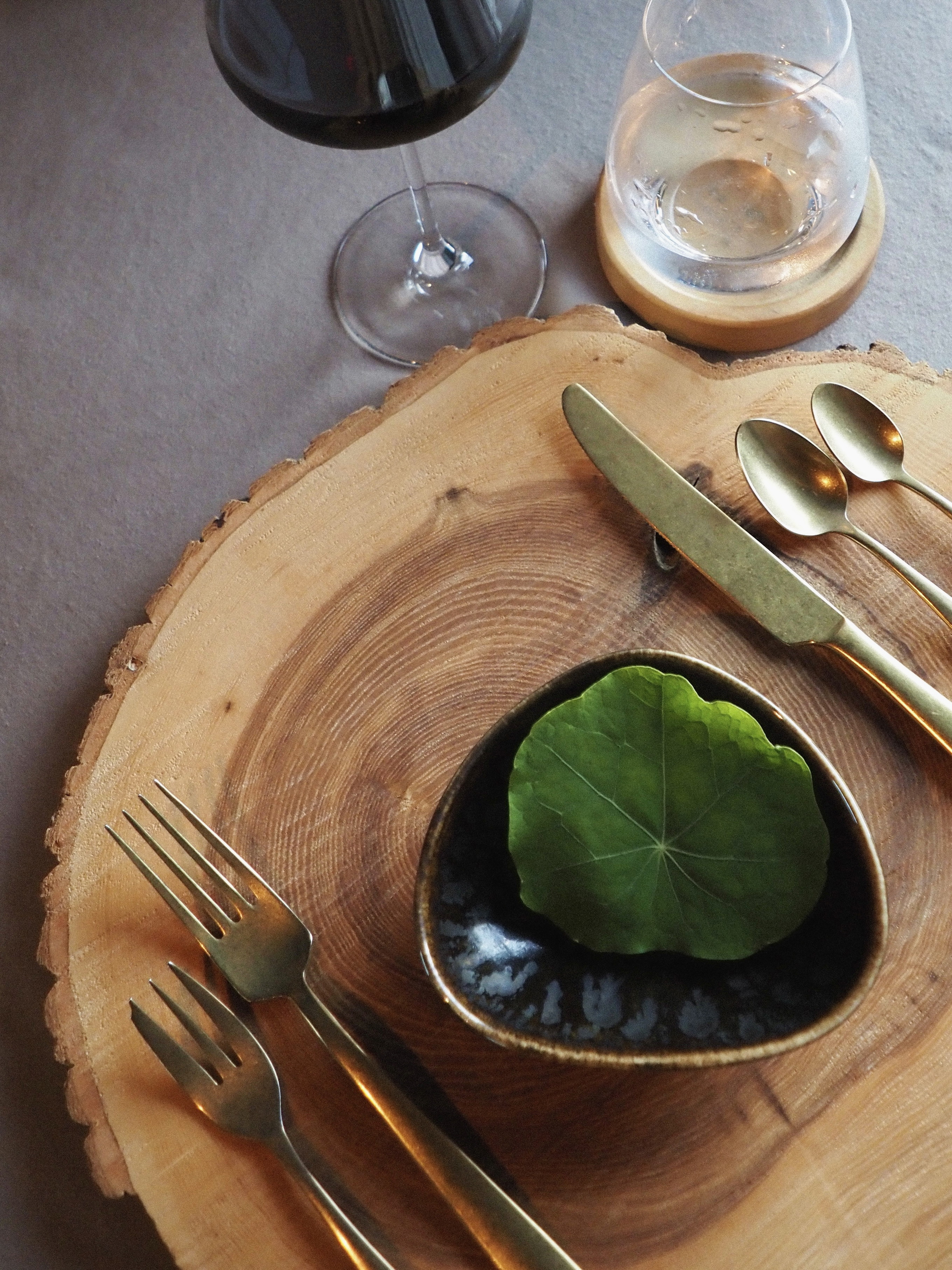
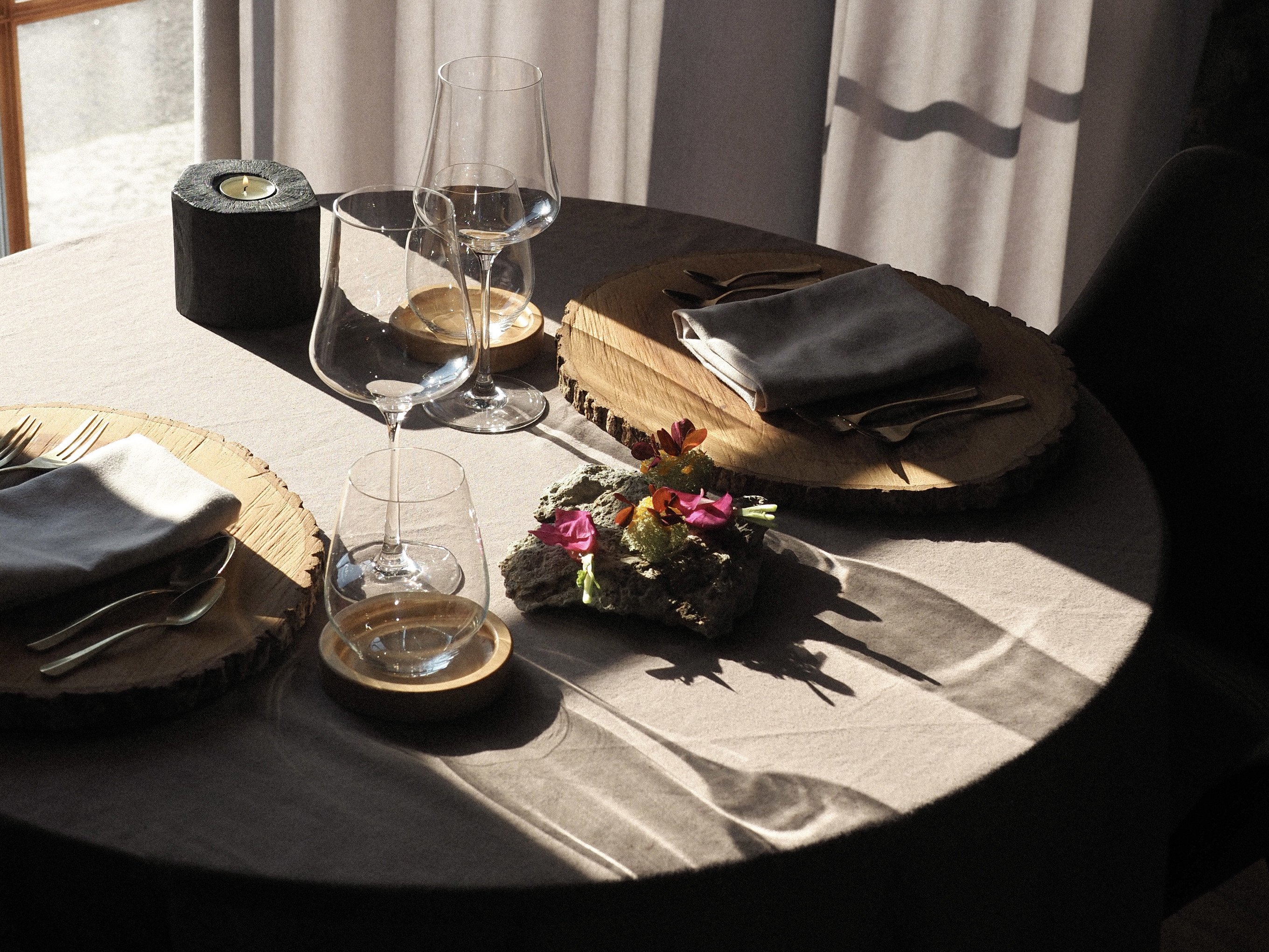
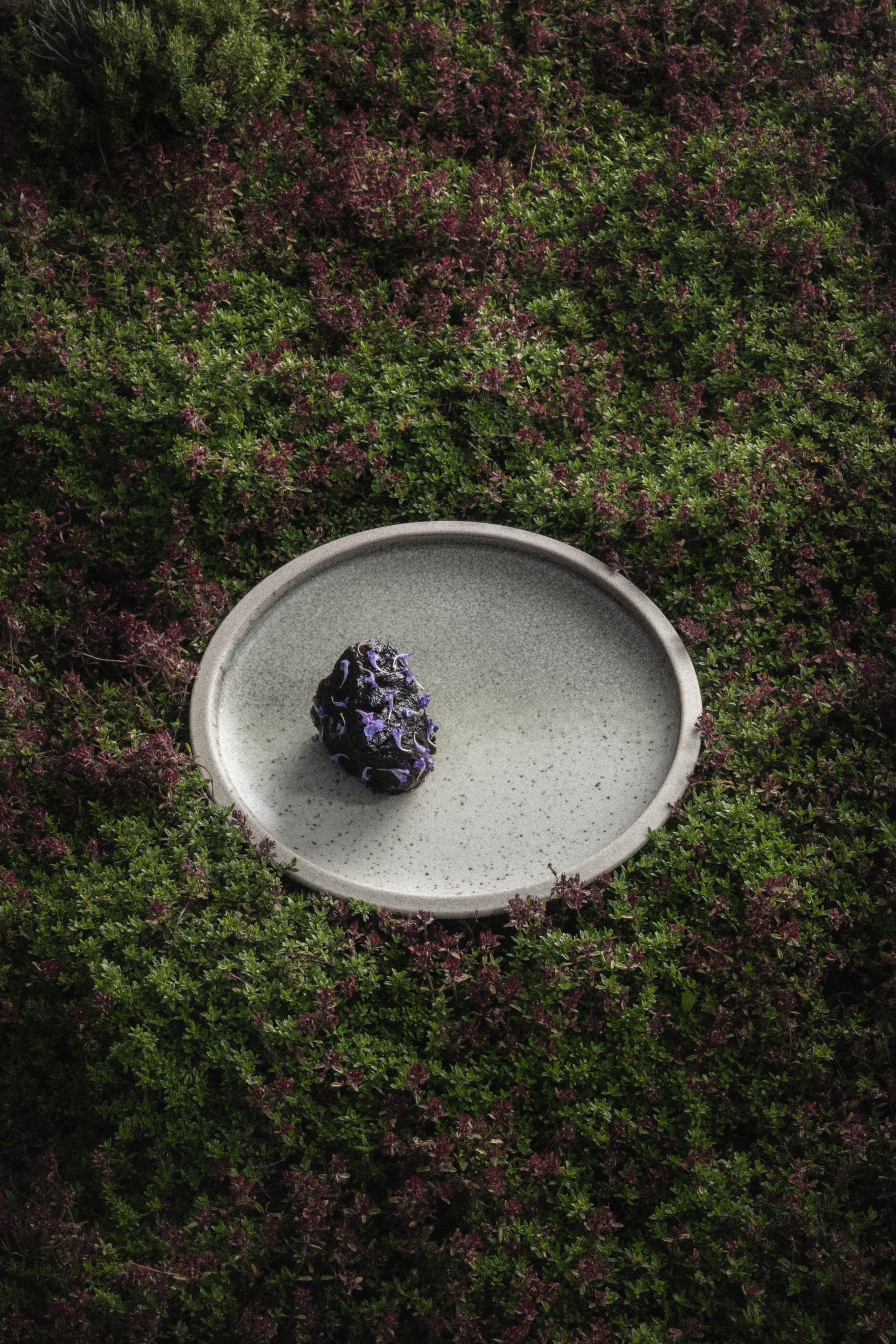
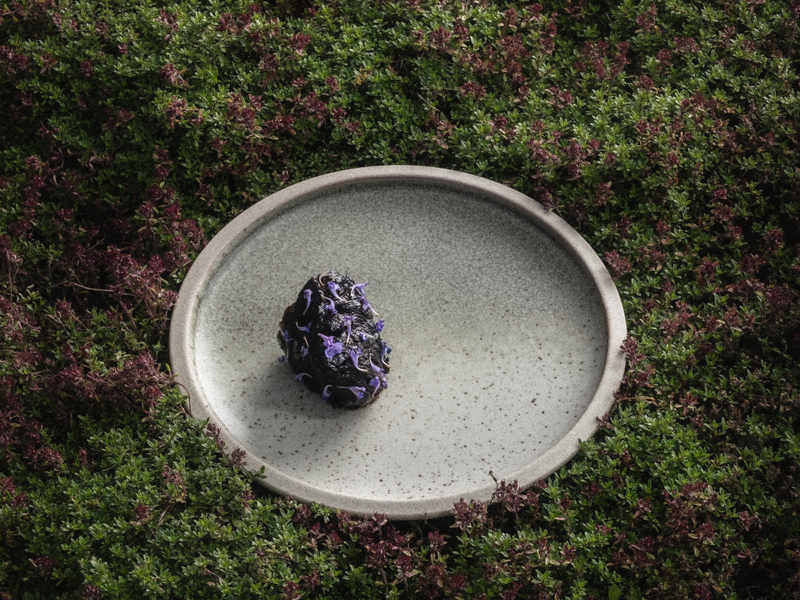
The restaurant, which won the Falstaff Nordics 2025 Newcomer of the Year Award, exudes a sense of place in the thick stone walls, bare wooden floors and the earthy palette of the furnishings. Below a counter that runs along the open kitchen is a panel of moss and weathered branches, while leaves and grasses are suspended from the ceiling bringing the natural world directly into the dining room. Throughout the menu, dishes are served on rocks, bits of branches and cross-sections of three trunks.

Memory, technique and a new Nordic voice

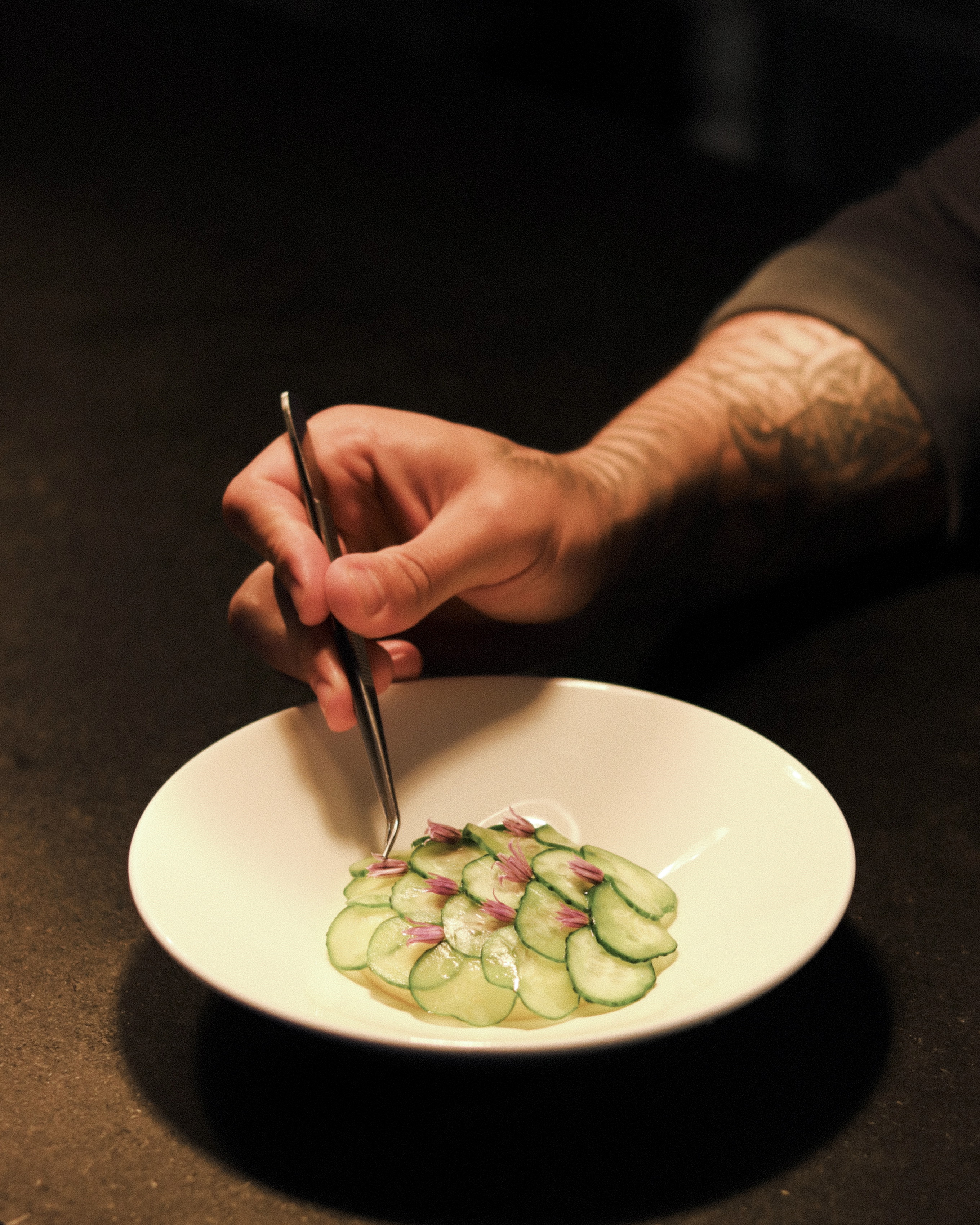
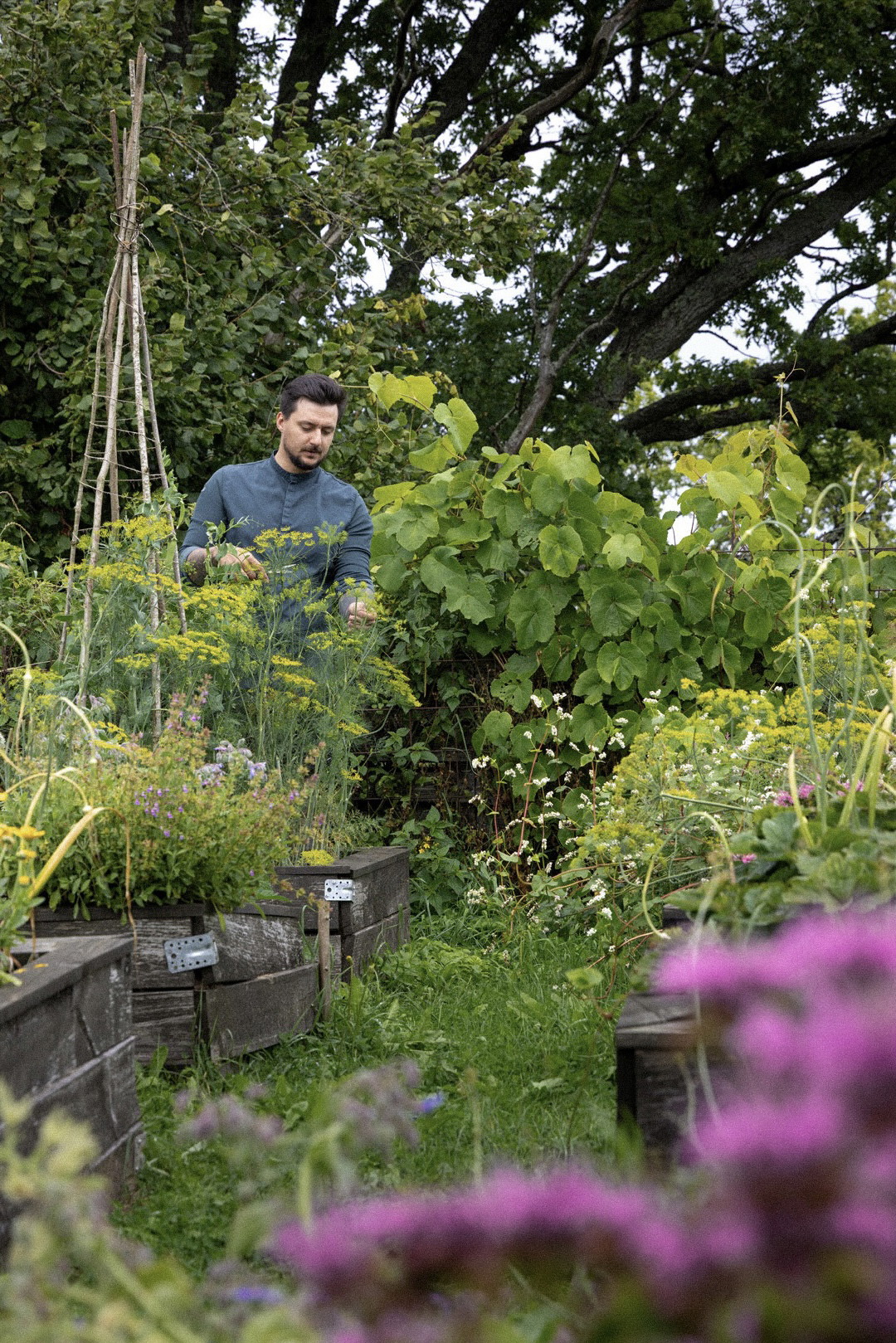
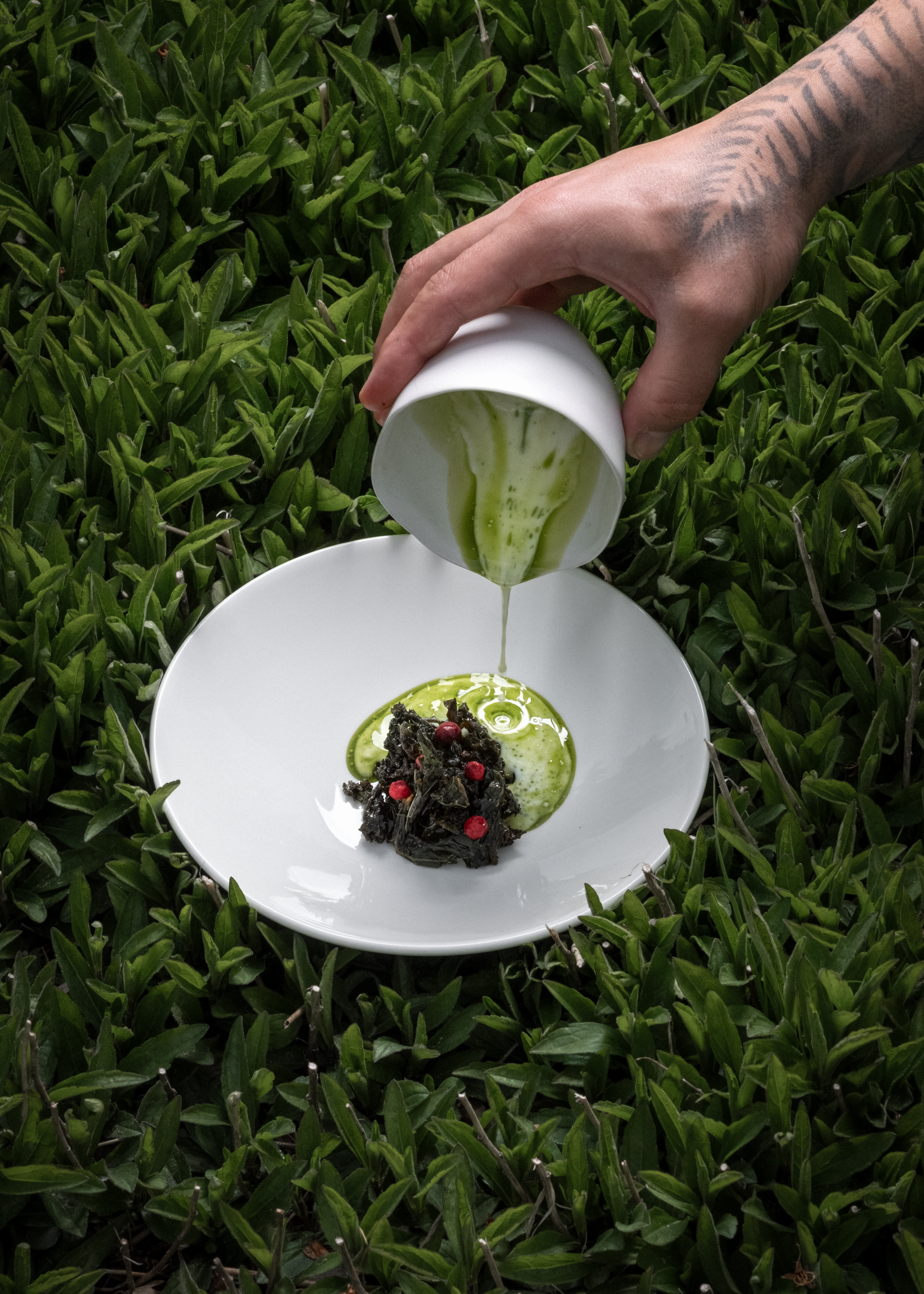
Ingredients sourced hyper-locally also end up in another captivating dish, called Kale/ Buttermilk. The dish, which was inspired by Aas’ memories of growing up in Estonia, contains kale grown less than a kilometer from the restaurant. The dish is striking to look at: a circle at the bottom of a wide white bowl, one semicircle of the palest lime green cream, and the other semicircle of almost-black, crispy leaves studded with small red strawberries that glisten like rubies.

“I had the idea that I wanted to do something fun from my childhood. We grew up eating this sticky hard caramel in Estonia, so I took inspiration from that. I marinade the kale leaves in quince juice and then make them into a caramel. It sticks to your teeth a little, but this is the point. It’s sour and sweet at the same time,” he says. “The sauce is from tarragon and buttermilk, and it’s based on a Georgian drink of tarragon lemonade, which is very common here in Estonia since Soviet times. The strawberries on the kale caramel are wild – ones we have frozen from summertime.”

Soon, summer will reach northern Estonia and Aas will be foraging for more wild strawberries to preserve for the colder months. With each passing week Aas’ understanding of the natural world that surrounds him deepens and his knowledge – and his kitchen larder – expands.

While the restaurant has been open only just shy of two years, it already has a distinct and unique personality. Aas hopes that other Estonian chefs take on the mantle and wAas is surely one of Estonia’s most talented and intriguing chefs

“I think we’re cruising in safe gear at the moment and there’s not a lot of pushing forward. The state of the world is naturally making everybody a little more conservative and careful,” he says. “I’m pretty sure the challenges are there for every country, but Estonia is small and we have a lot of talented people here who could do big things if given the chance. But for that to happen, the world needs to be in a better place. Right now, it’s more like a survival mode,” he says, before adding: “Make good food not war!”

Find out more
1 / 12