
The Best Restaurants in Copenhagen
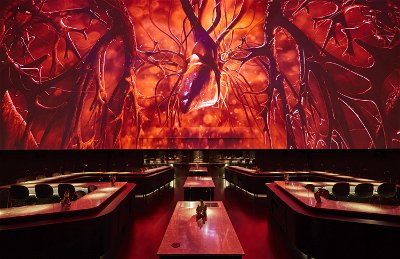
Rasmus Munk aims to inspire change, with holistic gastronomy as his chosen tool. Inside an otherworldly warehouse setting, guests are met with exceptional flavor, ethical questions and boundary-pushing ingredients.

Jordnær is housed within an unassuming suburban hotel, but make no mistake, this is one of the world’s great restaurants, showcasing luxurious ingredients through highly refined, precise preparations.
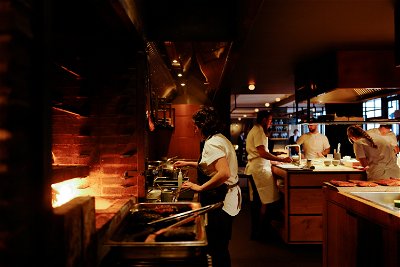
On a cobbled street beside Christianshavn’s canal, ringing the bell reveals warm timber interiors, Danish design and Nicolai Nørregaard’s smoke-kissed interpretation of Nordic cuisine.
A Danish culinary icon, Bocuse d’Or winner Rasmus Kofoed’s Geranium is a masterclass in restrained, artfully balanced cooking, revealing the purity of Danish biodynamic ingredients. The wine list is second to none.
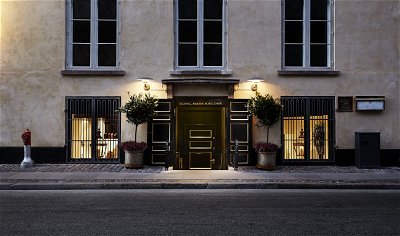
Beneath the vaulted ceilings of a 16th-century cellar, iconic Kong Hans Kælder has presided since 1983, proudly serving classic French haute cuisine with old-school craftsmanship and an exceptional wine list.
A high-ceilinged room with pale timber interiors and clean, minimalist lines creates a zen-like backdrop for Kristian Baumann’s visually striking, beautifully balanced dishes exploring his Korean heritage.
Since 2014, Il Mattarello at Torvehallerne has focused on fresh pasta made with organic ingredients. The menu features Roman classics alongside seasonal specials, all served al dente. Fresh pasta and house-made sauces are also available to take home.
A culinary institution, this thatched-roof, 400-year-old inn pays homage to French culinary traditions with craftsmanship and fantastic ingredients. Generous hospitality and a superb wine list.

Overlooking the flowers and peacocks of Frederiksberg Gardens, this romantic critics' favorite delivers a creative menu shaped by Japanese flavors and aesthetics, paired with sublime service and a thoughtful wine list.
Beneath the chalk-white vaulted ceilings of an inner-city mansion, Søren Selin's masterful, visually expressive Nordic cuisine is matched by top sommelier Christian Aarø's impressively curated wine list.

Karim Khouani's new restaurant opened to critical acclaim in late 2024. Here, the head chef draws out the full flavor of classic fine dining ingredients through French technique and elegant, considered plating.
In an inner-city courtyard, Alouette's cave-like dining room and open firepit give distinctive character to Nick Curtin's cooking, presented in thoughtful sequences that champion Danish producers and artisans.
Within the restored, 100-year-old Customs House in Nordhavn, Mads Battefeld’s intimate 14-seat sushi counter delivers a tasting menu of sublime Edomae-style sushi, crafted with sustainably sourced Nordic seafood.
Within a year of opening inside a restored gunpowder store, Aure had earned international acclaim. Nicky Arentsen handles luxurious ingredients with restraint, allowing their natural character to shine through.
In a 100-year-old apothecary's villa, Jonathan Berntsen crafts a confident fine dining language with southern French accents, alongside a menu that includes both a Dom Pérignon interlude and a dedicated cheese cabinet.
With over 30 years of combined experience at Sticks’n'Sushi, Cathrine and Lars Christian Vissing Østerberg were well equipped for their own 2022 venture: a small dinner spot near Frederiksberg Town Hall. They compose sushi assortments with seafood from Nordic waters, the largest over 70 pieces.
Hidden on the first floor of a protected townhouse from the 1730s and part of the cultural center Huset, this evening ramen restaurant feels like a discovery. It lets guests compose their own bowl by choosing base ingredients and optional extras from a menu sheet, which they hand in at the counter.

At the iconic Hotel d’Angleterre overlooking Kongens Nytorv, Marchal is ideal for people-watching and French fine dining, blending contemporary finesse with respectful nods to classics such as canard à la presse.
With ESSE, American chef Matt Orlando has returned to Copenhagen. He previously operated the now-closed Amass and served as head chef at Noma. ESSE offers a single 12-course menu priced at DKK1,595. As at Amass, sustainability, optimal ingredient utilization, and a zero-waste philosophy define the kitchen. The menu includes fermented potato bread made from peelings - a signature from Amass - pumpkin hoisin crafted from pumpkin skins, noodles produced from fish bone flour, and taco shells also made from fish flour. ESSE does not focus on classic luxury ingredients such as lobster, scallops, or turbot. What stands out is the remarkable depth of flavor extracted from seemingly unpretentious ingredients. The glazed celeriac with apples, RIV cheese, and wild garlic capers delivered striking umami intensity. The fish course, saithe (or pollock), was presented in three stages; amid the many unconventional flavor combinations, one preparation featuring a sauce reminiscent of hollandaise offered a more classically French expression. Among the desserts was Matt Orlando's "chocolate" without chocolate, created using coffee beans and other ingredients. The result tasted intensely of chocolate. The wine list emphasizes modern producers, and there are numerous non-alcoholic options, particularly the restaurant's own beverages developed in collaboration with Muri. ESSE offers a dining experience unlike any other in Copenhagen. The dining room, a raw, high-ceilinged former industrial building, is an experience in itself.
A cornerstone of Denmark's fine-dining landscape and a reliable choice for modern French cooking with Nordic accents, showcasing local produce, an impressive wine list, and inviting interiors in warm, atmospheric tones.