150,000 reviews reveal: The most beautiful natural wonders of the world
The world is full of spectacular places just waiting to be explored—from the world-famous Grand Canyon to the lesser-known “liquid rainbow.” A new ranking now reveals which natural wonders are considered the most breathtaking.
Berlin-based online travel expert Tourlane has gone to great lengths to find out where the world's most spectacular natural wonders are located - and what makes them so special. For its Natural Wonders Index, the company analyzed 150,000 online reviews for 30 of the best-known sights of this kind. The result reveals which sights are best suited for your bucket list.
5: Jökulsárlón glacier lagoon, Iceland
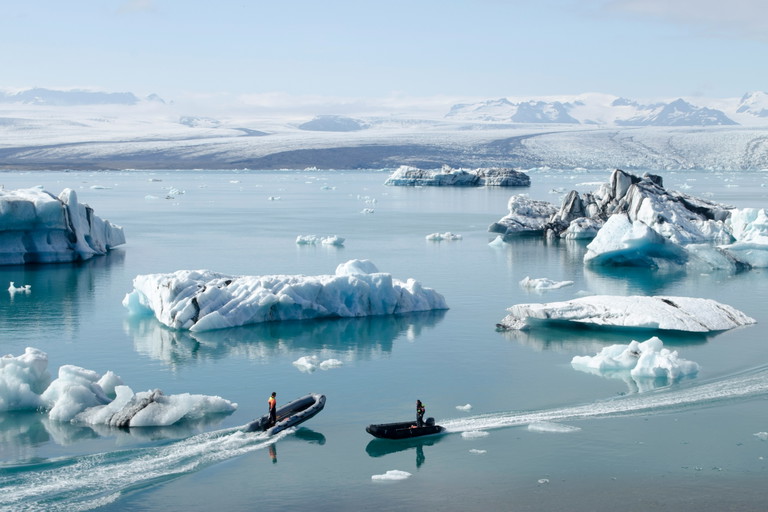
In the 1930s, Breiðamerkurjökull, a foothill of Europe's largest glacier, began to retreat. This created the Jökulsárlón glacier lagoon . It's located in the south-east of Iceland, right next to Vatnajökull National Park. Its special features include not only its appearance, but also its depth: it descends 250 meters below the sea surface, making it the deepest lagoon in Iceland. The floating icebergs can shine turquoise blue, white or even black - depending on the air content and volcanic activity. Sadly, it's constantly growing in size due to global warming. Incidentally, the lagoon became known to the general public as a filming location for James Bond movies. 89 percent of the reviews analyzed are 5-star reviews.
4: Grand Canyon, Arizona/USA
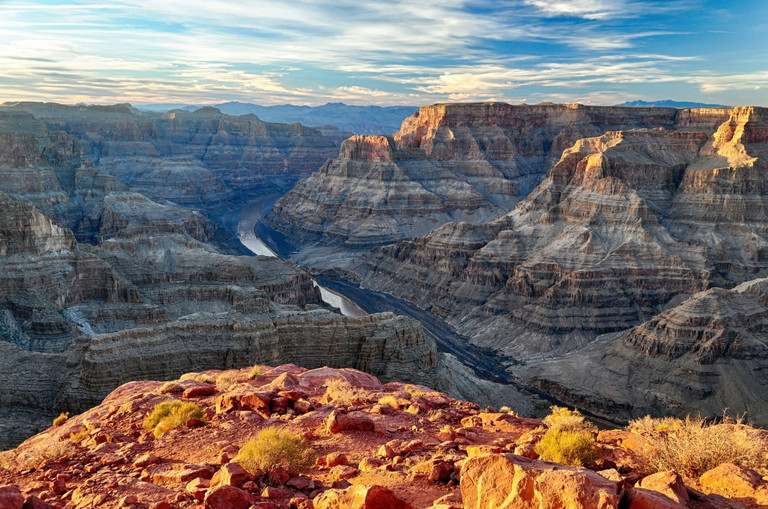
In theory, the Grand Canyon in northern Arizona is "just" a hole in the ground. Anyone who has ever stood in front of it in practice knows that this is by no means everything. You are indeed overcome with humility when you look into the abyss - shaped by the elements of nature over millions of years. With an extension of 1,800 meters (in depth) and around 450 kilometers (in length) and a width of 6 to 29 kilometers, its sheer size alone is breathtaking. Geologists will be delighted by over 20 different rock strata, while 1,500 plant species and 500 animal species will impress nature lovers. If you're interested in culture, you will know that the Grand Canyon is a sacred area for some indigenous peoples, such as the Havasupai, Hopi, Hualapai and Navajo. In the Index of the World's Most Beautiful Natural Wonders, Arizona's landmarks received 89 percent 5-star ratings.
3: Salar de Uyuni, Bolivia
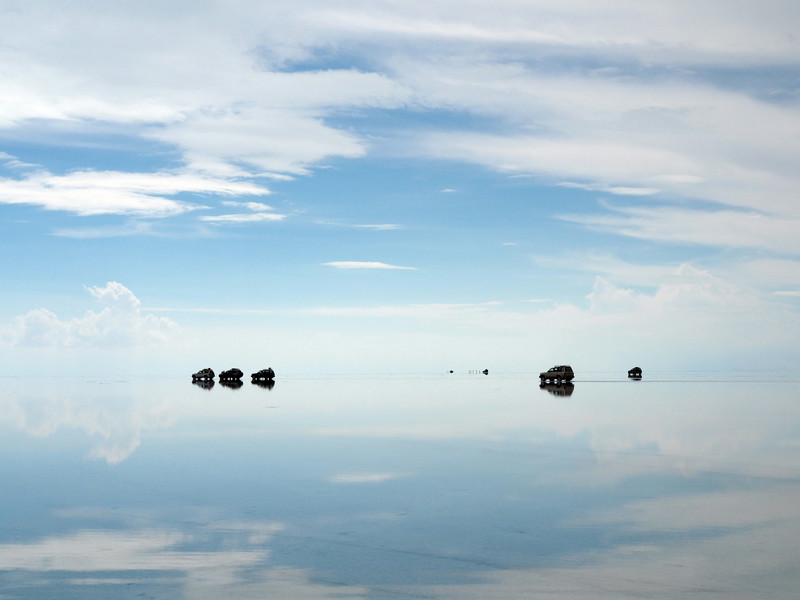
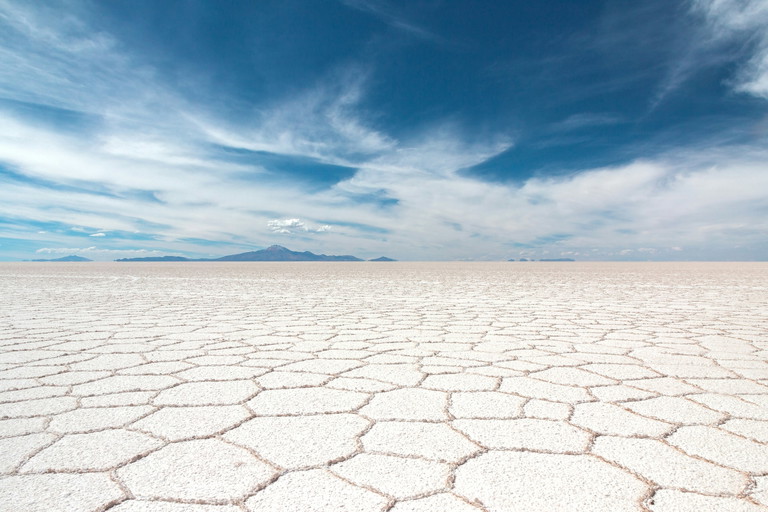
Surreal and almost otherworldly—that’s how the world’s largest salt flat presents itself. Located at an altitude of nearly 3,600 meters (11,800 feet), this South American natural wonder spans more than 10,500 square kilometers—making it larger than the entire country of Cyprus! From May to October, the dry season reveals the endless white salt crust in all its glory. From January to March, the rainy season transforms the area: when a thin layer of water covers the flats, a massive mirror effect appears—pure Instagram gold!
There are plenty of unique sights around the Salar de Uyuni. One highlight is Isla Incahuasi, an island in the middle of the salt sea covered in giant cacti. Near the town of Uyuni, a rusted 19th-century steam locomotive creates an especially quirky photo op. And don’t miss the night sky: with almost no light pollution, it’s one of the best places on Earth to see the Milky Way in breathtaking clarity.
2: Caño de Cristales, Colombia
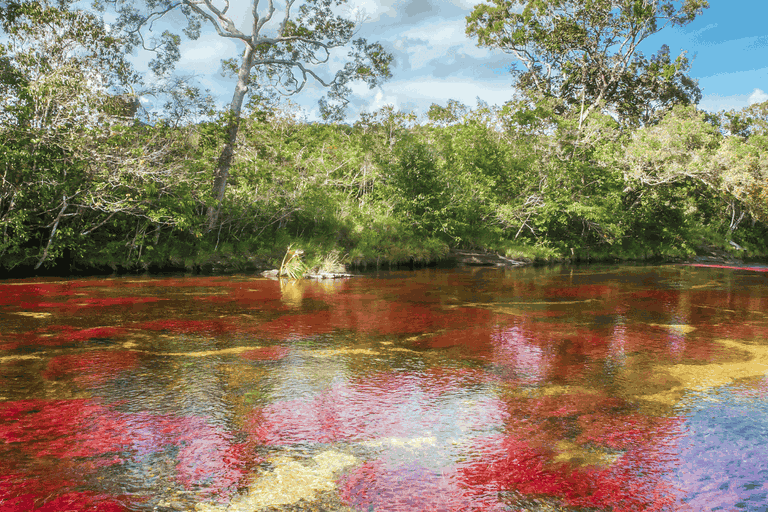
Second place on the list of the world’s most breathtaking natural wonders goes to a phenomenon that’s still relatively unknown in many parts of the world: Colombia’s River of Five Colors. And it’s absolutely fascinating. Between July and November, the water shimmers in vibrant hues. The so called liquid rainbow is caused by a rare aquatic plant known as Macarenia clavigera, which grows exclusively in this region. Its color changes depending on the water level, sunlight, and temperature.
To witness this natural spectacle, head to the Serranía de la Macarena National Park in central Colombia, accessible via La Macarena Airport. The river isn’t the only attraction—the park is also home to more than 400 bird species, monkeys, and turtles, making it well worth the trip. Tourism here is strictly regulated to protect the fragile ecosystem.
1: Rock monasteries of Meteora, Greece
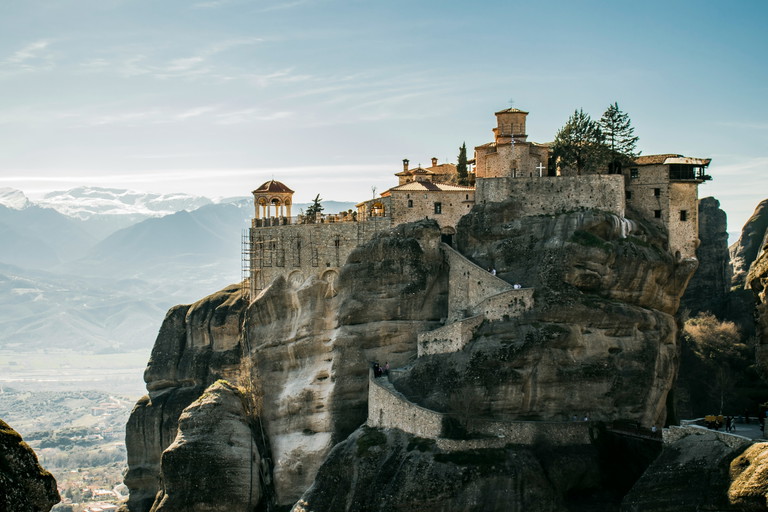
Reviewers agree: 91.3 percent gave the rock monasteries of Meteora a five-star rating across all major review platforms. But how do monasteries end up being counted among the world’s most impressive natural wonders? It starts with the landscape itself—these dramatic rock formations were created around 60 million years ago. Hermit monks began settling in the caves in the 11th century, and by the 14th century, construction of monasteries atop the rock pillars had begun in earnest.
Even the name hints at their uniqueness: Meteora (μετέωρα) means “suspended in the air.” Of the original 24 monasteries, 6 are still active today—and open to visitors. At the Holy Trinity Monastery (Ágia Triáda), you might recognize a familiar scene: it served as a filming location for a James Bond movie. The Meteora monasteries are recognized as a UNESCO World Heritage Site.