Skip to content
© Shutterstock (symbolic image)

Street food: What to look out for when you're traveling

street food
Insider Tip
Soul food
Travel

Vacation is the perfect time to explore local cuisine – and street food is a great way to do it. The Falstaff checklist shows you what to keep in mind.

Street food is a wonderful way to experience the culinary culture of a country first-hand. However, especially in regions without clear food controls, choosing a street stall can be a challenge - there are often no testimonials or information on the reliability of the provider. You rarely know whether it's an established stand or a pop-up.

To make sure your street food snack doesn’t turn into a stomachache, it’s worth taking a moment to pause, look more closely, and ask the right questions: How are the ingredients handled? How clean does the area seem? Falstaff has taken a closer look at a few key questions that can help you better assess the quality and safety of street food – and that can make the difference between a memorable culinary adventure and an unpleasant experience.

Is the stand also a tip among locals?

One of the most important questions about street food is: Do the locals also eat here? If so, chances are good that the food is not only authentic, but also safe. Admittedly, it's not always easy to tell the difference between tourists and locals, but there are often clues: Language, clothing or simply the matter-of-factness with which someone orders. If you want to be on the safe side, simply ask for recommendations in nearby stores or cafés. This not only minimizes the likelihood of an upset stomach, but also allows you to discover real, local food - with a bit of luck, often at better prices than at typical tourist traps.

Is the dish freshly cooked or has it been lying around for a while?

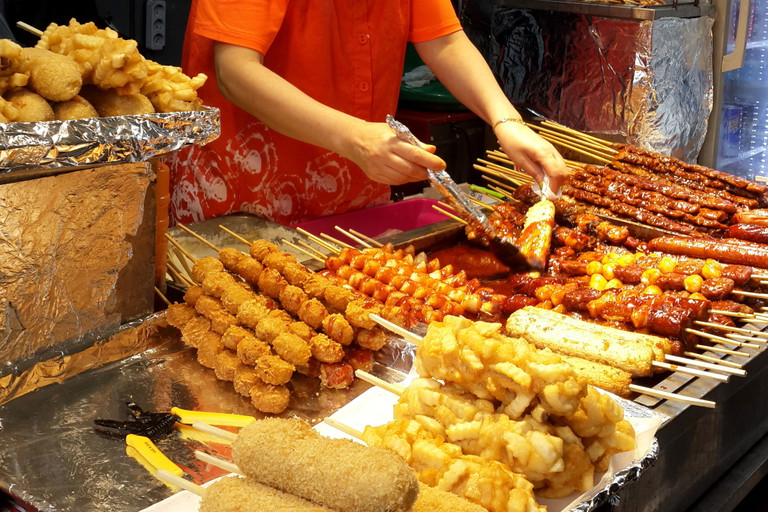
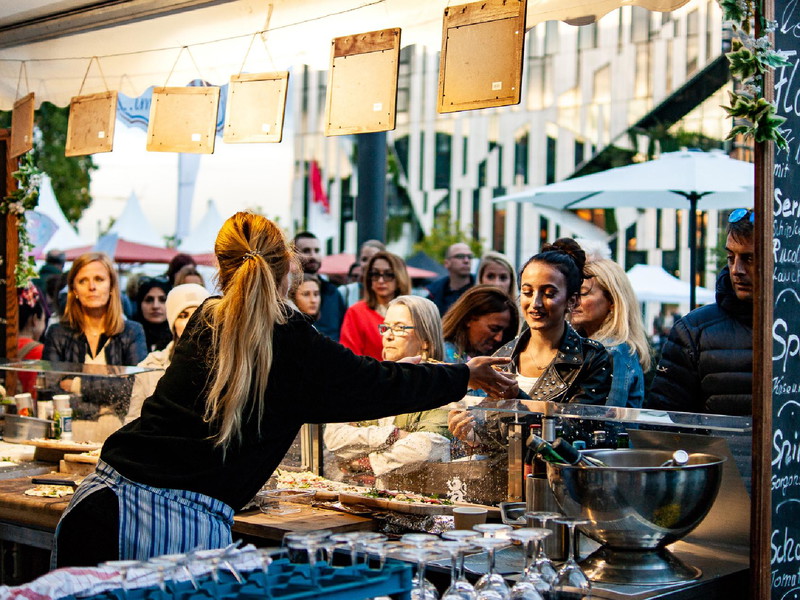
One big advantage of street food: you can often watch your meal being prepared – which makes it easy to spot any signs of poor hygiene or questionable ingredients. The most important thing is that the food is thoroughly cooked and served hot – that’s the only way to keep bacteria and viruses at bay.

Especially with meat, eggs and sauces, everything should be heated thoroughly - so hot that you have to wait a short time before you start. If in doubt, ask or ask for extra cooking time - better safe than sorry.

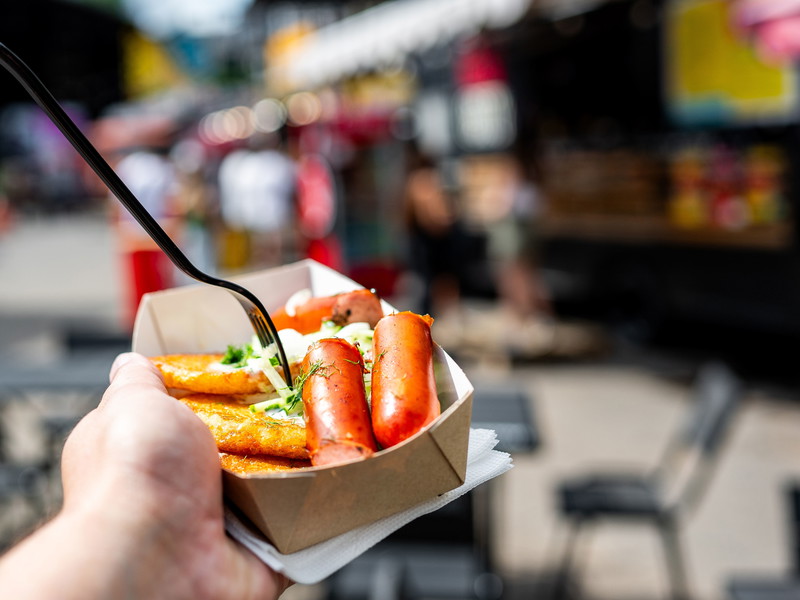
You should always make sure that the food is fresh.
© Shutterstock
You should always make sure that the food is fresh.

How does the sales stand work?

A quick look at the workplace of a street food stall can reveal a lot - especially about how carefully hygiene is handled. Is the surface clean? Are meat and vegetables processed separately? Are used boards or knives lying open in the sun? Such details provide valuable clues.

The storage of the ingredients also says a lot: Do they appear chilled or are they lying unprotected in the heat? If meat, fish or other perishable foods are visibly exposed to the sun, it's better to avoid the stand. If you look closely, you can often tell at first glance whether the food is prepared safely - even before you order.

How hygienic are the dried toppings?

Dried ingredients such as herbs, spices, nuts or crispy onions are often considered safe for street food - mainly because they can be kept for a long time without refrigeration. Nevertheless, it's worth taking a closer look here too: Are they stored cleanly? Do they stay dry? And: does the seller prepare them with cutlery - or with his bare hands?

Moisture is the biggest risk factor here. The risk of germs increases when dried food is left in a damp environment or in heat. Shared cutlery for different ingredients or open containers that guests help themselves to can also lead to contamination. It is therefore better to observe how toppings are used - and if in doubt, do without.

Take a closer look. How organized is everything?
© Shutterstock
Take a closer look. How organized is everything?

Is the drink originally sealed?

In the DACH region, we can count ourselves lucky when it comes to the quality of our drinking water. Nevertheless, water quality is not the same everywhere - and in some countries it can quickly become a problem. If in doubt, only use sealed bottles and avoid ice cubes, as they are often made from unfiltered water. Frozen water does not kill germs, it only freezes them.

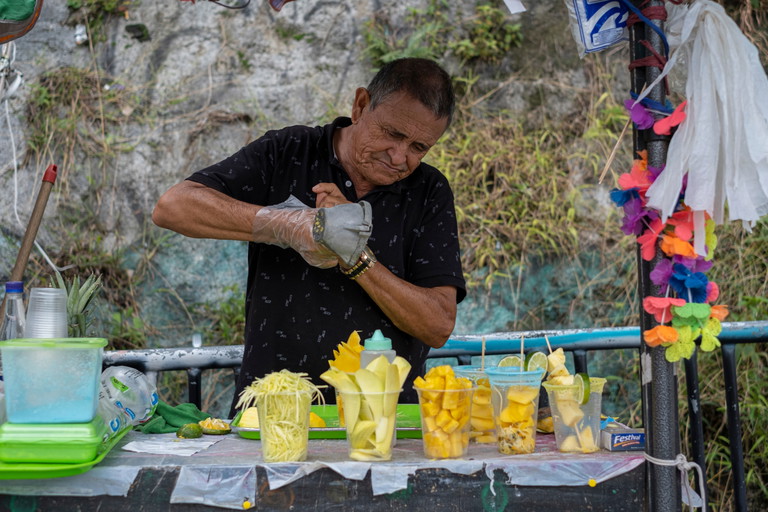
Freshly squeezed juices should also be enjoyed with caution - it is often unclear whether the water used or the utensils were clean. In some regions, water bottles are even refilled with tap water and sold resealed. Therefore, make sure that you open the seal yourself and, if in doubt, use cans rather than bottles. This avoids unnecessary risk - and still quenches your thirst

Even if not every question can be answered immediately, it's worth taking a closer look - then unpleasant consequences can often be avoided.


Redaktion
Find out more
1 / 12