Skip to content
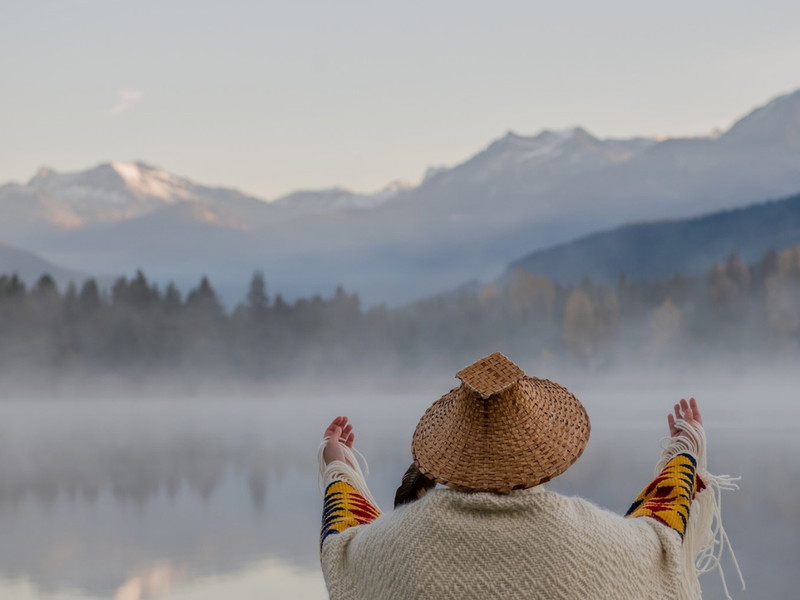
© Lil'wat Cultural Center Whistler, Logan Swayze

First Nations in Canada Show the Country From Their Perspective

How Indigenous travel experiences in Canada can make a difference - and how Canada's First Nations enrich every vacation.

Every year at the end of September, Canada celebrates the National Day for Truth and Reconciliation. This day celebrates the reconciliation of immigrants with the First Nations in Canada. The day is therefore dedicated to the indigenous population. The so-called “Orange Shirt Day” It has been an official holiday for the past four years. Since then, events and activities have been held across Canada on September 30 to recognize and celebrate Indigenous cultures. Fortunately, the First Nations in Canada now recognize the important place that they deserve. They also play a major role in tourism by Extraordinary travel experiences enable. Five examples:

Pure wilderness with the Cree

© Nibiischii

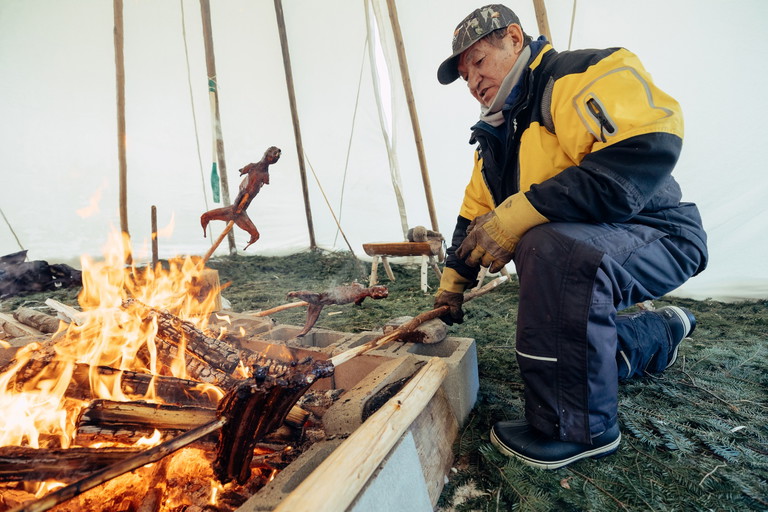
Adventurous travelers should join the Cree natives in the forests of Québec. Because this is where the Nibiischiizwei riesige Schutzgebiete von rund 24.000 Quadratmetern Fläche. Dieses “Land des Wassers” befindet sich nordwestlich von Lac St-Jean und überrascht mit thousands of rivers and lakes. At Waconichi Lake, guests can stay overnight in privately run cabins and accommodation. Anglers, canoeists and water sports enthusiasts are in the right place here in summer. And in winter you can go snowshoeing, fat biking, ice skating and Snow yoga ausprobieren. Indigen inspirierte Spiele und frisch Gegrilltes vom Lagerfeuer gibt’s ebenso wie Kurse zum Erlernen von indigenous arts and craftsk.

Spiritual horses at the adventure farm

© Ottowa Tourism

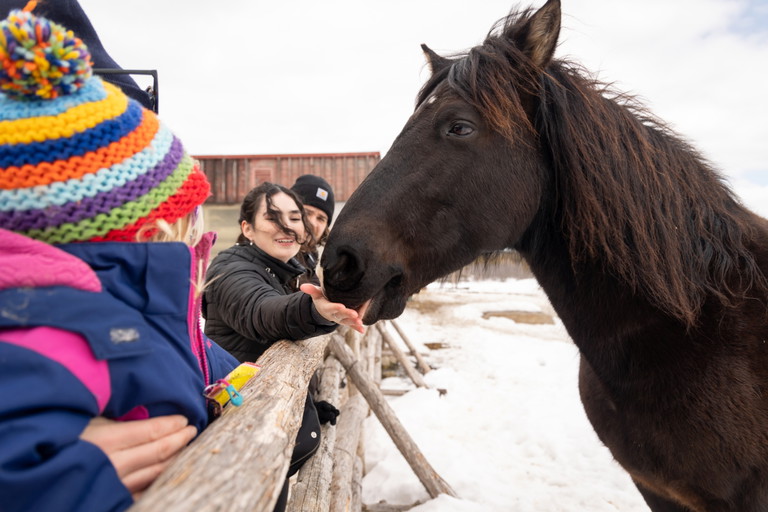
Very close to Ottawa, you'll find the Mādahòkì adventure farm, a place where you can experience indigenous culture. The 164-hectare farm is a venue for seasonal cultural events. There's also a market for indigenous handicrafts. Visitors can feed the animals and hire snowshoes in winter to discover this side of nature. A special feature is the small herd of Ojibwe Spirit Horses. This breed is indigenous, but threatened with extinction. They have a special spiritual significance. Over 40 different First Nations artists present their handicrafts at the marketplace.

On the trail of buffalo with the Métis

© Cooper&O'Ha

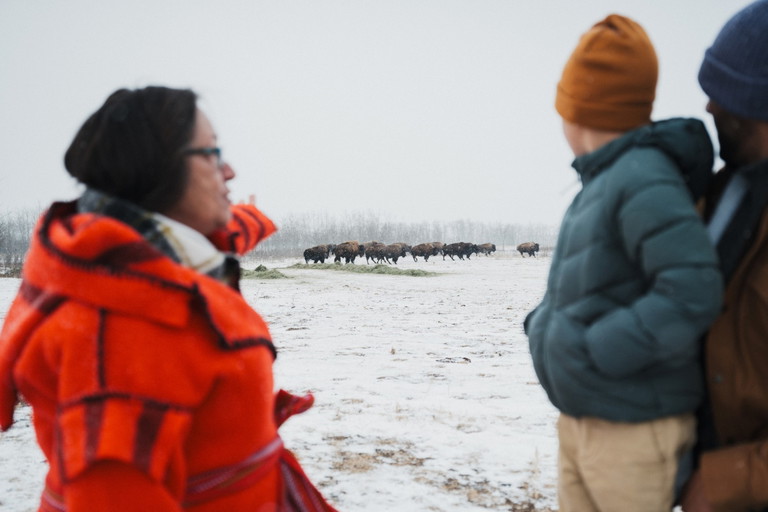
One and a half hours northeast of Edmonton is the meeting center Métis Crossing. It introduces visitors to the Mestizos, descendants of white settlers and indigenous women from the 18th century, and their history. They are considered a distinct population group in Canada. Here guests can participate in cultural activities teilnehmen. Und auch bei First Nations in Kanada übernachten. Ganz neu im Angebot ist die dreitägige Tour “Beavers, Bisons and People: Our Promise to Wahkotowin”. Diese Kooperation mit dem Elk Island National Park enables tours with indigenous guides.

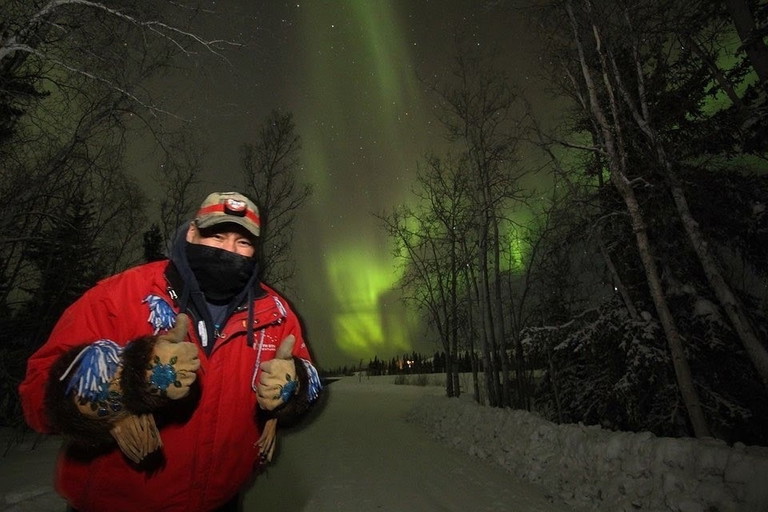
Northern Lights hunt with Joe Bailey

© Joe Bailey

When you think of the Northern Lights, Norway may be the first thing that springs to mind. But of course there is the impressive celestial phenomena auch in den kanadischen North West Territories. Besonders bekannt dafür ist die Stadt Yellowknife. Der indigene Joe Bailey aus dem Volk der Dene ist “Aurora-Jäger” und Eigentümer des Touranbieters North Star Adventures. He and his staff know Yellowknife like the back of their hands and make aurora watching possible with lots of mystical stories from the Dene culture.

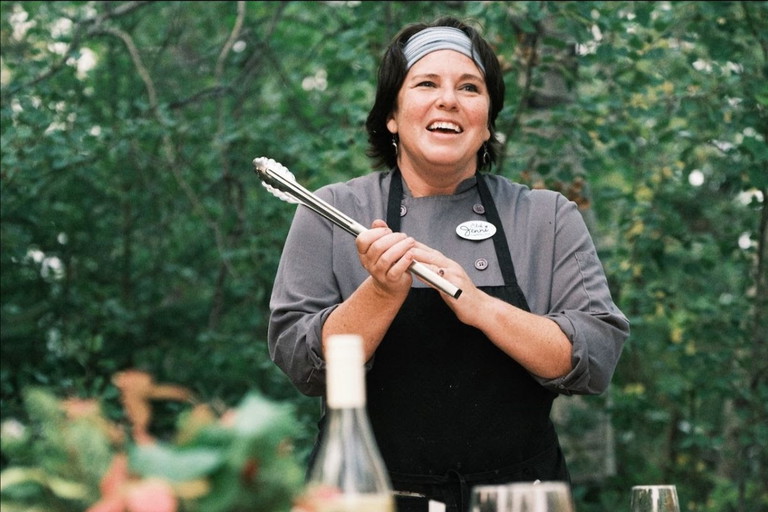
Culinary delights with Jenni Lessard

© Tourism Saskatchewan

The native Métis travels with the guests of Adventure Destinations International for six days through the prairie province of Saskatchewan. Along the way, guests not only learn about the indigenous culture of one of Canada's First Nations. They also have the opportunity to immerse themselves in the local cuisine. Jenni Lessard offers delicacies such as bison jerky, dried berries, wild rice, teas and pulses. Guests eat locally and authentically. Stops on the journey include Saskatoon, Prince Albert National Park and the Missinipe in Lac La Ronge Provincial Park. The final stop is the Wanuskewin Heritage Park. This is a traditional indigenous gathering place near Saskatoon.

Claudia Hilmbauer
Author
Find out more
1 / 12