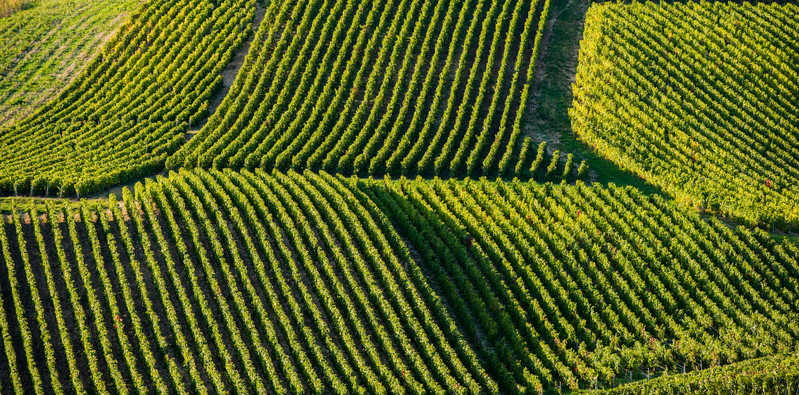
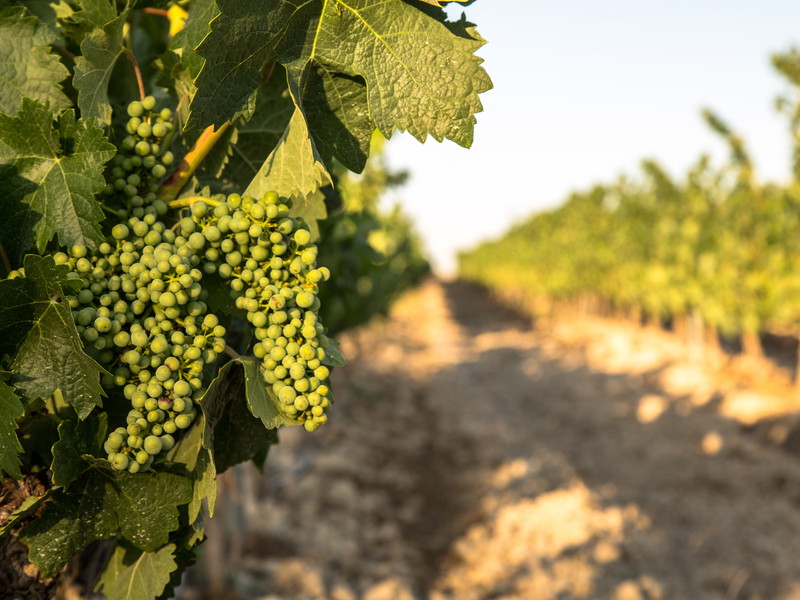
The names Greco and Grechetto stand for different types of white wine in southern central Italy and southern Italy. In fact, most of them have nothing to do with each other. The Grechetto is the Grechetto di Orvieto, which actually only occurs in the region adjacent to southern Tuscany. Whether the name refers to a Greek origin has not yet been proven and is therefore an open question. The Grechetto ripens medium to late and is at least resistant to downy mildew. The most important growing area is of course Orvieto, where the Grechetto is not made as a pure variety, but is usually blended with Trebbiano Toscano and Verdello to create a medium-weight, fresh white wine that is drunk young. In addition, it is also permitted in Umbria in other areas of origin, such as Assisi, Colli del Trasimeno or Colli Perugini. However, it can be confused with the Grechetto di Todi; only the regulations for the Colli Martani contain regulations regarding the distinction between the two varieties, which have no family relationships. There are also plantations of Grechetto di Orvieto in Marche, Tuscany and Lazio. With his Castello della Sala, Marquese Antinori has shown that Grechetto can also be used to produce great white wines, but this impressive wine is also a cuvée, in this case in combination with Chardonnay. In the past, sweet wines were preferably made from Grechetto, but this tradition only finds a few enthusiastic fans today. There are no known plantings outside Italy.
This grape variety is also known by the name of:
Grechetto Spoletino, Grechetto Nostrale, Greco Bianco, Grecherello, Grechetto Bianco, Grechetto di Todi, Greco Spoletino, Occhietto, Greco Gentile, Pistillo, Montanarino Bianco, Pizzinculo, Greghetto, Pulcinella, Pulce, Pulcinculo Bianco, Stroppa Volpe, Strozzavolpe