The Godfather of Rosé
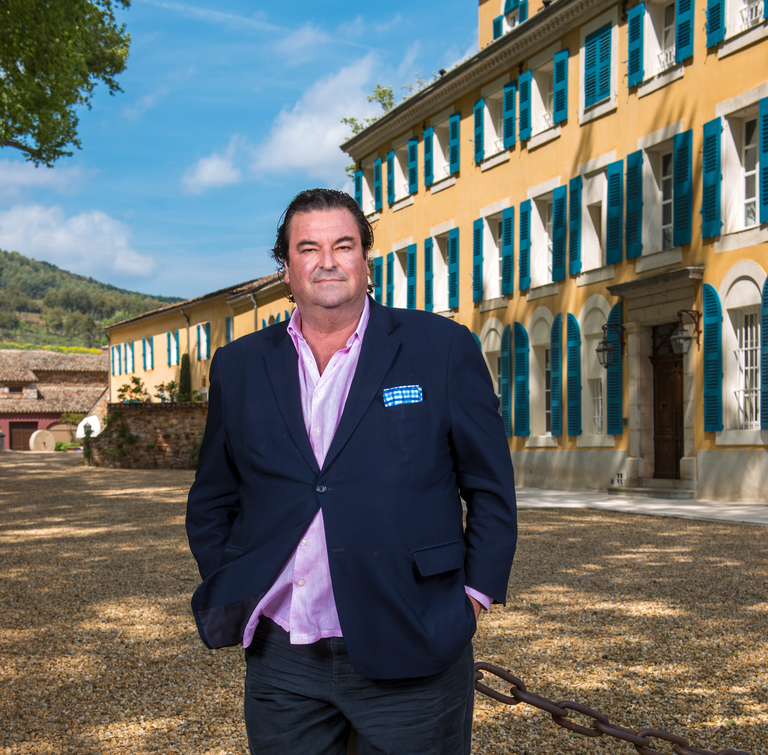
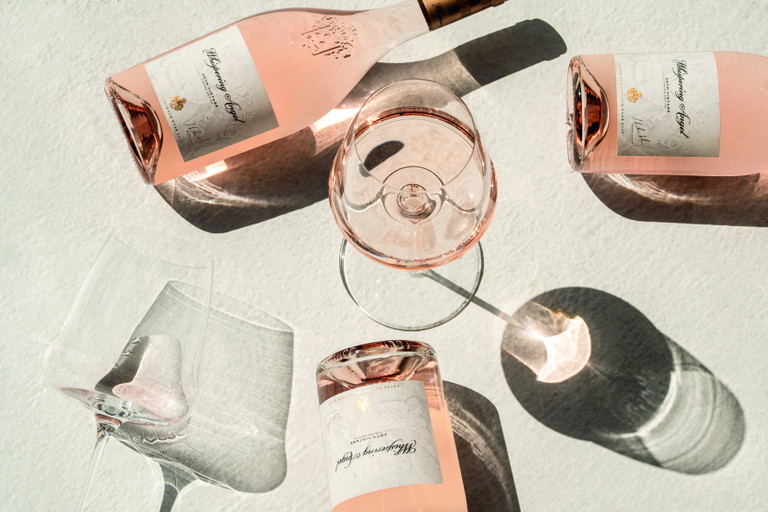
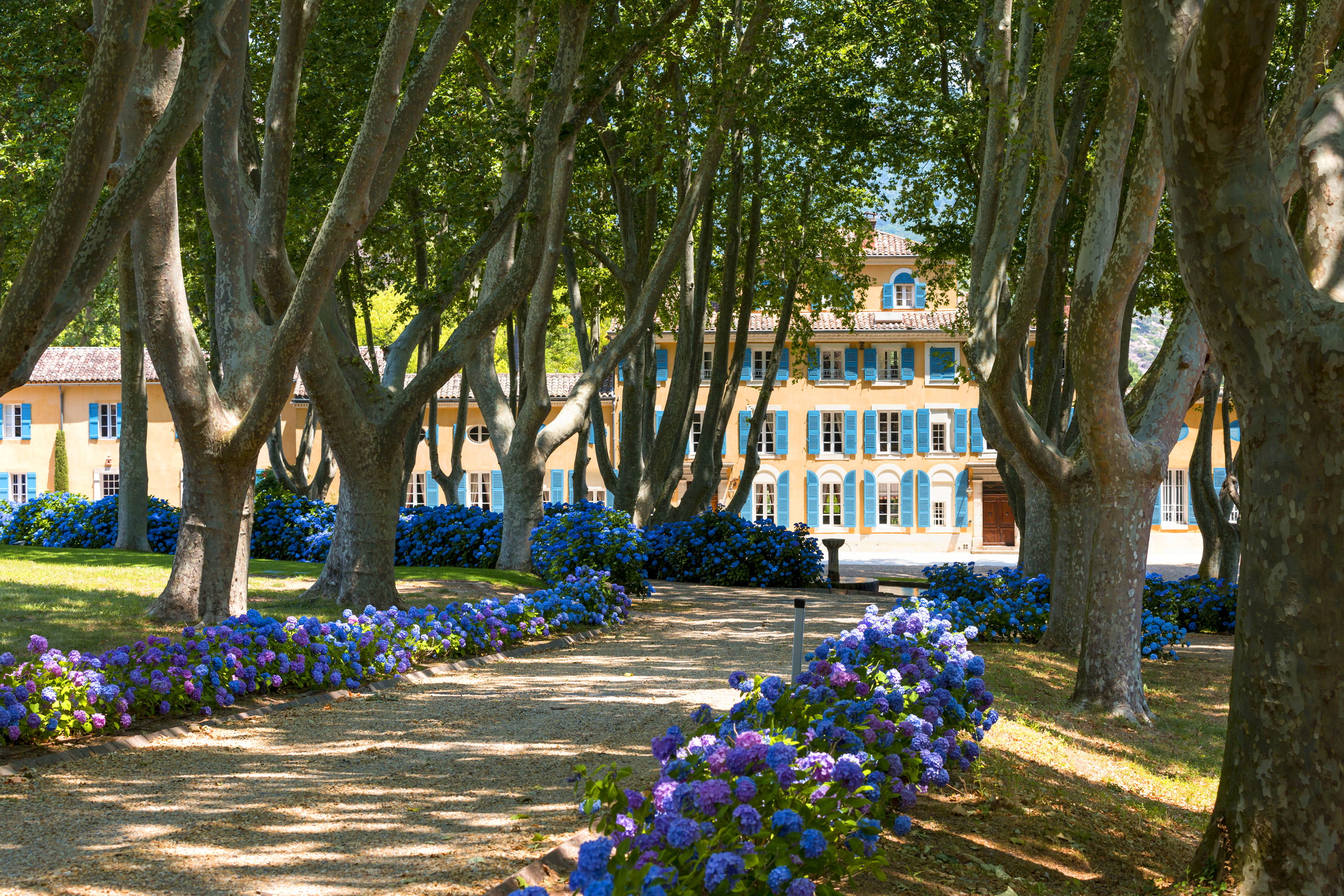
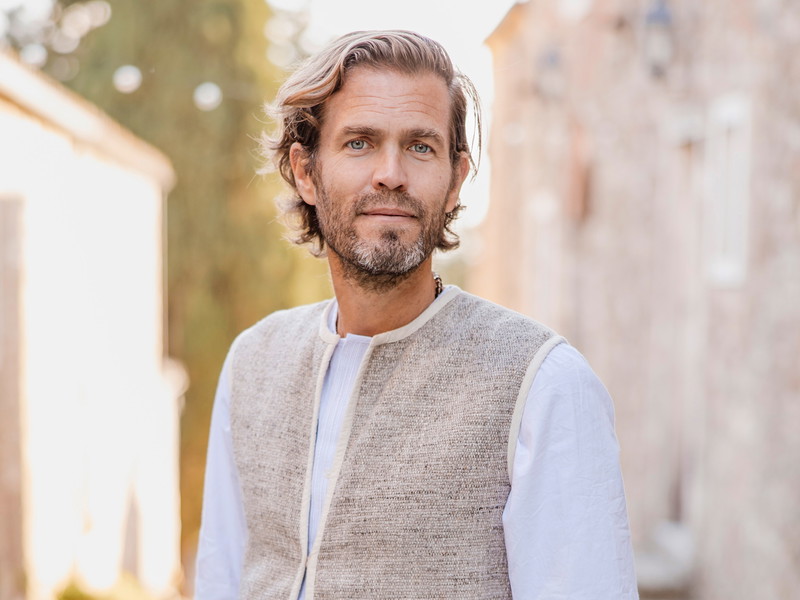
Sacha Lichine shaped the world of rosé wine like no other winemaker. After purchasing Château d’Esclans in 2006, the visionary entrepreneur became the driving force behind the global rosé craze. In mid-March 2026, he stepped down as founder and president of the Provence winery behind the cult rosé Whispering Angel. But that doesn't mean the "Godfather of Rosé" is tired by any means.
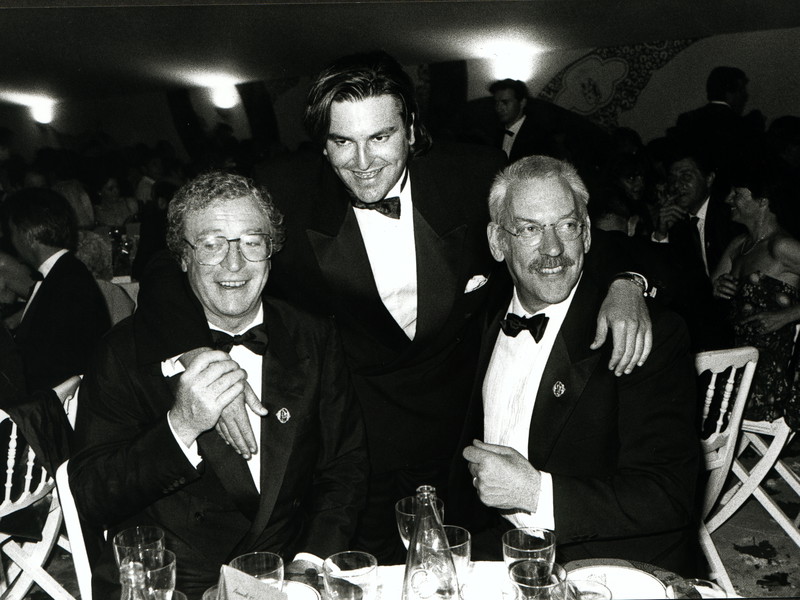
If you want to understand Sacha Lichine, you need to know his father's life story. Alexis Lichine was born in Russia and educated in France. He spoke three languages – Russian, French, and English – not only fluently but also without an accent, as his son Sacha Lichine recounts. During World War II, Alexis Lichine served as an aide to Supreme Commander Dwight D. Eisenhower in the U.S. Army and worked for the Office of Strategic Services (OSS), the predecessor to the CIA. After the war, he devoted himself tirelessly to establishing French wine in the United States. “Bordeaux and Burgundy were the focus of his efforts,” recalls Sacha Lichine. Alexis Lichine was a colorful figure in the world of wine – a legend, if you will. In 1951, he purchased Château Prieuré-Cantenac, which he renamed Prieuré-Lichine two years later. It was here that his son, Sacha Lichine, caught the wine bug as a child – and never shook it.
Vocation: Entrepreneur
"My son has a secure professional future – without even knowing it," Alexis Lichine used to joke when Sacha was still a child. He turned out to be right. At the age of 18, Sacha Lichine founded his first company: He offered luxury wine tours through France’s major wine-growing regions for Americans eager to learn – including visits to Michelin-starred restaurants. While studying in Boston, he worked as a sommelier, then moved to a wine wholesaler, and in 1983 founded a wine distribution company serving the Caribbean. In 1987, at the age of 27, he took over the management of Château Prieuré-Lichine. After his father's death in 1989, he continued to run it as the owner. In 1999, he sold the family winery. This was followed by several years as a négociant in Bordeaux and Burgundy. He says he internalized the French expression “La tête dans le guidon” – keeping your nose to the handlebars, or keeping your head down – at an early age. “That discipline helped me stay on track,” says Sacha Lichine. The purchase of Château d’Esclans in 2006 marked the beginning of a long period of this kind.
Sacha Lichine makes decisions based on his gut feeling – and trusts his instincts. "When it comes to wine tasting, just like with everything else I encounter," he says. The same was true of rosé wine, which he brought into the modern era over the next 20 years. “Long before I arrived in Provence, I had the feeling that rosé wine didn’t just have an image problem, but was simply considered a wine that couldn’t be taken seriously,” he says. Back then, rosé was a byproduct – and that was exactly what he and his team wanted to tackle from a quality perspective. "My goal was to make rosé a big thing, and we've succeeded – far beyond my expectations."
Despite all the criticism
However, as Sacha Lichine explains in this interview, the success of Château d’Esclans and its flagship rosé, Whispering Angel, was not a given from the start. The industry’s skepticism was palpable: “At first, the sommeliers wouldn’t even talk to me,” Lichine recalls. “They thought I was crazy to sell a Bordeaux château just to make rosé.” A running joke between Lichine and his first consulting oenologist, Patrick Léon, revolved around the idea that they wanted to make the wine they themselves would like to drink – just in case no one else liked it. It soon became clear, however, that this fear was unfounded: The two of them not only appealed to their own tastes but also to those of the entire world, and they helped not only themselves but the whole of Provence achieve the success it enjoys today. When Wine Enthusiast magazine named Château d’Esclans the European Winery of the Year in 2014, Lichine told the interviewing journalist that he was riding the rosé wave. His reaction to that still haunts him to this day: “You don’t ride them.” "You created them," the journalist replied.
They wanted to make a wine that they themselves would enjoy drinking – just in case no one else liked it.
Flattering Imitators
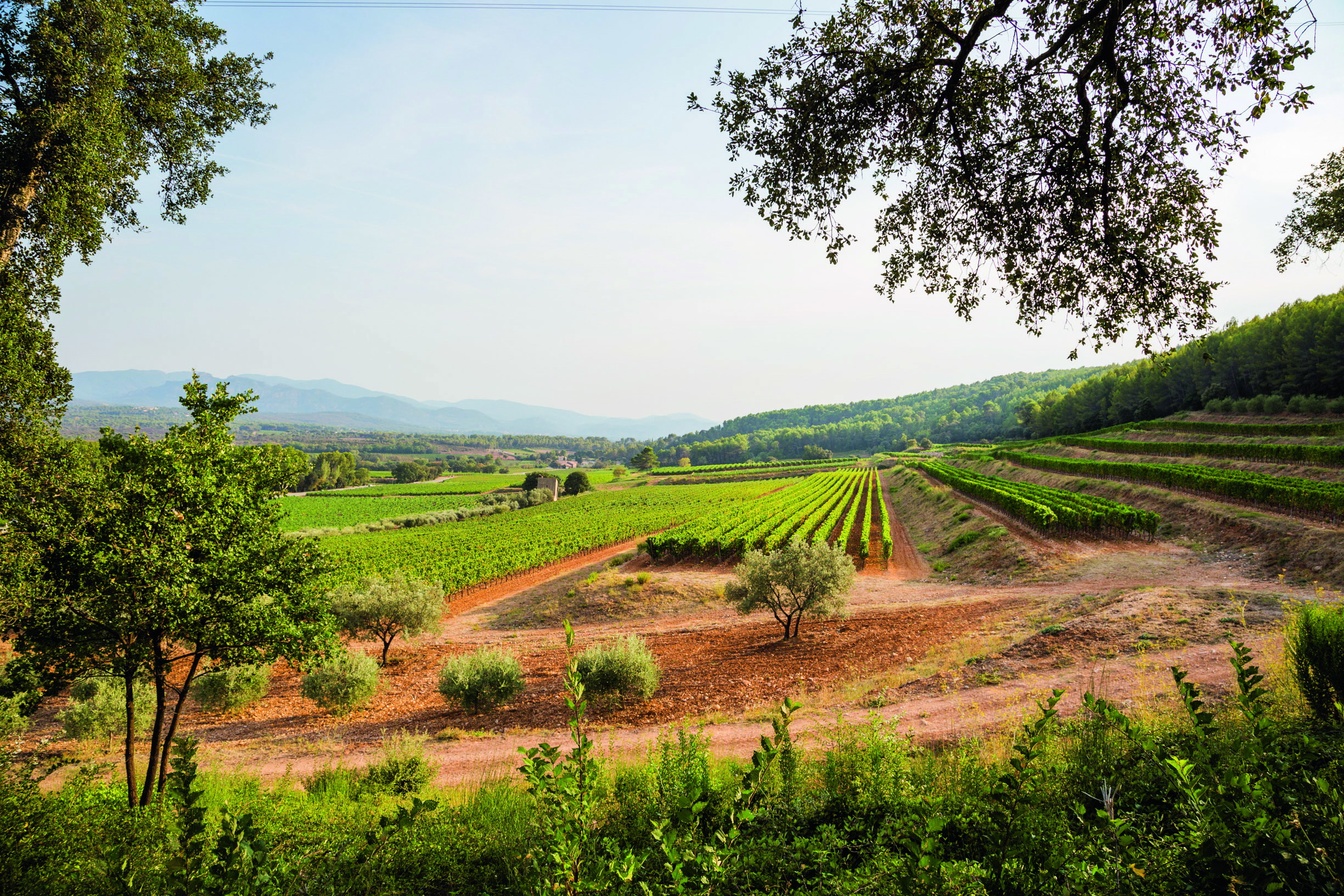
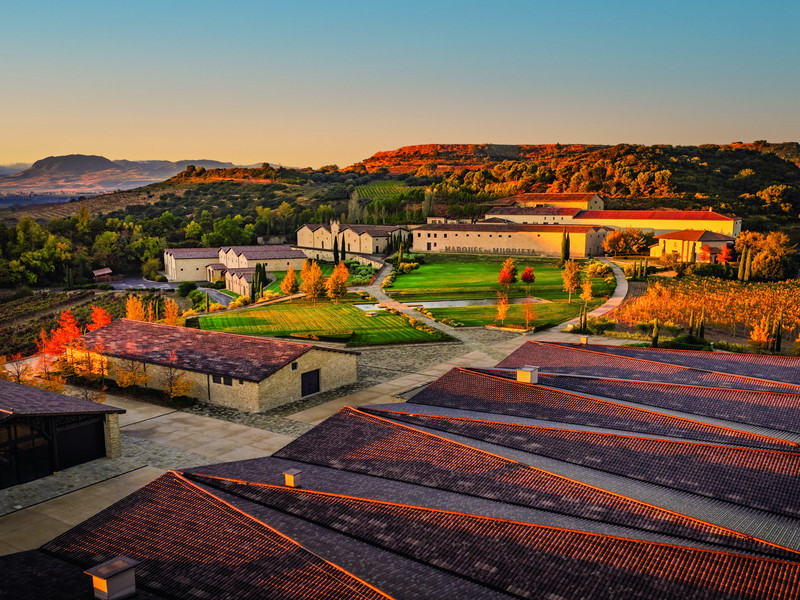
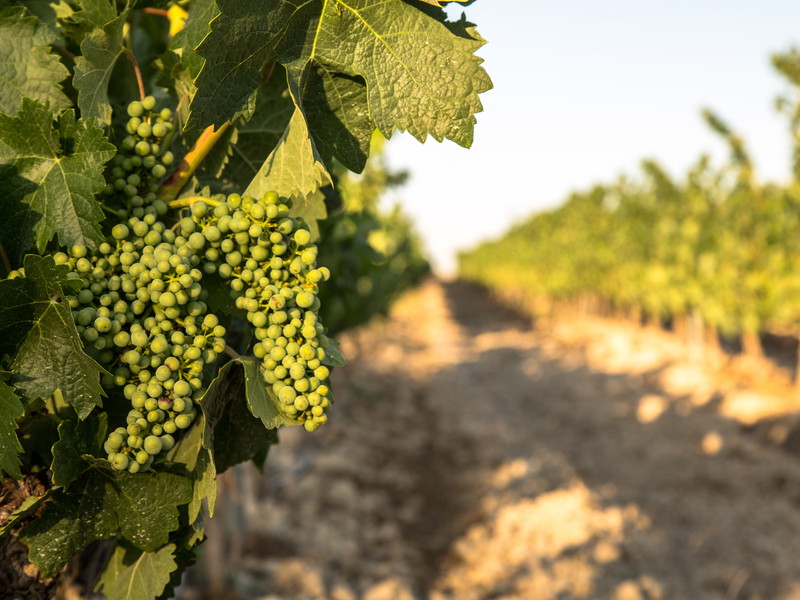
“There are many regions around the world today that are trying to produce the pale rosé style that we defined in Provence,” says Sacha Lichine. “We’re flattered – after all, imitation is the sincerest form of flattery.” For Lichine, what makes Château d’Esclans so special has a lot to do with the terroir: old Grenache vines, some of them nearly a hundred years old, growing in mineral-rich soils – their roots reach deep into the earth and impart this quality to the wine. The top-of-the-line Garrus cuvée is aged in oak barrels following the Burgundian tradition and achieves a structure and complexity rarely found in this category. Wines that are not only perfect as an aperitif but also pair beautifully with a meal.
Imitation is the sincerest form of flattery.
– Sacha Lichine
For Lichine, one thing is certain: just as Champagne sets the standard for sparkling wine, Provence should set it for rosé. A vision he has been working on for twenty years – and one he is still just as passionate about today.
Retirement after 20 years
Sacha Lichine stepped down as founder and president of Château d’Esclans in March 2026 – after almost exactly 20 years. The luxury goods group LVMH has been the majority owner of the winery since 2019; Lichine's withdrawal had been planned for a long time. “I prepared for this step by step,” says Sacha Lichine. “I feel a deep sense of satisfaction with everything my team and I have achieved and handed over to LVMH.”
Anyone familiar with the biography of this dynamic wine entrepreneur knows, of course, that Lichine isn't resting on his laurels – he's just not that kind of person. In his mid-60s, he is once again breaking new ground, attempting once again to redefine the existing. Sacha Lichine is now the main investor in Rosaluna Mezcal. “I’m fascinated by the Espadín agave, the most important agave variety used in the production of Rosaluna mezcal,” he says with the same enthusiasm he shows when talking about Provence rosé. Lichine’s mezcal is less smoky than many comparable products and is produced using artisanal and sustainable methods. “You can mix it or drink it neat – it offers countless ways to enjoy it,” he says.
In the summer of 2027, Sacha Lichine will launch the first festival of its kind in Europe. For four days, Gstaad becomes the epicenter of the wine world: over 30 international winemakers, more than 20 top chefs, master classes, and winemaker dinners at exclusive hotels and chalets. To wrap things up, the promenade will be open to everyone on Sunday. A portion of the proceeds goes toward a scholarship fund for up-and-coming talent in the restaurant industry.
Gstaad, My Second Home
Sacha Lichine, who grew up in France and the U.S. and has traveled extensively, settled in Gstaad in the Swiss Alps a few years ago. The luxury resort seems tailor-made for the “Godfather of Rosé,” as he has repeatedly been called in the press. “I appreciate the quality of life this place offers,” says Lichine when asked about his adopted home. “It’s a blend of tranquility and a sophisticated, refined atmosphere.” And here he is devoting himself to his second major project: the Gstaad Wine & Food Festival. In June 2027, Lichine will launch the first festival of its kind in Europe four days, over 30 international winemakers, more than 20 top chefs, master classes, and winemaker dinners, culminating in a Sunday event on the legendary Gstaad Promenade. "For me, it's about creating something meaningful and lasting," he says. "In a place that is unlike any other."
You'd think that someone who reinvented rosé wine, sold a winery to LVMH, and, on the side, invested in a Mexican mezcal brand would eventually slow down a bit. Sacha Lichine refutes this assumption with every new chapter. His father's advice – not to follow trends, but to set them – clearly still holds true. And as long as that remains the case, Gstaad in the summer of 2027 is likely to be just the beginning.