Italians Call It ‘Simpatico’: Richard Hyde of SLH on the Art of Hospitality
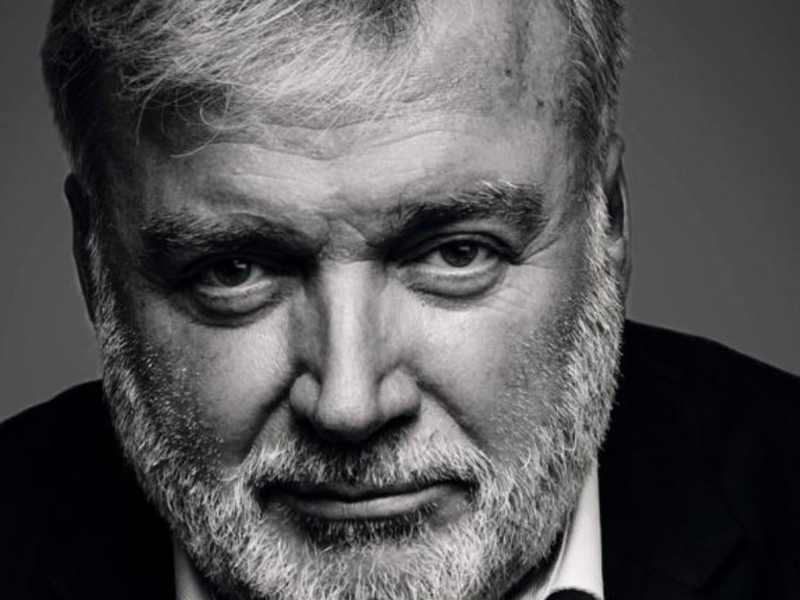
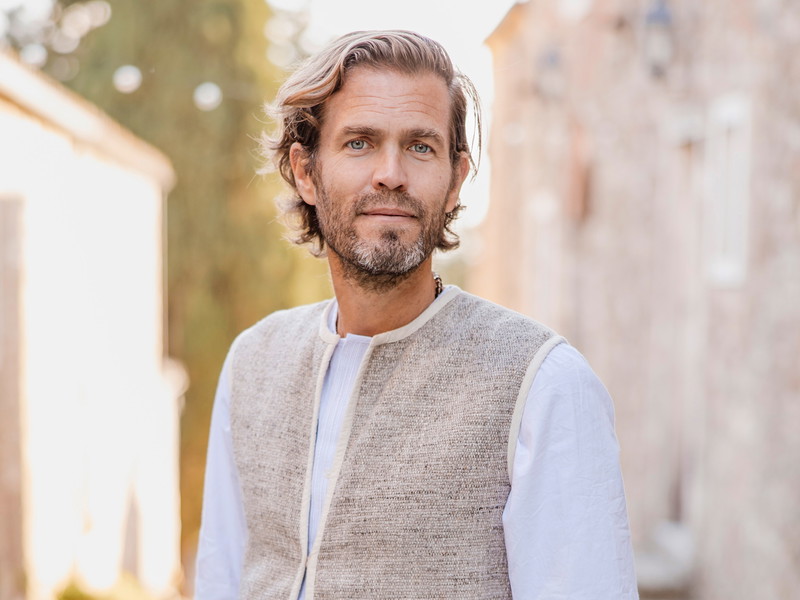
In an interview with Falstaff TRAVEL, Richard Hyde, Chief Operating Officer of Small Luxury Hotels of the World (SLH), talks about true hotel hidden gems, emerging destinations across Europe, the growing trend toward slower, more mindful travel — and the art of anticipating guests’ needs.
Richard Hyde, Chief Operating Officer of Small Luxury Hotels of the World (SLH), speaks with Falstaff TRAVEL about Europe’s most promising hidden gems, the growing desire for slower, more mindful travel, the art of hospitality—and the hotels within the SLH portfolio that are redefining modern luxury.
Falstaff TRAVEL: Can you share an example of a real hidden gem in your portfolio?
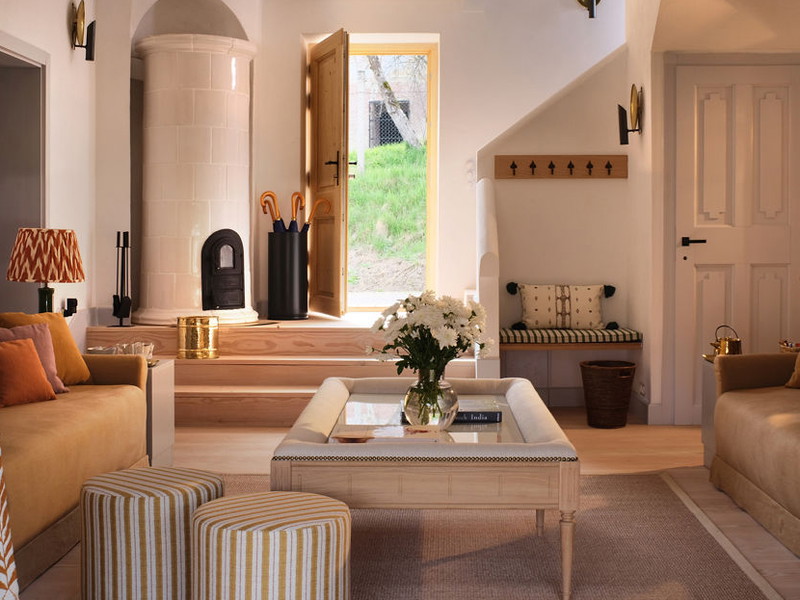
Richard Hyde: One example is Bethlen Estates Transylvania in Romania. It is a traditional countryside estate that strongly reflects what many travelers are looking for today: complete disconnection, silence, and a return to simplicity. The estate has been in the same family for centuries, and the owners, Nikolaus and Theodora Bethlen, have begun restoring historic houses and farmsteads in the region, converting them into small boutique accommodations.
Do you also consider Romania an up-and-coming destination?
We are seeing increasing interest in Romania more broadly, as well as parts of Bulgaria and the Black Sea coast. These destinations remain relatively untouched compared to more established European markets. That is exactly what makes them appealing – they offer space, authenticity, and a sense of discovery that is becoming harder to find in more saturated destinations.
What other emerging destinations and travel trends are you currently observing?
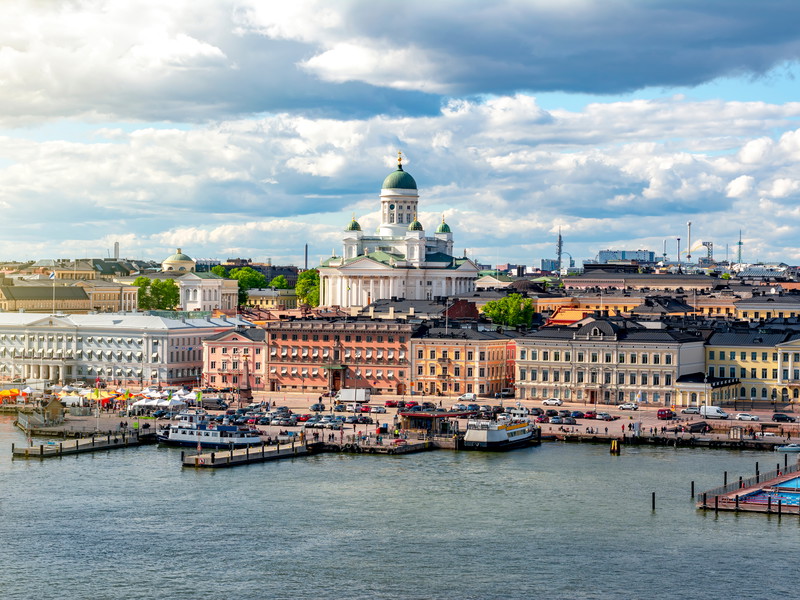
We are seeing a movement toward staying within Europe. The German market in particular resonates with "coolcations", and travelers prefer places like Finland, Norway, and Sweden. We are also seeing a shift toward more short-haul destinations as well as staying longer in one place. Our average stay has always been about two and a half nights per booking, but it has now increased to nearly three. People prefer to stay in one or two places for longer and relax more.
Wellbeing also seems to be a key trend. How do you interpret this development?
We did some research last year into customers and what concerns them. 72 percent of respondents reported feeling tired right now, with 60 percent saying modern life does not allow for true rest. I am sure we can all relate to this feeling. Part of that is always being "on": you have WhatsApp, Instagram, email, and your phone constantly, and you just cannot switch off anymore. Yet, 89 percent reported that they recognise travel as effective for achieving holistic rest - So relaxation is the trend, yes.
This is also an important part of the »SLH« portfolio, particularly in the so-called »Wellbeing Collection«. Which of your hotels stand out in this regard?
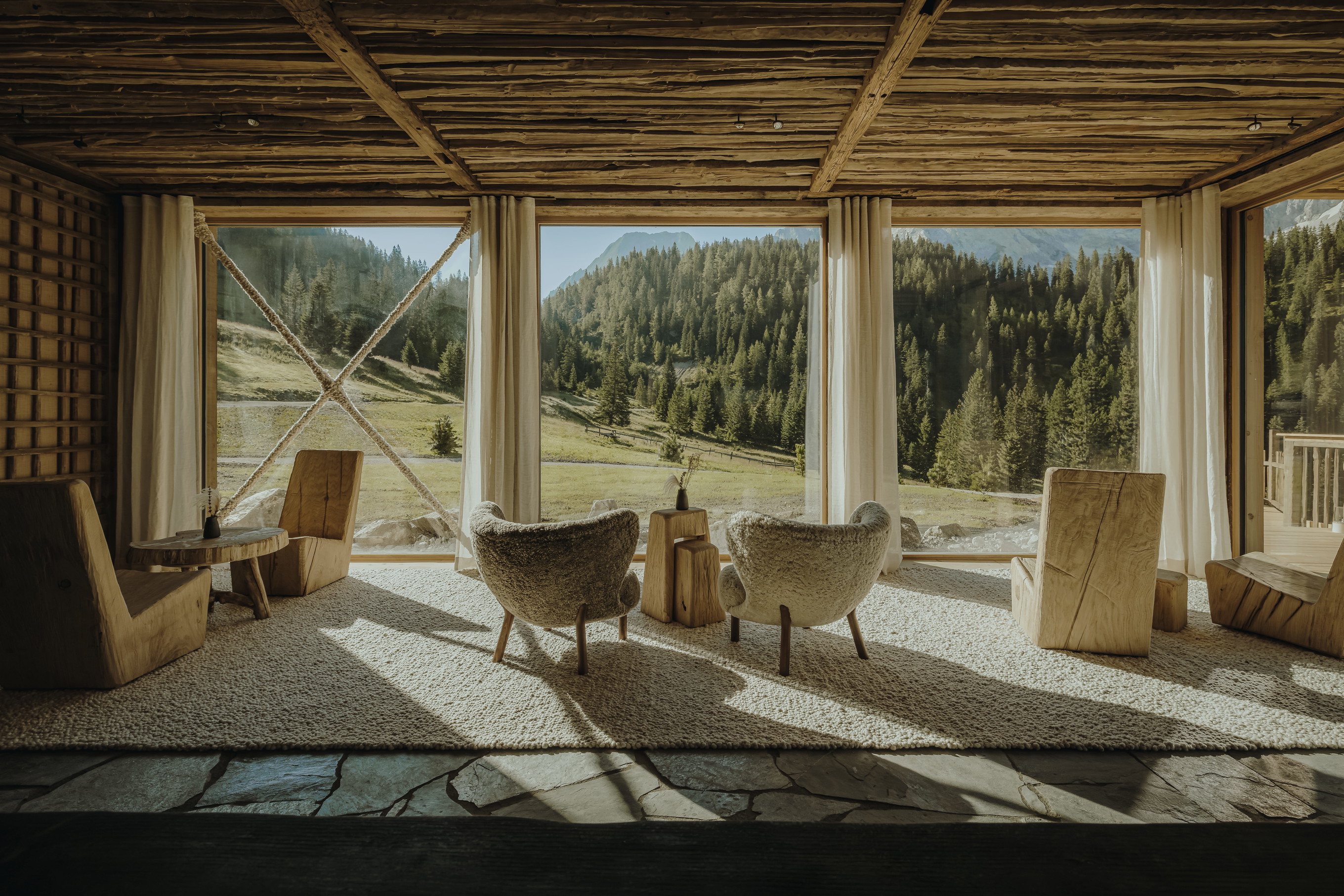
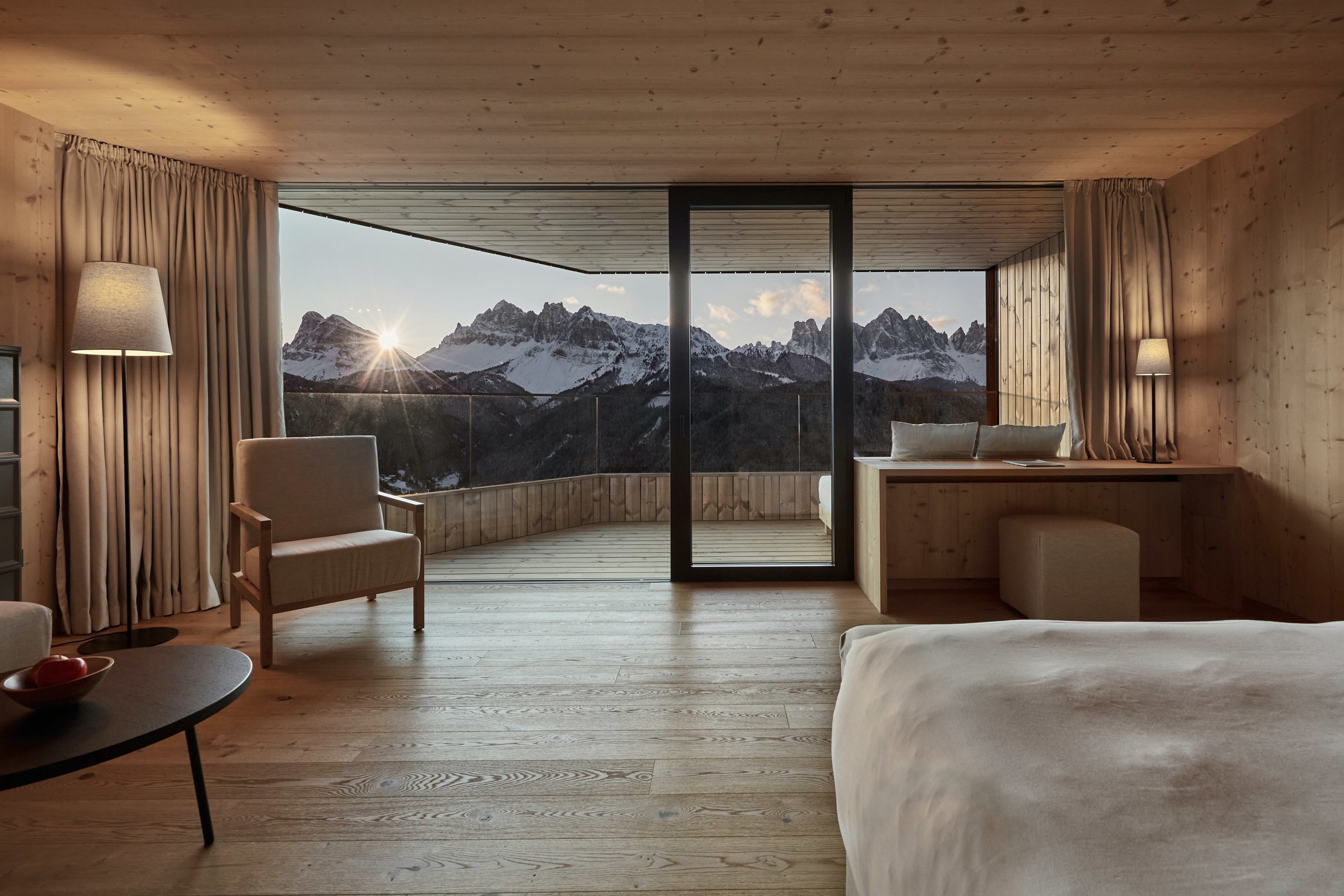
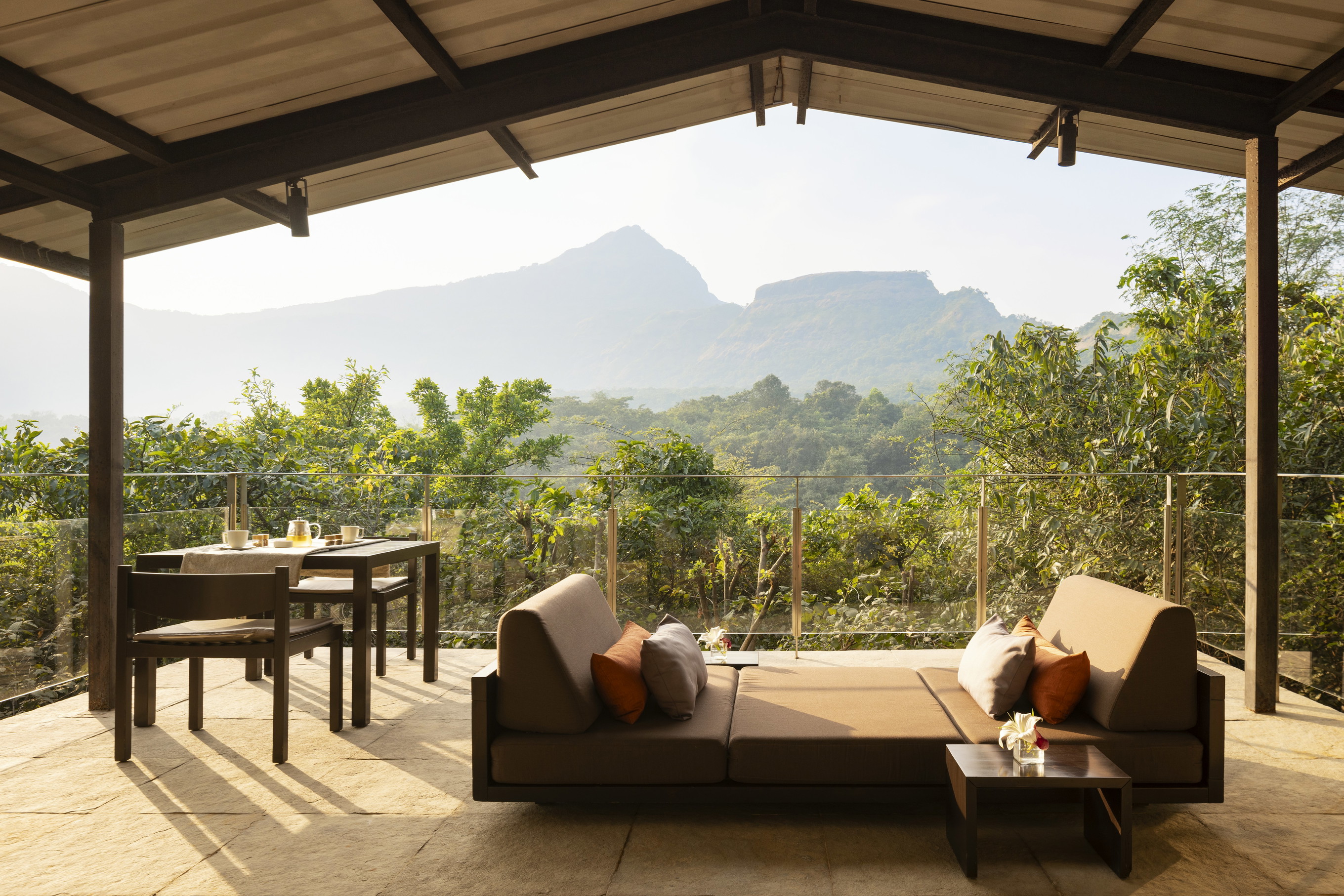
Hotels in this collection cannot just have a spa or a jacuzzi; they need to be truly focused on wellbeing. "Eriro" in Ehrwald, on the Austrian side of the Zugspitze, is a perfect example. You have a small hotel with only nine rooms, and it is focused on relaxation from the moment you arrive. Everything is designed to help you relax, be in nature, and reconnect with yourself. "Forestis" in South Tyrol is another good example. As soon as you arrive there, you feel a sense of relaxation inspired by the forest and the mountains. We have also added many hotels in India. "Dharana at Shillim" in Pune offers a complete program to help you detox and decompress.
Next to wellness, how important is personalization in the guest experience?
Personalization seems to be a bit of a buzzword, but that is what we have been doing for decades. We try to anticipate the needs of our guests. The Italians call it "simpatico" – knowing the guest’s needs before he or she even expresses them. But sometimes less is more. Do you really want that email saying, "Why not have a spa treatment as soon as you arrive"? Sometimes I just want to be left alone. We try not to overdo it.
What are the main USPs of the hotels belonging to SLH?
It is actually "small", "luxury", "hotels" (laughs). They need to have a sense of place, which is important. You do not want a hotel with generic design and decoration that could be anywhere. It has to be independent and independently minded. We love hotels with bold design, amazing architecture, or something totally unique that could not be found anywhere else. Being independently spirited is hugely important.
Which hotelier and hotel from your portfolio are doing that particularly well?
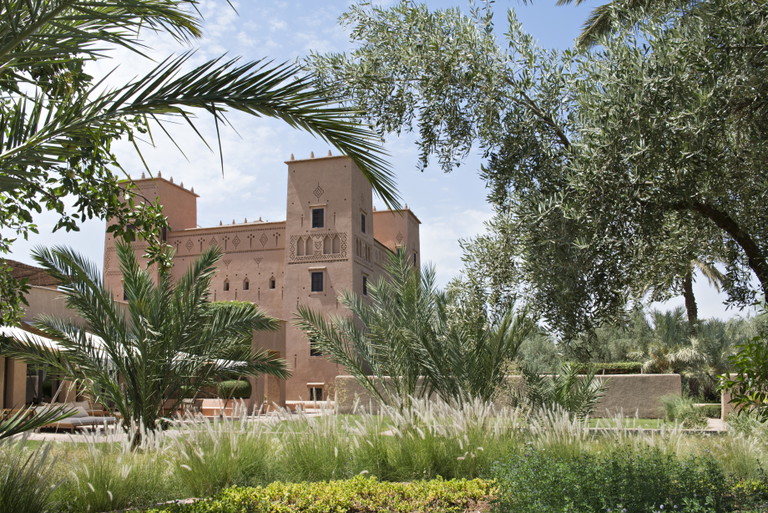
Hotelier Thierry Teyssier with his "Dar Ahlam" in Morocco, just outside Marrakech. There is no check-in, and every dining experience is different depending on your mood. If you want to be alone under the palm trees, they will create a private dining experience for that. Or if you want to join other guests, they will set up a table in the desert or in the oasis.
You have probably visited many of the hotels that are part of the »SLH« collection. Which hotel impressed you most recently?
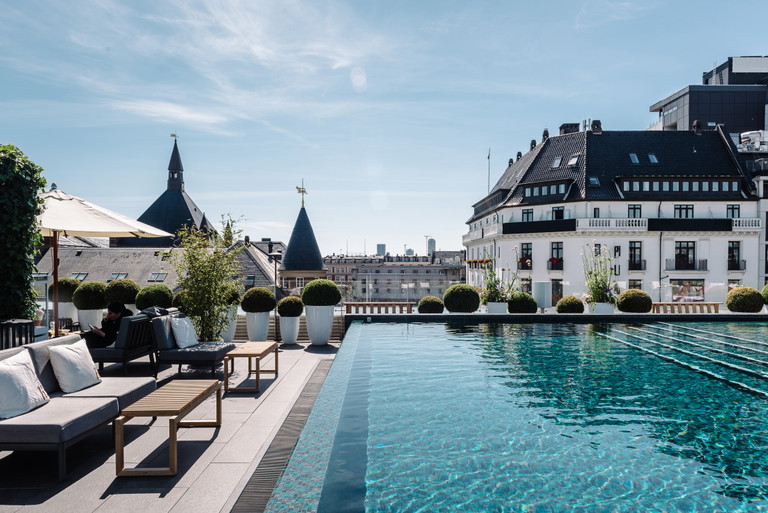
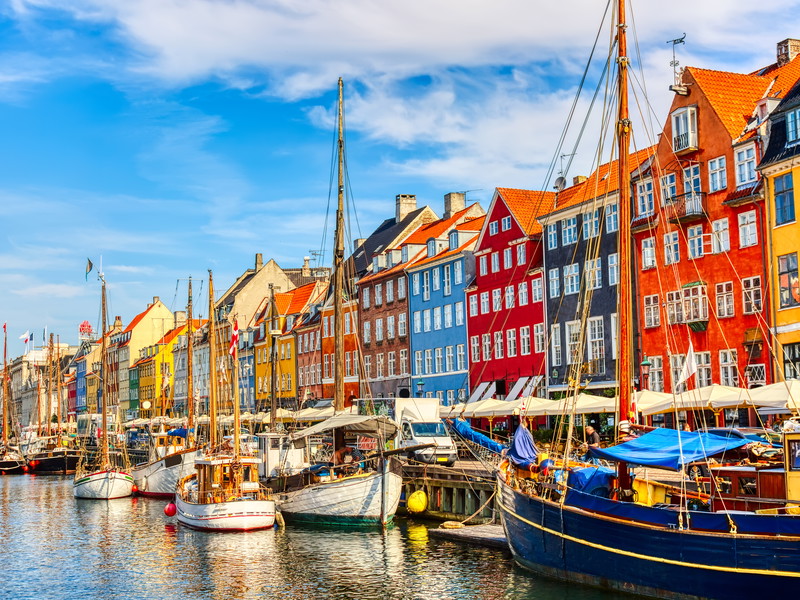
It was the "Nimb Hotel" in Copenhagen, where we recently held a meeting of all our Scandinavian hoteliers. It is right in Tivoli Gardens, so you get a unique Copenhagen experience. But it is also the warmth of the hospitality. They say Denmark is the happiest place in the world. I do not know if that is true, but it is certainly reflected in the hotel. It is a very positive, joyful experience, and it was a great meeting of like-minded hoteliers in an amazing setting.