Skip to content

Marqués de Murrieta

Marqués de Murrieta
Photo provided

Hard to find and incredibly exciting: Rioja shows its white side

Rioja
White Wine
Spain

Anyone who has only known Rioja as a region for red wine has been missing out. White wines and sparkling wines have long been on the rise in the region – and the best of them are hard to come by.

Rioja. Well, for many people, that means Tempranillo, barrique, and above all, red wine. Hardly anyone knows that in the 17th century, more white grape varieties were cultivated in the region than red ones. There are several reasons why this perception has changed so fundamentally and why, today, when we think of Rioja, we think first of red wine. At the latest after the phylloxera epidemic at the end of the 19th century, when large parts of the vineyards had to be replanted, the region charted a new course. Under the influence of French négociants, the region consistently focused on barrel-aged red wines. Tempranillo became the flagship variety, aging in wood became its hallmark, and Rioja evolved into what it still stands for today.

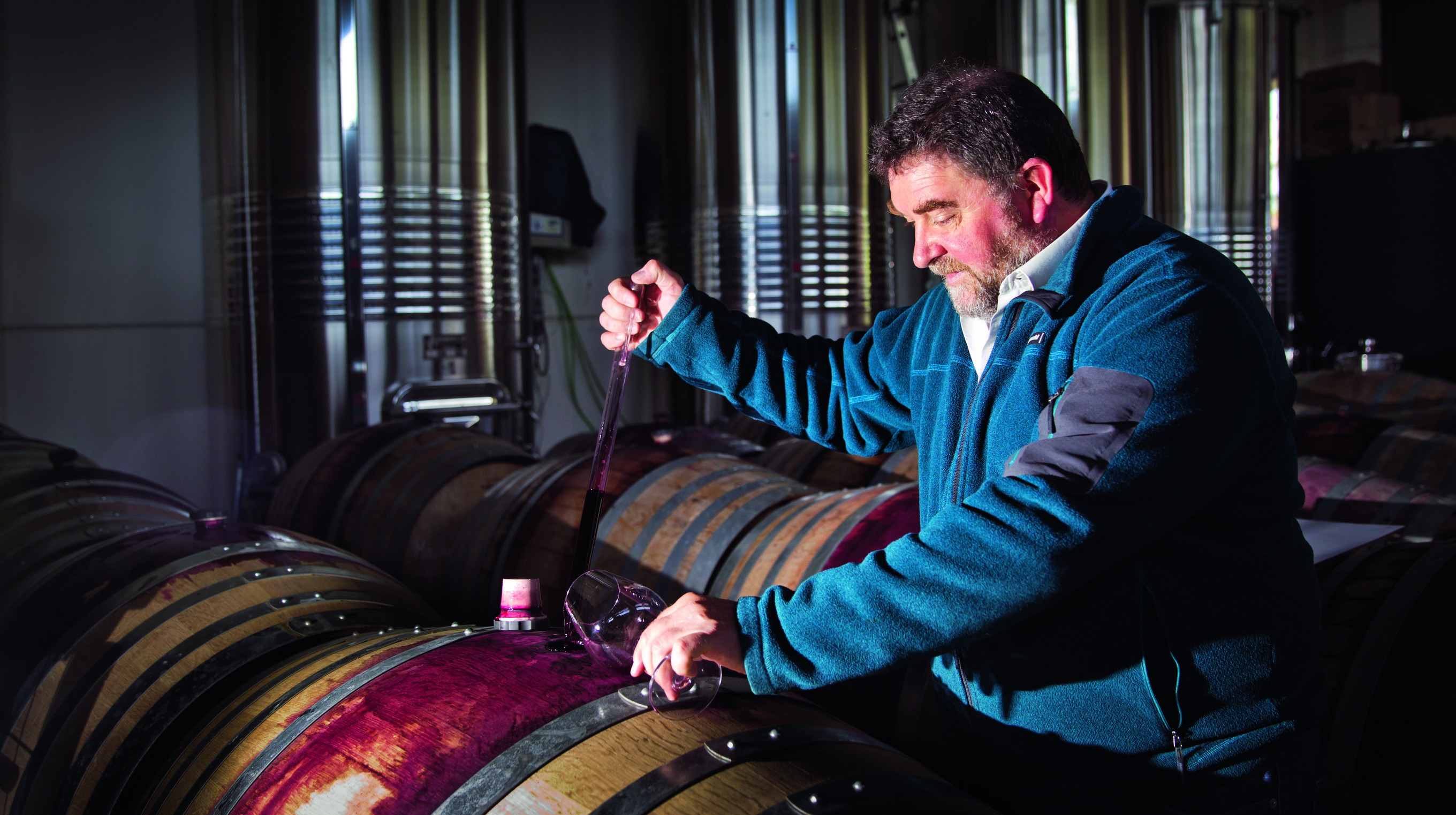
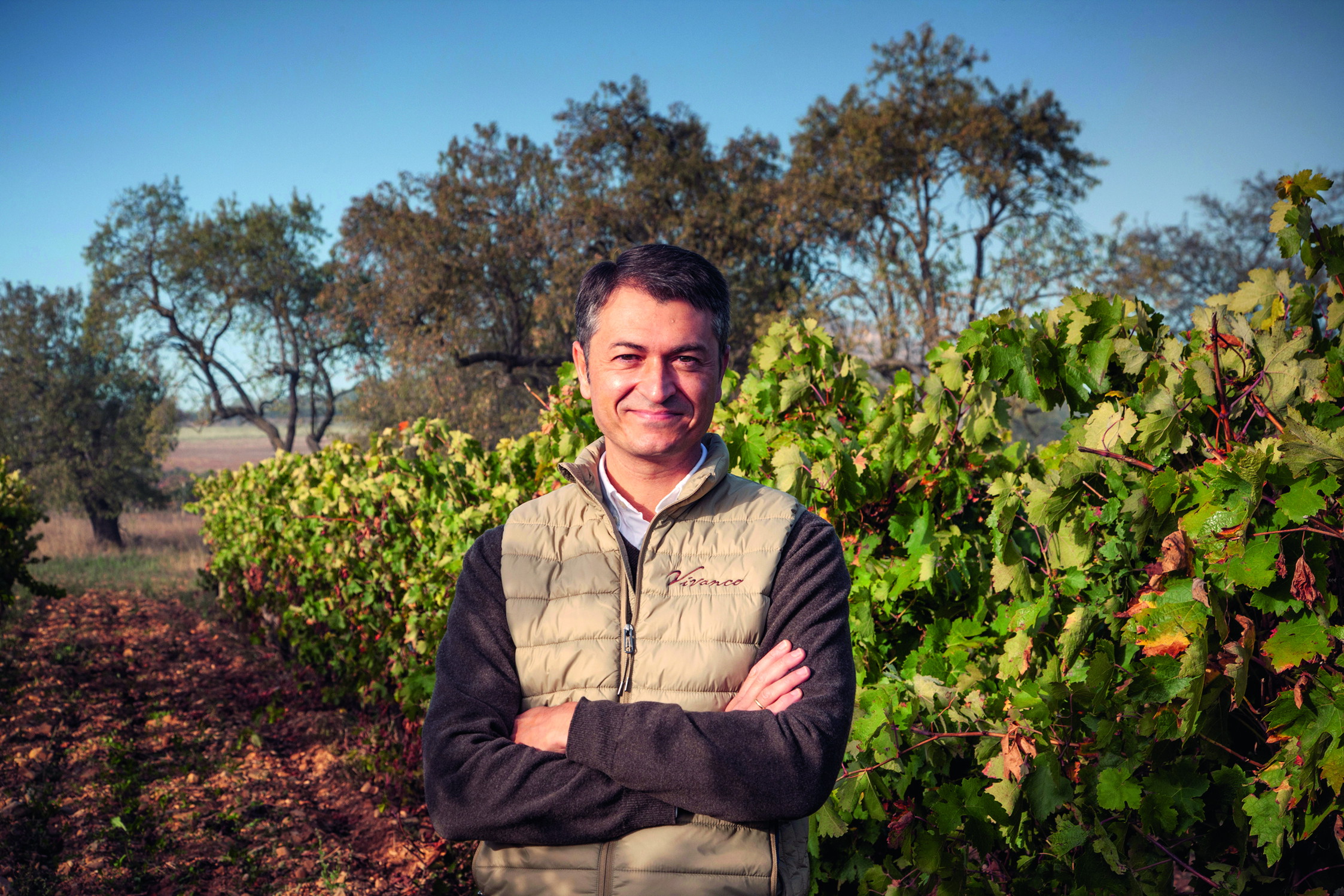
White wines still play virtually no role in this successful model. “When I started in 2001, there were either very simple, fresh white wines or traditional, oxidatively styled ones,” recalls Rafael Vivanco, chief oenologist at the winery that bears his name. “Neither was really perceived as a high-quality category.” Today, things are different. While sales of classic red wines have recently stalled, sales of white wines from Rioja have risen by about 80 percent within a decade. A development that didn't happen overnight.

The White Turnaround

The region had already received a significant boost decades earlier. In 1988, a winemaker near Murillo de Río Leza in Rioja Oriental made an unusual discovery: a Tempranillo vine suddenly bore yellow-green grapes instead of red ones. A natural mutation that later gave rise to the Tempranillo Blanco variety. Juan Carlos Sancha, a professor of oenology at the University of La Rioja, took notice of the discovery. Together with his colleague Fernando Martínez de Toda, he began systematically preserving old and nearly forgotten grape varieties. More than two dozen native varieties from the Rioja region were thus saved from extinction.

While Rioja red wines are stagnating, white wines are writing the region's most exciting new chapter.

Among them is Maturana Blanca, a grape variety with distinctive acidity and remarkable aromatic depth that, in a broad sense, is reminiscent of Riesling. Under the “Ad Libitum” label, Sancha launched the first commercial wines made from these grapes in 2008—the year that changed everything. At that time, the Consejo Regulador officially approved Tempranillo Blanco, Maturana Blanca, and Turruntés de Rioja as white wine varieties alongside Viura, giving winemakers new tools. “These varieties are extremely exciting because they have more acidity and bring a whole new level of vibrancy,” explains Vivanco. He himself harnesses this potential not only with Vivanco's white wines, but also with sparkling wines, which have only been officially permitted in Rioja for a little over ten years.

Vivanco was one of the driving forces behind the introduction of Espumoso de Rioja, and today, with its Cuvée Inédita, it produces one of the region's most distinctive sparkling wines. It is made up of 45 percent Maturana Blanca, 30 percent Tempranillo Blanco, 15 percent Viura, and 10 percent Chardonnay. The wine ages on the lees for 30 months. "This combination isn't possible anywhere else in the world," says Vivanco. "That's why it's called Inédita" – "unpublished" in German.

Against the Current

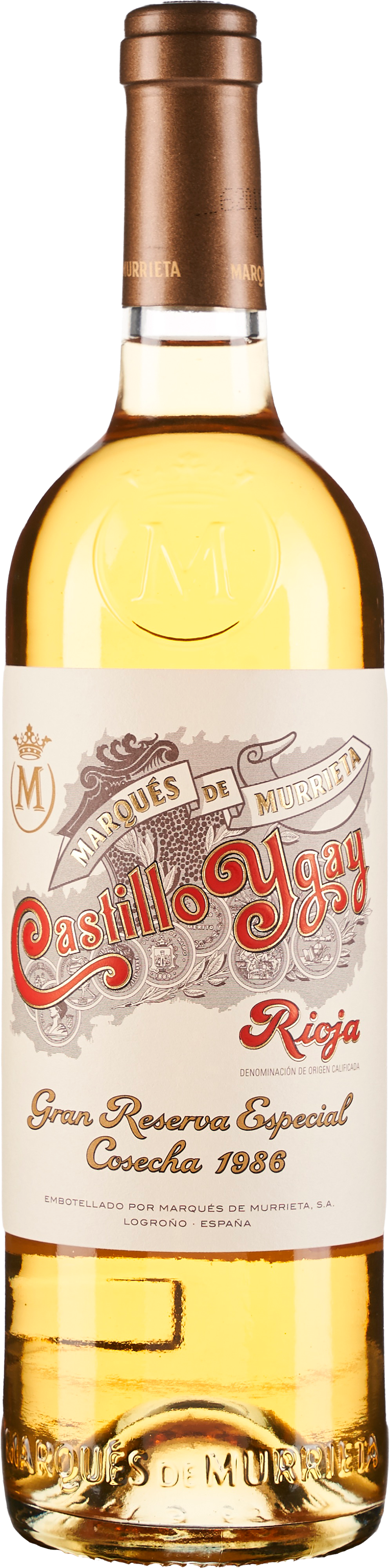
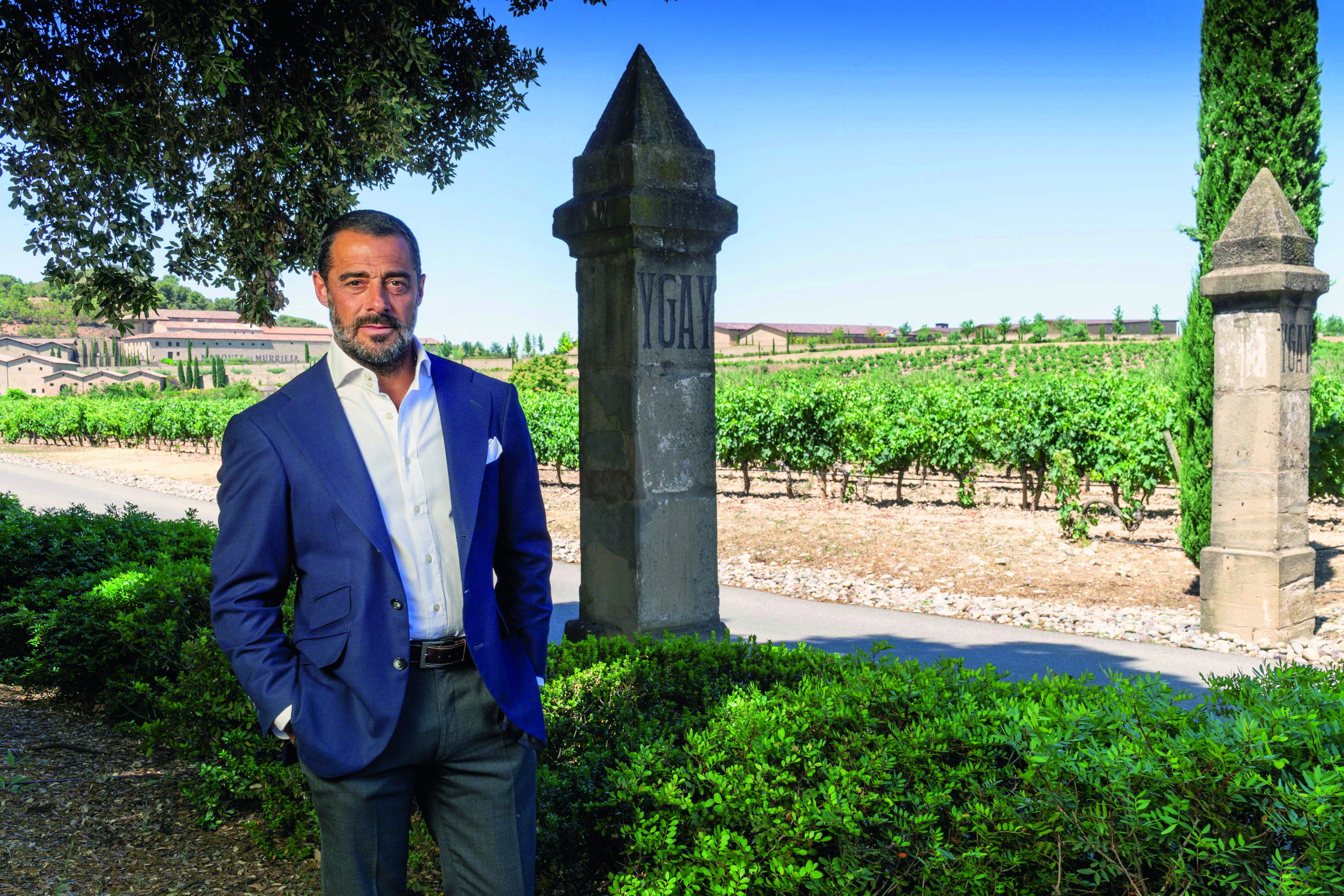
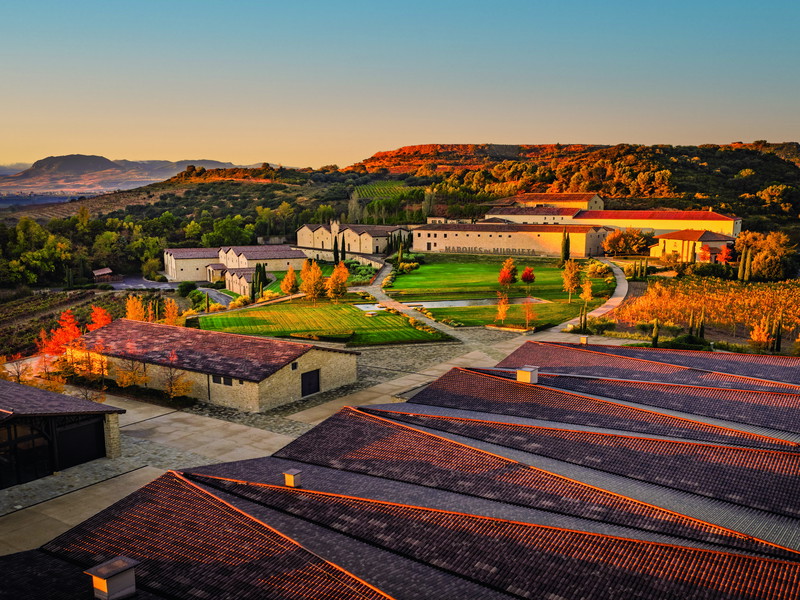
Even though it may not seem that way, some bodegas have always kept white Rioja on their radar. Marqués de Murrieta, for example, created one of the world’s great white wine icons with its Castillo Ygay Blanco. The Viura grapes used to make this wine—which is bottled only in very special vintages—thrive in the Pago Capellanía vineyard, planted in 1945, at an elevation of 485 meters above sea level.

The current vintage, 1986, was aged for more than twenty years in American oak and nearly six more in concrete tanks before it was bottled in 2014. Figures that, in today's fast-paced wine world, you have to read twice. The wine has received numerous top ratings, including 100 Falstaff points. Vicente Dalmau Cebrián-Sagarriga, head of the estate, says: “We have never viewed wine as a response to trends, but rather as an expression of identity, time, and uncompromising standards.”

On the nose, notes of Fiorentina, buttery, apple, roasted and fresh. Also orange zest and kumquat. A little saffron. Beautifully melting on the palate, slightly oxidative, apple,...

TO THE BEST OF WHITE RIOJA

The same applies to López de Heredia. While many wineries neglected white wine or modernized their approach, this one remained steadfast in its own style: long barrel aging, oxidative notes, and an almost archaic approach to winemaking. Wines such as the Viña Tondonia Blanco Gran Reserva are not released until the winery deems them ready to drink. What was long considered eccentric has long since become a cult favorite, a fact that is also reflected in the availability of these wines. Just ten years ago, these wines were relatively inexpensive. Today, they are rare and highly sought after, and prices have more than tripled.

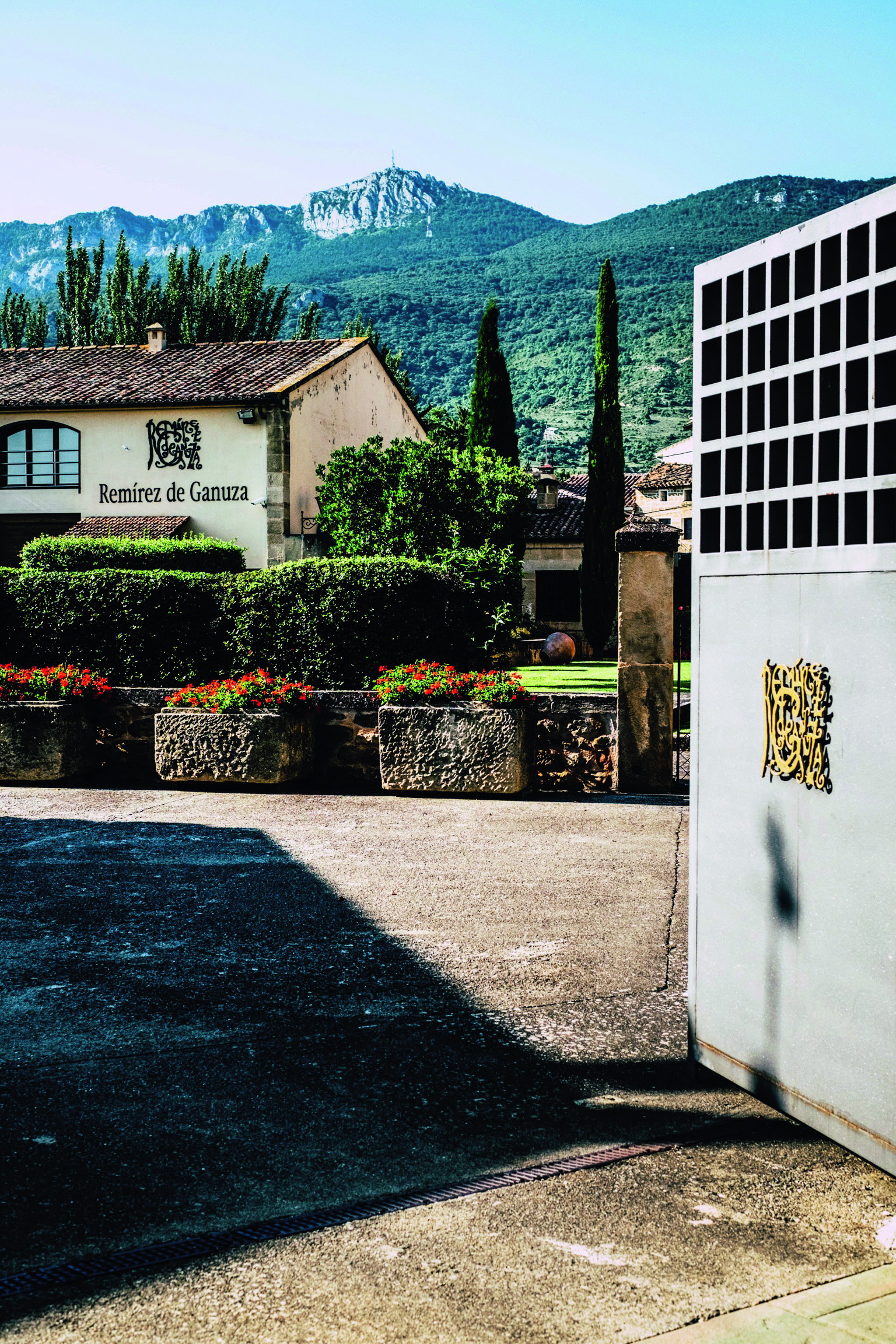
The Olagar Gran Reserva Blanco from Remírez de Ganuza has also long been hard to come by. In 2007, cellar master José Ramón Urtasun began vinifying the Viura grapes from the plot of the same name— located at an elevation of 620 meters on the slopes of the Sierra Cantabria—separately, convinced that this would result in something special. He turned out to be right. Today, this wine—which was first officially released in 2013—is considered one of the most exciting white wines that Rioja—indeed, all of Spain—has to offer. The nearly 3,000 bottles produced each year are nowhere near enough to meet demand.

“Viura isn’t a particularly expressive variety, but when everything comes together—the terroir, the age of the vines, the oak—it becomes very precise and elegant.” In the case of the Olagar, this means, among other things, aging in 100 percent new French oak and eight years of maturation before it is released. International critics often compare it to great white Burgundies. Urtasun takes it in stride: “I understand why people say that.” But Olagar is Olagar. Viura is Viura. "That's Rioja."

White varieties still account for just under 10 percent of Rioja's vineyard area, but attitudes are changing. "Many people are currently considering uprooting red varieties and planting white ones," says Urtasun. If you haven't had white Rioja on your radar yet, you should change that right away, because the best bottles sell out fast.


Dominik Vombach
Dominik Vombach
Chefredaktion Schweiz
Find out more
1 / 12