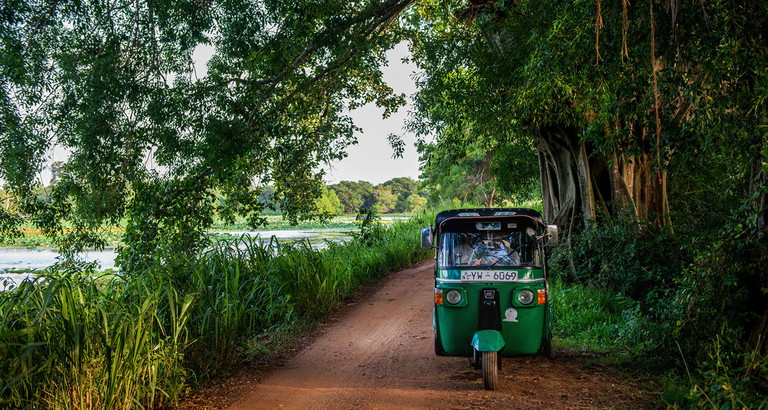
Ein Land wie aus dem Sagenbuch für Weltenbummler: Sri Lanka trumpft mit üppiger Vegetation auf, mit Tropenwald and Reisfeldern, mit romantischen Lagunen und tiefgrünen Teeplantagen. Dazwischen verstreut finden sich viele historische Zeitzeugen: Buddhistische und hinduistische Tempelanlagen as well as antike Monumente erzählen vom kulturellen Reichtum und der einmaligen Geschichte der Insel. All dies erschließt sich dem geneigten Besucher bereits rasch nach seiner Ankunft. Wer möchte, wird schnell mit der kolonialen Vergangenheit von „Ceylon“ (wie Sri Lanka bis 1972 hieß) konfrontiert, die heute durchaus pittoresk daherkommen kann – in Form von wunderschönen Hotels, die von der Hauptstadt Colombo bis in den ehemaligen englischen Luftkurort Nuwara Eliya reichen.
Sri Lanka, das merkt jeder Erstbesucher schnell, hat mehr zu bieten als palmengesäumte Strände oder Ayurveda. Es ist vor allem ein betörendes Naturparadies, dem man sich nicht entziehen kann. Deshalb gehören Ausflüge in den bekannten Yala Nationalpark am südlichsten Zipfel der Insel mittlerweile zum Standardprogramm für Rundreisende. Hier, in der steppenartigen Savanne, erwartet einen eine der dichtesten Leopardenpopulationen weltweit. Viele Lodges, die rund um den Nationalpark angelegt sind, bieten mehrmals täglich Game Drives an, um die (meist schlafenden) Katzen zu bestaunen – oder um im Nationalpark Wasserbüffel, Bären, Wildschweine und Elefanten zu sehen. Auch Flughunde, die faul in den Bäumen hängen, gehören zu den immer beliebteren Attraktionen in den insgesamt 14 Nationalparks der etwas mehr als 20 Millionen Einwohner zählenden Inselnation. Das Bewusstsein für ihre Umwelt ist den Sri Lankern schmerzlich vermittelt worden: Seit dem Tsunami von 2004, der drastische Spuren hinterlassen hat, achtet man sehr sorgfältig auf die Natur.
Nachhaltige Konzepte, Slow Tourism und die (inter-)aktive Bewahrung der Naturschätze liegen im Trend und werden gefördert. Dementsprechend werden Vogelbeobachtungen immer öfter angeboten. Die Nachfrage ist noch überschaubar, aber das dürfte sich bald ändern. Wer einmal einen Game Drive im Yala-Park zugunsten des benachbarten Birdwatching im Nationalpark Bundala eingetauscht hat, kann sich der Faszination kaum mehr entziehen. Pünktlich um fünf Uhr morgens fährt man hier mit einem Jeep durch das unscheinbare Tor des Parks, um rechtzeitig zum Sonnenaufgang an einer der zahlreichen Wasserstellen zu sein. Dort erwarten einen Störche, Kormorane und Ibisse, die mal übermütig durch das Wasser stampfen, sich auf Ästen, Elefanten oder Sumpfkrokodilen ausruhen oder wie eine Dampflok übers Gewässer pfeifen – so wie die Pelikane. Dieses Schauspiel per se wäre schon eine Reise wert, könnte man nicht am Weg dorthin, unweit des Eingangs, bereits die ersten Fischadler sichten, eine der vielen Adlerarten, die Sri Lanka ihr Zuhause nennen, oder den eitlen Pfauen beim Trocknen ihrer langen Schwanzfedern zusehen. Diese majestätischen Tiere lieben Baumwipfel und präsentieren ihre Pracht nur allzu gerne den vorbeilaufenden Passanten. Spätestens bei ihrem Anblick ist man für immer verzaubert.
Travel with added value
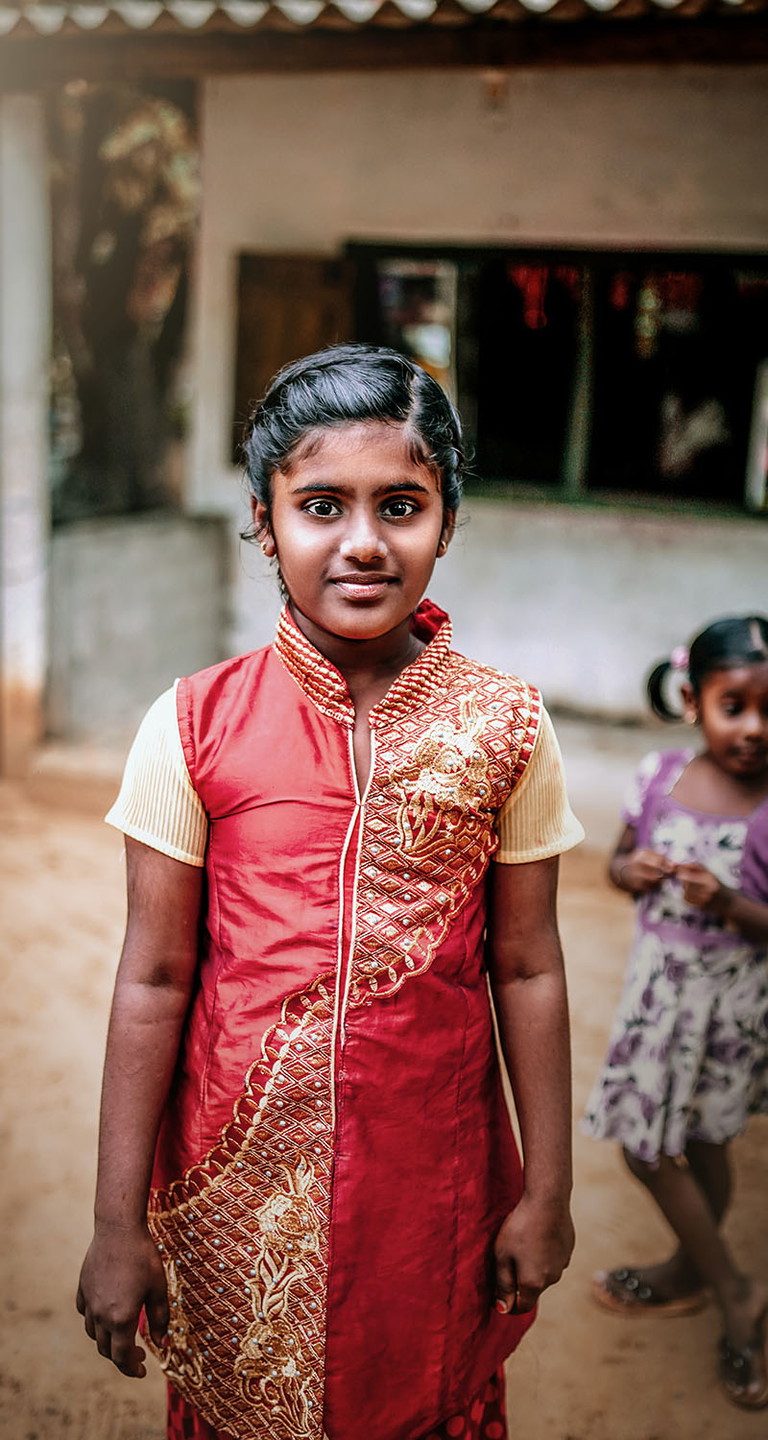
Insgesamt sind in Sri Lanka 439 Vogelspezies gelistet, von denen 33 Arten (und weitere 68 Unterarten) endemisch sind, also nur hier vorkommen – und dementsprechend das Herz begeisterter Vogelbeobachter höherschlagen lassen. Aber nicht nur versierte Kenner erfreuen sich daran, sondern auch Laien, die erstmalig diesem in der angloamerikanischen Welt weitverbreiteten Hobby frönen. Es ist eine andere, entschleunigte Weise, ein Land kennenzulernen, wenn man sich per Rad oder Kanu, ausgerüstet mit einem Fernglas sowie einem Artenbuch und begleitet von einem Ranger, auf den Weg macht. Diese Art der Tierbeobachtung ist aber auch besonders nachhaltig, lässt sie doch viel Platz für den Schutz des einmaligen Naturraums und die Pflege der Artenvielfalt. Und das ist wahrscheinlich der größte Schatz dieser Insel: ihre Artenvielfalt. Nicht nur die Einheimischen sind ein kunterbuntes Kaleidoskop an Ethnien, sondern auch die Fauna und Flora Sri Lankas ist ein Biodiversitäts-Hotspot – einmalig für Asien. Man muss allerdings nicht auf einer einzigen Reise alles erkunden, sondern kann sich langsam vortasten. Von Heiligtum zu Heiligtum, von Nationalpark zu Nationalpark. Ganz nach dem Motto: Kleiner Vogel, großes Glück.
Best of Hotels
Amanwella
The most magnificent bay of the island is here exclusively at the feet of hotel guests
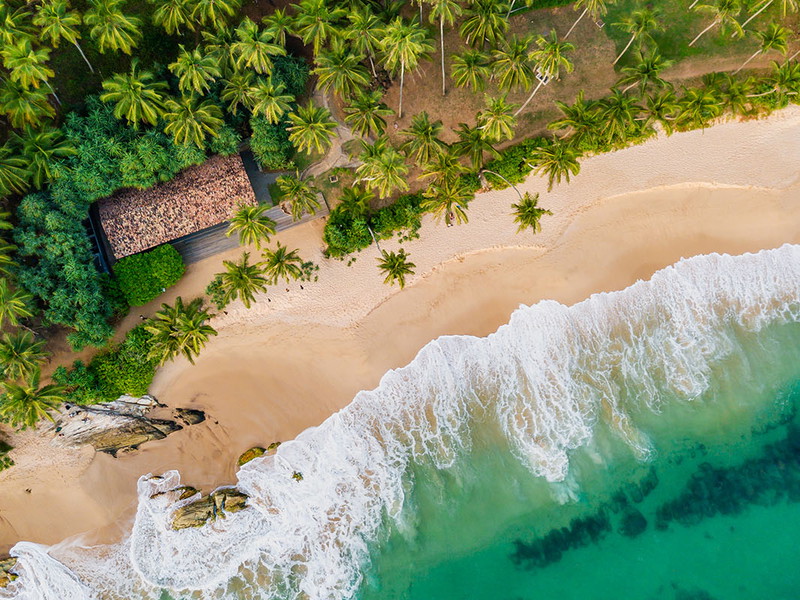
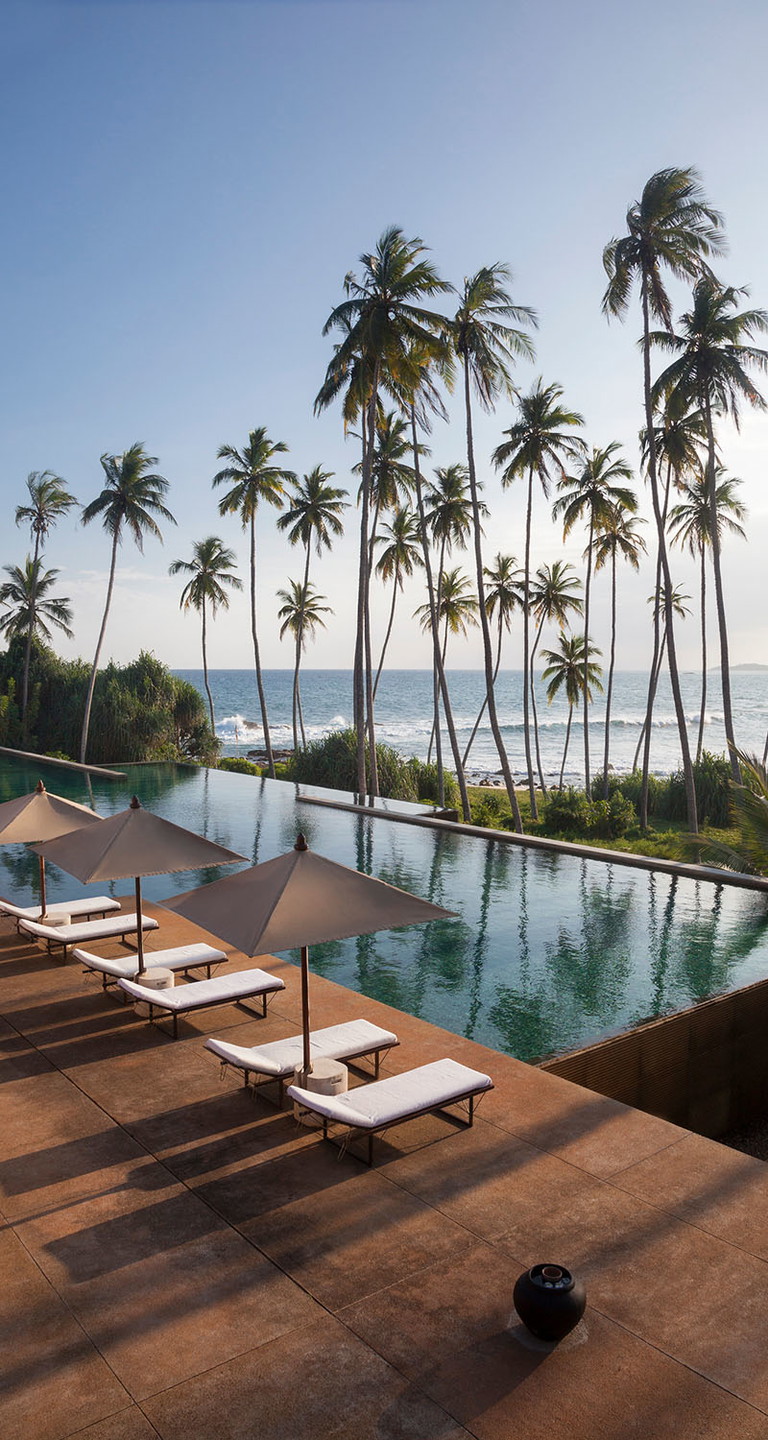
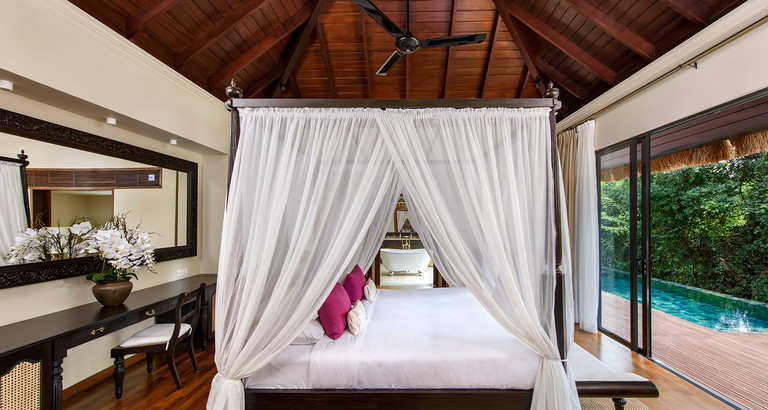
This is exactly how the inclined traveler imagines Sri Lanka: a golden sandy beach nestled against crystal clear water and lined with tall, storm-tossed coconut palms. Unfortunately, this ideal image is hardly found on the island anymore - except here in the south near Tangalle, where tourism is still gentle and very exclusive. The resort "Amanwella" is located at the edge of the probably most beautiful bay of Sri Lanka and knows how to score with even more superlatives: Every suite has its own plunge pool, every terrace faces the sea. Guests who stay longer than four nights can enjoy a foot massage directly on the beach with a glass of champagne. Of course, the treatments are Ayurvedically inspired, combining the best of the Western and Eastern worlds. But that's just one of the many amenities you'll be pampered with here. In fact, at every turn you experience incredible attentions and attentions that are unique in their kind! Suite from € 650,- per night.
Amanwella*****, aman.com/resorts/amanwella
Boddhi Mawatha, Wella Wathuara, Godellawela, Tangalle, Sri Lanka
T: +94 47 224 1333