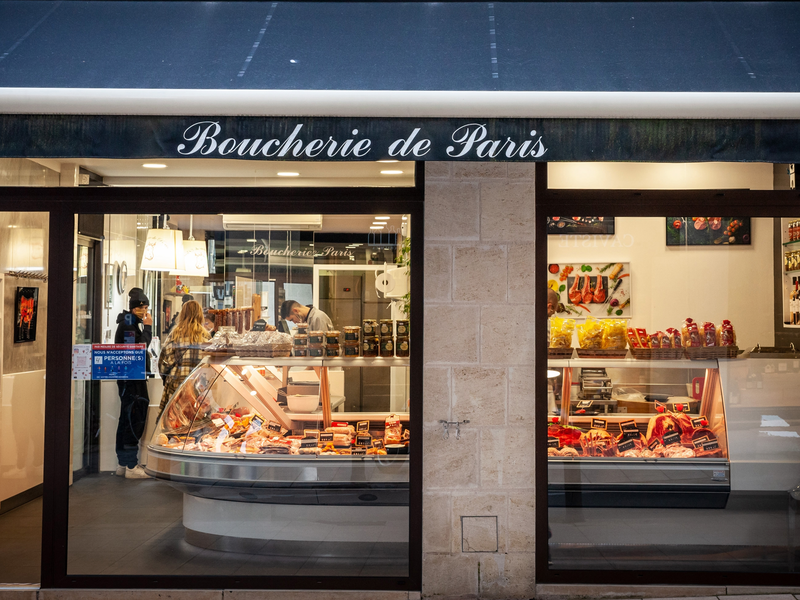
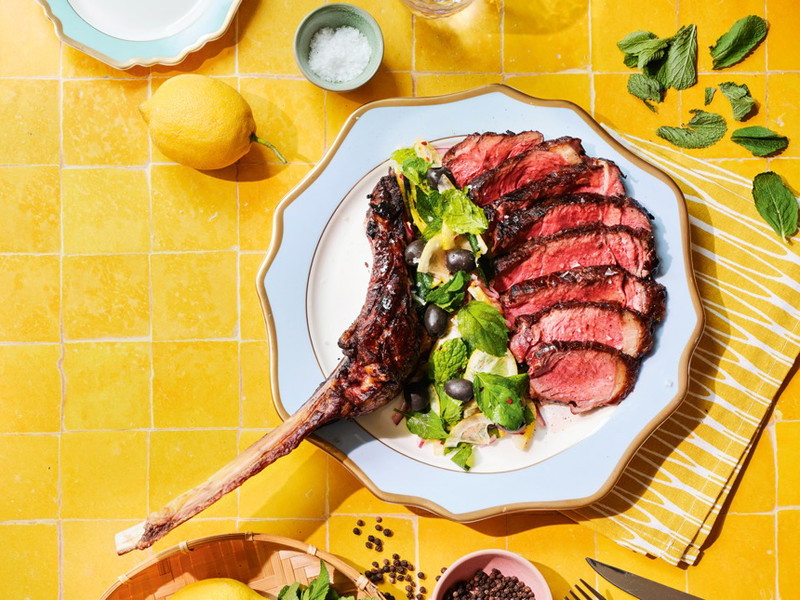
France is synonymous with culinary indulgence: succulent côte de boeuf, rustic terrines, and time-honored charcuterie. Yet the government is now striking a different tone. In its newly unveiled national strategy on food and climate, Paris calls for a shift away from meat and processed meats, urging citizens to make more room on their plates for fruits, vegetables, legumes, nuts, and wholegrain food products.
The rationale is clear. In 2024, per capita meat consumption in France reached 85 kilograms—significantly higher than Germany’s 53.2 kilograms. Government data suggest the repercussions go well beyond public health, directly affecting the climate. Agriculture accounts for roughly 20 percent of France’s total carbon footprint, with livestock production responsible for 61 percent of those emissions.
Reduction or Restriction?
Similar recommendations have emerged elsewhere in Europe. Since 2024, the German Nutrition Society (DGE) has advised limiting meat and processed meat consumption to no more than 300 grams per week. In France, however, even proposing such limits strikes at the heart of a deeply rooted culinary tradition. Behind closed doors, the Ministries of Agriculture and Environment reportedly sparred over how strongly to phrase the message. As the radio network France Info reports, the strategy’s release was postponed several times amid disagreements over its wording. Instead of using the terms "reduction" or "restriction," the government ultimately speaks of a "balanced meat consumption"—a compromise that, however, sparks the anger of environmental activists.
Language aside, the path forward remains complex. For those seeking vegetarian or vegan options in France, daily life can still present challenges. In many cafeterias, the plat du jour is typically meat-based, and meat-free alternatives often spark debate. While vegetables are readily available, they are frequently relegated to side dishes rather than taking center stage. In a country where culinary tradition is deeply intertwined with identity, redefining the role of meat is proving to be as much a cultural negotiation as a nutritional one.