Skip to content

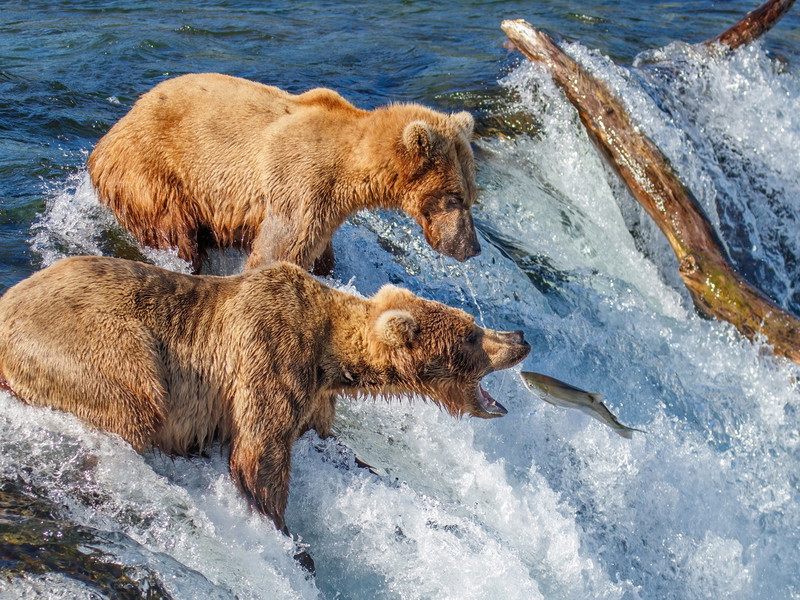
Every fall, millions of salmon migrate up the river, grizzlies and black bears come to feast.

Every fall, millions of salmon migrate up the river, grizzlies and black bears come to feast.
© Shutterstock

The salmon migration in Canada

Kanada
Natur
Lachs

Fog lies over the fjord of Knight Inlet, the mountains towering into the sky like ancient sentinels. The water shimmers silvery, sea eagles circle, seagulls screech - and suddenly they appear: the grizzlies.

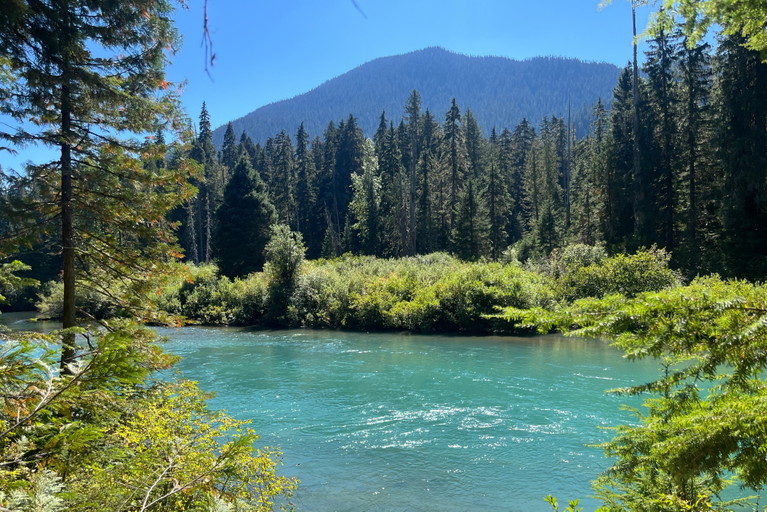
It's a spectacle as old as the coastal mountains of British Columbia itself, and yet it takes your breath away every fall. From August to mid-October the salmon return from the Pacific to the rivers to spawn. They transform the quiet wilderness into a stage full of movement, colors and sounds. The rivers bubble with life, an ancient spectacle that revitalizes the coast year after year. Millions of salmon, especially pink salmon, fight their way upstream. And on the shore stand the true rulers of this scenery: the bears. Every step of the grizzlies on the damp riverbank, every snort makes the wilderness palpable.

Those who experience this moment feel the power of a cycle that has determined life on the west coast for thousands of years. For the salmon, it is often the last route - for the bears, it is a feast that ensures they can survive the winter.

Ruler on the riverbank

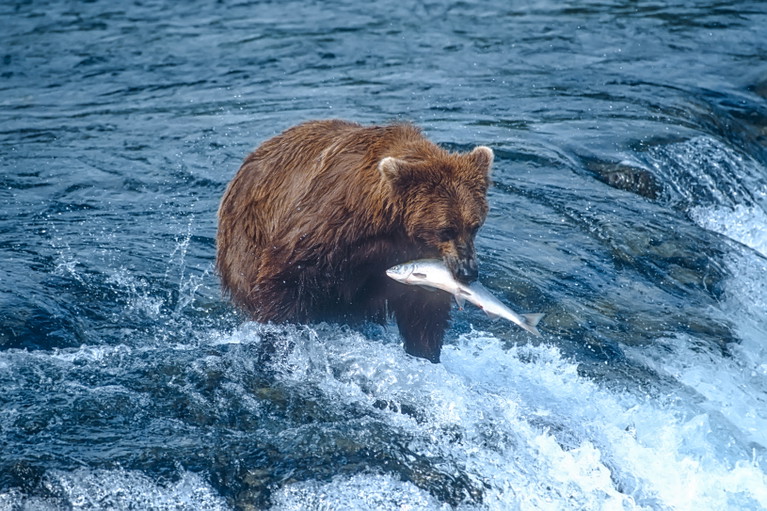
With powerful strokes they pull the shiny fish out of the water, tear them open, eat them and drop the remains in the grass. For the forest, this means food and new life; nutrients from the sea return to the earth.

In the middle of this spectacle lies the floating "Knight Inlet Lodge", only accessible by seaplane, 240 kilometers northwest of Vancouver.

Silence lies over the fjord-like waters, formed by the last ice age. The light dances on the surface of the water, the mountains rise steeply out of the fjord, and the smell of salty air mixes with freshly brewed coffee on the wooden walkways.

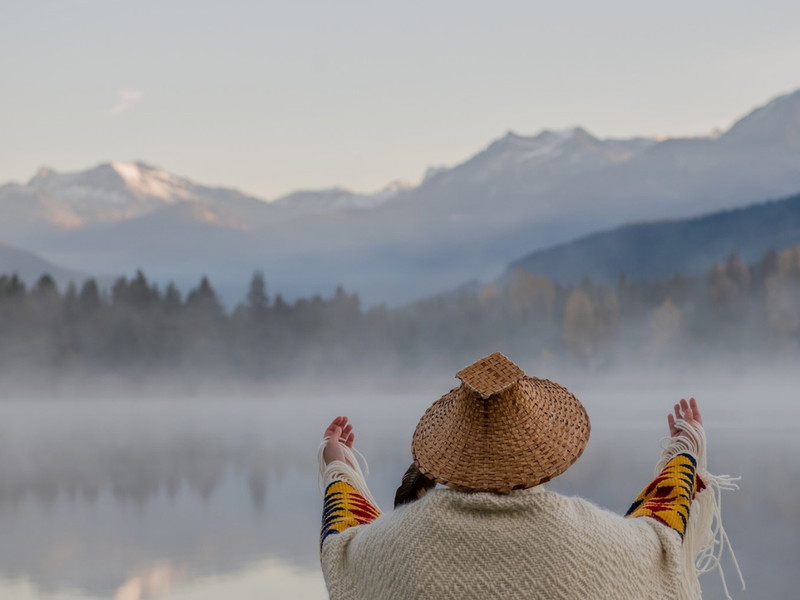
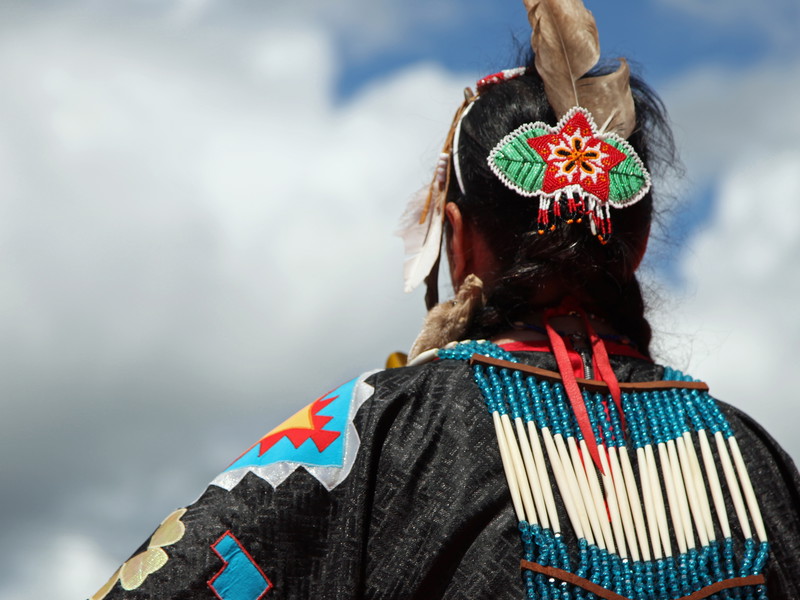
The lodge is owned and operated by several First Nations - a guarantee that visitors will experience nature and at the same time learn about the knowledge and values of the people who have been connected to this land for centuries. Authenticity, respect and sustainability are part of everyday life here.

© Shutterstock

Magical encounters

The guides, often members of indigenous communities themselves, take you to observation platforms above the rivers or in small boats that glide silently through the fjords. The boats only fit six guests plus two guides. The seaplanes from Campbell River only land once a day in a 30-minute time slot - everything is strictly limited to protect nature. It's not just about looking, but about understanding: why the bears are so important, how closely they are linked to the rhythm of the salmon and what stories the coast has been telling for generations.

"It's a magical place, even if you don't see a grizzly," says Jason Drake from the lodge. "But when a bear pulls a salmon out of the river in front of the guests, some of them burst into tears." He himself remembers an encounter that has left its mark on him to this day: a mother bear swam between the boats, came within a few meters of him. "She realized that I wasn't a threat to her, accepted me and just swam on." Still unforgettable today: "I literally looked into the eyes of a 450-kilogram grizzly bear - and didn't feel threatened. We have this space shared."

Such moments are unique, but in the wilderness everything can change from one second to the next.

From trophy to tourism treasure

Over the decades, the lodge has developed a special understanding of animal behavior. The female grizzlies are often only three meters away behind the lodge, especially with their cubs. "They feel safe there - away from the male bears that could kill other cubs. This behavior also allows guests to enjoy unique moments of observation. And the bears watch the people as much as the people watch them," explains Drake.

Just a few years ago, such a sight would have been unthinkable; Grizzlies were the target of expensive trophy hunts. The lodge has made a significant contribution to the ban on hunting in British Columbia today. Drake: "We have shown that a live grizzly brings in over a million dollars in tourism over the course of its lifetime - compared to 14,000 dollars for a hunting license with a guide." A paradigm shift that protects the animals and enables sustainable tourism at the same time.

© Shutterstock

In the realm of the grizzlies

British Columbia is home to around 15,000 grizzly bears, 120,000 to 160,000 black bears and, in a few remote regions, the rare cream-colored kermode bears, also known as "spirit bears", which are considered sacred. The lodge is located in the Great Bear Rainforest, the largest temperate coastal rainforest in the world - historically home to indigenous peoples, ancient dark forests and wild bears, with towering cedars, moss-covered mountains and thundering waterfalls.

Here it is the imposing grizzlies that set the rhythm of the salmon migration. In season, they can consume up to 35 fish per day in order to feed themselves, to build up fat reserves for the winter. In spring and summer, on the other hand, they satisfy their hunger with fresh greenery, sweet berries, mussels, crabs and seaweed on the coast. The indigenous peoples also followed this example; what the bears ate was also considered beneficial to them - berries and herbs in the warm months, the abundant returning salmon in the fall.

Enjoyment after the adventure

After a day full of impressions, a dinner that picks up on the flavors of the region awaits you at the lodge: oysters, freshly caught salmon, vegetables from the valleys, accompanied by a glass of Canadian Pinot Noir. You sit at the long table and share experiences while the stars twinkle over the mountains outside.

The stay is more than just wildlife watching - it is an invitation to understand the connections: how the salmon feed the land, how the bears carry on the cycle, how people have been connected to this nature for centuries. For the First Nations, every salmon, every bear, every tree is part of a grand narrative.

And when you sit on the veranda of the lodge at the end of the day, let your gaze wander over the fjord and perhaps see another bear appear on the shore in the distance, you understand why people from all over the world travel here: not to take home a trophy - but to experience a moment that will be indelibly etched in your memory.

Angelika Ahrens
Angelika Ahrens
Author
Find out more
1 / 12