
Falstaff Restaurantguide 2025: The best Restaurants in Tyrol
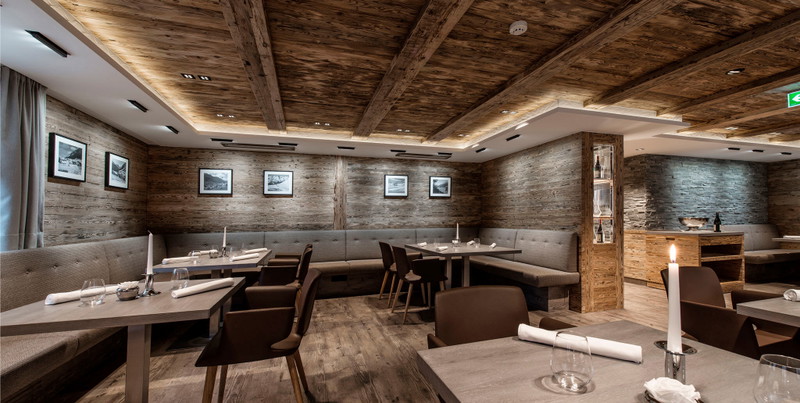
At Stüva, international impulses meet Parth's precise craftsmanship: a gourmet menu full of focused flavors, elegant depth and a cuisine that speaks with its own confident voice.
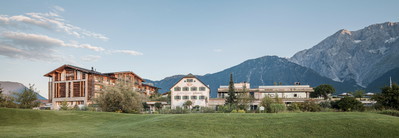
Great gourmet restaurant with the clear signature of Joachim Jaud. He stands for precision, product focus and creative finesse. Signature dish: sturgeon with caviar and vin jaune sauce.
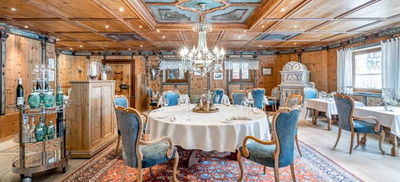
Martin Sieberer combines Tyrolean classics with fine haute cuisine. In the royal surprise menu, he demonstrates his entire tasty range. Exceptional wine selection with over 800 items.
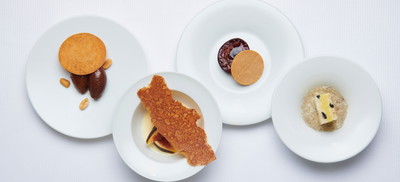
Johannes Nuding can look back on many international careers and has developed his own unique style. He elegantly combines both worlds and also brilliantly implements unusual ideas.
In the exclusive gourmet restaurant Tannenhof, top chef Dennis Ilies spans the arc from alpine origins to creative openness. Unexpected pieces of Tyrolean gray cattle, for example, are a surprise on the menu.
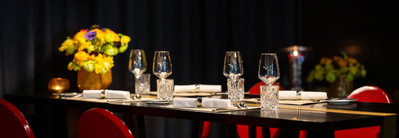
Sophisticated gourmet cuisine with Tyrolean roots and international standards. Unusual multi-course menus, high product quality, great flavors and one of the best wine lists in the country.
Anyone who associates fine dining in the Paznaun Valley exclusively with Ischgl and its many gourmet restaurants needs to fill a gap in their culinary knowledge. Well before Ischgl lies the small village of See, where in 2017 an investor from Bonn built an exclusive chalet hotel high up on the hillside with the lovely name “Bergwiesenglück.” Over time, a restaurant was added—named “Hermanns Kitchen” after the farmer who had once worked the land. And because hotel director Rudolf Schuchter is a well-traveled foodie, wine enthusiast, and hunter, a restaurant serving good Tyrolean cuisine wasn’t enough for him. So he asked his friend Gustav Jantscher—a legendary chef and, more recently, executive chef at “Arlicious” in St. Anton—to set up a small, refined à la carte restaurant in the hotel’s “Jagdstube.” Jantscher brought along his longtime sous chef, René Zangerl—for fifteen years, the two had worked as an inseparable team at establishments such as “Aiola” in Graz, the “Post” in Dalaas, and the “Tannenhof” in St. Anton. Then, in the fall, came the big step out of the shadows—Zangerl took over and, three evenings a week, presents a menu that fuses Tyrolean cuisine with that eccentric style for which the restaurant has been famous for years—a distinctive Far Eastern touch, without cooking Asian cuisine in the strict sense. One of the many bite-sized dishes: bao buns with lamb heart. A lightly smoked pigeon breast with wild broccoli, spruce oil, and a robust jus is followed by black hake, briefly seared and stuffed into gyoza, with oyster, miso, and Nashi pear. Zangerl raises the quail himself—he serves the breast with kimchi and sesame in lemongrass foam. And one has to agree with Schuchter when he says, “Game and Asian flavors work well together!” At least when someone with Zangerl’s flair takes on the owner’s favorite theme. For this course, the local repertoire of flavors is more than enough: roe deer and duck liver, served with pointed cabbage strudel. Game “at its best.” Anyone who might wonder about the sources of some items on the wine list—Schuchter sources a significant portion of his selection from the London market, which is virtually unmatched in its diversity. He serves a Ligurian orange wine made from the rare Pigato grape variety with the salty Gambero Rosso, paired with char caviar. And to accompany the game, a magnificently aged 2006 Cabernet Römigberg from Lageder is poured into the glass. Paznaun has yet another exciting new spot to recommend.
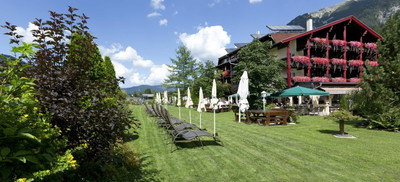
In the Gourmetstüberl, Armin and Alexander Gründler show their signature style: bold, precise, deeply rooted. Regional ingredients are transformed into elegant menus, accompanied by Caroline Gründler's fine wines.
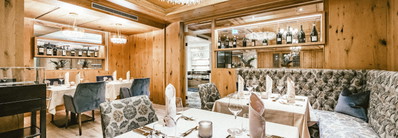
Verena Stattmann cooks as if she were painting the mountains on her plate - clear, sensual, genuine. When Maximilian Steiner pours the right wine, every course becomes unforgettable and enjoyable.
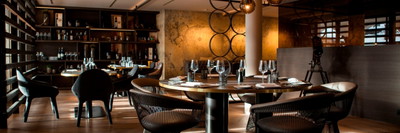
At the Beefclub, everything revolves around fine dining: fine cuts, selected fish and a menu with veal sweetbreads with morels at its heart – created with great flair by Klaus Kneringer and Josef Schöndorfer.
The Gannerhof is an institution as a complete package. The authentic Villgrater farmhouses offer a unique ambience for ambitious cuisine that is deeply rooted in tradition and nature.
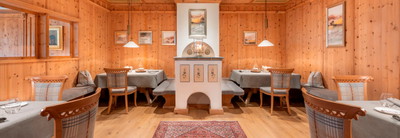
Max Stock always succeeds brilliantly in integrating local accents into creative menus at a high level. In the intimate and cozy parlor, he serves wild-caught zander and Zillertal wagyu, for example.
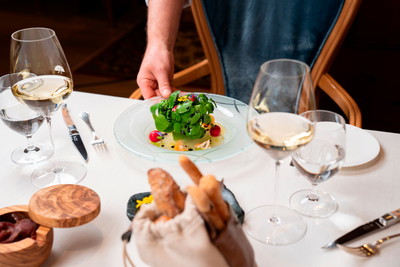
Historic ambience with a modern twist. The cuisine builds a bridge from traditional classics to contemporary elegance. The focus is on regionality - grandma's cuisine, rethought and finely staged.