The Best Restaurants with 2 Falstaff Fork(s) in Germany
At Hotel Indigo Berlin between the East Side Gallery and the Mercedes-Benz Arena. Stylish and bright with a view over historic Berlin and the Spree River. Drinks from the Golden Twenties like a "Shimmy" or from Mexico like a "Titty Twister" with Mezcal - what more do you need?.
The focus is on the product when Wolfgang Becker creates his menu. In up to seven courses, freshness, creativity and indulgence in a purist ambience are convincing. Plus: Chef's Table and cooking courses.
The Wilbrand brothers have been a fixture on the Rhenish gourmet scene for many years. In the pretty restaurant, they create expressive fresh cuisine, also available as a vegetarian menu on request.
Casual fine dining: Now in its third generation of family management, the restaurant sees itself as a modern inn with cosmopolitan "New Lusatian Cuisine". Also: cooking and etiquette courses.
Roberto Carturan's artful interpretation of cucina italiana is less about show effects and more about impeccable product quality and classic simplicity. Purezza to perfection!
A ten-course menu, also available as a vegetarian option, combines regional products with perfect craftsmanship. Good wine list and professional service.
The "Café de Paris" has been the heart of Monaco for 150 years and is a brasserie that attracts stars and locals alike. Chef Victor Marion brings Parisian flair to Mediterranean soil and offers an inviting atmosphere for sweet and savoury dishes.
Enrico Dunkel has been flying the gourmet flag in Braunschweig for many years. His excellent, handcrafted gourmet cuisine is exciting, creative and focuses on good products.
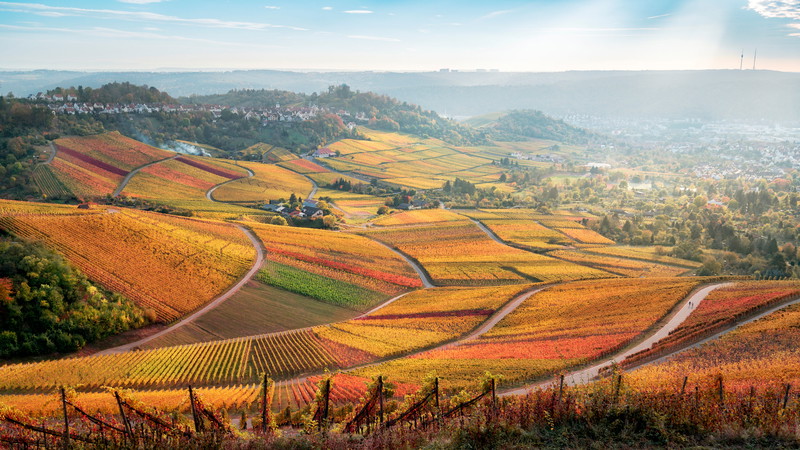
Perhaps the most French cuisine in Stuttgart. Here, with veal head and étouffée pigeon, you quickly feel transported back to the 1980s. The wine selection at the Degerlocher Wirtschaft is also impressive.
French, Mediterranean and regional: this is the basis for the creative dishes on the daily changing menu - from crustacean and fish stew to veal cheek with gnocchi à la Parisienne.
Chic meets casual calm, the "Gastrobar" in the name says it all. At Holly, they pour carefully curated pet nats and natural wines to accompany a seasonal and always successful menu, with highlights like baked camembert with pumpkin miso.
Brasserie classics and hearty seasonal dishes: Chef Christoph Schmah has mastered the entire repertoire. Cooking takes place in the beautifully restored quarry stone building on the Moselle. Menus by the table.
An elegant Art Nouveau ambience provides the setting for the sophisticated dishes that chef Sebastian Messinger serves up using the best produce from near and far. Classically modern.
Selected wines from Italy impress here in Winterhude. In addition to à la carte dishes, there are also changing menus to choose from in the evening. When you enter the restaurant, you immediately feel as if you are travelling to Apulia, the owner's homeland.
From Hamid Heidarzadeh's kitchen come finely spun, imaginative flavor combinations that - as the name promises - are a great pleasure, whether in a three- or five-course menu, whether vegetarian or carnivorous.
You can sense when a chef arrives where his dishes were meant to go: away from foreign concepts and towards a cuisine based on gut feeling, memories and his own accents. This is the case with Nadav Kundel. After years in Berlin's nightlife scene, in his first own restaurant "Saint Farah" he cooks the way he eats, thinks and dreams. Together with his cousin Gil Azrielan, the chef has created a contemporary restaurant. The influence of the places that have shaped him - Tel Aviv, Berlin, a little bit of London - is palpable, but never as a copy. Rather as a condensation: the triple-fried fries in sambal butter sauce are simply delicious. The mezze set a clear, modern tone: mini cucumbers in parmesan miso caesar with citrus and chili seed crumble. A lightly fermented kohlrabi with hazelnut milk vinaigrette, a vegan mushroom paté with umami waves. Particularly successful. "Farah's grilled chard" - a contemporary variation on a dish from his grandmother with minced lamb in a chard leaf, grilled like bun cha and served with beet ketchup. The power of Saint Farah lies precisely in this interplay of memory and the present. The main courses - from mussels on pita bread and in a dense stock of rice wine, butter, bacon and chili crisp to mushrooms in ajo blanco sauce with sumac - also bear this signature: warm, modern, self-confident. Saint Farah is not another Levante copy with a grandmother's legend, but the first truly original chapter of a chef who has long worked for others. Now that he is true to himself, everything seems natural.
It's always a sensation to sit on Maximilianstrasse and crisp up Franz-Josef Unterlechner's delicious schnitzel. And because you're in Munich, you drink a glass of champagne with it.
Hans Stefan Steinheuer has made his mark on the German gourmet scene. However, the master chef also stands for first-class, down-to-earth cuisine whose sophistication lies in its simplicity.
In Berlin-Lichterfelde, "The Knast" has found its home in a former women's prison. Head chef Michael Zscharschuch brings his experience from renowned establishments such as Schloss Elmau and the "4Eck" restaurant in Garmisch-Partenkirchen to the table. His cuisine combines classic French techniques with modern Asian influences and creates surprising, precisely composed worlds of flavor. It starts with an amuse of celery cream, amaranth and pickled plum - creamy, crunchy, fruity. And this play with textures runs through all the dishes: a beef tartare is given unusual depth by chili and salted blackberries. The pickled char appears fresh, melting delicately in the mouth, supported by wasabi mayo and bright green parsley oil. Even a strong beef essence is not classically nostalgic, but surprisingly playful - accompanied by a hearty meat praline. The big surprise of the menu is the playful corn composition with polenta, popcorn, sweet cream and a sorrel sorbet, which adds a wonderful freshness between all the notes. The main course is then hearty: Werdenfelser venison from Bavaria, cooked sous-vide and deep-fried in a crispy crust of sesame and shake bread, meets parsley root in three textures - as a chip, cream and essence - as well as pickled sea buckthorn berries. For dessert: a herb granité with yoghurt-raspberry ice cream and puffed white chocolate, accompanied by a glass of Madeira. The crowning glory is the deceptively real porcini mushroom made from ganache refined with porcini mushroom essence.
Nelson Müller has found a new stage as a host: Diepeschrather Mühle is a lavishly renovated gem in the middle of the forest between Cologne and Bergisch Gladbach. Here, Müller runs a chic boutique hotel, a brasserie and his gourmet restaurant, which has relocated from Essen. The "Schote", which has been awarded one star for 14 years, has been significantly upgraded with a stylish ambience. Müller has also stepped up his culinary game with refined compositions - while remaining true to his style. 46-year-old Müller cooks classically with contemporary accents. Top products, precise craftsmanship and harmonious combinations of flavors characterize his tasty dishes. Guests experience Nelson Müller in the open kitchen and are delighted when he himself comes to the table to serve. But even without him, the service is impeccable. The salmon trout from his own pond is particularly impressive and has the makings of a signature dish: marinated salmon trout with smoked mousse and Prunier caviar, flanked by a slightly tempered piece of smoked salmon trout in an apple and gin broth, complemented by an aromatic tartare. Kohlrabi wonton and melting beurre blanc ice cream add exciting acid accents. The Maultaschen filled with veal cheeks and veal tail in wedding soup and a cream made from nettles and wild herbs from the estate pay homage to Müller's Swabian homeland. Another highlight is the combination of glazed scallops and firm sole with spinach, surrounded by foamy sea urchin bisque in a wreath of wild Polish cauliflower.