Skip to content
© lookphotos / Jorda, Christoph

Energy Spot Merano: Your Spa Life Reloaded

Destinations
Experiences
Culture

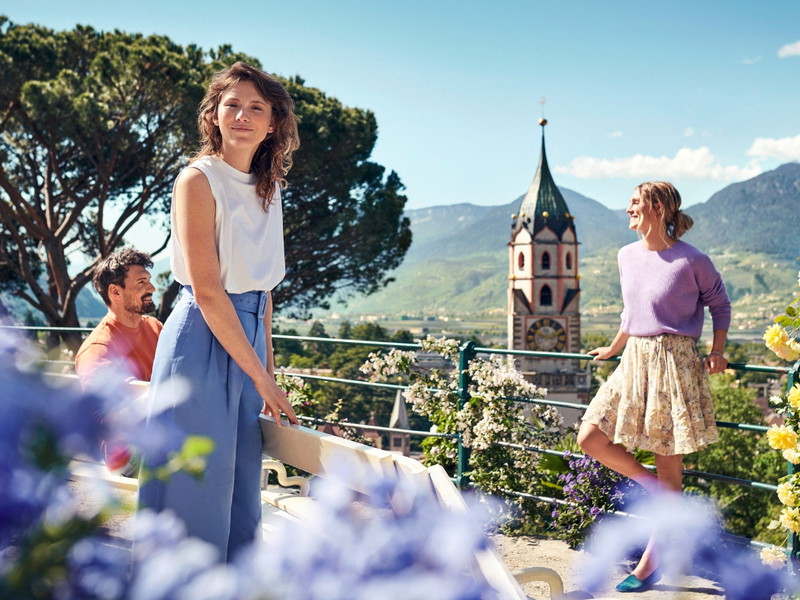
Spa life reloaded: Merano takes pride in its past as a favorite spa retreat for the aristocracy. Today, however, something else takes center stage: its prime location on the southern side of the Alps at the crossroads of two pleasure-loving cultures, its design, culinary artistry, and a highly refined hospitality.

IDM South Tyrol-Alto Adige/Alex Filz

It rushes, gurgles, bubbles, and ripples. Once feared for its unpredictable surges that often swelled into devastating floods, the Passer River still remains a fast-flowing mountain stream—far too wild for swimming, not to mention its chilly temperatures, which rarely exceed fourteen degrees. But Merano has other ways to indulge. Today, the lively murmur of the river provides the perfect soundtrack to the sweet life in 21st-century Merano.

© Copyright Altea Software Srl, Marco Sartor 2024

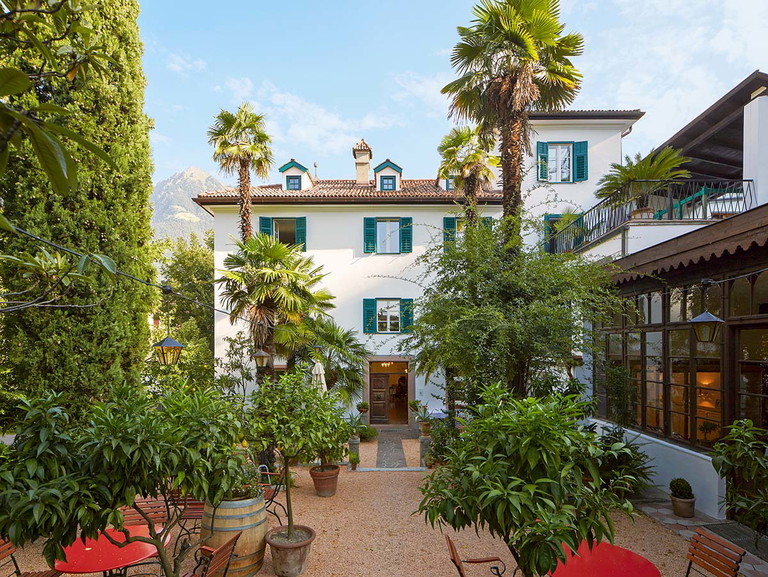
Water has been part of the city's DNA since it gained fame as a spa destination in the mid-19th century. Soon, thanks to high-profile guests like Empress Sisi, the small town became a magnet for visitors. In the villa district of Obermais, Art Nouveau buildings such as Hotel Adria began to emerge. Since 1966, thermal water has been sourced from Vigiljoch, with its therapeutic benefits—rich in radon and mineral salts—scientifically proven. Even today, the power of relaxation remains a valuable asset.

Sequoias and Himalayan cedars

© Rene Riller

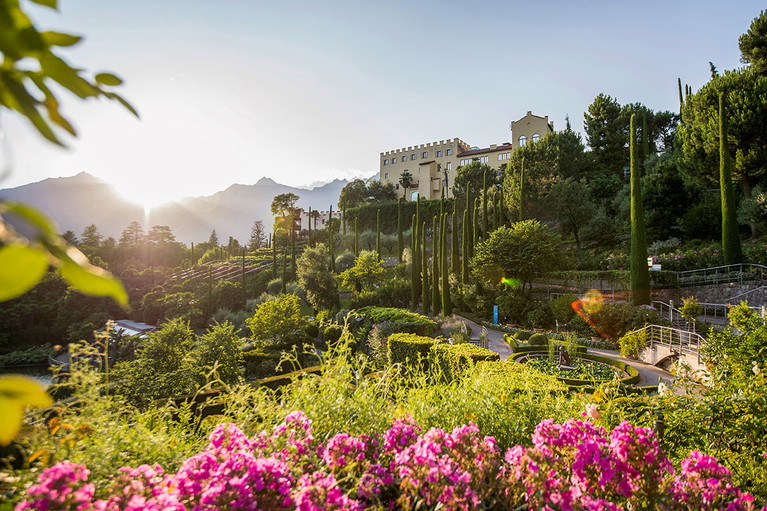
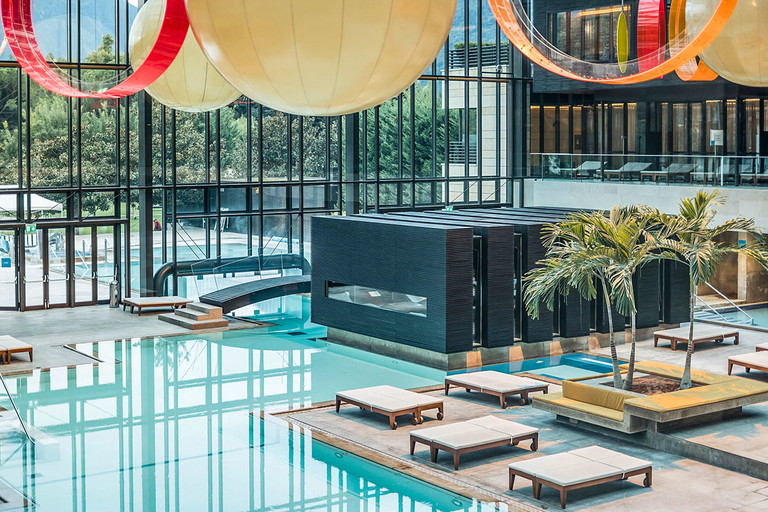
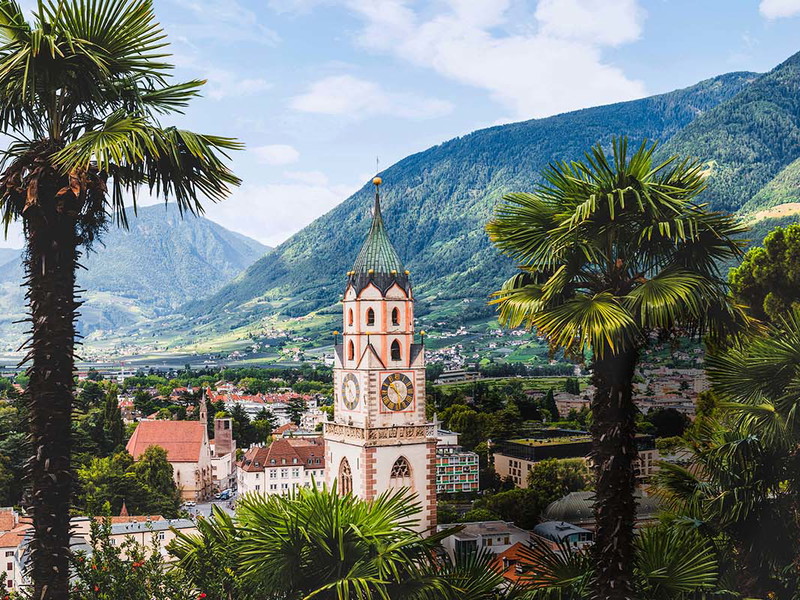
Overlooking the rooftops of the city, people sip Aperol Spritz. From the Sky Bar of Hotel Therme Merano, the view stretches across the towering peaks of the Texel Group, the spires and gables of the old town, and the thermal baths themselves. With 25 indoor and outdoor pools—including swimming, whirl, thermal, and splash pools—along with water features, a turtle and water lily pond, plus palm and rose gardens, the spa is anything but discreet. As Merano began shedding its image as a dignified but aging spa town, it embraced its heritage while reinterpreting it, placing a special focus on nature and design. The 110 giant sequoias and hundreds of Himalayan cedars, remnants of the town’s early spa era, are carefully preserved. The historic network of promenades, stretching through the valley and along the slopes of Küchelberg, has also been maintained—allowing visitors to explore the city entirely on foot, without ever having to set foot on a road.

© Kottesteger Manuel

For the bathing experience, Merano opted for a lifestyle-oriented nature spa set within a five-hectare park. To ensure the new thermal baths had a contemporary look, Northern Italy star architect and designer Matteo Thun was commissioned to design the interiors. From the outside, the structure is almost futuristic: a cube of steel and glass directly opposite the lavish Art Nouveau Kurhaus, serving as the most striking symbol of Merano’s transformation. Atop the hotel, the Sky Spa spans over 3,000 square meters, offering a panoramic glass-walled wellness retreat—complete with a bar. Anyone who thinks health and indulgence don’t go hand in hand has clearly never been to Italy.

© Daniele Paternoster

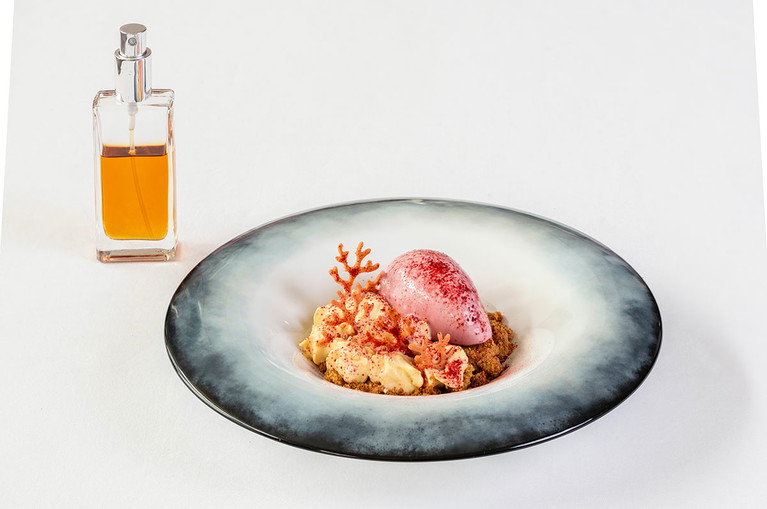
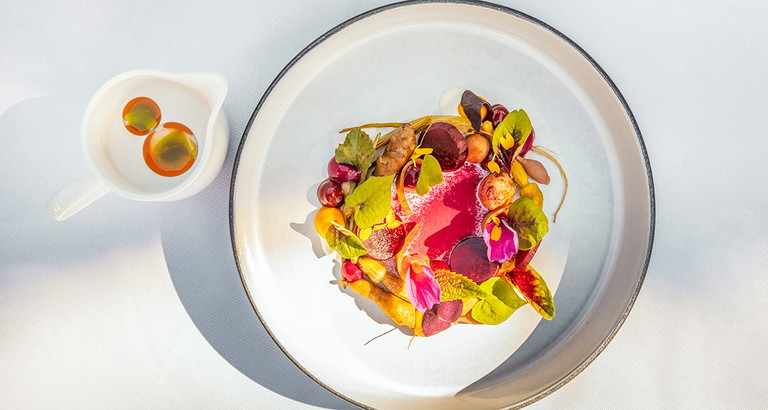
Fine cuisine, outstanding wines, and 300 days of sunshine a year make life in Merano especially enjoyable. The town’s location at the crossroads of two cultures has shaped its gastronomy just as much as the passion and perfectionism of its chefs. It’s no coincidence that Northern Italy boasts the highest number of Michelin stars in Italy—26 in total. In and around Merano, five of those stars shine over the kitchens of Sissi, Prezioso, the two-starred Castel Fine Dining in Dorf Tirol, and Luisl Stube in Algund.

© Mads Morgensen

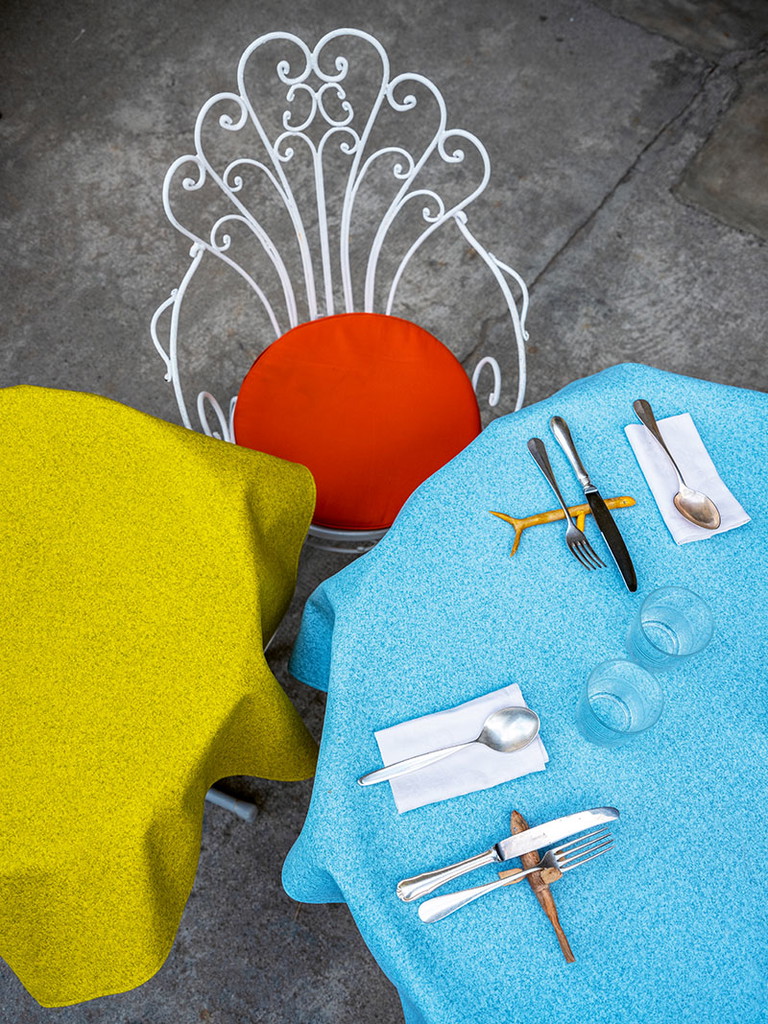
Economic stability has allowed Merano’s old town to sustain a retail scene that has become rare elsewhere—ranging from fine household goods stores to artisanal butcher shops and irresistibly fragrant chocolate makers. The town also indulges in a passion for design. Goldsmith and product designer Harry Thaler, a Merano native, returned after a decade in London and collaborated with local artisans to create the Pur Manufactur design line. He also designed Pur Südtirol, a gourmet market dedicated to wines and specialties. Later, he furnished a home for his friend Tyler Brûlé—publisher, designer, and founder of the lifestyle magazine Monocle—who had fallen head over heels for the town. Though Brûlé has since parted ways with his Villa Fluggi in Obermais, his Monocle design store remains. It's one of only six worldwide, with the others located in Tokyo, Hong Kong, Toronto, London, and Zurich.

Read more: Architecture in Northern Italy: So Close to Heaven

The Falstaff Travel Editors
Author
Find out more
1 / 12