Skip to content
© provided

Why Chiang Mai is on our bucket list for 2025

Destinations
Experiences
Culture

Tempel, Teakhäuser und tausend Töne Grün: Die zwischen samtigen Bergen und Reisfeldern gelegene Metropole Chiang Mai gehört zu den reizvollsten Zielen Thailands. Urlauber können die Berge erkunden und in die Traditionen des nördlichen Landesteils eintauchen.

© Stocksy

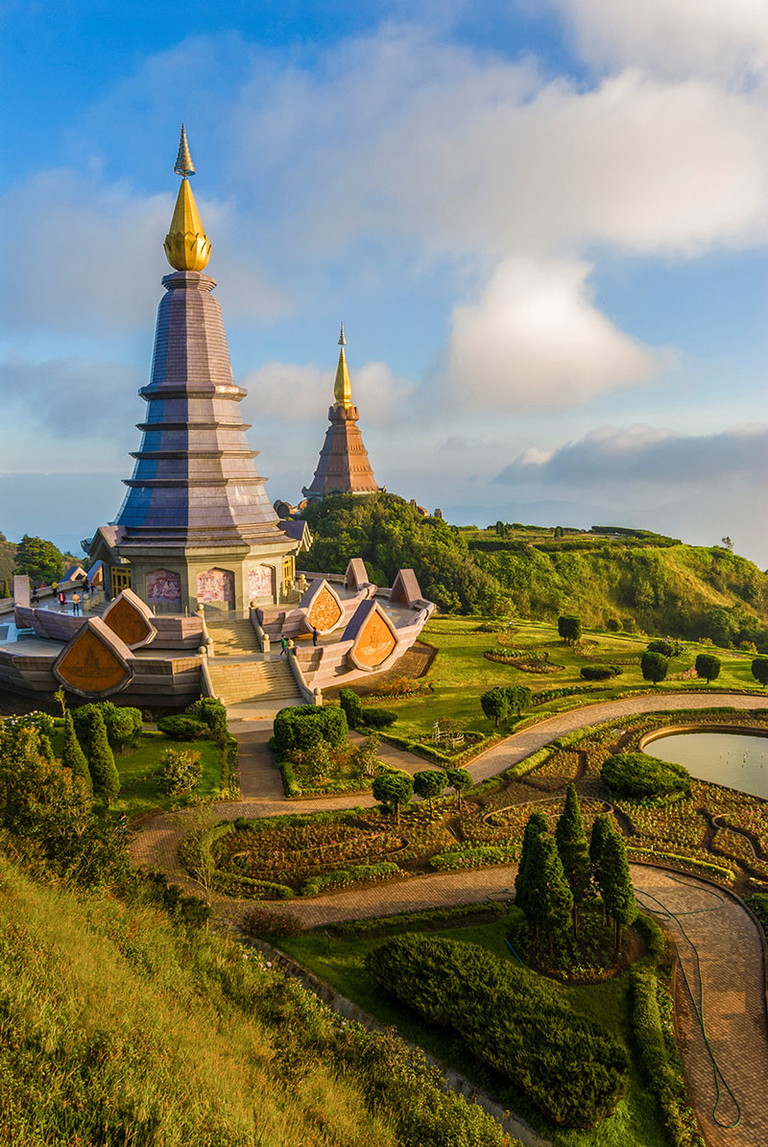
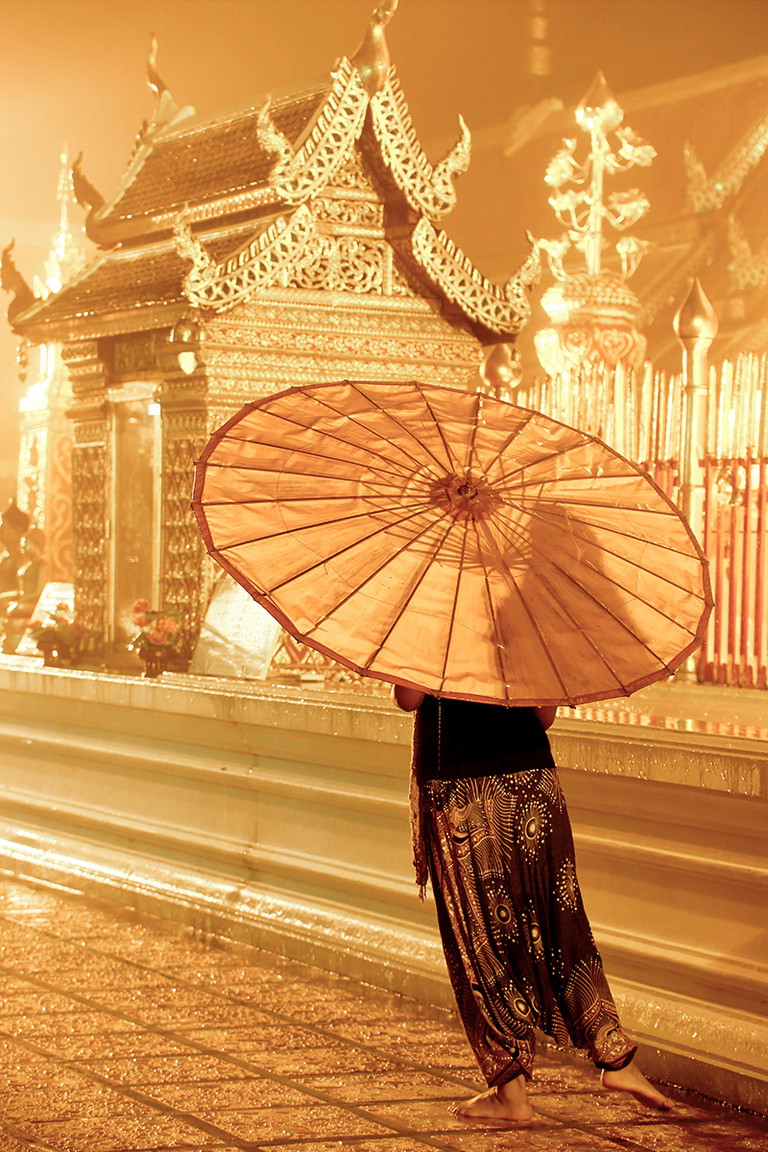
Only monks follow all of Buddha’s 227 teachings. For most, adhering to the first three—no killing, lying, or stealing—poses little challenge. Those with greater discipline master the next two: avoiding adultery and alcohol. Monks, however, take the first three so seriously that they walk barefoot, careful not to harm insects or plants. Light on his feet, guide Kho Dhawie explains the subtleties of Thai Buddhism while climbing the 306 steps to Wat Phra That Doi Suthep, the “monastery with Buddha’s relics on a mountain.” Dozens of bells hang here, rung to announce good deeds to the heavens. From this sacred vantage point, visitors enjoy sweeping views of Chiang Mai, the jewel of northern Thailand.

Curry, rice and sesame-coated bananas

Army

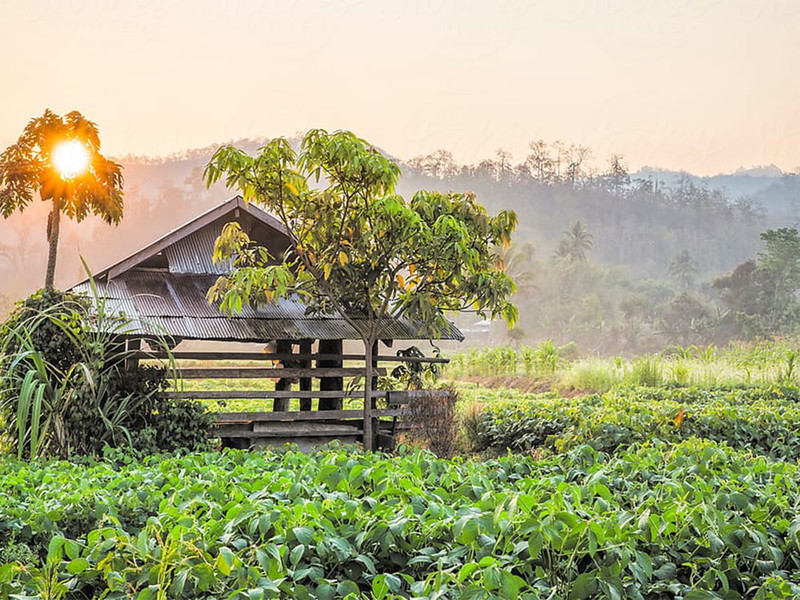
Northern Thailand, often called Lanna—meaning “land of a million rice fields” after the ancient kingdom—is synonymous with the region’s refined way of life. The Lanna lifestyle starts with its cuisine: mild curries, sticky rice, and Khantoke dinners showcasing specialties like crispy pork skin and sesame- and rice-powder-coated bananas. Butterflies flutter as large as birds, and birds as small as butterflies, while the landscape glows in every shade of green. Chiang Mai serves as a gateway for mountain treks and hosts a lavish lantern festival each November at the full moon, during which flower-adorned floats drift down rivers, carrying away past worries. Known as the “Rose of the North” with its 80 temples, Chiang Mai symbolizes northern Thailand’s serene beauty. Every guesthouse and luxury hotel aims to immerse visitors in the region’s culture and achievements.

© provided

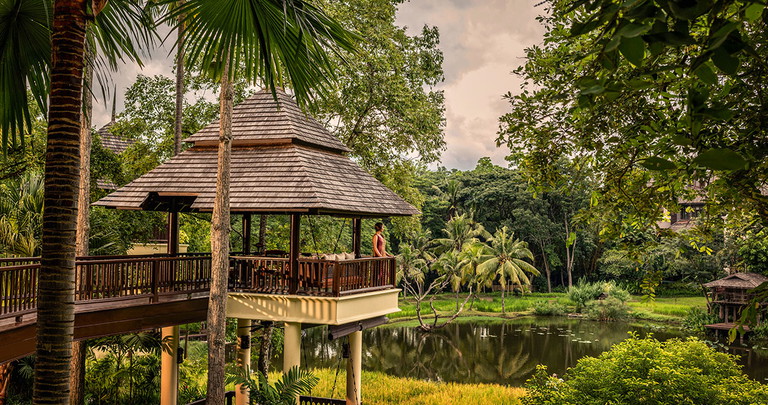
At the Four Seasons Resort outside the city, guests stay in teakwood pavilions built in the style of northern Thailand. These overlook a landscape of jade-green rice fields framed by mountains—not just a scenic backdrop but actively farmed by local rice growers. Watching farmers in wide-brimmed hats tending their fields is breathtakingly beautiful (perhaps because the labor is not ours to do). It feels like a live, three-dimensional movie, and no one is surprised when farmers and water buffalo appear in the open-air lobby in the morning, seemingly by chance—though it’s clear they’re there for the photo op.

Continue reading: 2025's Best Travel Destinations

The Falstaff Travel Editors
Author
Find out more
1 / 12