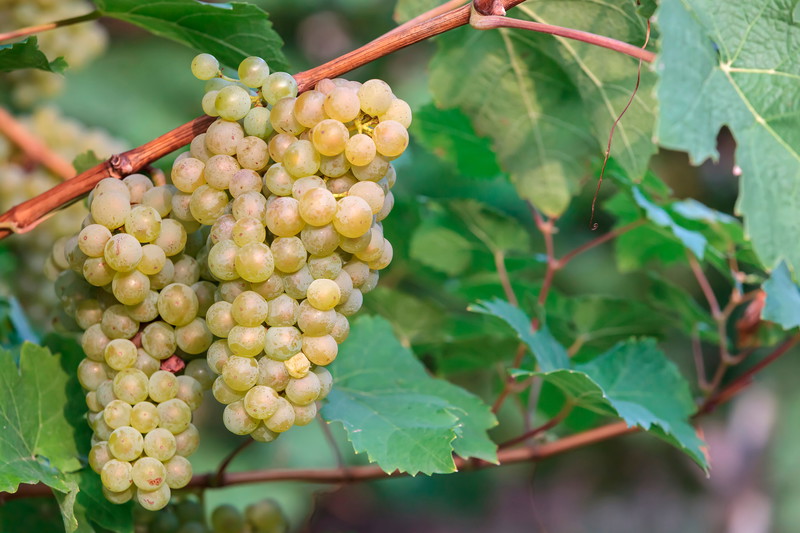
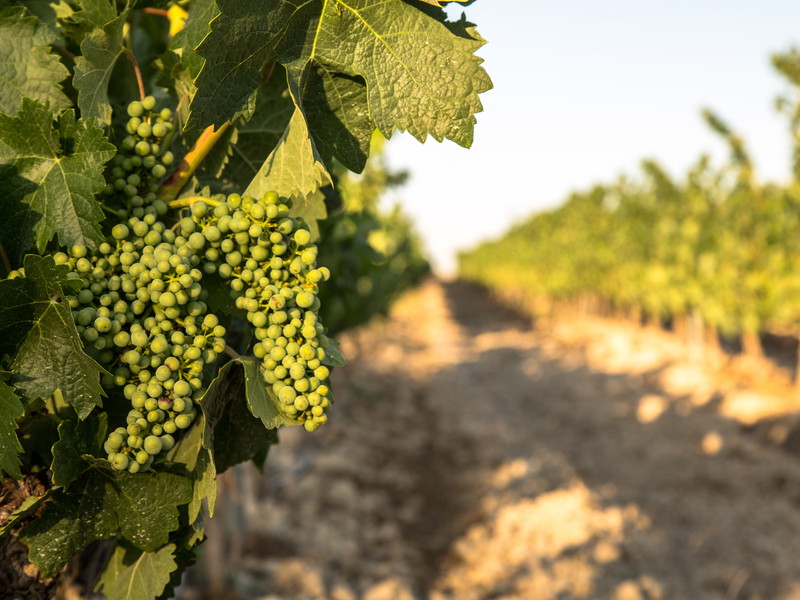
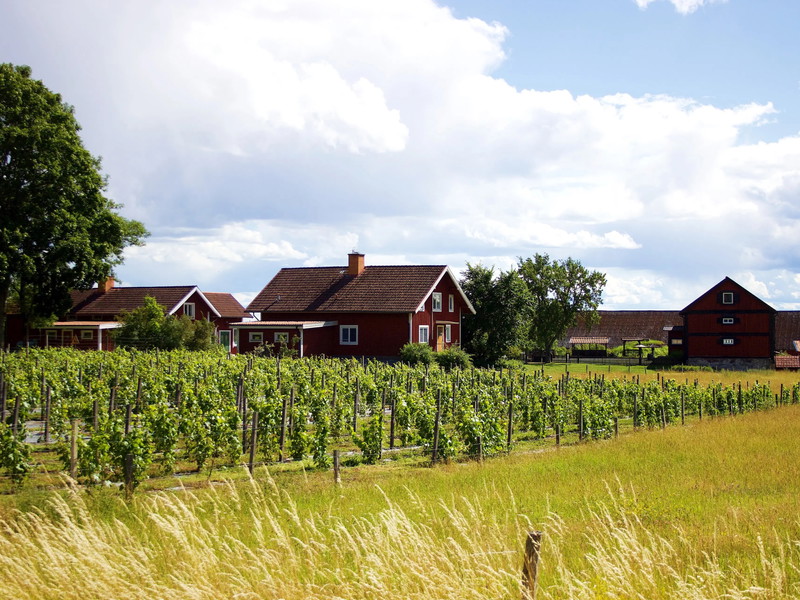
The Kerner is the only new variety of the 20th century in Germany that survived the restructuring and changes in German viticulture almost unscathed, especially after 1985, and is still one of the country's most important grape varieties today. It was born in 1929 in Weinsberg (Baden-Württemberg), and Schiava Grossa and Riesling earned merit as crossing partners under the direction of August Herold. However, the Kerner was named after the doctor and author of drinking songs Justinus Kerner, who was of the opinion that enjoying a glass of wine was better than any medicine. After a longer ripening period, whereby the kernel sprouts late, it produces reliable yields, but for really good qualities these should be regulated and its growth power kept in check. It doesn't place too high demands on the floors. Just over 3,000 hectares are in production in Germany, the centers are in Rheinhessen and the Palatinate. Although there are only 24 hectares in South Tyrol, one Kerner has regularly won the coveted 3 glasses of “Gambero Rosso”. Switzerland with 14 hectares and England with nine hectares follow.
This grape variety is also known by the name of:
Kerner Bijeli, Herold Triumph, Herold weiß, Trollinger, Weißer Herold, Weinberg S 25-30