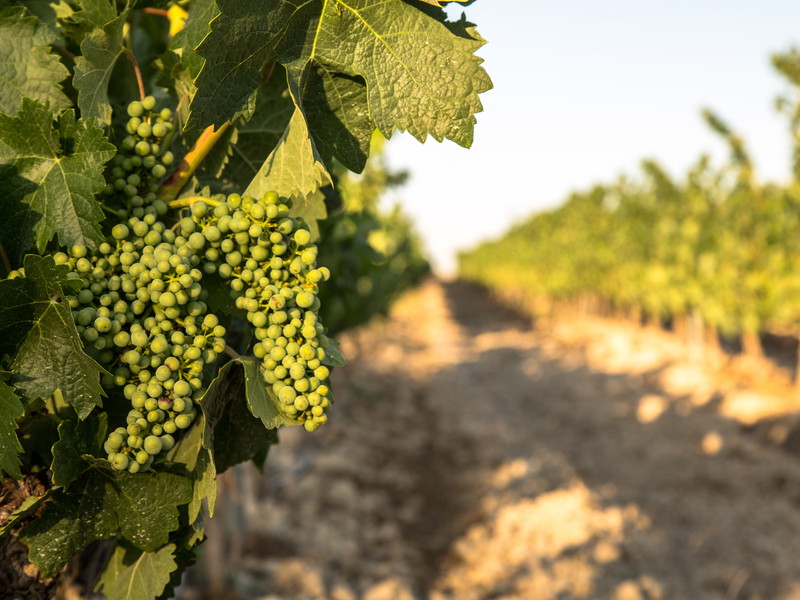
Manzoni Bianco is named after its creator Luigi Manzoni, who developed the variety with a cross between Riesling and Pinot Blanc between 1930 and 1935 in Conegliano. Initially, Chardonnay was also suspected as a crossing partner, but new scientific studies clearly rule this out. Manzoni Bianco ripens after a medium-long ripening phase and is fairly resistant to the most common vine diseases such as sour rot, powdery mildew and downy mildew and many more. It also feels very comfortable on a variety of different terroirs. In northern Italy it is an important part of the Vincenza Bianco and Colli di Conegliano Bianco origins. In the last third of the last century it also found itself in the areas of Friuli and Trentino. Because of its insensitivity and robust character, it also traveled to southern Italy and today occupies significant areas in Calabria, Molise and Apulia. It is mostly made as a dry white wine, but it is increasingly being used in the production of Spumante and Vino Frizzante, especially from grapes that are harvested very late. There are no known vineyards outside Italy.
This grape variety is also known by the name of:
Incrocio Manzoni 6-0.13, Manzoni bijeli, Manzoni