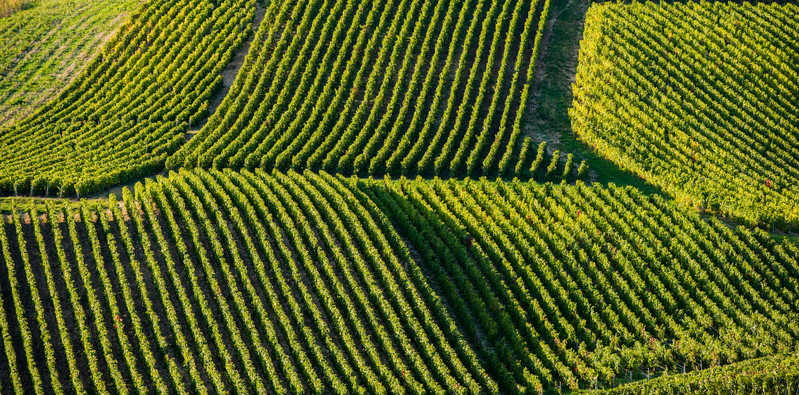
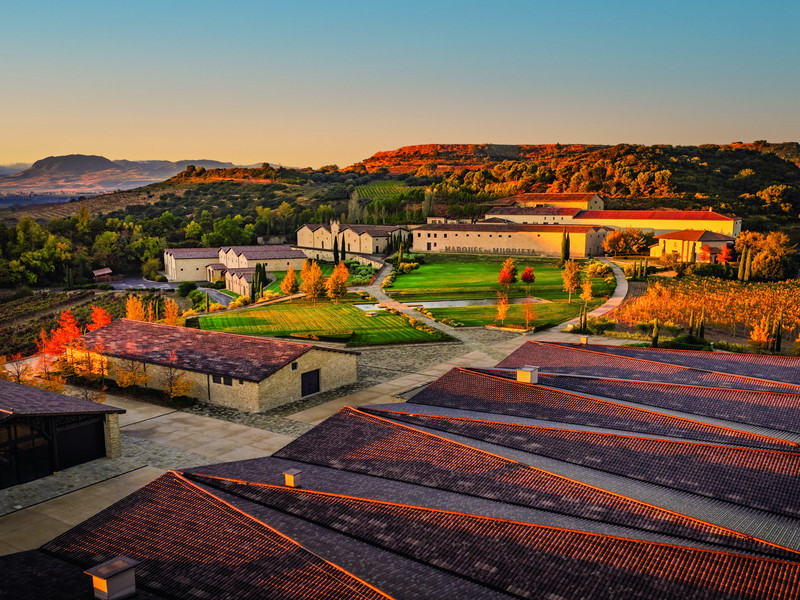
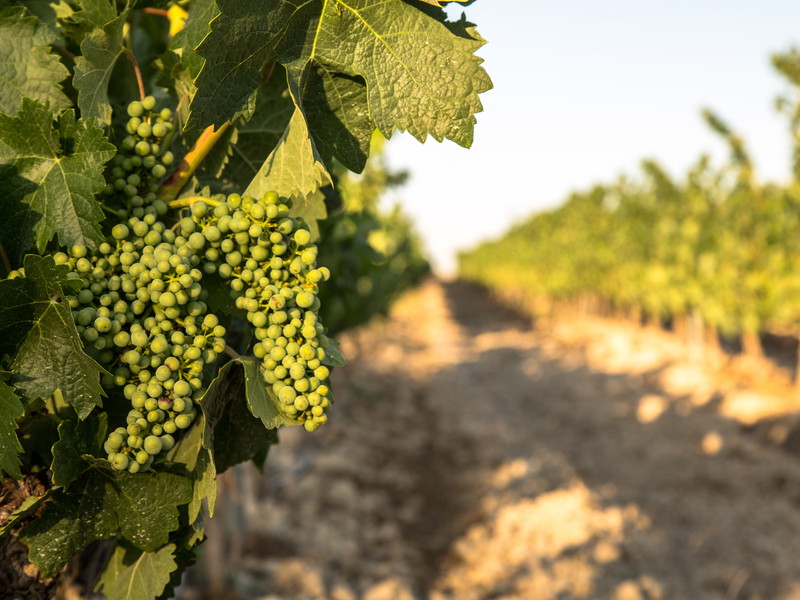
The white wine variety Ribolla, with its full name Ribolla Gialla, is one of the oldest grape varieties in Italy; it was first mentioned by name under the name Rabola in 1296. There is documented evidence of a dispute on March 20th of the year in question between Pope Boniface VIII, the Bishop of Trieste and the monastery of San Giorgio Maggiore in Venice over a wine called Rabola. The Ribolla differs from the now extinct Ribolla Verde variety and is not a mutation of the Ribolla Nera. Their origin is unknown. The variety, which matures after a medium-long period of time, is susceptible to many rot diseases and only produces moderate yields. Its main distribution area is in Friuli, where it still plays a special role today. Ribolla is usually made as a pure, fresh, fruity wine; experiments with aging in barriques have not proven successful. Because of its racy acidity, Ribolla can also be made into good sparkling wines. Outside Friuli, the grape variety still has some importance in Slovenia, where it is known as Rebula. There are minor plantings in Kailfornia.
This grape variety is also known by the name of:
Avola, Gargania, Garganja, Jarbola, Rabolla Dzhalla di Rozatsio, Rabolla, Rabola, Ribuele Zale, Ribula Zuta, Ribuole, Raibola, Ribola Djiala, Ribolla gialla, Ribollat, Ribolla Gialla di Rosazz, Ribuela, Rabuele, Rabiola, Ribolla Gialla di Rosazzo, Ribolla Dzhalla, Rebolla, Reboula jaune, Robolla, Ribuele, Rébula, Ribolla, Ribolla Bianca, Rebula Bela, Rebula rumena, Rebula zuta