Skip to content

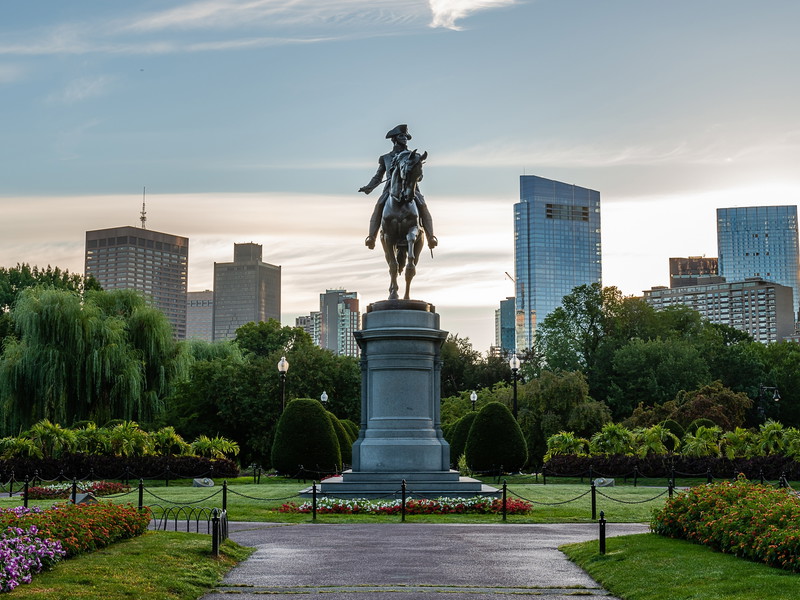
In the Boston Public Garden, an equestrian statue of George Washington commemorates the founding of the United States.

In the Boston Public Garden, an equestrian statue of George Washington commemorates the founding of the United States.
© Shutterstock

Discover Boston: where tradition meets innovation

USA
Travel

Boston is America's wittiest metropolis: a think tank with colonial pavement, academic splendor and culinary creativity. Between Freedom Trail and Innovation Trail, Hopper light and lobster pizza, the city shows how history remains alive – and the future emerges.

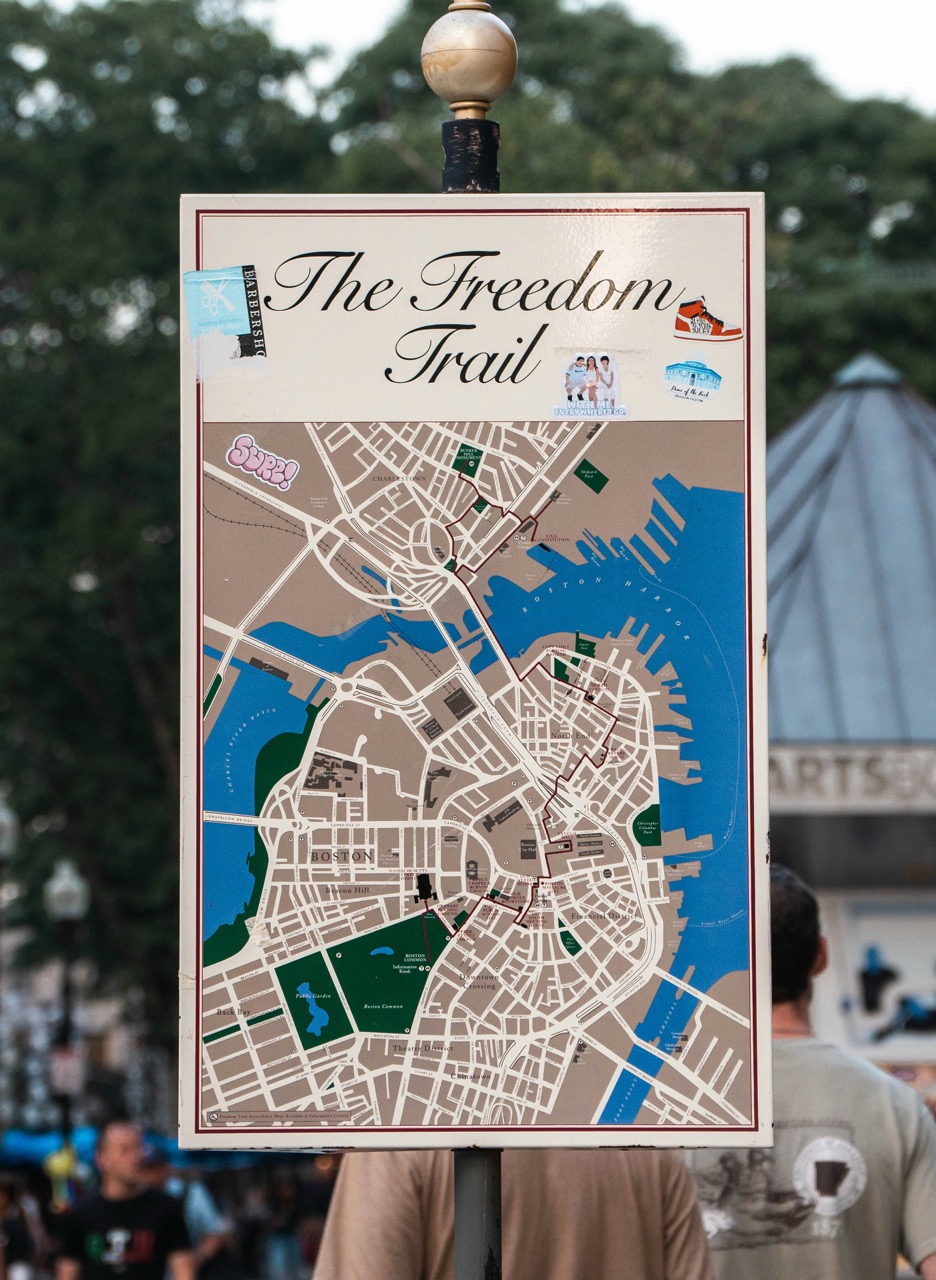
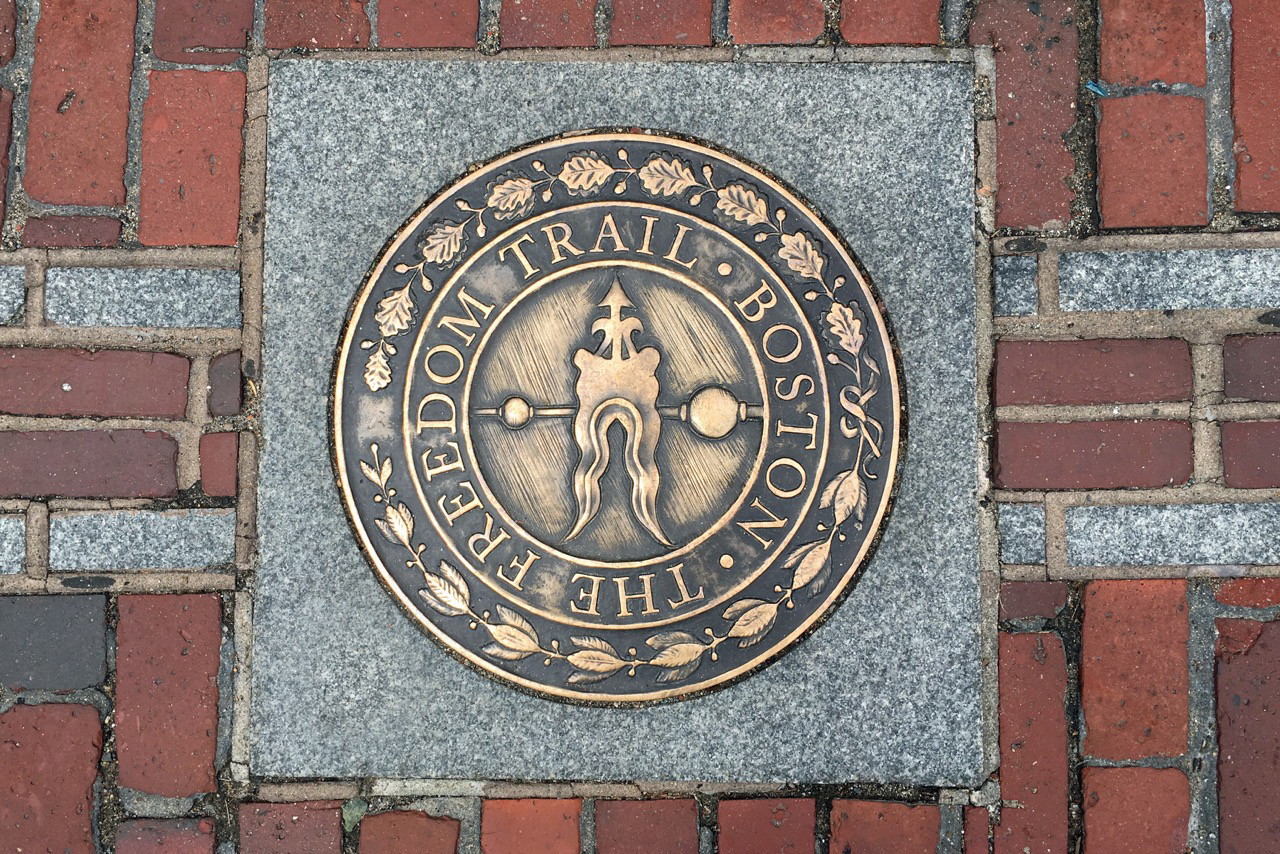
"Follow me – but be vigilant! The Redcoats could be lurking around every corner!" shouts the man in knee breeches and tricorn hat. With his coat billowing, he strides ahead as if it were 1775, leading his group on a Boston tour over the historic cobblestones. Visitors to Boston don't just travel through history, they literally walk right through it, as red bricks on the ground mark the Freedom Trail, which runs through the city like a red thread.

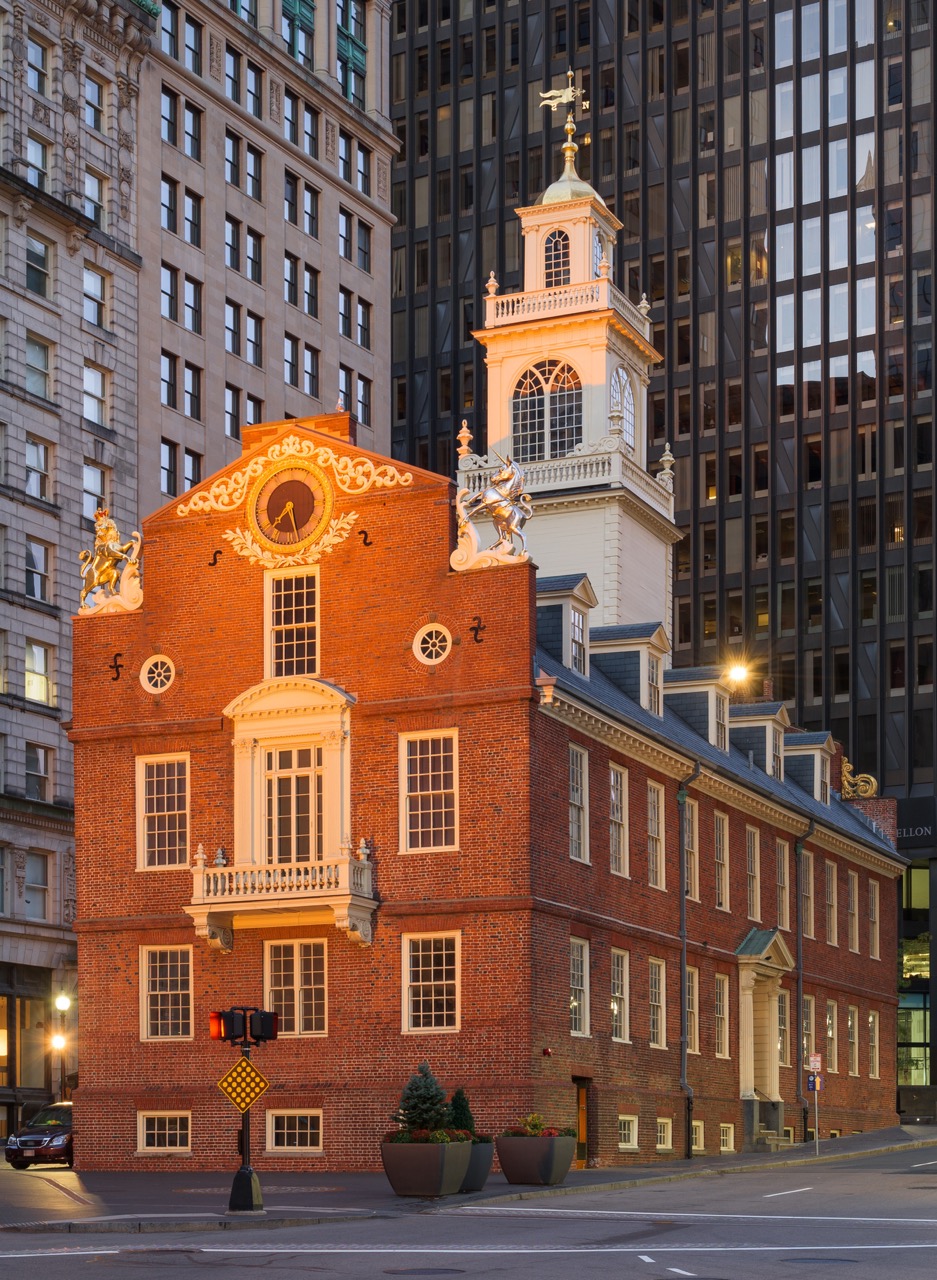
The approximately four-kilometer-long trail connects 16 historical sites, from Boston Common to the USS Constitution. It leads past the places where it all began: Paul Revere's house and the Old State House, the site of the massacre. And in between: cafés with chai lattes and gluten-free scones. History lessons can be so lively!

Boston was already the capital of rebellion long before the term became overused in social media. This is where the Tea Party not only started an uprising against British taxes, but also a myth: that of the indomitable America. Here, where the colonists once rebelled against the British crown, America's history is not told, rather it is acted out; disguised, stirringly staged, not in a museum, but live, on the street.

And the city is warming up for the big anniversary: 250 years of American independence. Boston doesn't officially celebrate this until 2026, but the story begins earlier: Paul Revere jumped on horseback to warn the rebels as early as 1775; his midnight ride became the prelude to the revolution. Today, his successors gallop along the Freedom Trail, with groups of curious people in tow.

Brain, heart – and Harvard

Boston is more than a city, it is a thinking space: Harvard, MIT, Tufts – all renowned universities that are known worldwide for their academic excellence. You can spend hours in Cambridge, just across the Charles River from downtown Boston, without setting foot in a museum. Just one look at the young faces, books under their arms, caffè latte in hand, gives us hope that our world could still be a better place.

Boston is different – and you can feel it immediately

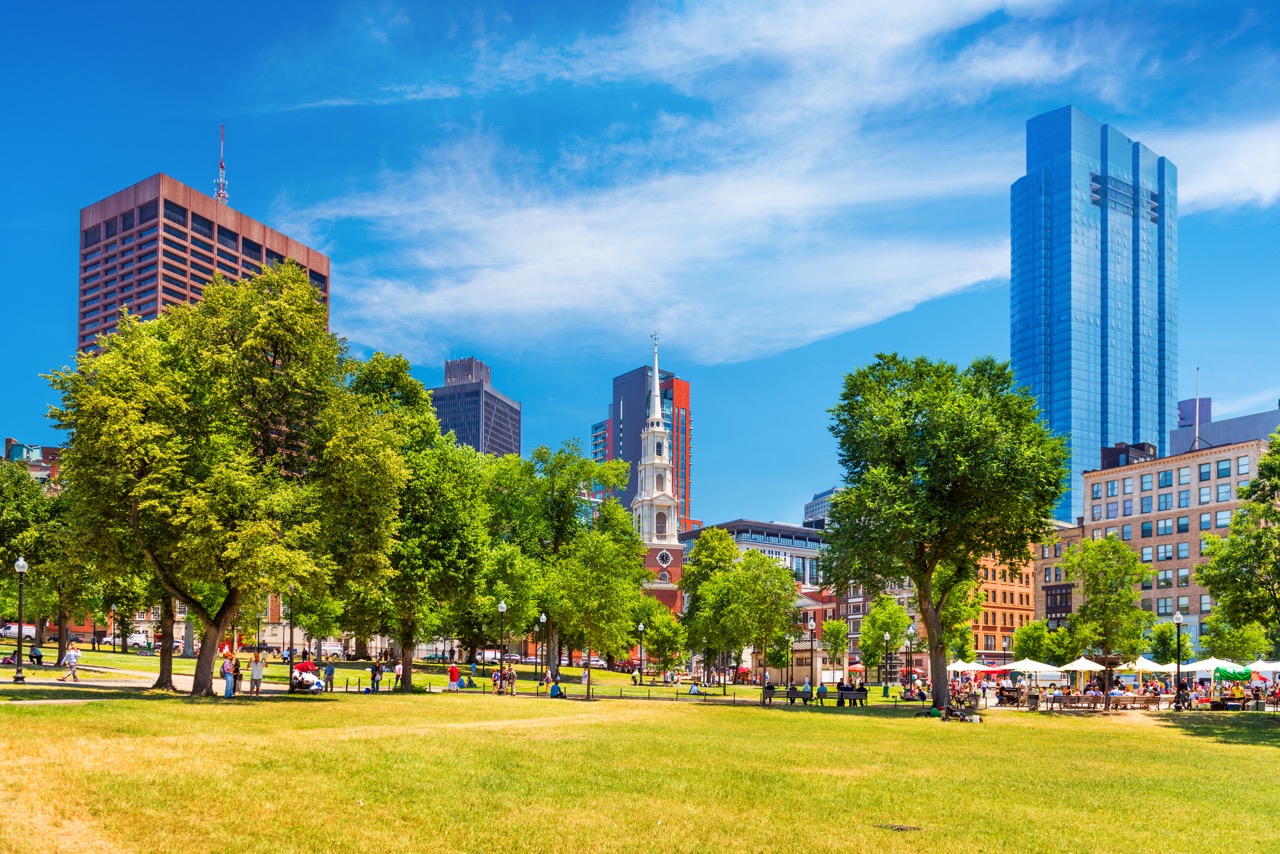
On a clear morning, Boston Common, America's oldest public park, looks like a painting by Edward Hopper with its clear lines, quiet scenes and the peculiar melancholy of the moment; shadows under maple trees, lonely walkers ... Edward Hopper, who studied at the New York School of Art in his youth, exhibited in Boston several times and was inspired by the mood of light in New England. Boston is a liberal, educated, diverse metropolis; more elegant, more "European" than other US cities. An exception in the current political climate, a refuge for spirit and diversity.

In addition to the Freedom Trail, the Innovation Trail offers an audio tour of Boston's role as a city of ideas; from pioneering medical discoveries to technological milestones. Not only was the telephone invented and the first computers developed in Boston, but the city is still considered a world-leading center for research and innovation. MIT and many start-ups are setting new standards, particularly in the field of artificial intelligence.

Museums of a different kind

Art and culture? Naturally. The Museum of Fine Arts is one of the best in America. The Isabella Stewart Gardner Museum in the Fenway-Kenmore district, a museum in the style of a Venetian palazzo, is also highly recommended.

When you enter the museum, you suddenly find yourself in a different world. In the center: an arcaded courtyard like in Florence, where – depending on the season – orchids, nasturtiums or Japanese chrysanthemums bloom under a huge glass roof. The daylight makes the courtyard look like a green cathedral. Ancient statues lean against masonry, a fountain bubbles quietly from a mosaic rose.

Isabella Stewart Gardner had this garden presented as a stage for the senses – for art, for light, for life. All around, on three floors, she has created a museum that does not correspond at all to the classic white cube gallery aesthetic: the building was not only a gallery, but also a home – and a stage for a woman who not only collected art, but lived it.

Gardner was a fascinating patron of the arts who acquired one of America's most personal collections during her extensive travels in the late 19th century. With the help of the young Bernard Berenson, later one of the most important art connoisseurs of his time, she acquired works by Botticelli, Titian, Rembrandt and Raphael – as well as rare furniture, sculptures and manuscripts.

Cuisine: character instead of mainstream

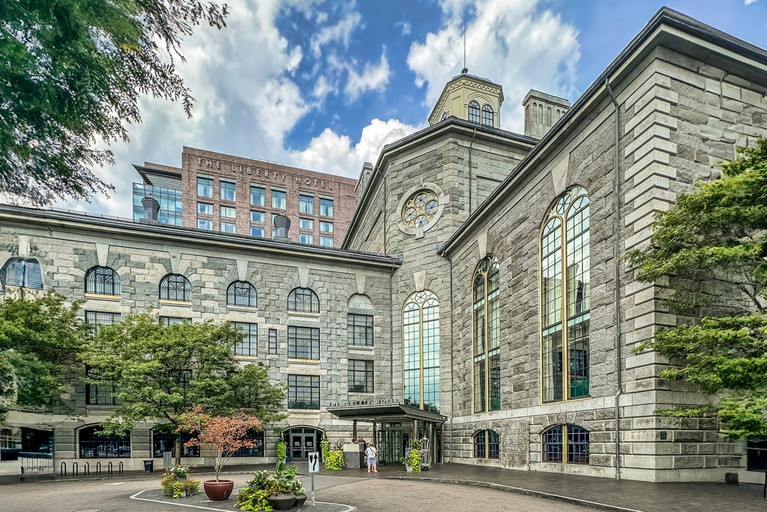
If you want to delve even deeper into Boston's quirky side after visiting the museum, you should go for dinner at the "Scampo" in the "Liberty Hotel" – a former prison between Beacon Hill and the West End that has been converted into a luxury hotel with a restaurant and bar. Where cells used to be barred, copper dishes now sparkle, and between granite walls and heavy doors, Lydia Shire's characterful, Italian-inspired cuisine is served – sensual, strong, uncompromisingly unique.

The "Scampo" is famous for its lobster pizza – thin, crispy, creamy and fragrant. "That hit the right nerve," says 76-year-old Shire. "People are looking for something unusual, and lobster on a pizza is a bit unusual. The way we make it, it has that richness from the lobster cream and the lobster itself; and cheese of course. We add a mix of shallots, garlic and olive oil - people don't think about that, but we do."

For Shire, Boston is one of the best places to enjoy seafood: red crab from Canada, lobster from Maine, scallops from Nantucket. She was one of the first women at the helm of American hotel kitchens and shaped the scene with her unmistakable style.

The former prison between Beacon Hill and the West End has now been converted into the luxury Liberty Hotel.
© Shutterstock
The former prison between Beacon Hill and the West End has now been converted into the luxury Liberty Hotel.

The new generation

Tracy Chang is one of those who consistently follows this path. The 38-year-old runs the restaurant "Pagu" in Cambridge, teaches in the renowned Harvard Science Cooking Program and is developing new kombucha drinks together with a Harvard graduate – balanced and less acidic.

The menu is as diverse as the city itself: Japanese, Spanish, Taiwanese. From Japanese Hamachi Crudo and Purple Yam Lamb Baos to vegan-friendly chocolate cake and matcha cookies with a liquid center – simply melt-in-your-mouth. "Our guests want light, not too sweet dishes," says Chang. "Over 40 percent want to eat vegan or gluten-free. We cook healthy, creative and multicultural food – just like the neighborhood here in Cambridge. That's why many people keep coming back." Chang's culinary journey began early: in her grandmother's Japanese restaurant. She later studied in Paris and worked at Martín Berasategui's three-star restaurant in San Sebastián.

Boston has neighborhoods you want to live in – or at least spend the night in. More than 1,000 gas lanterns burn around the clock in Beacon Hill. They bathe the district with its Victorian townhouses in a warm light, even during the day – as if to help the sun shine. A 19th century Boston – the style somewhere between Jane Austen and Ralph Lauren. Here, people wear cashmere without mentioning it.

A few blocks away, in Back Bay, you can stroll along Newbury Street; a mixture of Milanese chic and American nonchalance. Between concept stores, galleries and vegan deli bars lies Boston, which is constantly reinventing itself without losing its face. And then there is the harbor; Boston lies on the water like Paris on the Seine – not by chance, but naturally. Boats glide through the bay, seagulls comment from above on what is being served below. A harbor tour rounds off the experience.

Those who leave Boston take more with them than a few beautiful photos: the smell of the harbor, the knowledge of rebellion, and perhaps the faint hope that great ideas can also be born in the present.


Angelika Ahrens
Angelika Ahrens
Author
Find out more
1 / 12