Skip to content

Farmers in the Hamptons allow everything to grow as long as possible - even the beets are oversized.

Farmers in the Hamptons allow everything to grow as long as possible - even the beets are oversized.
Angelika Ahrens

Paradisiacal diversity: the Hamptons' farm stands belong on your New York bucket list

Insider Tip
New York
USA
Food for the soul

Picturesque, charming, inviting. The “farmstands” at the far end of Long Island capture the quintessential East End vibe and have served as the backdrop for many films. They not only offer fresh, seasonal fruits and vegetables but are also a one-stop shop for locals and the who’s who of New York society alike.

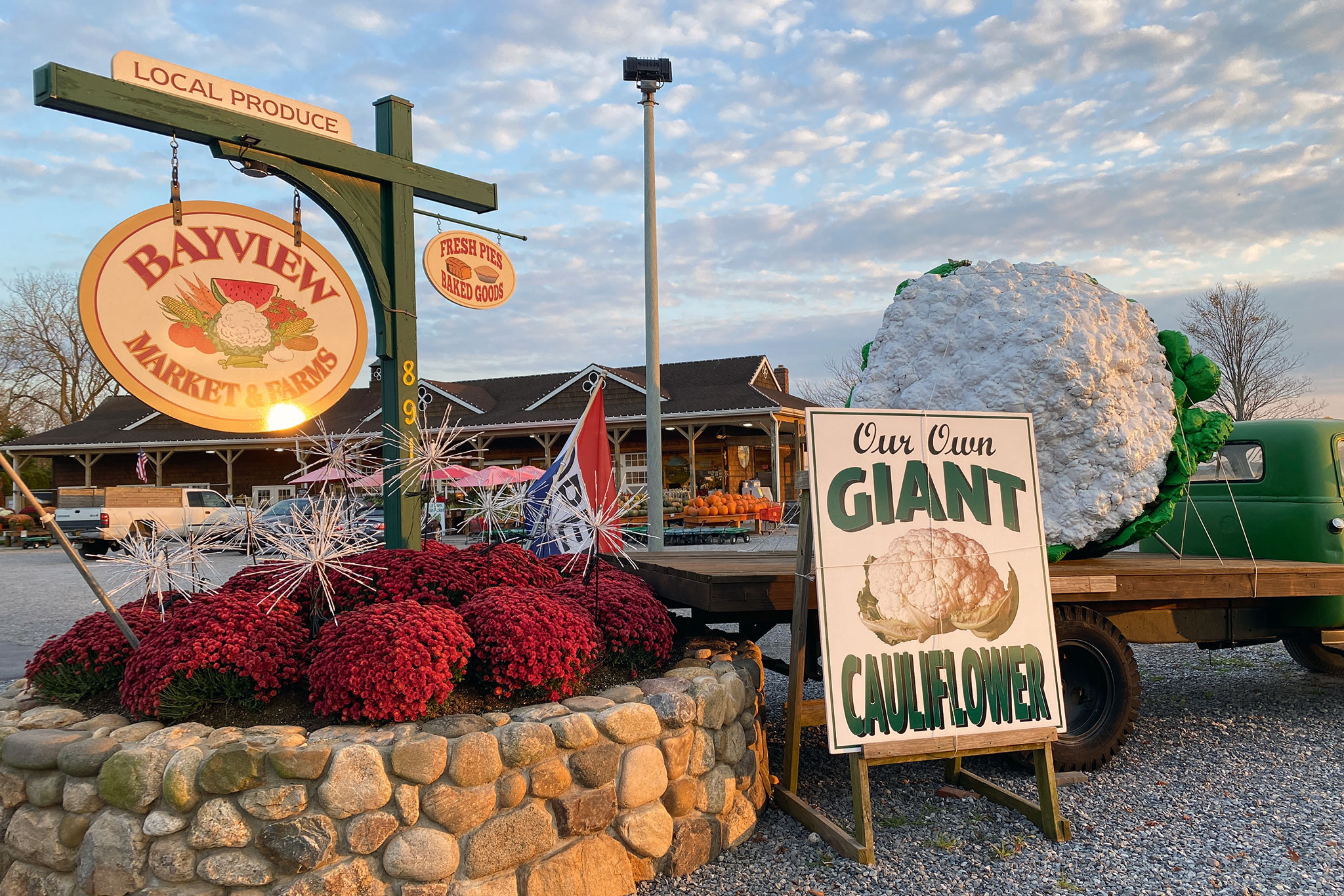
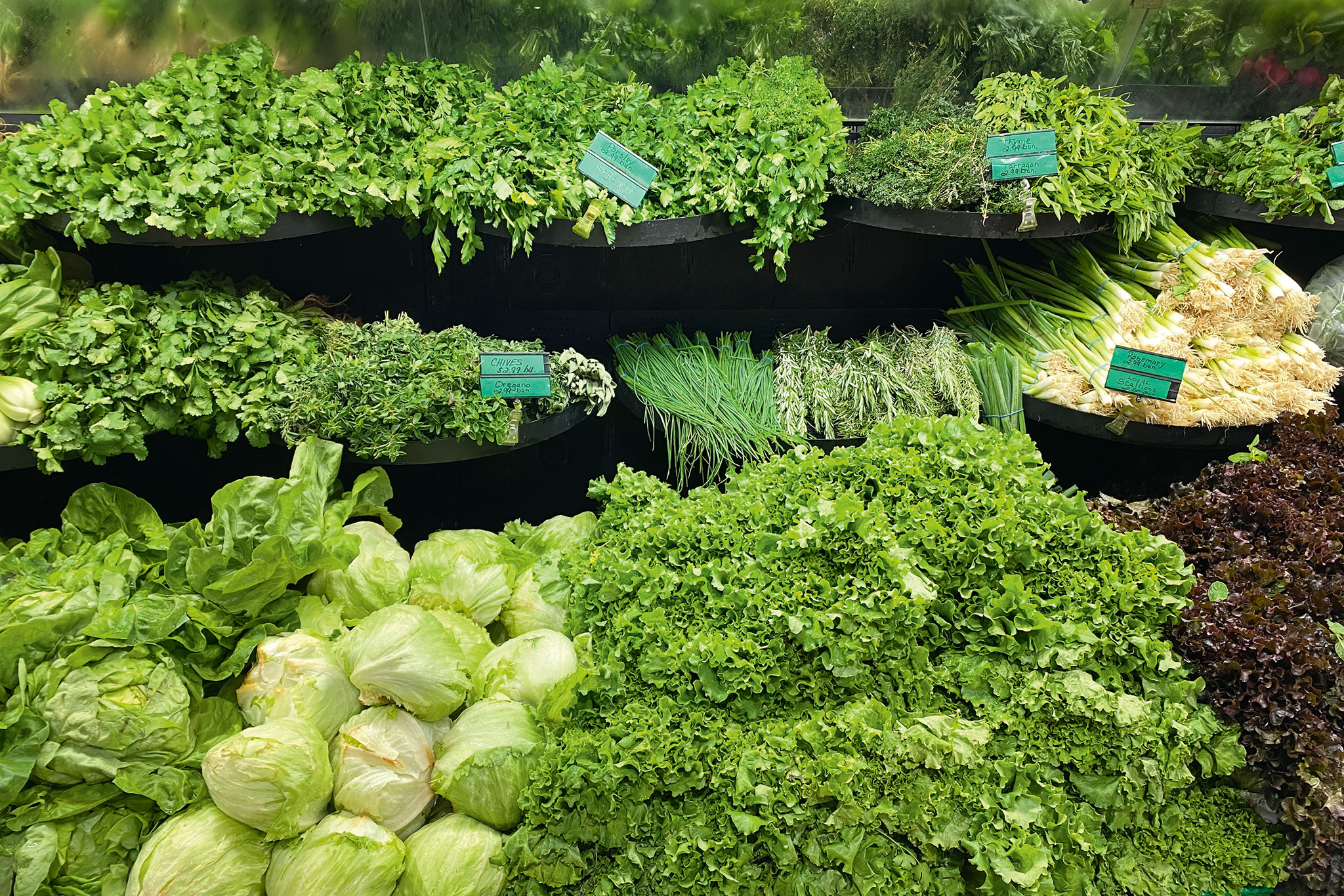
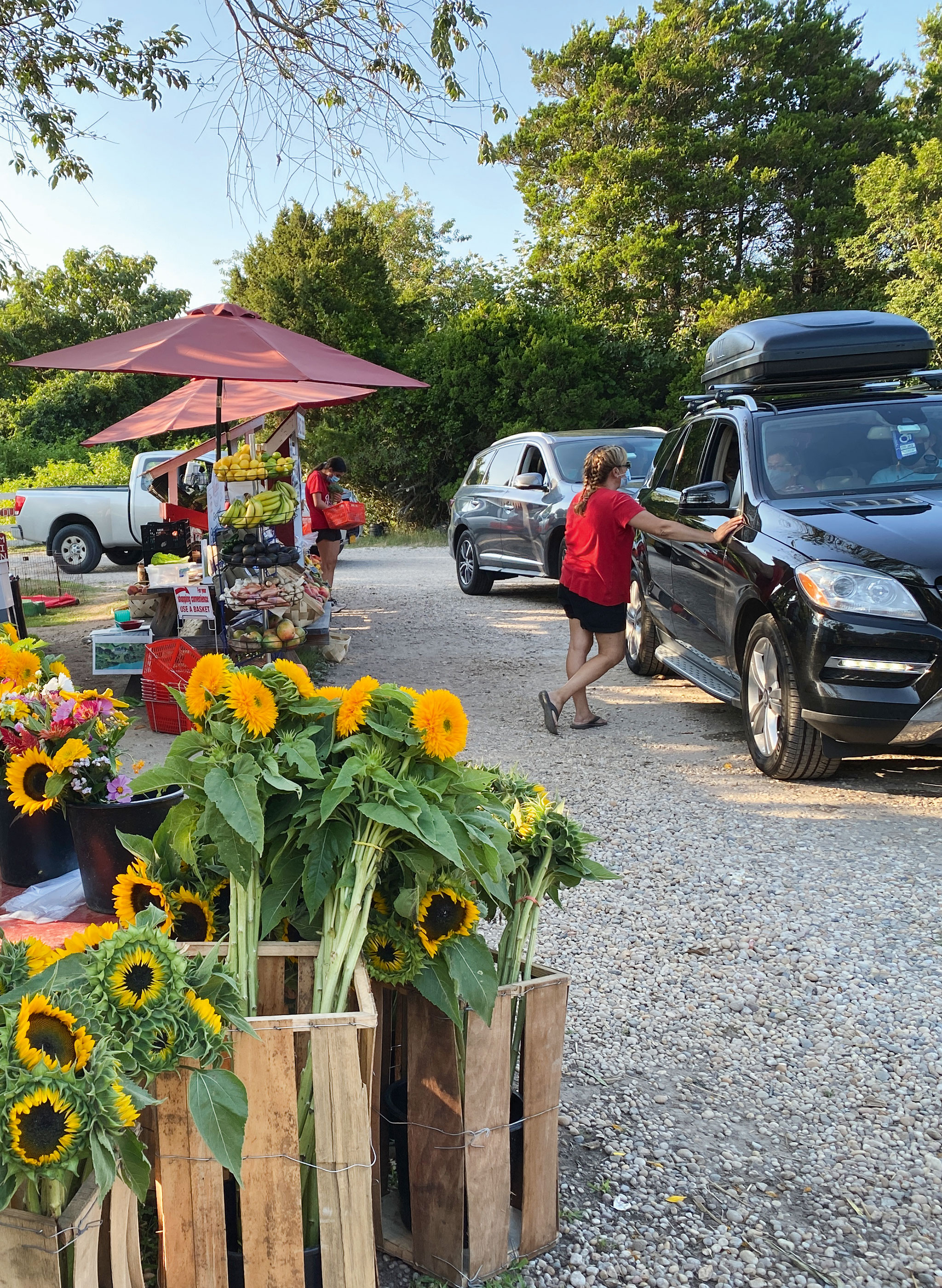
Bright yellow sunflowers, purple cauliflower, crisp green lettuce. Anyone who stops at Bayview Market & Farms in Aquebogue can’t help but be amazed. Piles of gorgeous produce are stacked high on wooden tables, both indoors and out. This farmers market offers an abundance of everything a foodie’s heart desires—or could possibly desire. Romance included.

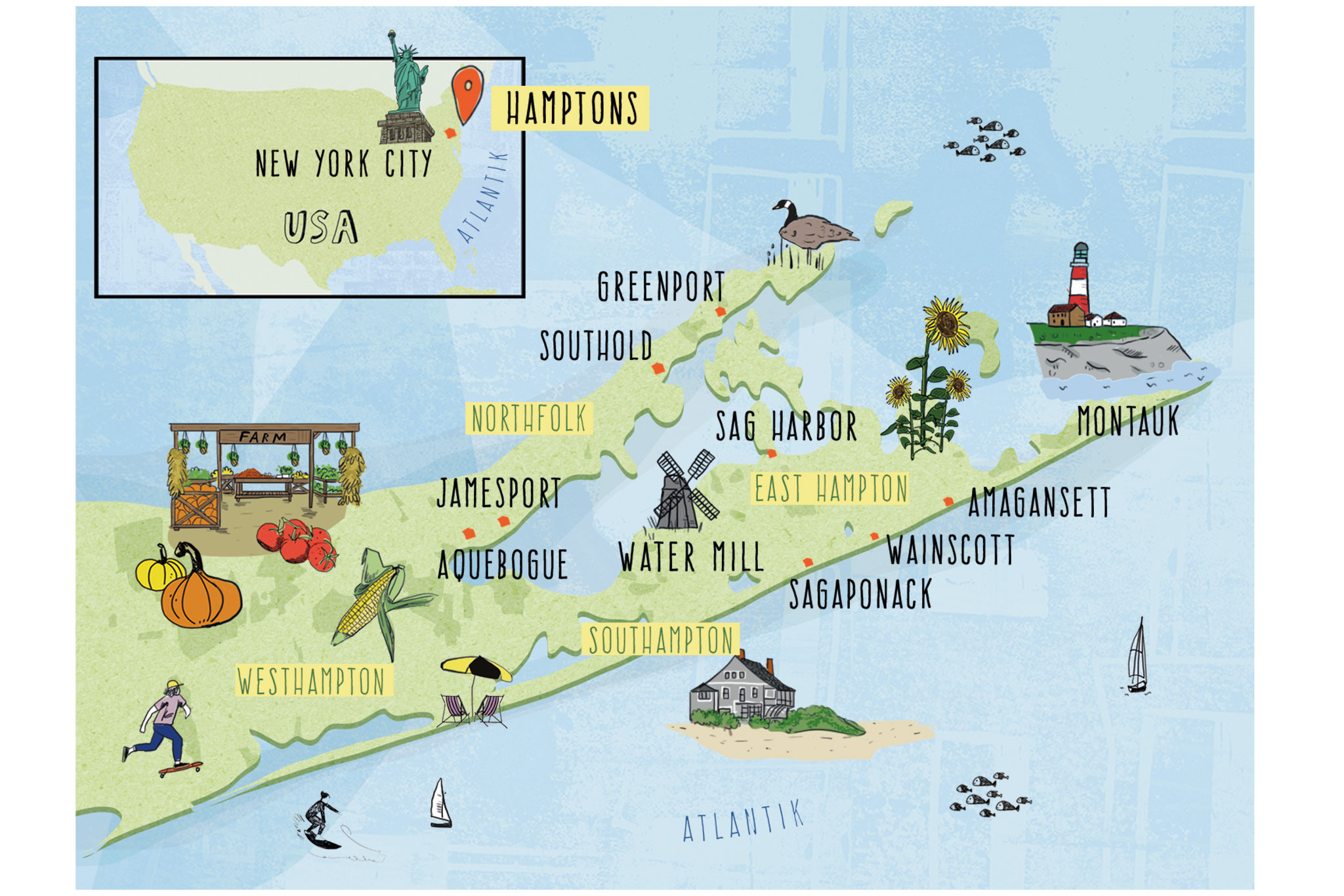
Shopping at the farmstands here in the Hamptons, at the eastern tip of Long Island in the state of New York, is an experience filled with joy—whether you’re among the rich and famous or the “unfamous,” the not-so-well-known.

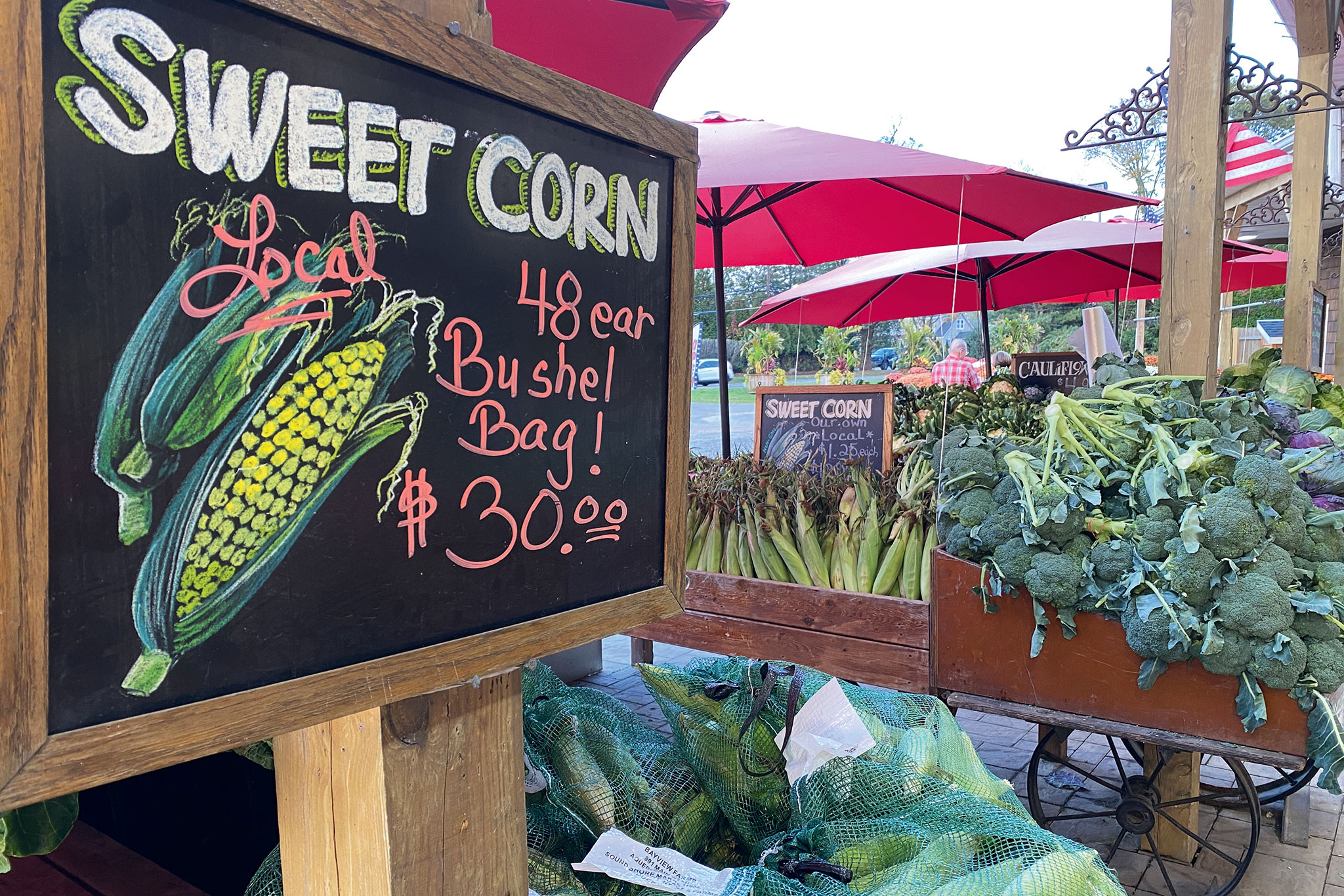
The oversized cauliflower on the old green truck at the entrance is symbolic of what Katie and Paul Reeve have been growing here for seven generations. “We don’t sell our products standardized, where a certain amount has to fit into a box and everything has to be a certain size. This way, we can harvest at the very last moment, when everything is a bit bigger, and bring it straight from the field to the stand,” Katie says. Her husband Paul grows fruit, vegetables, and corn on more than 600,000 square meters of land directly behind the market. Katie grabs one of the ears of corn, peels it, and takes a bite. “You can eat this sweet corn raw, too.”

Harvesting every week

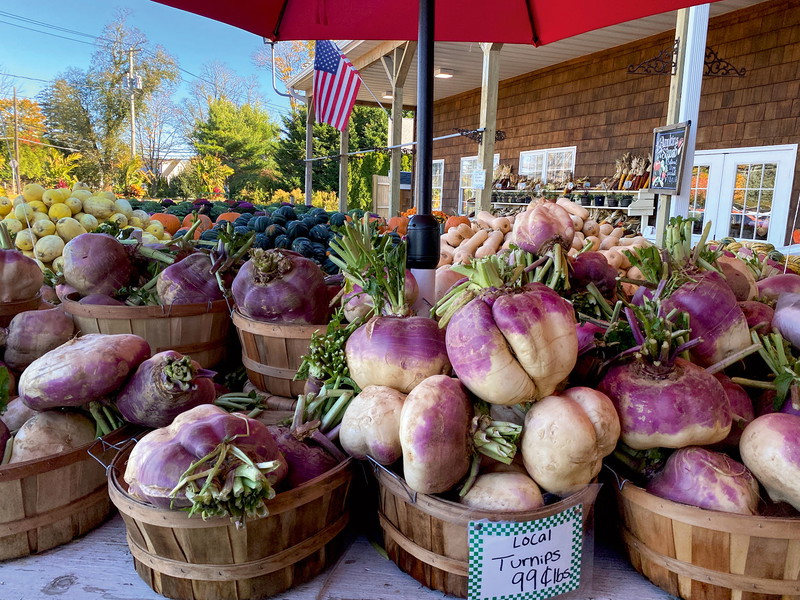
Paul times his first corn harvest each year for the Fourth of July, the U.S. Independence Day. After that, he plants corn 16 more times in succession, allowing him to harvest fresh ears every week well into late November. Katie points to enormous purple-and-white turnips and laughs: “This year, my husband used slow-release fertilizer for the first time. Let’s see if these turnips become the next big trend.” Another eye-catcher is the purple Romanesco, which can be eaten raw or cooked—something you don’t often find in a supermarket. The same goes for Savoy spinach and Savoy cabbage, both very popular with customers—and the boss has recipe tips ready for those interested: Katie likes to wrap meat in the loose, curly leaves of Savoy cabbage. It tastes a bit milder and sweeter than kale.

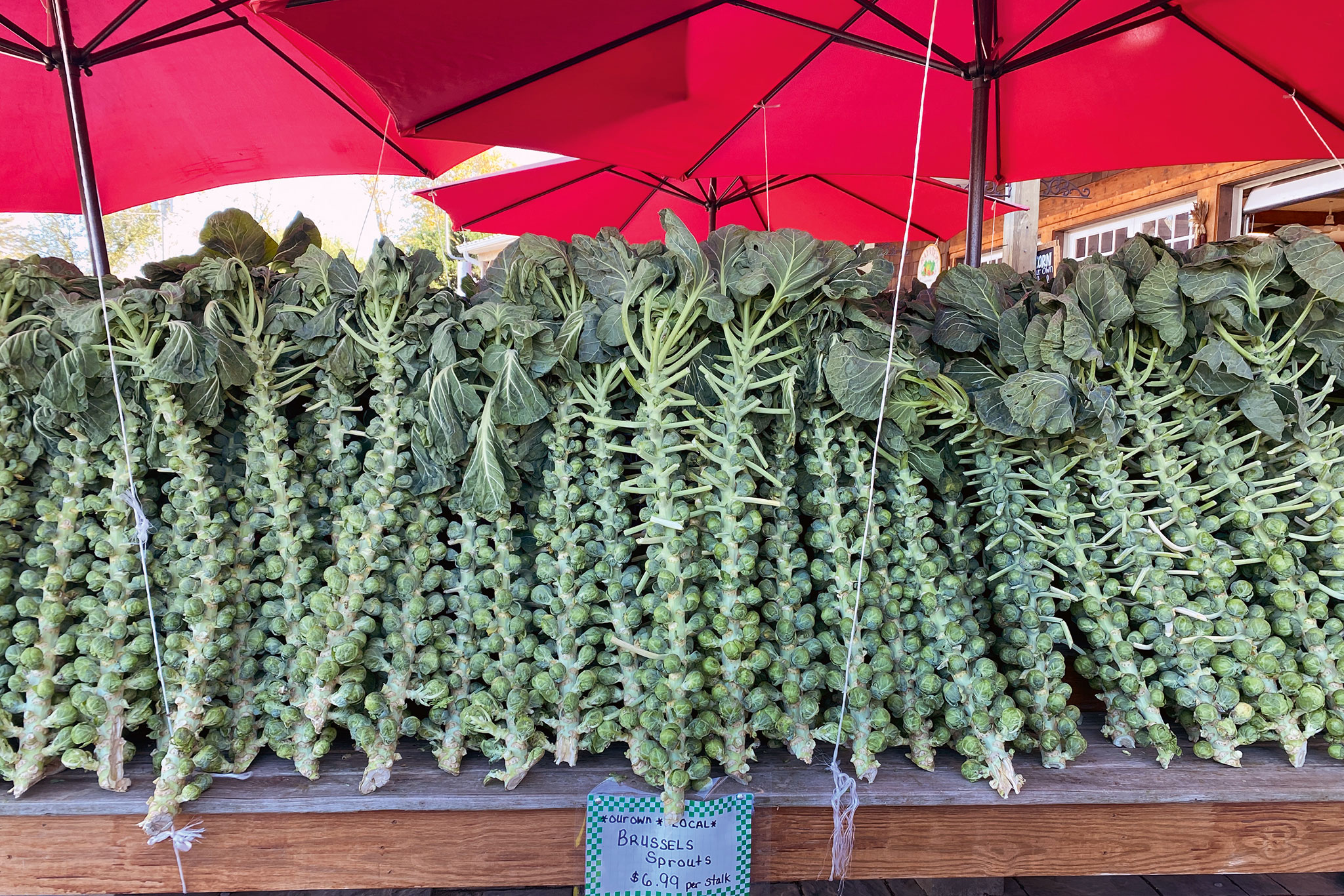
One table over, Brussels sprouts are still on the stalk, ready for customers to pick themselves. There are also small butternut squashes. Everyone knows the large ones—but small ones? And they’re not decorative gourds. Honeynut squash looks like a mini butternut, but its flesh is even sweeter, more vibrantly orange, and richer in flavor overall.

Pickups and Ferraris

Along the roadside, Ferraris are parked next to pickups. Some shoppers, once they’ve stopped, pull a kind of beach buggy or flatbed cart through the rows, overwhelmed by the abundance, piling on whatever will fit. Here, you really do shop with your eyes. And at around six dollars, the purple Romanesco isn’t exactly going to break the bank.

Take Sofia, for example, who’s just on her way home from work. She picks up beefsteak tomatoes—about a pound for three dollars. They’re just right, not too soft. The light-red, meaty heirloom tomatoes will go perfectly with her dinner, she thinks. In the next room, Sofia has already chosen fresh bread and cheese. For her, the farmers market is a must. For many around here, it’s a one-stop shop: “I shop here very often. Everything looks so beautiful, so fresh, and it’s so cozy. I feel right at home,” Sofia says.

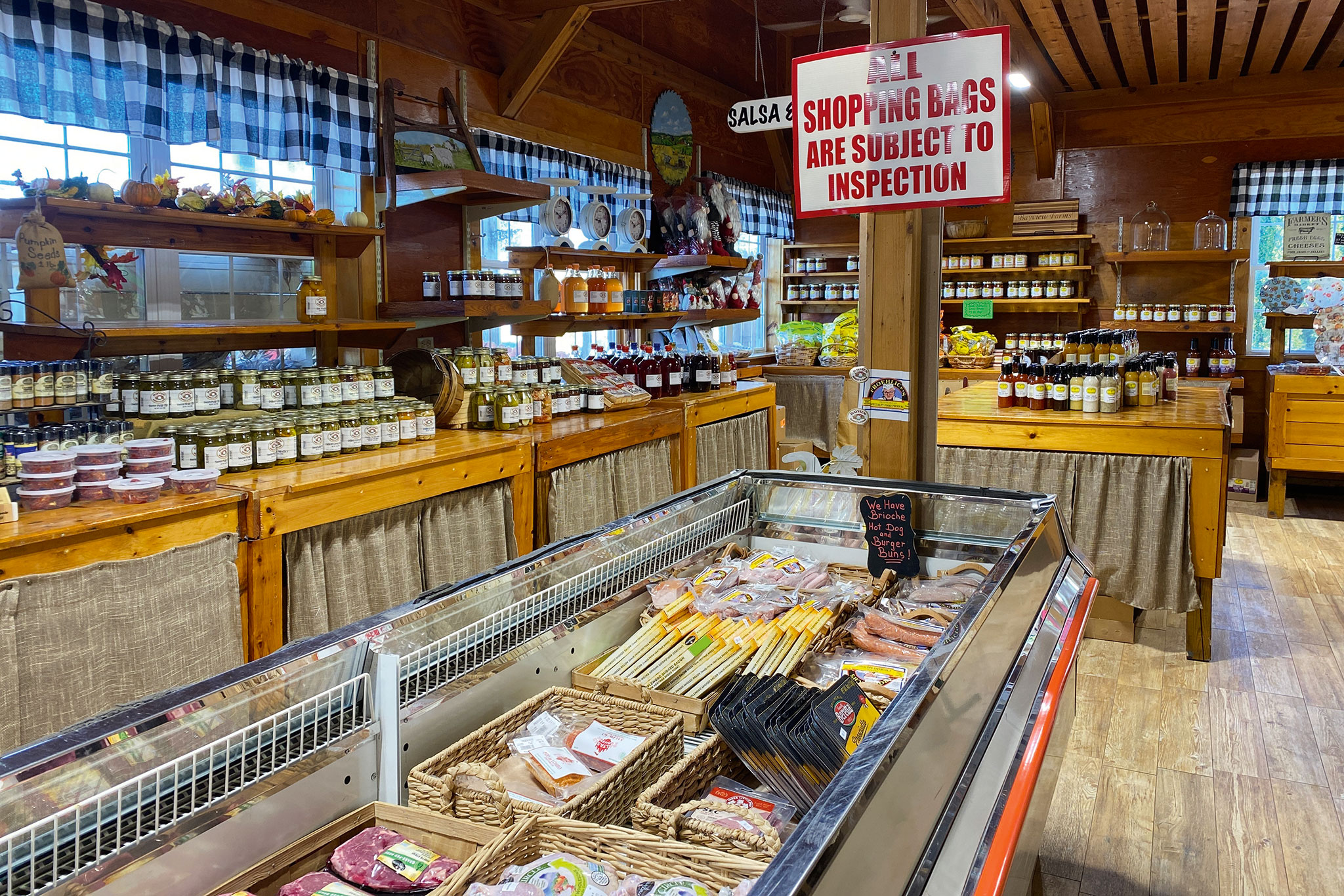
And indeed, you can find almost everything here. Katie and her team at Bayview Market & Farms bake muffins and fruit pies themselves. And because the Reeve family wants to offer a full range of products seven days a week, a butcher from Connecticut regularly delivers fresh sausage by boat across the Sound. A duck hunter supplies the famous Long Island ducks, local dairies bring fresh eggs and milk, and the bread comes from the neighborhood bakery.

Many of the products are made nearby at the Stony Brook University Food Business Incubator, where start-ups can work in a professional commercial kitchen and store their goods. The center was designed as an economic driver to support agriculture, aquaculture, and environmental industries in eastern Long Island.

Hollywood backdrop

Farm stands like Katie's are more common on the east end of Long Island. And every farm stand has its own charm. Some have already served as backdrops for films such as What the Heart Desires with Jack Nicholson and Diane Keaton or Revenge.

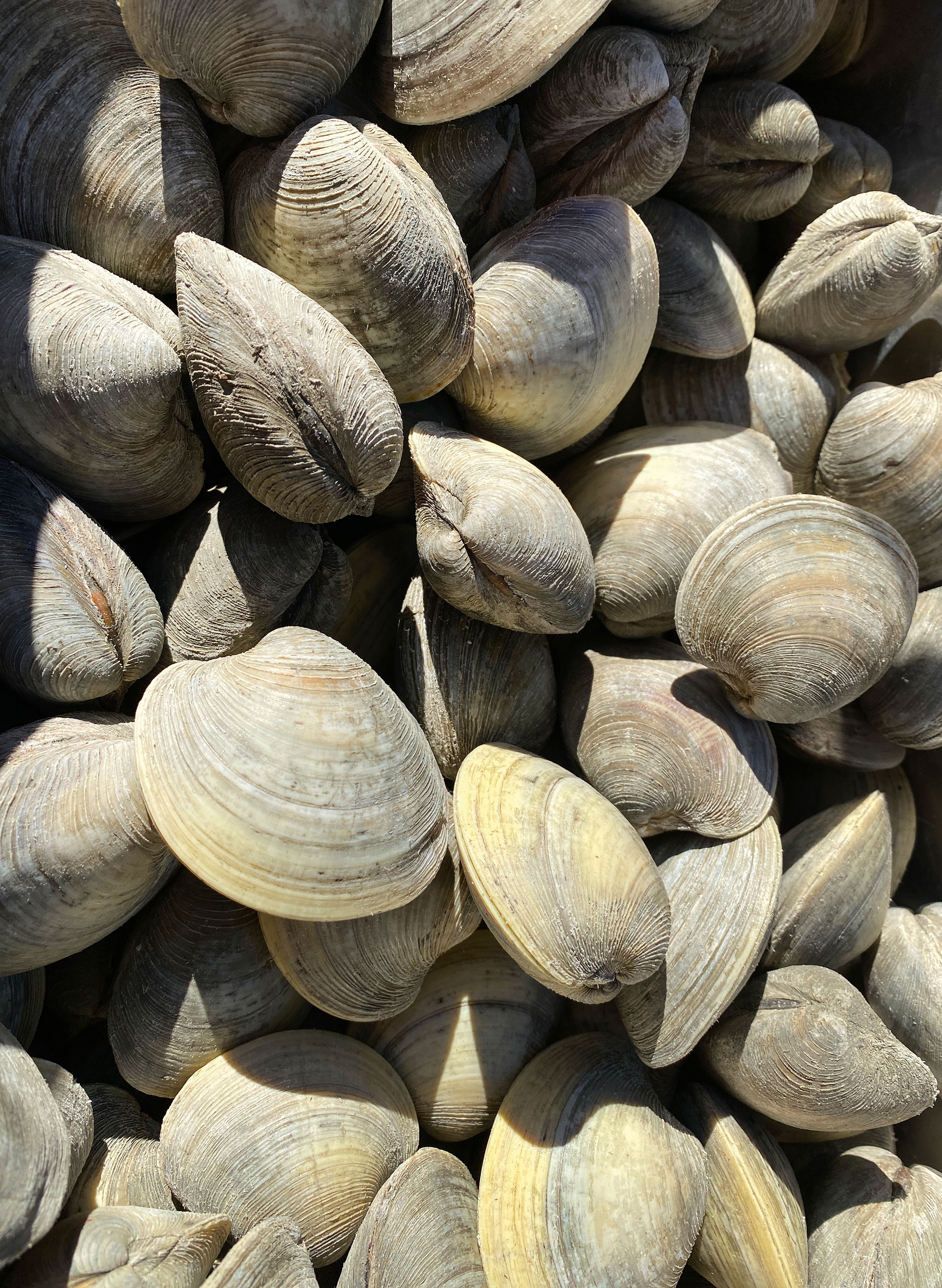
Other specialties can also be found here: Some stalls, such as the one on Montauk Highway in Westhampton, offer freshly prepared mussels in the summer months. Owner John Carson regularly collects the mussels from the bay himself. He also offers homemade honey and a variety of apples. In addition to Fuji and Jonagold, there are rare varieties such as Winesap, which are well suited for tarts, but are also used here for cider. The apples are sweet, with a spicy finish - and real vintage apples. Its history goes back to the American colonial era.

Legacy of the first settlers

Agriculture on Long Island, just outside Manhattan, was shaped by the European settlers who arrived in the region around 1600. The indigenous people who lived here before colonization mainly grew maize, beans and pumpkins. The so called "three sisters" formed the basis of her diet. The Europeans, especially the Dutch and English, brought a variety of agricultural methods and crops with them. They grew fruit, grain and vegetables and raised livestock - and thus played a decisive role in the development of modern agriculture on Long Island. Today's towns developed around the agricultural activities.

The ancestors of Paul Reeve, who runs Bayview Market & Farms, also arrived by ship from England 200 years ago during the colonial era. His parents still mainly grew potatoes - that used to be the main focus of agriculture here. Today, other vegetables play a role for him. Organic is not worthwhile, but the soil must meet certain criteria. But the former glacier has left behind a fertile, well-drained sandy loam soil. The seawater that surrounds Long Island on both sides warms the land and keeps the temperature moderate even in the fall. This and plenty of sunshine make the six-month harvest season possible.

The strawberry field opens in June, some of which you can pick yourself. Paul Reeve and his crews do not bring in the final harvest until the end of November. In spring, around Easter, the spinach starts to grow again.


Don't miss out!

Sign up now for our newsletter.

Angelika Ahrens
Angelika Ahrens
Author
Find out more
1 / 12