Skip to content

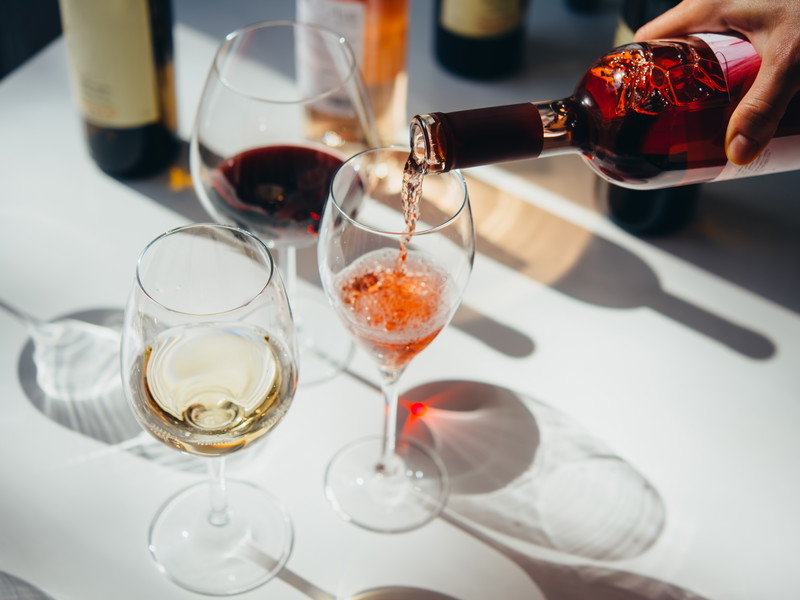
Global sales of non-alcoholic wines are rising, led by sparkling wines at over 80%.

Global sales of non-alcoholic wines are rising, led by sparkling wines at over 80%.
© Aix

From Zero to Hero: Non-alcoholic Sparkling Wines

Alcohol-free
Non-Alcoholic
Sparkling Wine

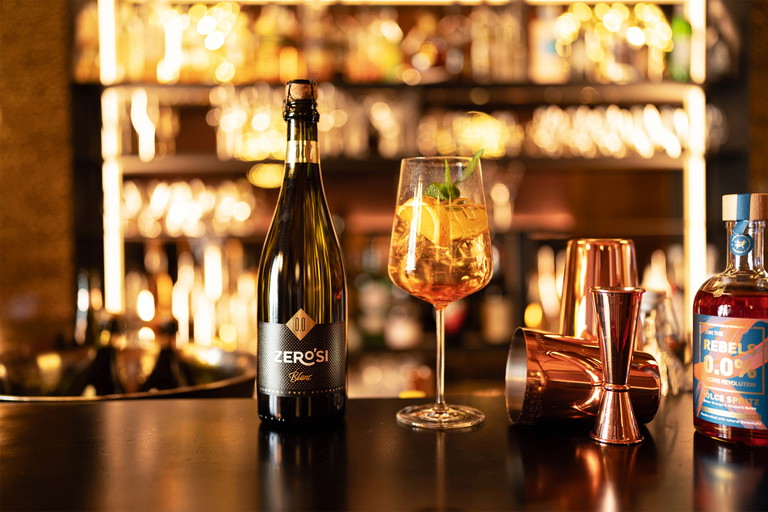
The market for non-alcoholic wines is flourishing—and sparkling varieties are leading the way. The secret to their success? It’s simpler than you might think.

Just a few years ago, “alcohol-free” was synonymous with “no fun.” Those who abstained from wine were often presumed to be pregnant, unwell, on duty—or simply a buzzkill. Today, that perception has completely shifted. Going alcohol-free has become a lifestyle choice, and global sales of non-alcoholic wines are surging. In 2024, the market reached an impressive €1.25 billion and, according to forecasts, is set to double by 2031.

Few realize that non-alcoholic sparkling wines already account for a remarkable 83 percent of total sales. The segment’s growing importance is underscored by the involvement of major luxury players: Last fall, LVMH Moët Hennessy - Louis Vuitton acquired a 30 percent stake in French Bloom, a premium producer of alcohol-free sparkling wine.

The numbers from the Falstaff Sparkling Trophy tell the same story. This year, 80 non-alcoholic sparkling wines were submitted—an enormous leap compared to past years, when entries were negligible. What was once dismissed as a passing fad has become a serious movement that’s redefining the beverage world. Even seasoned sommeliers and wine experts are now impressed by the depth, complexity, and finesse of these alcohol-free bubblies.

Their secret?

Carbonation has a balancing effect, enhancing structure and compensating for the absence of alcohol—proof that sophistication doesn’t always require spirits.

Generation Mindful Drinking

Why are alcohol-free sparkling wines booming right now? The reasons are many, reflecting a broader cultural transformation. At the heart of it lies the concept of mindful drinking—a more conscious, deliberate approach to alcohol. Increasingly, people are rethinking their drinking habits, choosing to cut back or abstain entirely—yet without giving up on pleasure, flavor, or the joy of shared moments.

The movement is driven above all by younger generations, particularly millennials and Gen Z, who value intentional enjoyment. For them, mental clarity and health take precedence over short-lived indulgence. In Switzerland, for example, millennials and Gen Z now drink about 40 percent less alcohol than their counterparts did a decade ago.

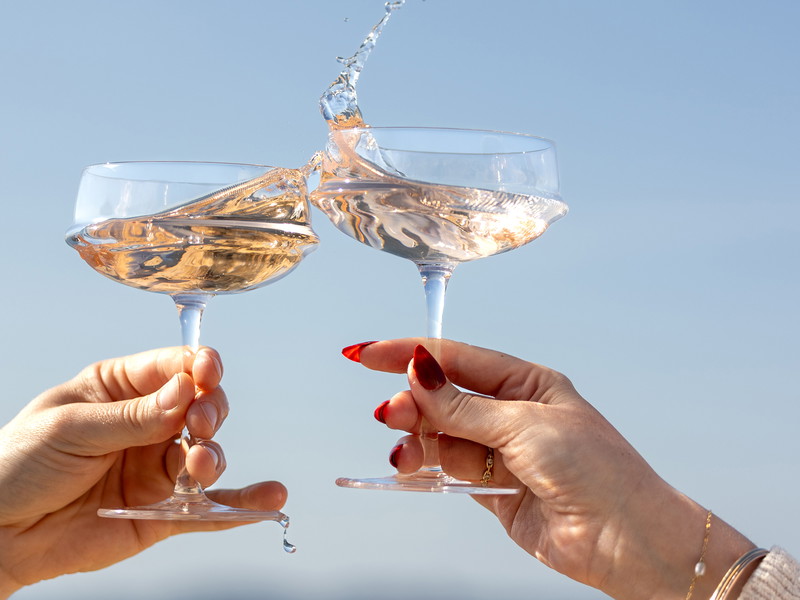
A similar pattern has emerged across Europe. Global campaigns such as Dry January and Sober October have helped normalize low- or no-alcohol choices and made mindful drinking a social statement. Alcohol-free sparkling wines, in particular, allow you to join in the ritual of a celebratory toast—without any of the unwanted consequences.

Bubbles—The Key to Success

One of the key reasons responsible for the rise of alcohol-free sparkling wines is the dramatic improvement in quality in recent years. Modern dealcoholization methods now use low-temperature processes—below 30 degrees Celsius—that preserve far more of the wine’s natural aromatics than earlier techniques. The result is a new generation of alcohol-free sparkling wines that rival their traditional counterparts in flavor and finesse.

Carbonation also plays a crucial role. The fine bubbles beautifully compensate for the absence of alcohol, delivering the familiar lively mouthfeel. This effervescence is, quite literally, the secret ingredient behind this category’s success. Sparkling wine, after all, thrives without alcohol—unlike many still wines, which often leave one with the sense that something is missing.

The hospitality world has also embraced the shift. Increasingly, restaurants and bars are stocking premium alcohol-free sparkling wines, with sommeliers pairing them across tasting menus to explore new and surprising flavor dimensions. Retailers are following suit, expanding shelf space to meet the growing demand.

More Than Just an Alternative

The segment’s “premiumization” reflects another major change—non-alcoholic sparkling wines are no longer viewed as substitutes but as a category in their own right. The German Wine Institute describes this evolution as a clear “trend toward premiumization.” Esteemed producers have recognized the potential: These wines are not merely a source of additional business but constitute represent an independent category with enormous potential.

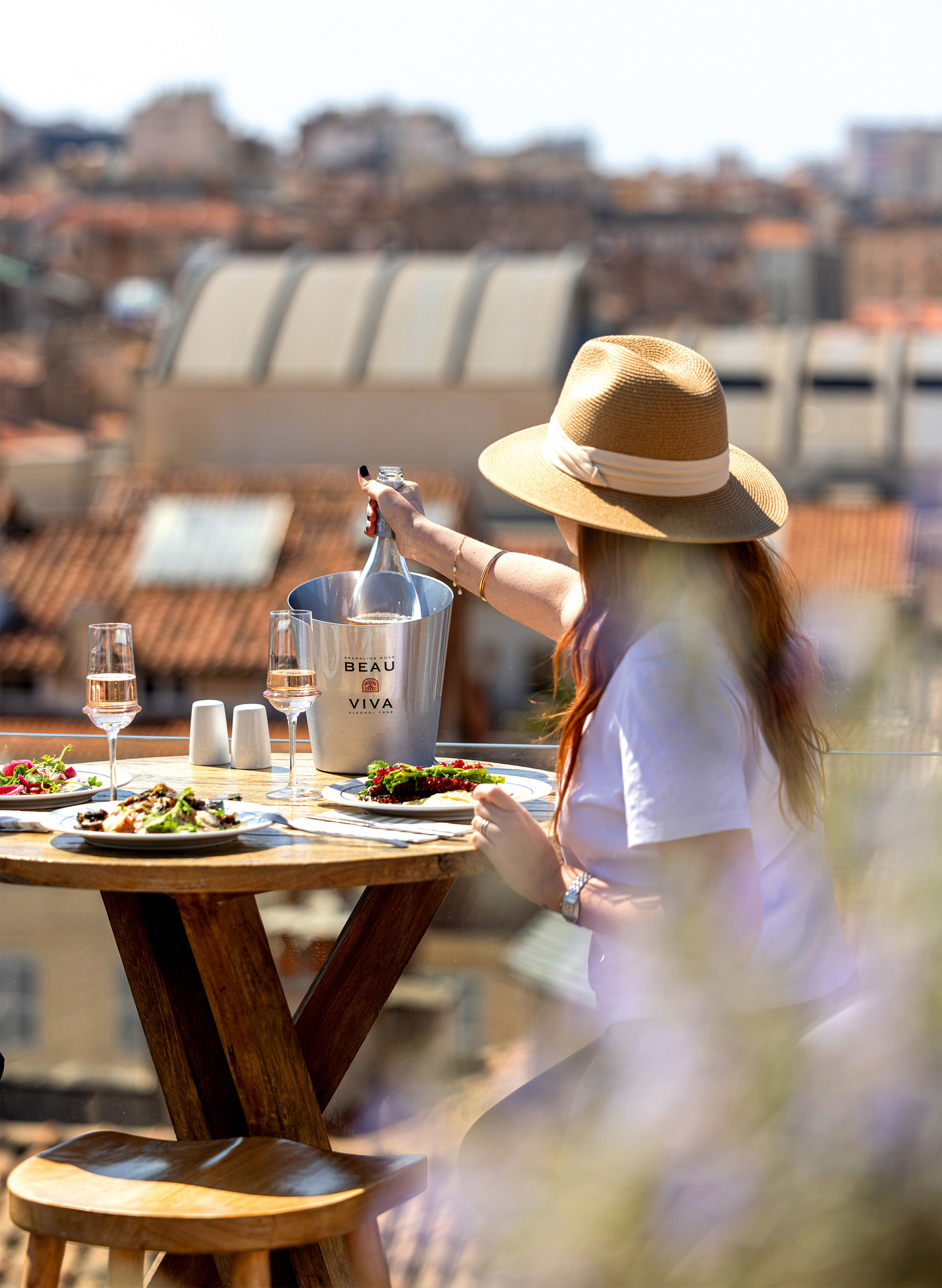
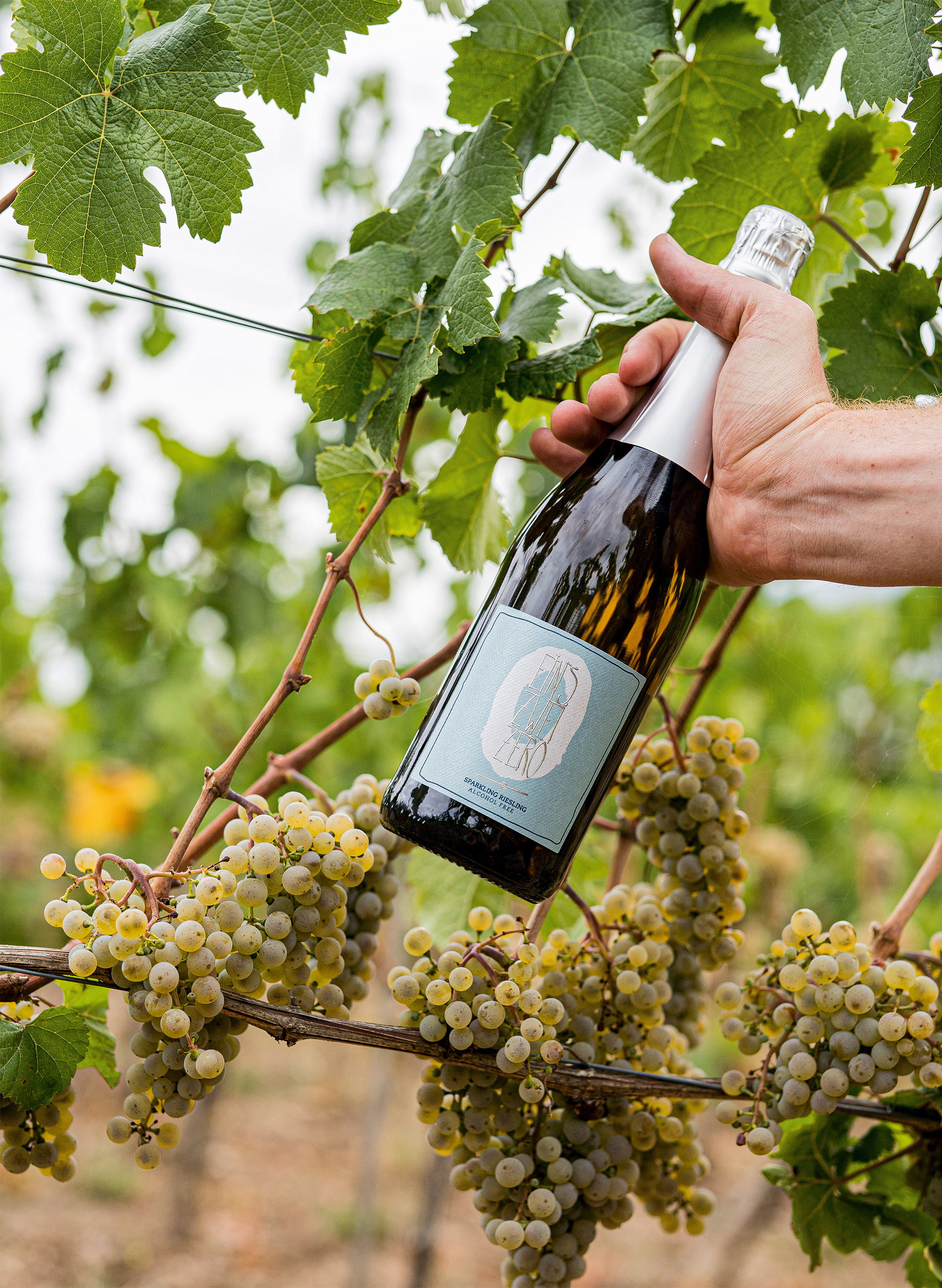
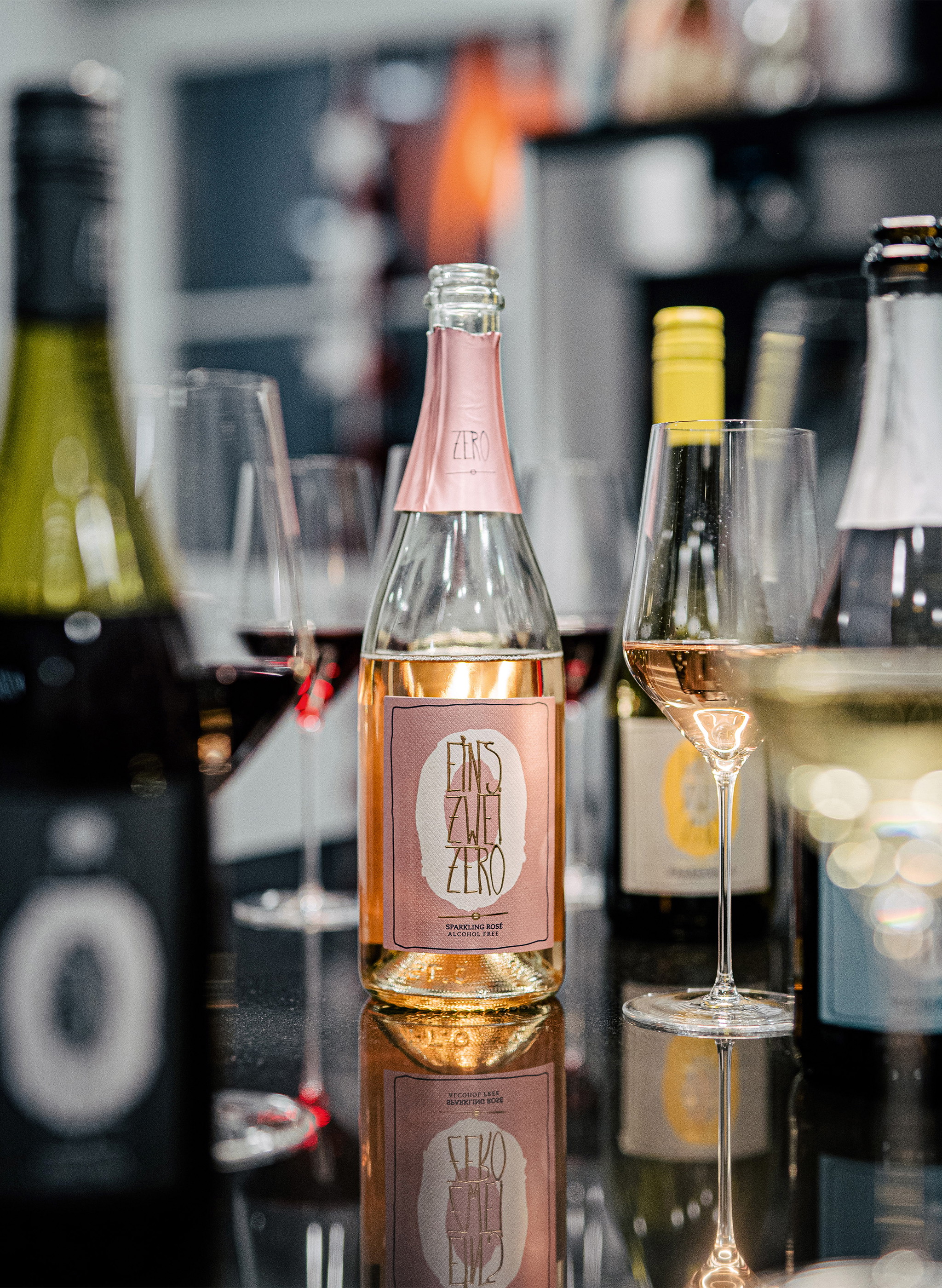
Innovative brands such as Stuttgart's Lust & Feast use cold extractions of herbs and flowers to craft elegant alcohol-free cuvées. The Winery Leitz in Germany’s Rheingau region set new benchmarks with its “One-Two-Zero” series, demonstrating that tradition and innovation can merge seamlessly. Beyond Germany, international names like Aix Rosé from France and Beau Viva with its Sparkling Rosé are gaining increasing traction across Europe.

Even new hybrid categories are emerging, such as Van Nahmen’s “Juicy Teas”—fermented tea beverages that serve as a refined, sparkling alternative to conventional wine. Yet calling them “alternatives” understates their impact; the market has evolved far beyond imitation, offering a platform for creativity and entirely new drinking experiences.

The future of alcohol-free sparkling wines looks bright indeed. Supported by a cultural shift toward mindful consumption, technological innovation, and growing enthusiasm across generations, what began as a niche is now a cornerstone of modern beverage culture—sparkling, sophisticated, and blissfully hangover-free. In the end, as every convert soon realizes: you don’t need alcohol to raise a toast in style.

Among the Best Dealcoholized Sparkling Wines

The Editors
Find out more
1 / 12