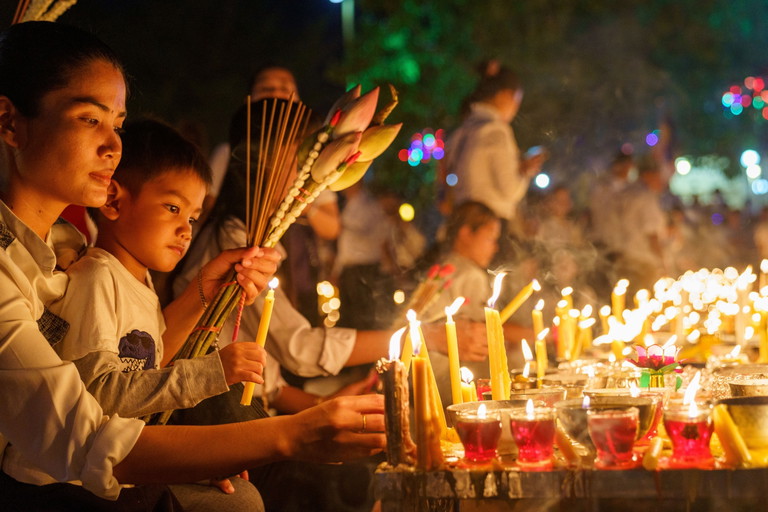
People around the world commemorate the deceased in their own way. The date on which the Day of the Dead is celebrated often falls on the night of October 31. Whether "Halloween", "Samhain" or "Día de los Muertos " - old traditions and customs are brought to life all over the world on this day.
Irish celebrate "Samhain"
"Halloween, as we know it today, goes back to the Celtic festival of Samhain, on the evening of 31.10. On November 1, the Celts believed that the gate to the world of the dead is opened and the deceased come to earth - either to visit their relatives or to take revenge on the living. To scare off evil spirits, the Celts dressed up in scary costumes. Small gifts and welcome lights were provided for good spirits - today's "treats" and carved pumpkin lanterns.
Today, the Irish celebrate the once Celtic festival as part of The Spirits of Meath Festival, for example, an hour's drive from Dublin.
"Día de los Muertos" in Latin America
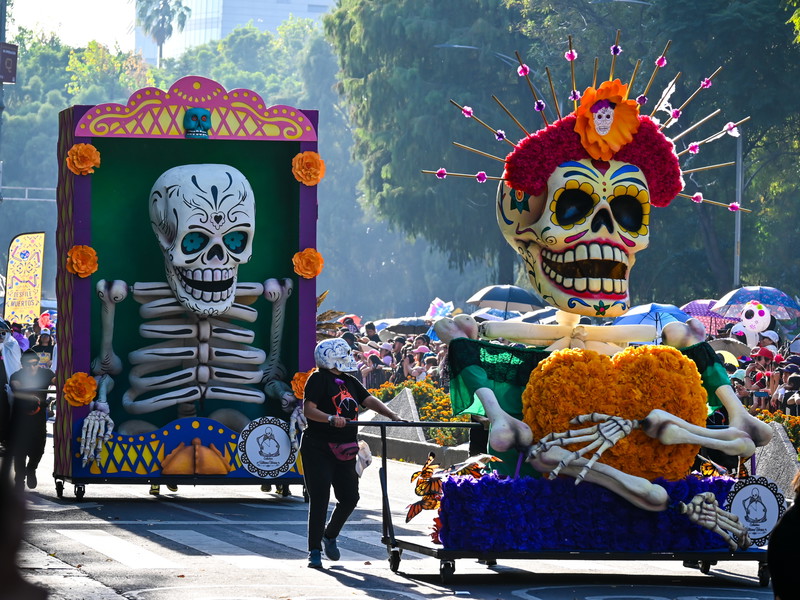
The "Día de los Muertos" has been well known ever since the Disney film "Coco". The "Day of the Dead" is celebrated in Mexico and other parts of Latin America. It is believed that at midnight on October 31, the gates to heaven open and the souls of the deceased join their families. Gifts such as food, water, candles and family mementos are to welcome the ancestors and satisfy their hunger after the long journey. Unlike "Halloween", the "Día de los Muertos" is a Celebration full of color, song and dance.
The city of Oaxaca de Juárez, the capital of the Mexican state of Oaxaca, is known nationwide for its magnificent festivities.
"Día de los Finaos" in the Canary Islands
On the Canary Islands the merry festival "Día de los Finaos" is celebrated. Chestnuts are traditionally prepared and stories about the dead are told, often in sung form and accompanied by traditional instruments such as bandurrias, guitars and tambourines. Especially on Tenerife this tradition is still very much alive.