The German Bread Register currently lists more than 3,000 varieties of bread baked and sold across the country every day. That abundance makes choosing a loaf no simple task. To help shorten the decision time at the bakery counter, it’s worth taking a closer look at the defining qualities of the most familiar classics. But first: When it comes to bread, what is considered “healthy”, depends on the ingredients, the production method, and individual tolerability. Still, the differences between the following types of bread make it clear that not all loaves are equal.
Wholegrain Bread
Wholegrain bread has earned its reputation as one of the healthiest options. Made from the entire grain—germ, bran, and endosperm—it contains significantly more fiber, minerals, and phytonutrients than white or mixed bread. Fiber helps you feel full longer, supports digestion, and moderates blood sugar levels. Wholemeal or wholegrain flour should be at the top of the ingredients list.
Rye Bread
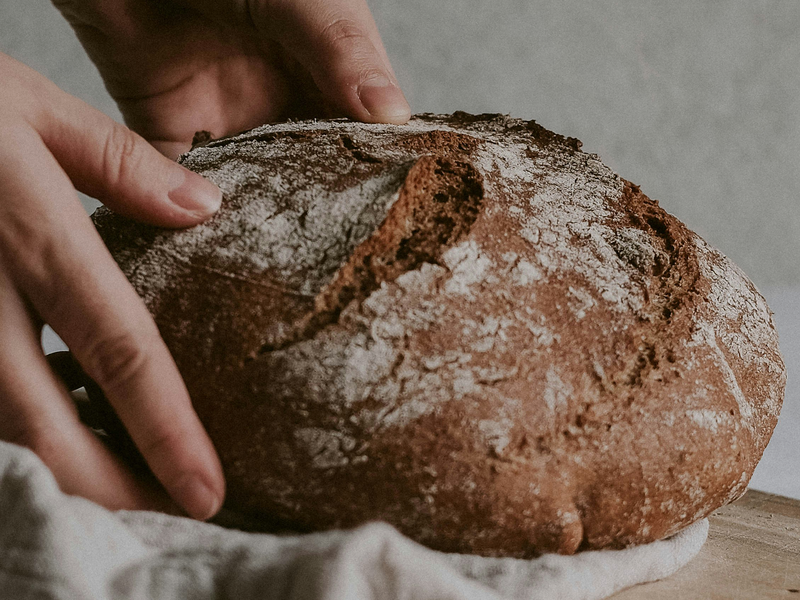
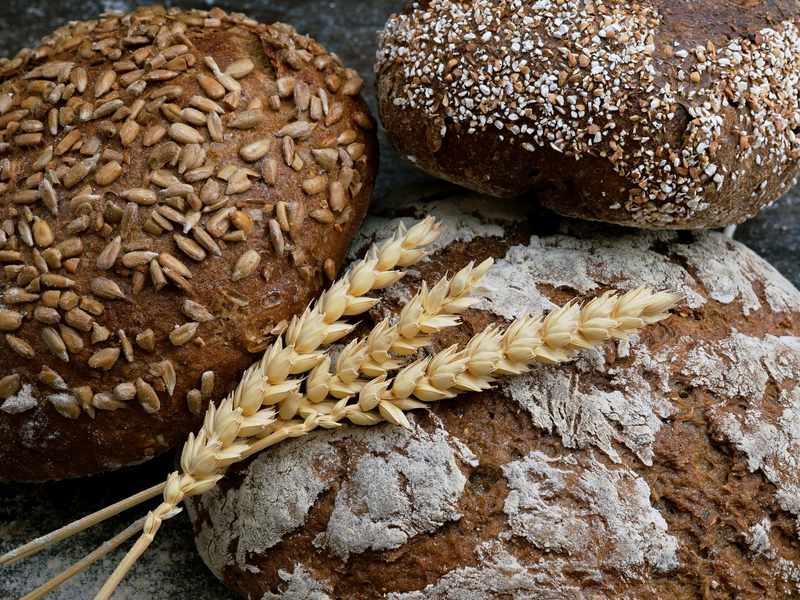
Rye bread, especially when made with sourdough, also ranks highly. Rye is rich in soluble fiber, which slows blood sugar spikes and promotes satiety. Long fermentation enhances mineral absorption and improves digestibility for many people. In addition, sourdough fermentation can develop more than 300 aromatic compounds, lending rye bread its signature hearty character.
Spelt Bread
Spelt, a variety of wheat, differs slightly in its protein structure, which some find easier to digest. For most healthy individuals, though, its nutritional value is comparable to wheat. What spelt bread often offers instead is a richer, nuttier flavor, particularly when produced by artisan bakers. As always, wholegrain spelt bread provides far more nutrients than light, refined versions.
Seeded Bread
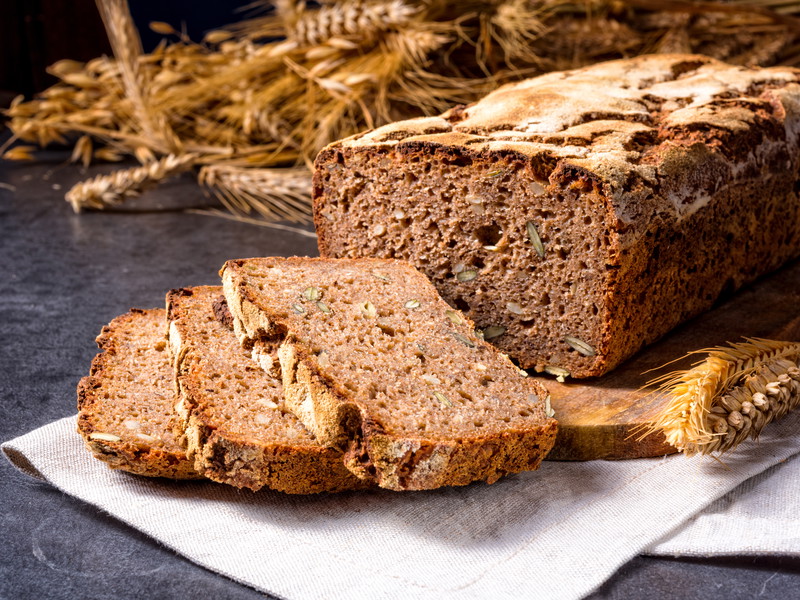
This category stands out because pure seeded bread often contains no flour at all. Flaxseeds, chia, psyllium husks, hazelnuts, sunflower seeds, or quinoa take its place, adding healthy fats, protein, and abundant fiber. These varieties are typically nutrient-dense—though they can also be higher in calories.
Protein and Low-Carb Bread
Protein is having a major moment, particularly in the world of fitness and nutrition, and protein bread has followed suit. Typically lower in carbohydrates but higher in protein and fat, these loaves are suitable for certain diets. Still, moderation is key: A significant amount of commercial protein bread is highly processed and not necessarily healthier than traditional options.
Which Typ of Bread Is the Healthiest?
The answer is: wholegrain or rye sourdough bread with a short ingredient list that was fermented for a long time and baked in a traditional manner. Ultimately, though, it’s the combination that matters most:
-
High wholegrain content
-
Slow fermentation (sourdough over quick yeast)
-
Minimal additives
Choose bread based on what’s inside—and how it’s made—and you’ll end up with a loaf that’s both wholesome and tastes good.