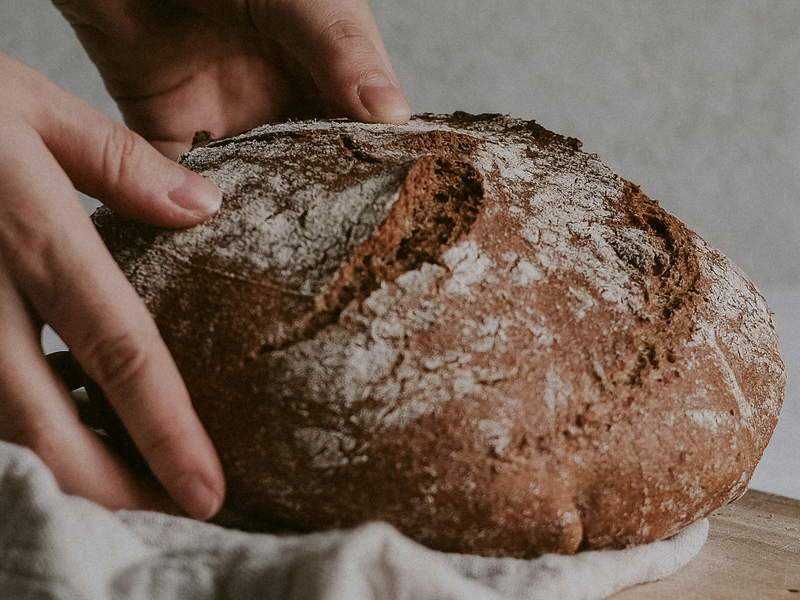
Nothing beats the first slice of fresh bread: still warm, the crust crisp, the crumb soft and fragrant. Yet soon after comes the familiar question—how to store what’s left? Many instinctively turn to the refrigerator to prolong freshness. While that works for most foods, when it comes to bread, it’s the wrong move.
Clay containers for the win
If you want to keep bread at its best, skip the cold and focus on natural materials. Unglazed stoneware or clay pots are ideal: They absorb excess moisture from the bread and release it gradually, keeping the loaf moist without encouraging mold. This method helps bread stay succulent for several days.
A canvas pouch also works well. Though the bread may lose a bit of moisture faster, the crust stays firm—crucial for maintaining both flavor and freshness.
Quality check in the supermarket
The crust is a marker of quality. Many shoppers instinctively reach for the softest bread on the shelf, assuming it’s the freshest. Yet a well-baked crust is essential. It acts as a natural barrier, protecting the moist crumb inside and slowing down the staling process.
Look for tiny protein bubbles around the edges of the crust; they indicate that the dough was given enough time to ferment. The longer bread is allowed to mature, the better it binds moisture—and the longer the crumb stays soft and supple.
Whole or sliced?
Convenient though it may be, sliced bread dries out more quickly. Every cut surface allows moisture to escape, and when stored in paper or plastic bags, the crust soon turns soft and loses its structure. For maximum longevity—and the best taste—buy a whole loaf and slice only as needed.
With the right care, your bread can stay delicious far beyond that perfect first slice—no fridge required.