Baking bread and sharing recipes has become a global pastime on social media – and at the heart of it all is focaccia. Often artfully adorned with vegetables, aromatic herbs or even edible flowers, the rustic Italian loaf has risen to stardom in the online baking world. But behind its instagram-worthy appearance lies a true cornerstone of Italian culinary tradition. In Italy, focaccia has long been a staple of everyday cuisine – simple, comforting and deeply rooten in regional heritage. Amid today's creative interpretations, it's worth stepping back to explore its origins: where does it come from, and what makes its charm so enduring?
One thing is certain: Focaccia has truly stood the test of time. Its origins go back to ancient Rome, where it was prepared with coarse flour, water and olive oil, then baked over an open fire and served with soups and stews. As centuries passed, this humble flatbreadfrom from Rome across Europe, becoming a fixture at religious festivals in France and Spain. In many regions, it was even incorporated into church ceremonies – becoming enblematic of both nourishment and ritual.
By the 20th century, European immigrants carried their treasured recipes to the United States, where focaccia found a new purpose: Topped with ingredients like lemon slices and rosemary, it quickly captured the imagination of American bakers and foodies alike. Since then, focaccia has left a lasting imprint on the global culinary scene – adaptable, flavorful and steeped in history.
One Dish, Many Variations
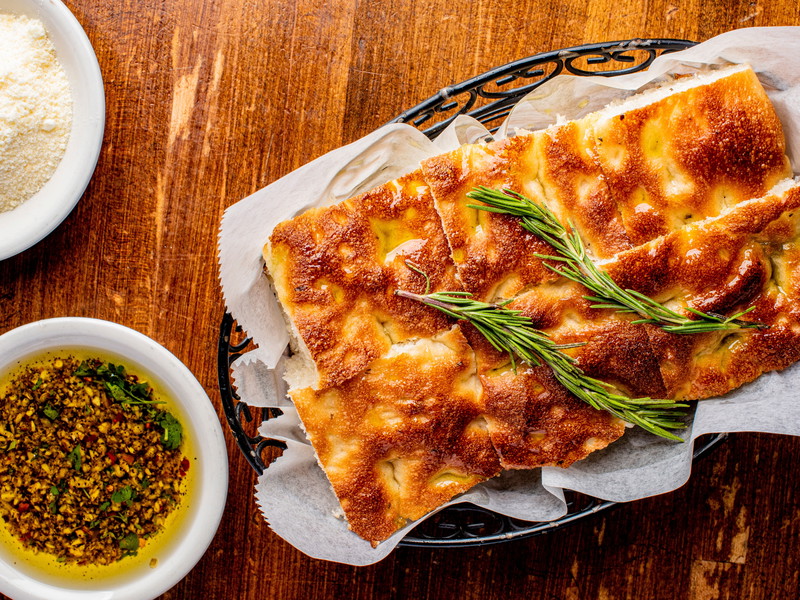
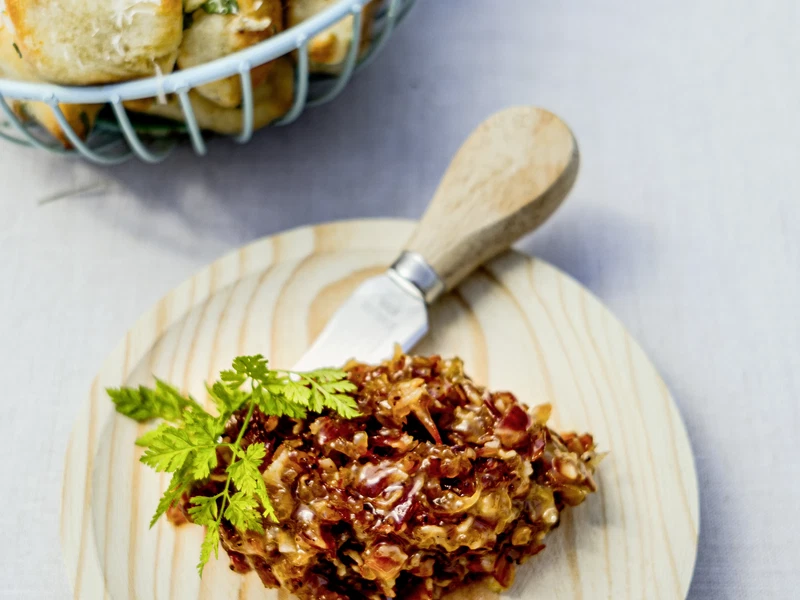
Focaccia has evolved into a true culinary chameleon, with countless ways to enjoy it. In many Italian regions, it's even part of breakfast culture: Topped with eggs, crispy bacon or creamy cheese spreads, it offers a Mediterranean twist on the classic morning toast. In restaurants, it's often served as a savory starter or side, enhanced with pesto, olives, caramelized onions or rich cheeses.
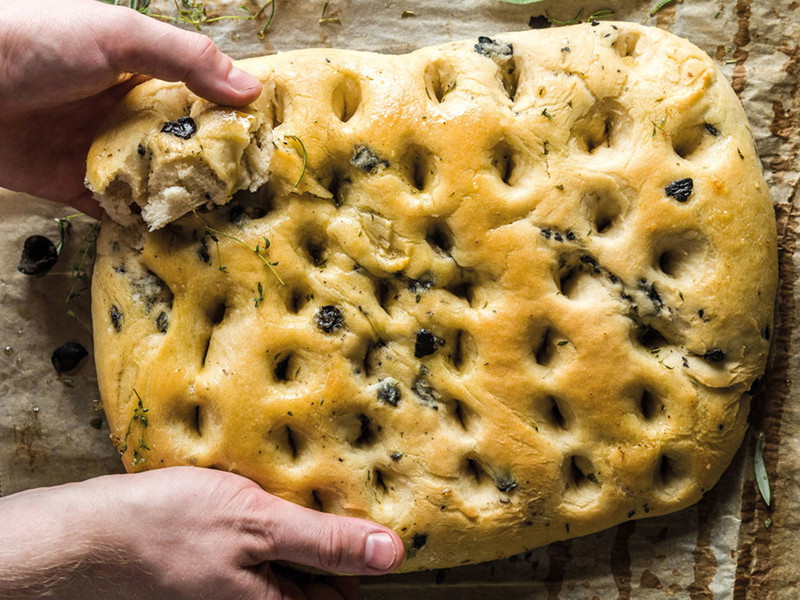
Regional styles vary widely. In some areas, focaccia is topped so generously – with roasted vegetables, meats or cheese – that it becomes a hearty main course in itself. Elsewhere, ingredients like olives or tomatoes are baked directly into the dough, creating a more subtle, rustic flavor. In certain places, focaccia blurs the line between bread and pizza, taking on a thinner base and crispier edges.
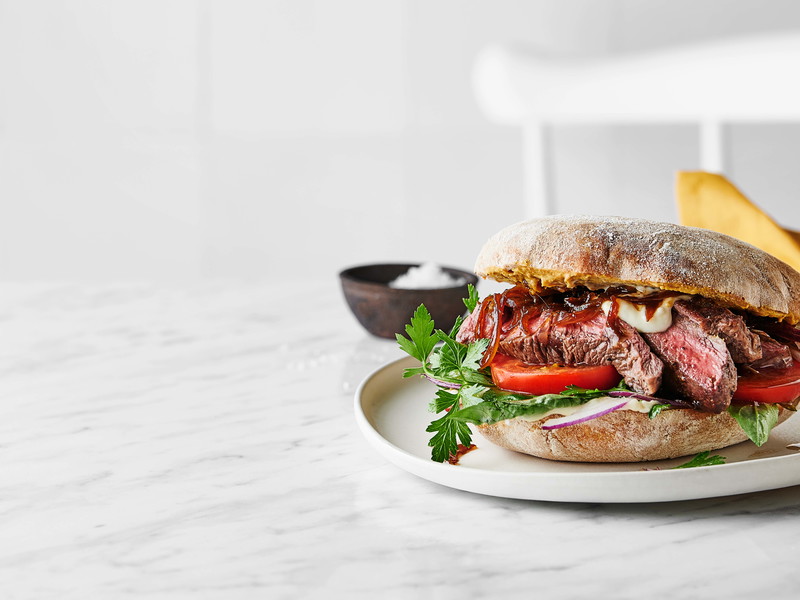
Whether served as an appetizer, a sandwich or part of a cheese platter, focaccia always delivers. It's equally delightful dipped into soups, paired with fresh salads or simply enjoyed on its own – sliced, torn, or dipped. However you serve it, one thing is clear: focaccia never fails to disappoint.
And for those who want to try it at home, Falstaff has just the recipe for soft, fluffy homemade focaccia: