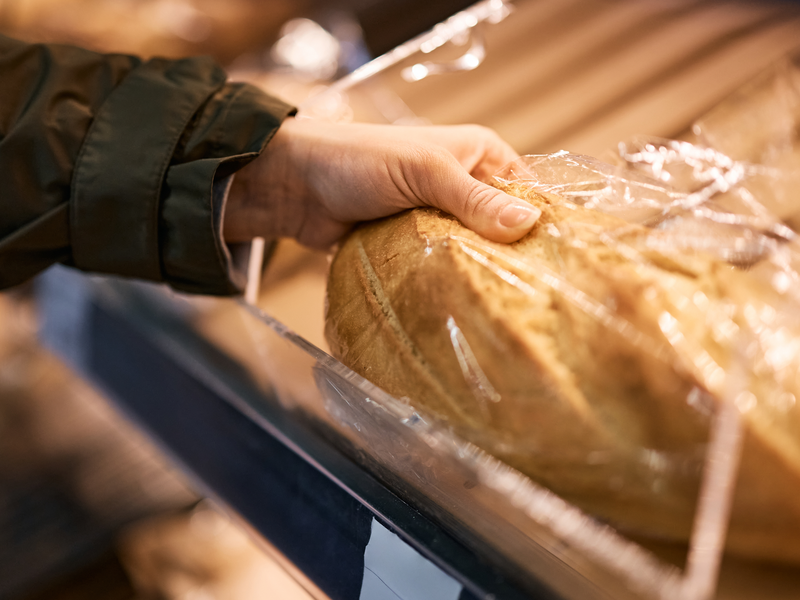
If you’re reaching for a cheap loaf of bread, pre-packaged products often seem like the easiest choice. They’re convenient, durable, and appear inexpensive. Unfortunately, at a cost: Both flavor and digestibility often take a back seat. Bread sommelier Axel Schmitt is blunt about loaves with a long shelf life: Packaged bread, he notes, provides minimal nutritional value.
Fortunately, supermarkets still offer plenty of high-quality options—you just need to know what to look for. The secret ingredient is time. Long fermentation, extended proofing, and starter doughs not only develop flavor but also improve freshness and digestibility. Quickly baked bread might satisfy your hunger, but it lacks flavor depth and is harder to digest. “Time is expensive, and in the industry, it’s the first thing to skimp on,” explains Schmitt.
The Right Location
Schmitt divides supermarket bread into three categories. Many stores bake on site behind the counter, though quality can vary from location to location. This is where you’re most likely to find genuine artisan-style loaves. Pre-packaged bread from regional bakers—made with sourdough and long dough cycles—can often be found on self-service shelves, sometimes marked with logos or small displays. If in doubt, ask. Most other loaves are industrially produced, whether baked on site or pre-packaged.
Not All Loaves Are Equal
So how do you spot a good loaf? Start with the crust. Loaves with subtle browning variations and irregular shapes hint at patient, careful dough handling, whereas perfectly uniform loaves often indicate industrial baking. Soft bread isn’t always fresh—the crust should be firm, so that the bread is protected and moisture locked in. Aroma is another clue: Hints of caramel, nuts, or coffee signal quality.
Ingredients tell their own story. “The fewer, the better,” says Schmitt. A few simple elements—flour, water, salt, and maybe some grains—are all you need. Long lists of additives like acetic acid or emulsifiers extend shelf life but dull flavor. By learning these signs, you can find truly good bread in the supermarket. It may cost a little more, but the taste, health benefits, and digestibility are worth it.