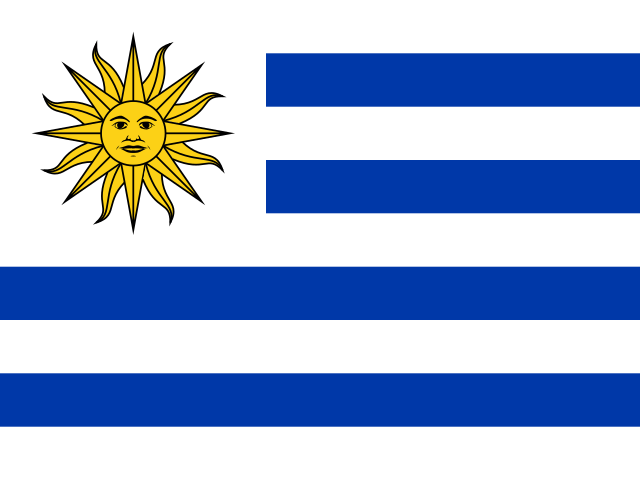
For a long time, this relatively small country north of Argentina did not play a significant role in viticulture, but in the last 25-30 years, it has gained a secure place on the world wine map of fine wines. Vines were probably brought to the country by Spanish and Italian immigrants in the first half of the 19th century, but commercial viticulture has only been practised since 1870. Today, the vineyard area is about 9,000 hectares, most of the vineyards are located in the estuary of the Rio de la Plata, but there are also a few in the far north on the border to Brazil. The climate, especially on the Rio de La Plata, with its Mediterranean characteristics and the cool influences from the imposing river as well as from the nearby Atlantic, is ideal for viticulture, which is concentrated above all in the sub-regions of Canelones, Colonia San José and the region around the capital Montevideo. The most important grape variety is Tannat, known from Madiran in the southwest of France, which was probably introduced by the émigré Pascal Harriague in 1838. However, the wines are not quite as tannic as in Madiran and can be enjoyed somewhat earlier. Some wines come from vines that are over 100 years old. Other relevant grape varieties in cultivation are Merlot and Cabernet Sauvignon, often used in blends with Tannat, as well as Tempranillo. For white wines, Sauvignon Blanc, Chardonnay and, more recently, Albarino is increasingly cultivated. Exports account for about 14 million litres of production.