What did it say?
It reads a little dry at first, but Joseph Krug also explains his conviction on how great champagne should be made: You can only make great wine from the finest raw materials. Accepting lower quality risks both the results and the reputation. And then: A great house should always strive for champagne of the same quality. He has thus abolished the entire hierarchy – non-vintage, vintage, prestige – in one stroke.
What is your own contribution to this legacy?
Perhaps the sense of community, the connection between people. The diary is very technical – it's about wine, origin, and so on. My generation adds the theme of connection - to chefs, partners, friends.
You are in contact with countless Krug enthusiasts worldwide via Instagram. Has anyone ever said something that changed your own perspective?
It's never a single person, it's hundreds, thousands. Many of them still remember exactly when and where they drank their first glass of Krug and how it made them feel. No one needs expertise to understand Krug.
You repeatedly criticize wine jargon.
Because it creates a barrier. If someone in a restaurant wants to know what a Krug is, they don't want technical language – they want an emotional approach. First comes the feeling, then the details.
What makes the new releases particularly special for you?
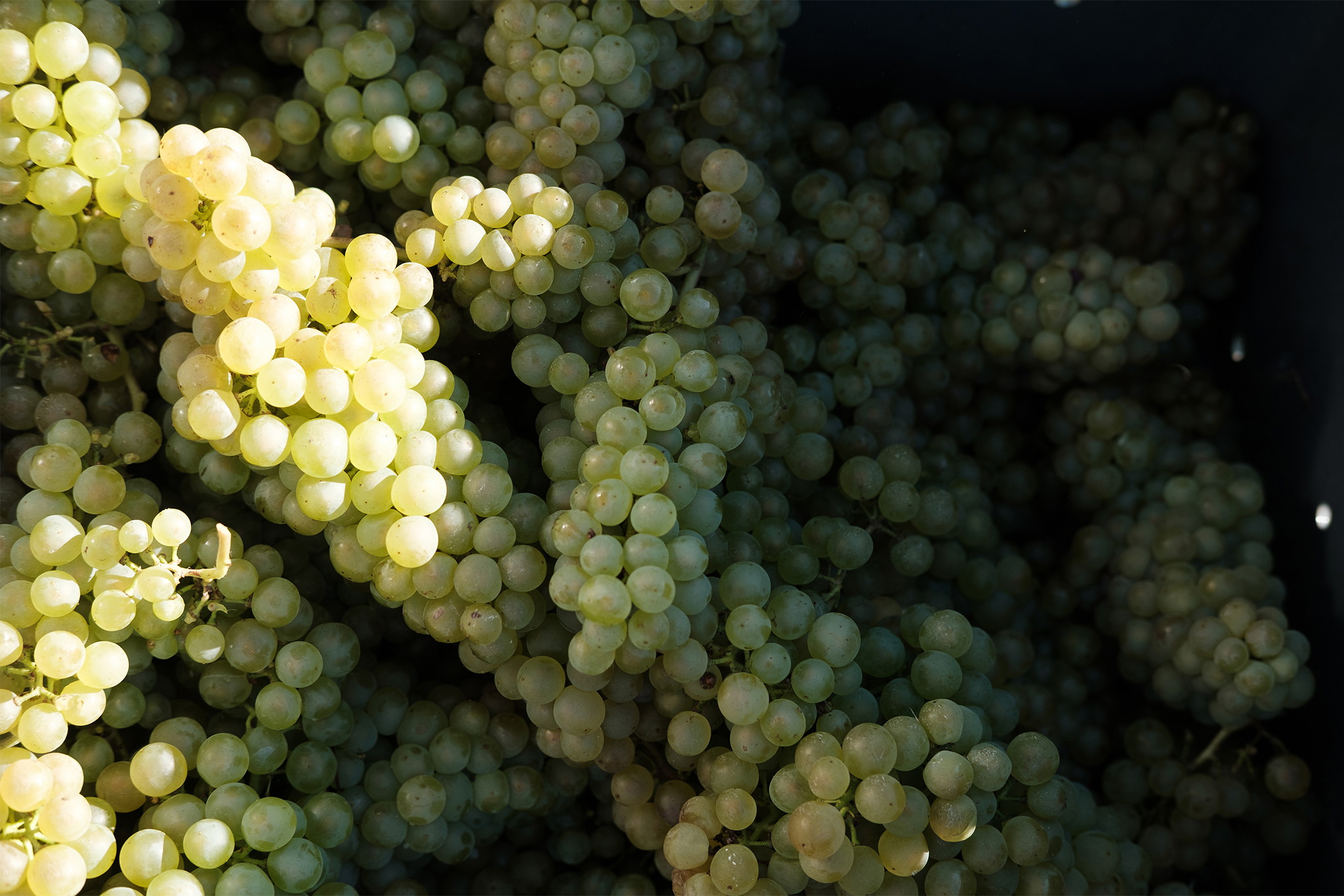
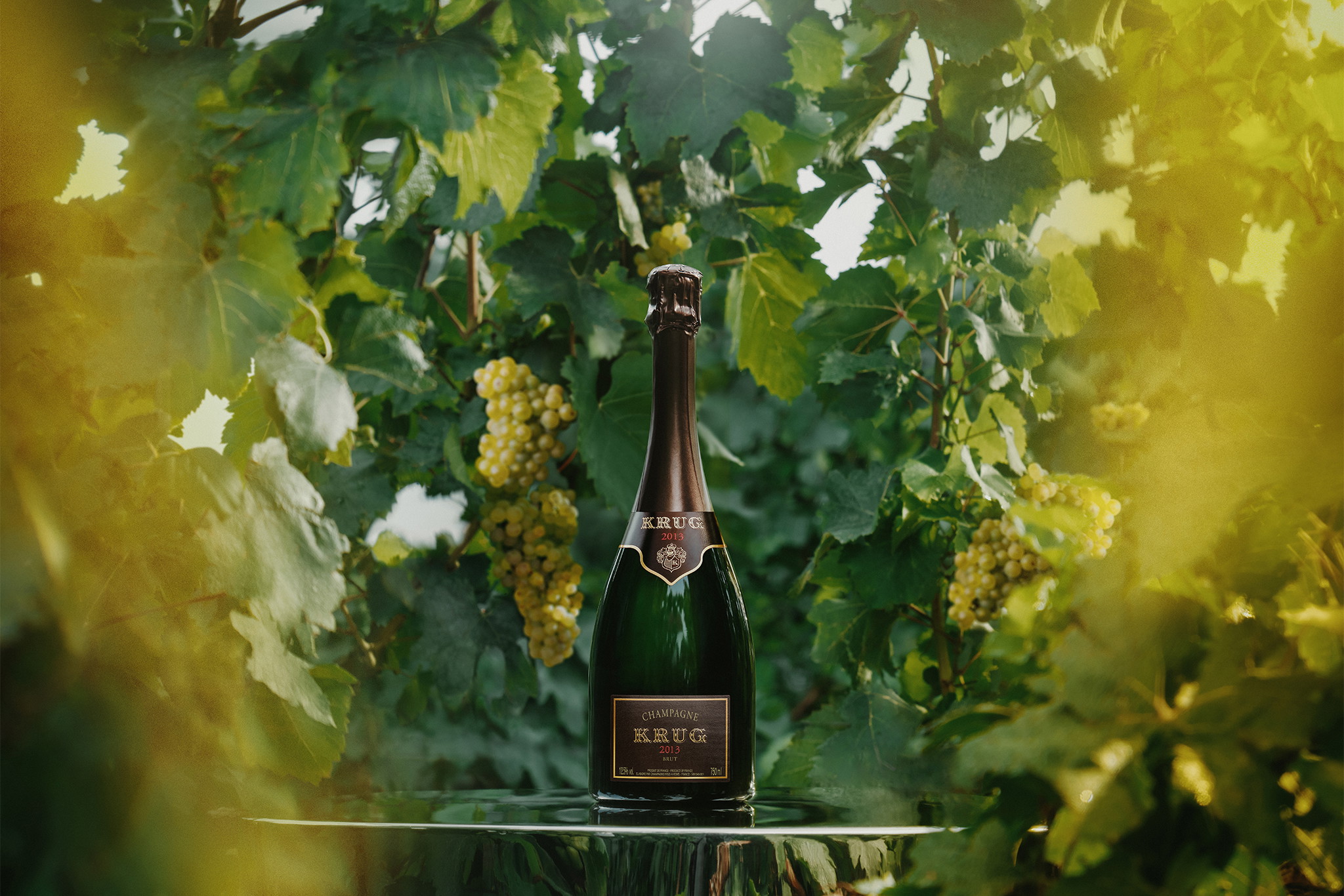
2013 is fantastic. It's a vintage reminiscent of earlier times – though one tends to forget that such vintages were rare even then. It is truly exceptional. We don't talk much about the great summer we had back then, but late August and early September were great. This vintage benefited enormously from the sun. And I love the fact that we can say that we have realised the founder's vision for the 174th time with the 174th Edition. The wines will be released this fall.



 Route
Route