Skip to content
© Shutterstock

Are Water Filters Doing More Harm Than Good? A Water Sommelier Weighs In

Interview
Water
Expert Tips

1.5 liters a day—but does it have to be mineral water, or is tap water enough? Water sommelier Dirk Scheu warns that stagnant water can change quickly, coffee machine reservoirs may turn into hygiene traps, and even water filters aren’t always as safe as they seem.

Falstaff: Mr. Scheu, according to a recent study, more and more people in Germany are regularly drinking mineral water. Is this boom justified—or does tap water do the job just as well?

Dirk Scheu: Germany has exceptionally high drinking water standards. From a health standpoint, tap water quality is generally more than adequate. The debate over mineral versus tap water is unfounded: They serve different purposes.

What distinct purposes do they serve?

Tap water is a multifunctional commodity—technically optimized, consistent, and neutral. Consciously chosen mineral water, by contrast, offers sensory diversity.

Many people consider water a neutral product. What truly distinguishes mineral water from tap water?

Water can differ significantly in taste. Its mineral content, level of carbonation, origin, and geological composition influence sweetness, bitterness, salinity, and mouthfeel. Very lightly mineralized water can accompany food or wine without overpowering it. Highly mineralized waters, on the other hand, can display strong character—and sometimes even come across dominant.

What makes water exciting in your view?

When it fulfills a specific purpose. Water meant to quench thirst requires different qualities than water paired with wine or used for making coffee. Unlike tap water, mineral water is not a neutral product—it is a sensory medium.

Can you give everyday examples that make these differences tangible?

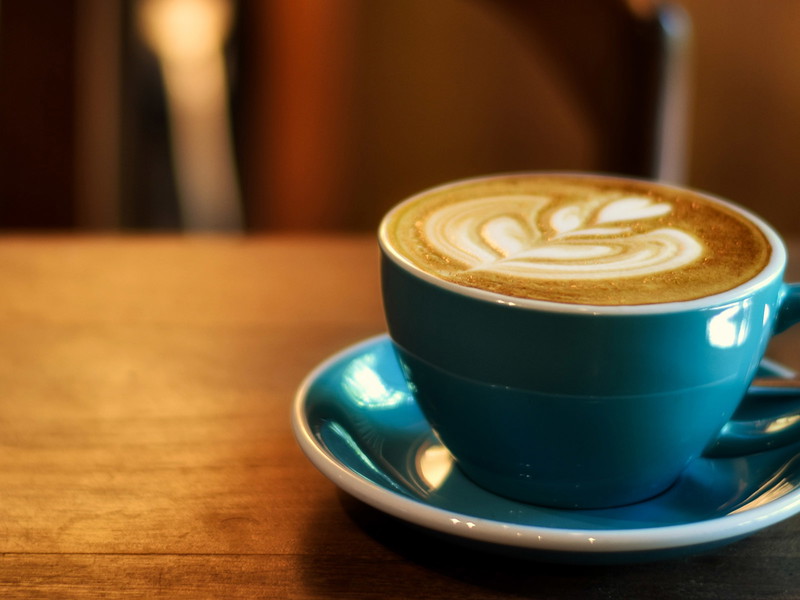
Absolutely. An espresso tastes noticeably different when prepared with hard water rather than soft water. The flavor of a strong red wine can be altered significantly by the water served alongside it. That’s where the real added value of mineral water lies: in the opportunity to make a conscious choice and shape the tasting experience.

Mineral water contains important minerals. Can it contribute to our daily intake in a meaningful way?

In addition to calcium, magnesium, and hydrogen carbonate, mineral water may also contain sodium, potassium, chloride, sulphate, and silicate. These minerals are generally bioavailable because they are already dissolved. While mineral water can contribute to overall mineral intake, it is not a substitute for a balanced diet. Its relevance depends on individual eating habits and—especially in the case of medical conditions—on professional advice. Certain groups, such as athletes with increased fluid loss or older adults, may benefit from carefully selected mineral waters.

A glass of water should not be left standing open for hours.

What role does carbon dioxide play?

Carbon dioxide primarily affects sensory perception. It can partially stimulate and mask taste receptors, making highly mineralized water easier to drink. Still, highly mineralized water can sometimes taste more intensely sweet, salty, or bitter without carbonation.

In Austria, many regularly drink tap water, partly because it is strictly regulated. But how safe is it really? What are the potential risks in everyday life?

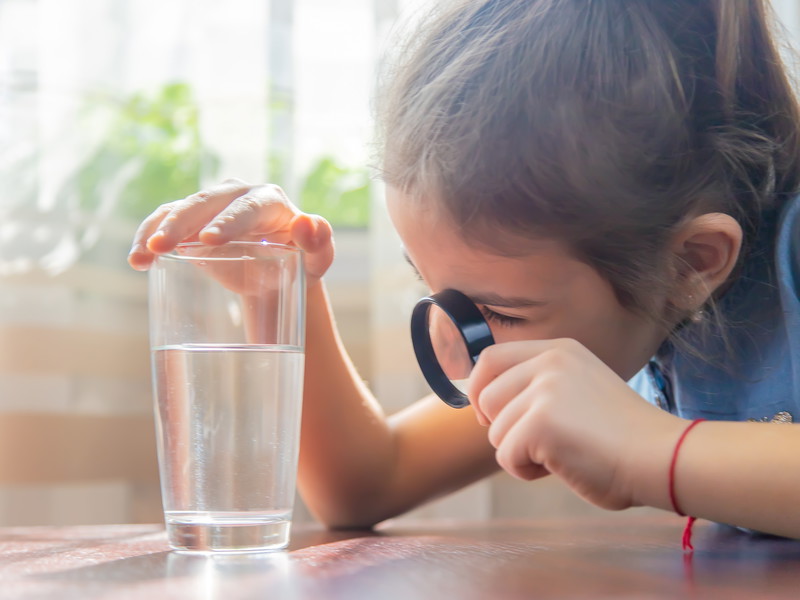
Tap water is rigorously controlled and safe up to the point of delivery. The main vulnerability lies not at the source, but in stagnation. Water that remains in pipes or containers for extended periods can change in both taste and hygienic quality.

Muss man Leitungswasser wirklich Filtern?
© Shutterstock
Muss man Leitungswasser wirklich Filtern?

Many people leave a glass of water standing for hours. How long is too long before it becomes a problem?

A glass of water shouldn’t be left standing there for extended periods, especially in warm conditions. Freshly tapped, cool water is always preferable. The same applies to water tanks, such as those in coffee machines. These are particularly critical because they draw in air from their surroundings and are often exposed to light. Tanks should be as small as possible, cleaned regularly, and ideally emptied daily.

Are there simple ways to improve the taste of tap water in everyday life?

Yes. Simple measures like draining water after it has been out in the open for a while, cooling it, or even adding carbonation can enhance its sensory qualities. Water treatment makes sense when you have a specific goal, such as protecting appliances (hot-water tanks, instant water heaters, etc.) or ensuring consistent quality for coffee and tea.

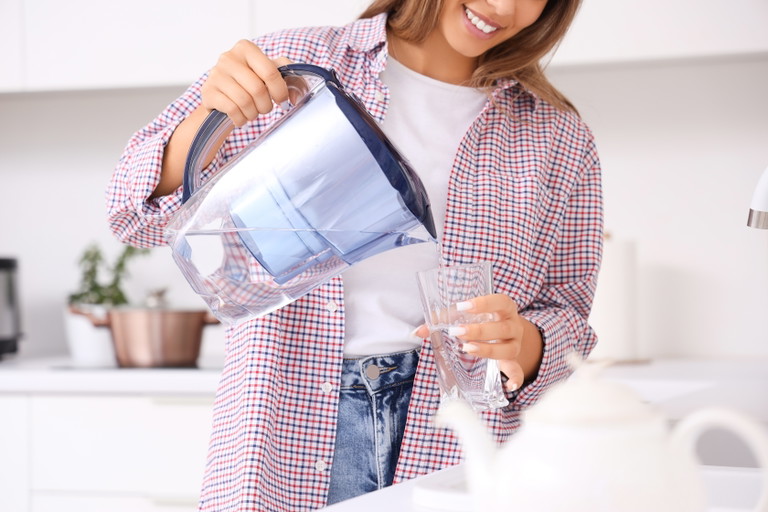
Tap water filters are becoming increasingly popular. Are they necessary?

A common misconception is that tap water always needs to be purified. In Germany, for example, it is generally safe both hygienically and in terms of taste to drink unfiltered water. In fact, poorly maintained filters or reverse osmosis systems can significantly worsen water quality rather than improve it.


The Editors
Find out more
1 / 12