Which challenges do you expect for the Champagne industry in the coming years?
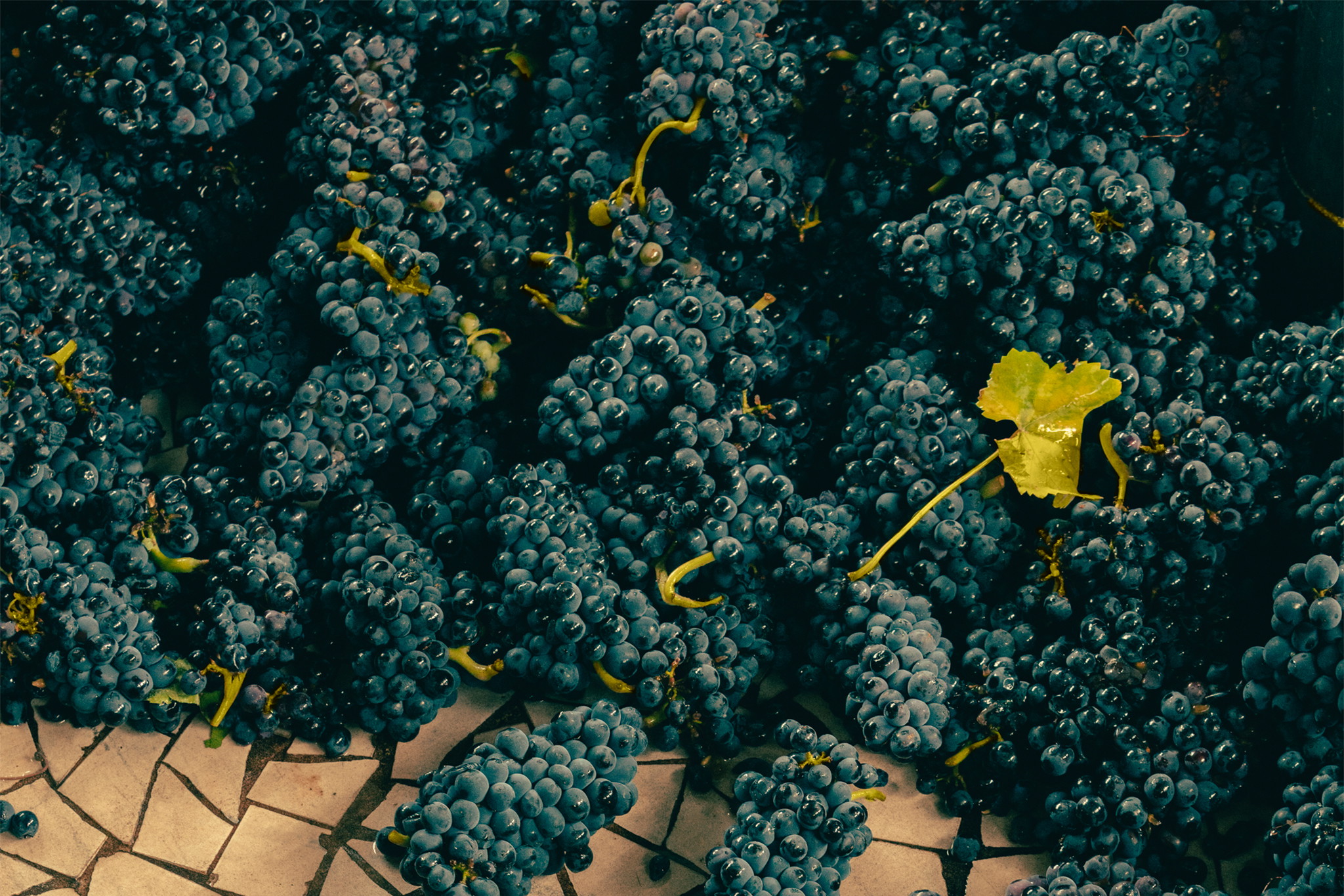
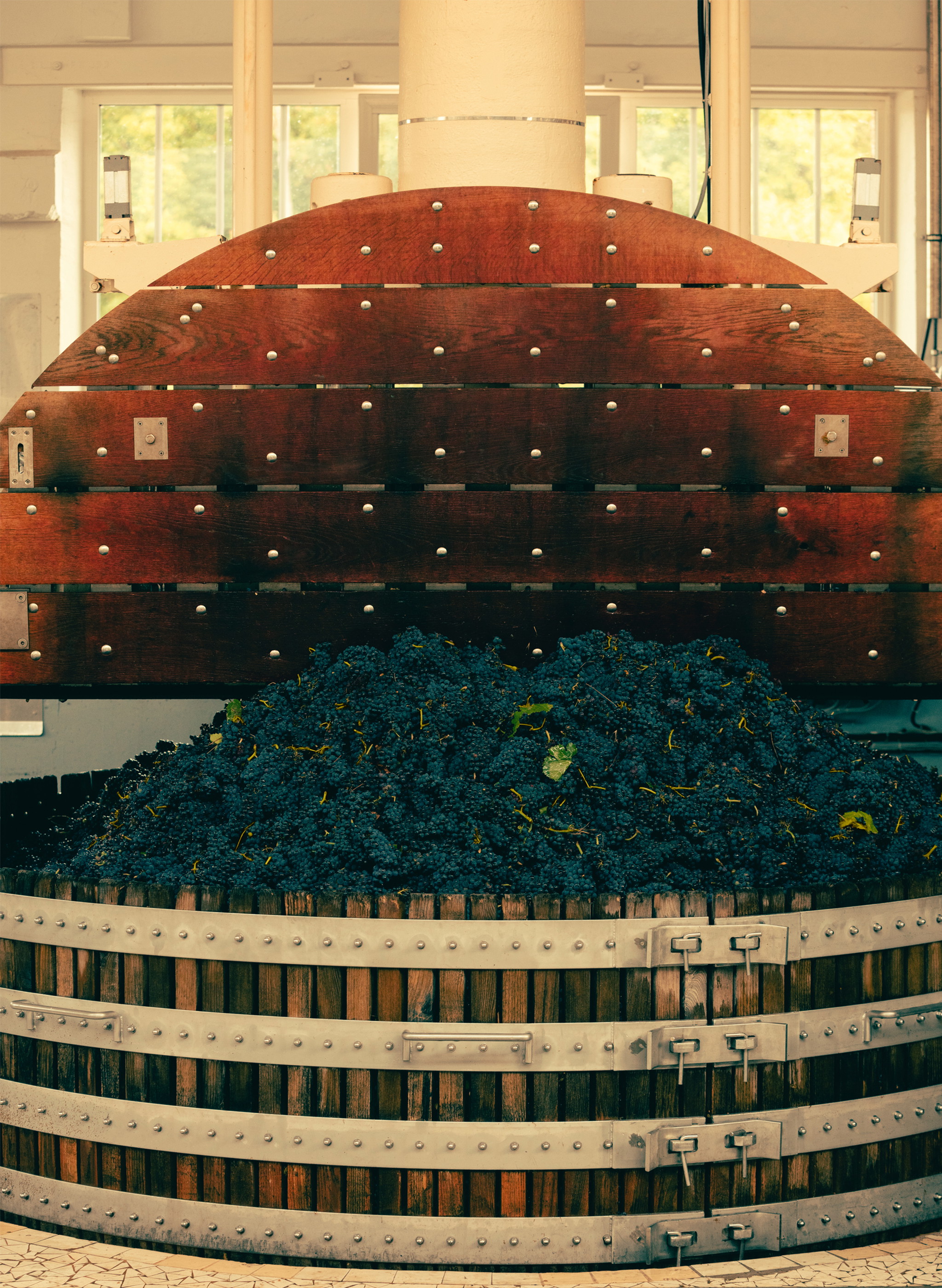
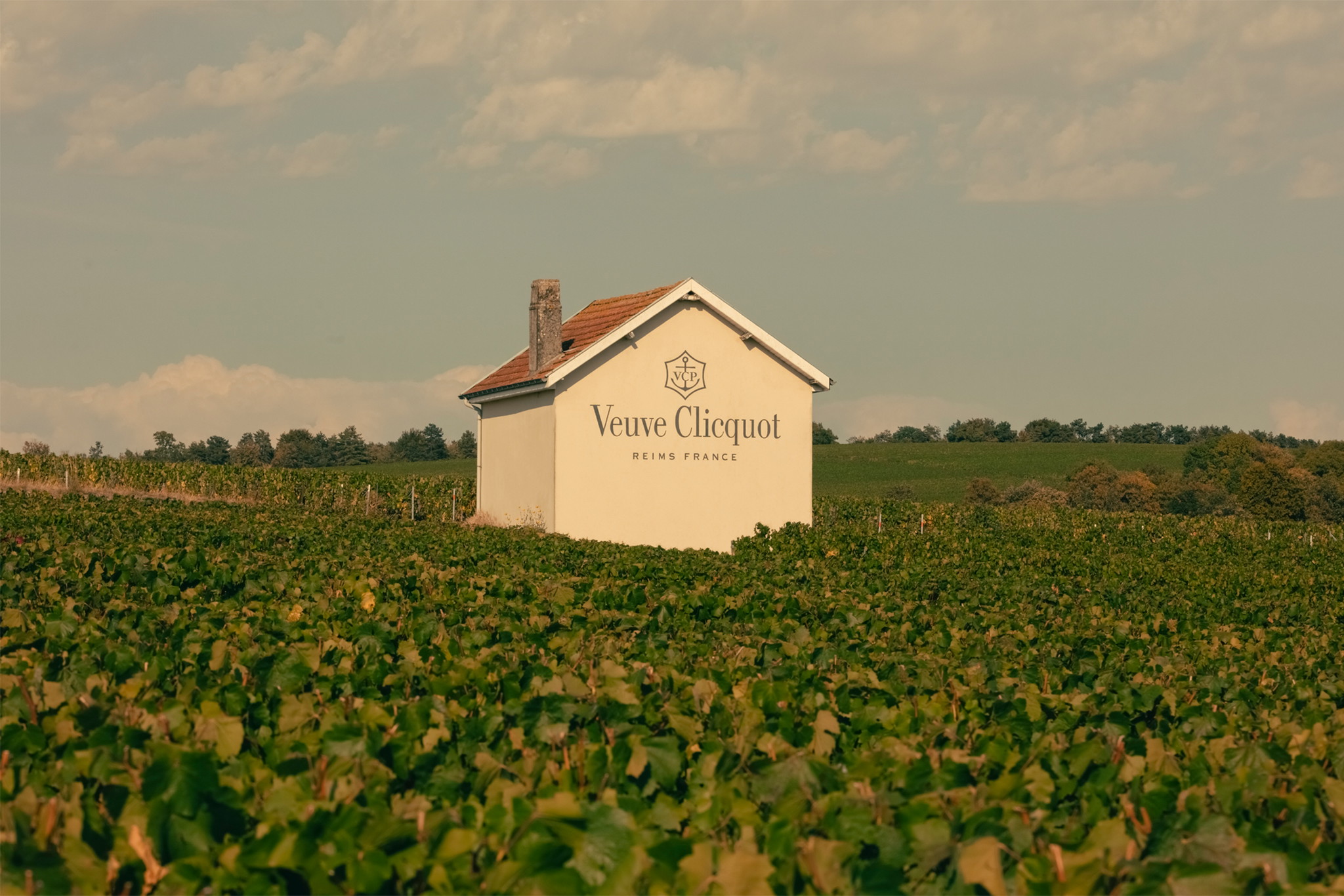
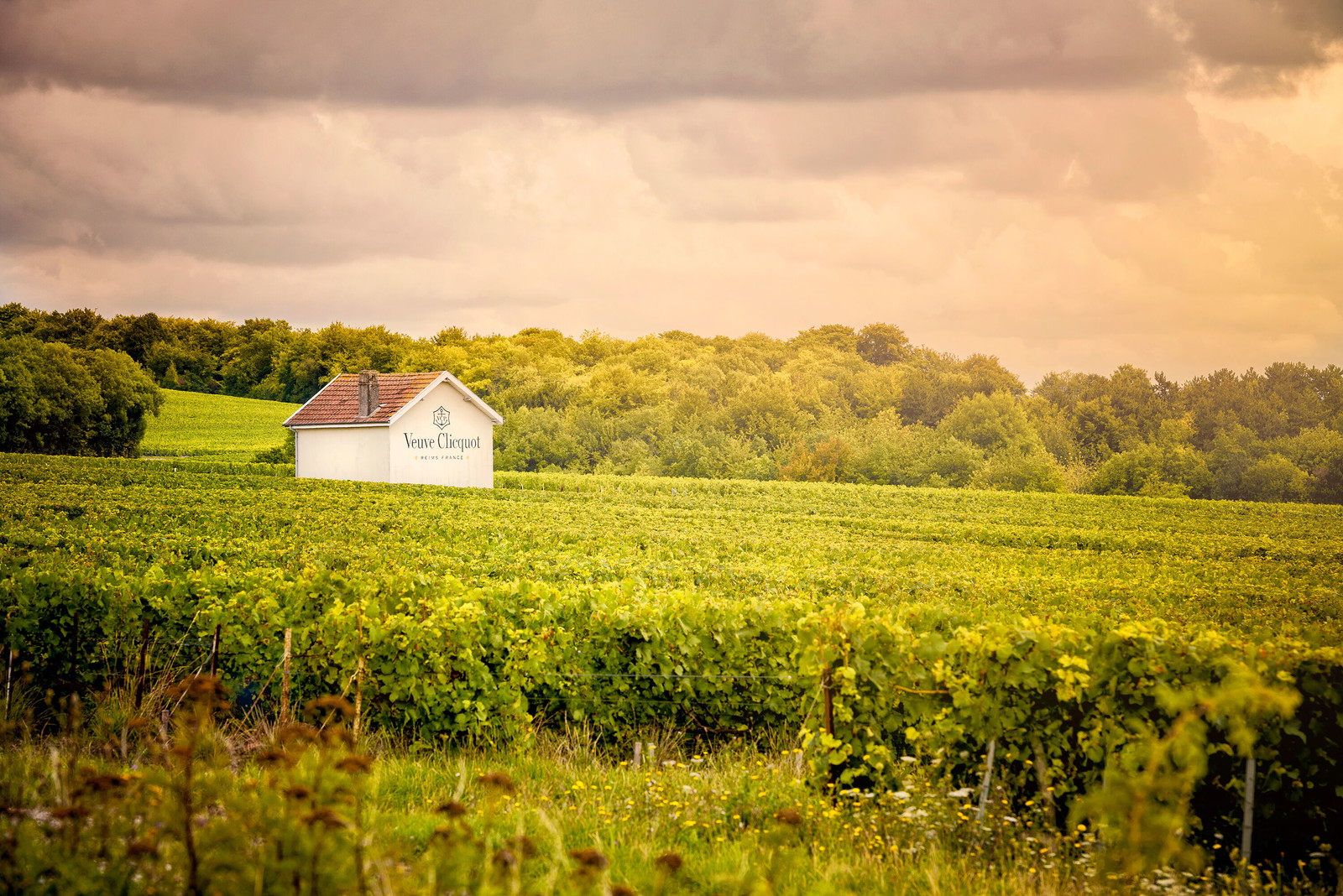
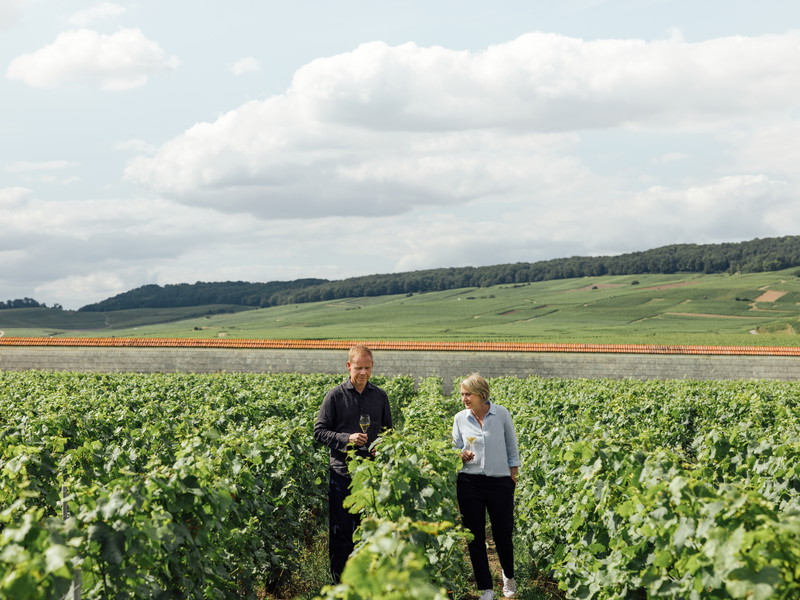
On the one hand, of course, there is global warming. On the other hand, wine consumption is decreasing. These are certainly the two biggest challenges. As project development managers, we try to find solutions to combat global warming. We don't have a solution yet, but of course we're trying to adapt our wine-growing practices accordingly. Pinot Noir, for example, is a very sensitive grape variety that matures very slowly. It is therefore very well suited for Champagne, where the climate is cool. As we don't want the grapes to ripen too quickly due to global warming, we plant grass on the vineyards for a gentler ripening process. But we are very fortunate: When making Yellow Label Champagne, for example, we blend 60 percent of base wine, i.e. the wine of the year, with 40 to 45 percent reserve wine, i.e. wine from previous years. Sometimes the cuvée consists of up to 200 different wines in order to achieve the right balance, consistency and style of Yellow Label – we try to adapt as much as possible.
What is your vision for the coming years?
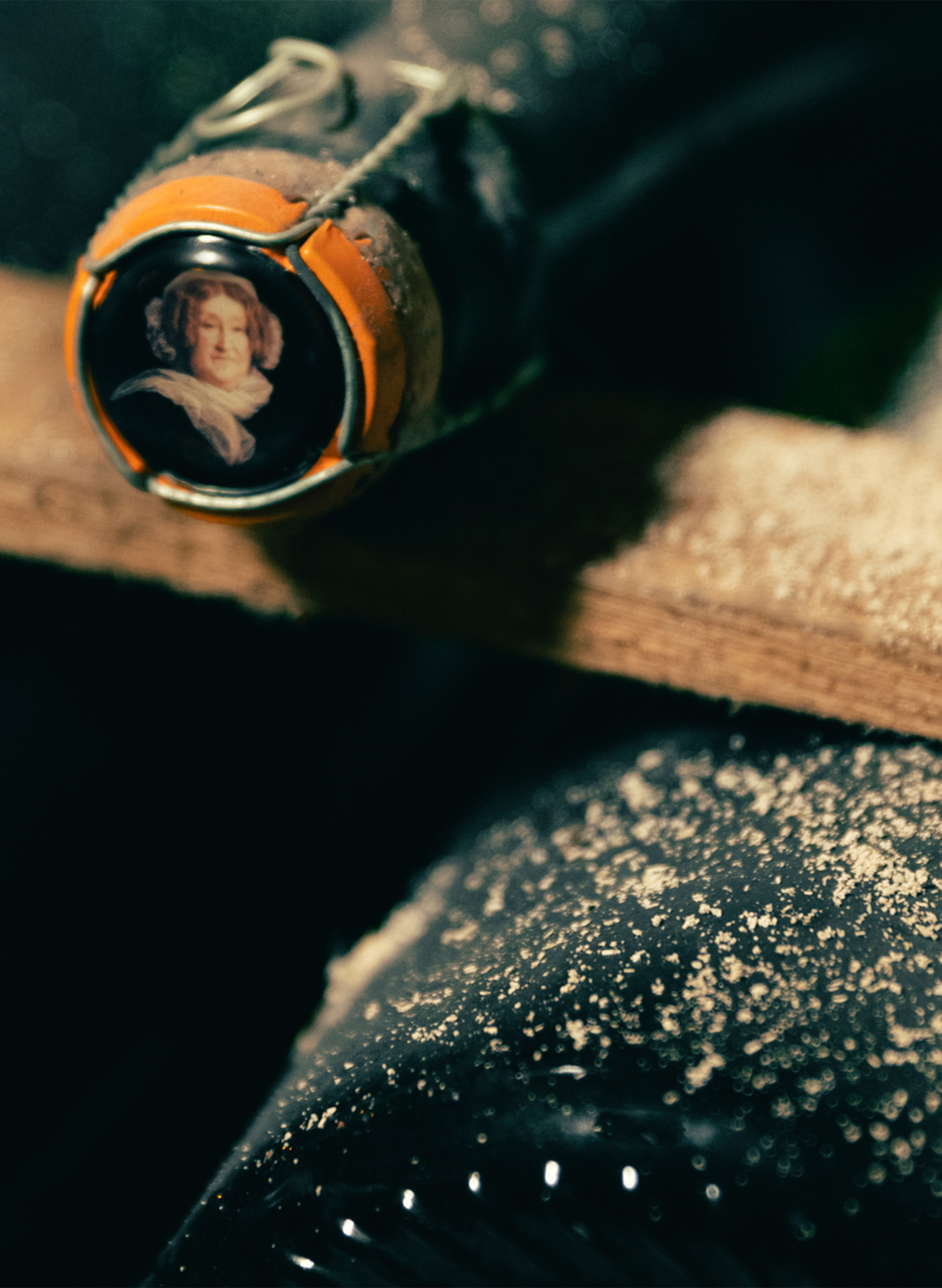
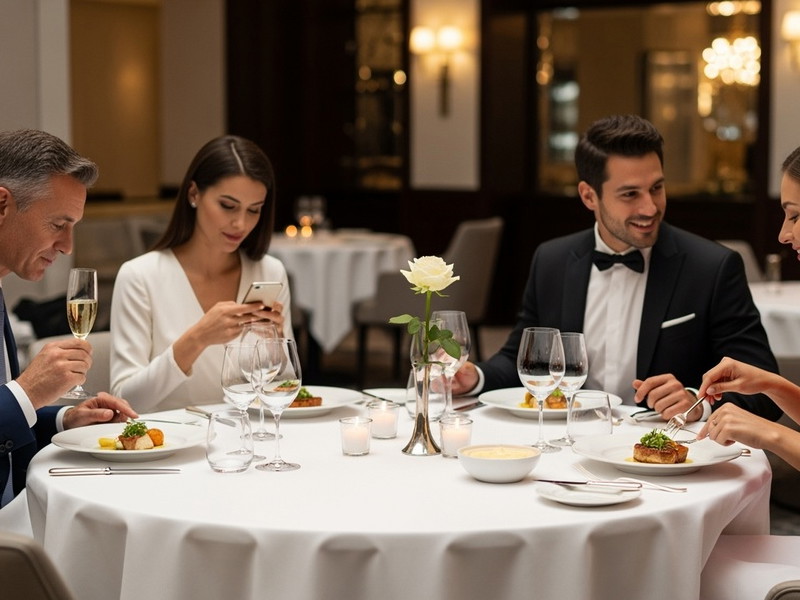
We want to preserve the tradition of champagne production of course. And we have to experiment with innovations, that's for sure. That's why we want to spread our love of Pinot Noir and preserve the tradition of Madame Clicquot. We don't have to reinvent anything and we are also very fortunate as champagne is now recognized as wine. My vision is to drink champagne throughout an entire dinner - as an aperitif, with the starter, with the main course and with dessert.
The two new cuvées by Veuve Clicquot, RICH and RICH Rosé, were presented under the motto "Enjoy on Ice, under the Sun". Do you sometimes like to drink champagne on the rocks yourself?
Yes, I find that ice and the sweetness of the Veuve Clicquot RICH form a perfect balance. You have to drink it at a much lower temperature than a classic cuvée. Some may say: "I don't like sweet champagne", but if you drink it at the right temperature, it tastes differently because various fruity notes come to the fore – Veuve Clicquot RICH is full of tropical fruit. But of course I don't drink La Grande Dame with ice cubes, for example. But for the RICH cuvées, it's a very good fit.
How do you personally prefer to enjoy champagne?
That depends entirely on the day. Sometimes I'm just happy to be at home, with a good glass of champagne and nothing else. Sometimes I also like to have something to eat and try out new things. Incidentally, the best time to taste champagne is at eleven in the morning or four in the afternoon, because that's when you're a bit hungry. And when you're a little hungry, your taste buds and palate are receptive to a lot more flavors, textures and structures. I also prefer to enjoy champagne with friends and in a simple manner. This can be over an aperitif or during dinner, especially because champagne can be combined with many different dishes. For example, Champagne La Grand Dame 2018 with raw fish and a little yuzu. You can drink the Vintage Rosé Champagne with spicy food, such as Chinese dishes, which goes fantastically well with it. Or the Non Vintage Rosé with grilled red meat. There are many combinations. You should just try them out.