Skip to content

Michael Häni

Michael Häni
© Öschberghof

Sommelier Michael Häni: "A strong two-star restaurant is often more exciting than a three-star establishment"

Interview
Wine
Gourmet

At Ösch Noir, Michael Häni oversees one of the most ambitious wine lists in the German-speaking world. The sommelier and restaurant manager is convinced that consistency is often the only difference between two and three Michelin stars. At the same time, he observes that many guests encounter natural wines in the wrong context - and argues iconic bottles should be accessible by the glass.

Falstaff: Mr. Häni, you are known by the nickname "Pinot Häni". How did it come about - and what does it say about your style as a sommelier?

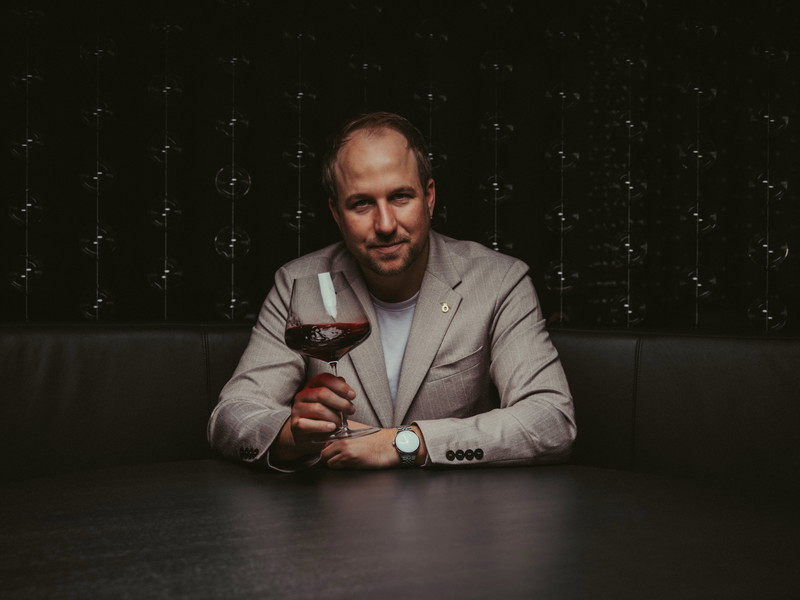
Michael Häni: The nickname "Pinot Häni" actually started somewhat ironically. For a long time I wasn't a big fan of Pinot Noir. I always enjoyed drinking it, but that was about it. Only during the Corona period - about five years ago - did I begin to explore Pinot Noir more deeply. And then I fell down the rabbit hole. When something fascinates me, I tend to get extremely absorbed. It felt like I left everything else aside and moved entirely into the world of Pinot.

Is there a Pinot that particularly inspires you?

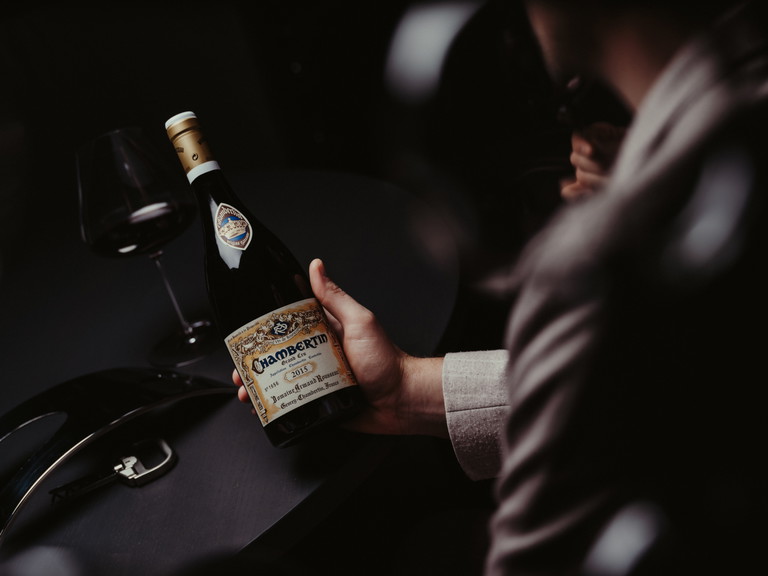
Yes, absolutely: the wines of Domaine Armand Rousseau. For me, Rousseau is one of the most honest winemakers there is. He never changes his cellar techniques or adjusts them to difficult vintages. If it rains, it rains. If a vintage is challenging, the wine reflects it. Terroir and vintage speak 100 percent through the bottle. I admire that consistency enormously. Rousseau never forces a stylistic signature on the wines; the vineyards themselves remain in the spotlight. To me, that is Burgundy in its purest form.

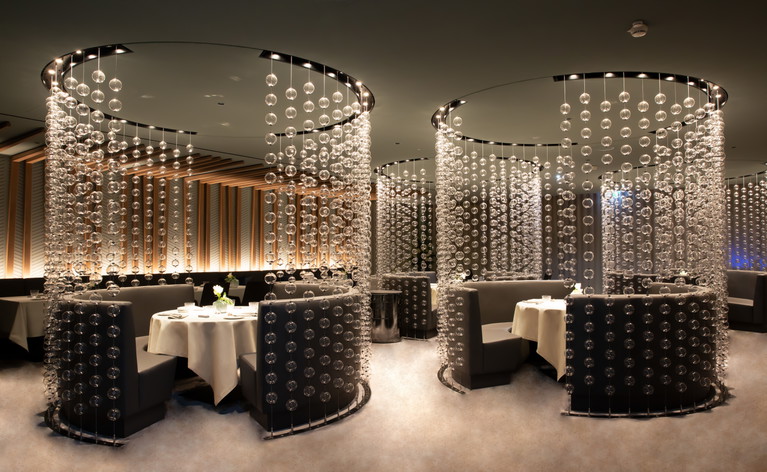
The "Ösch Noir" holds two Michelin stars. Are you aiming for the third?

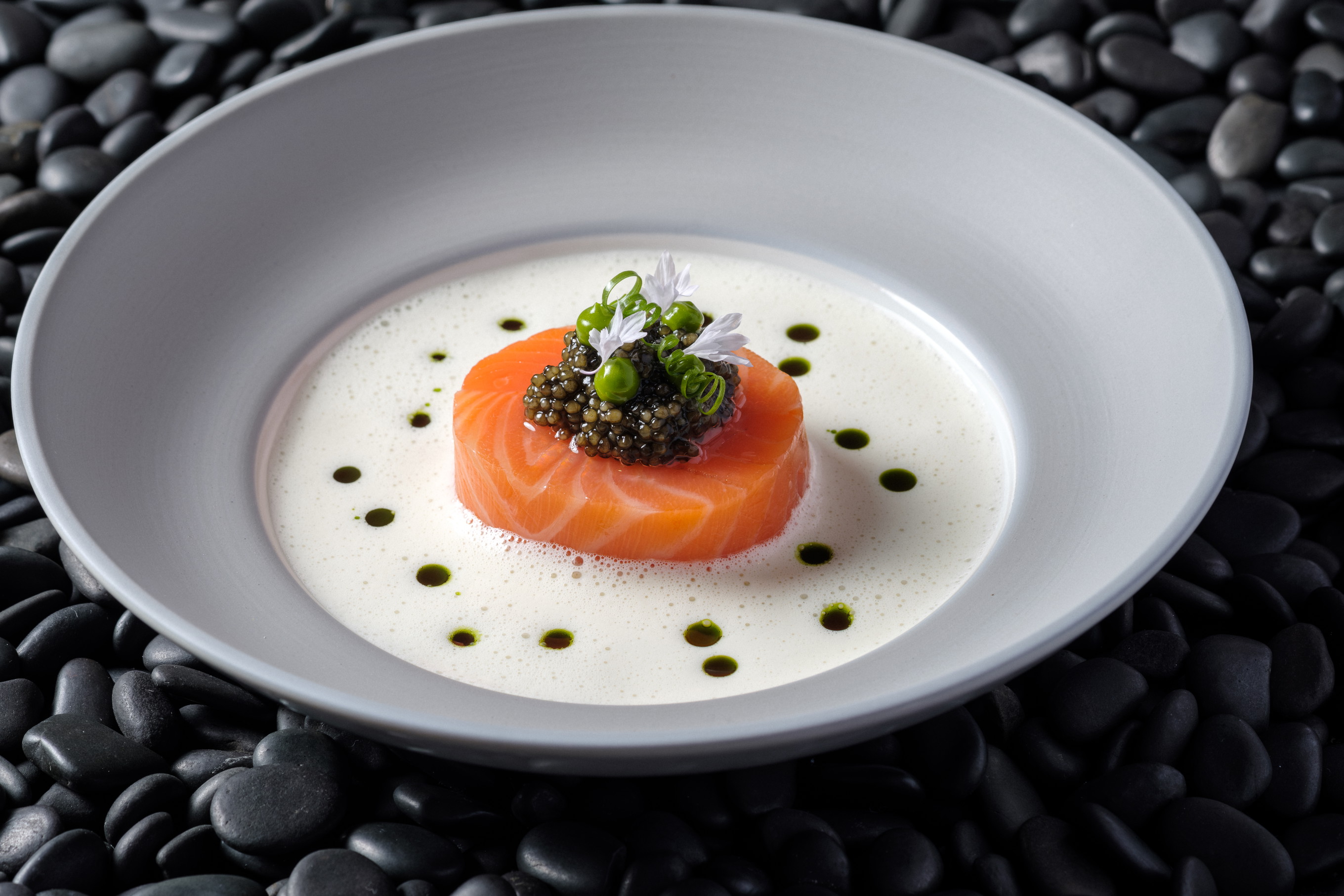
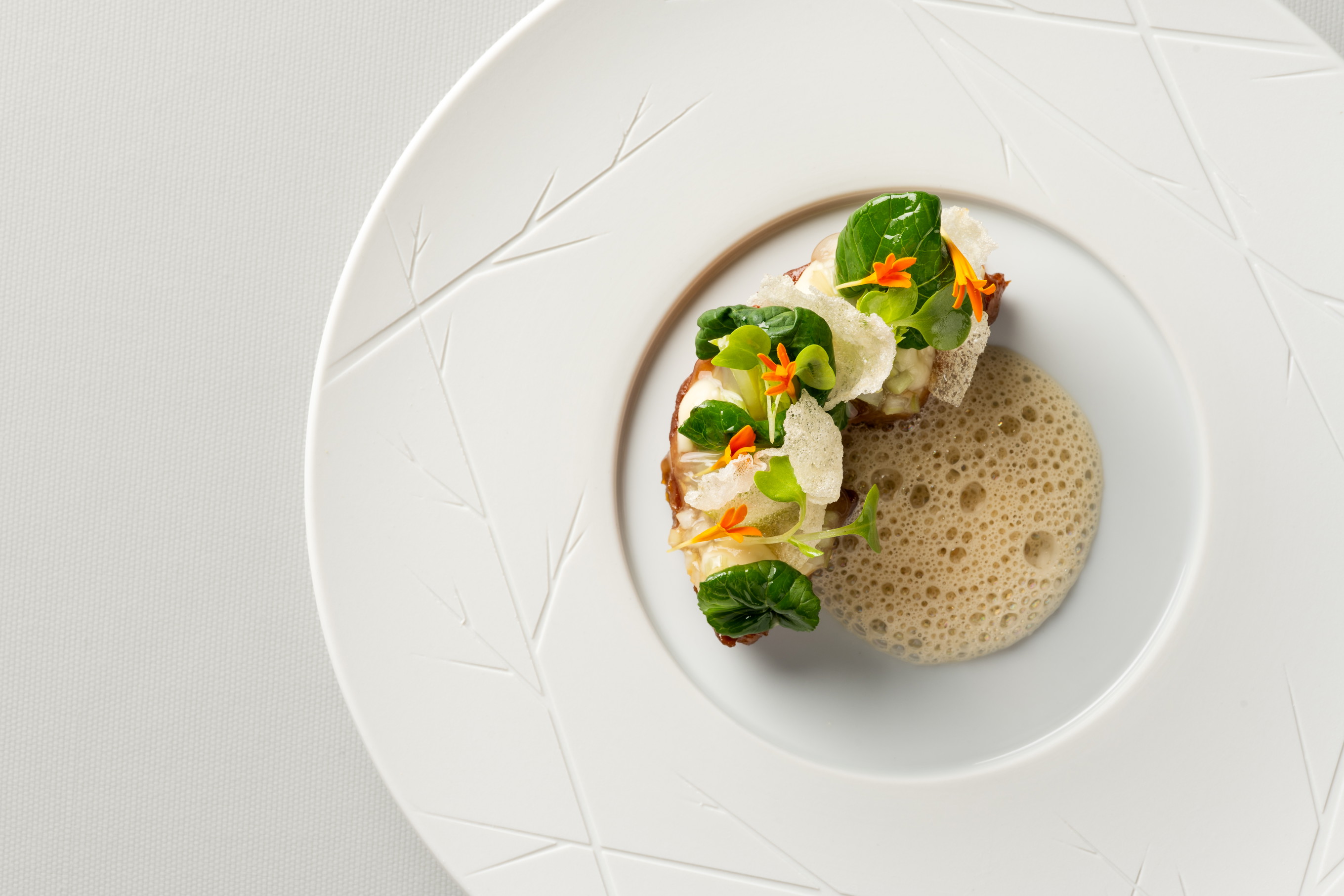
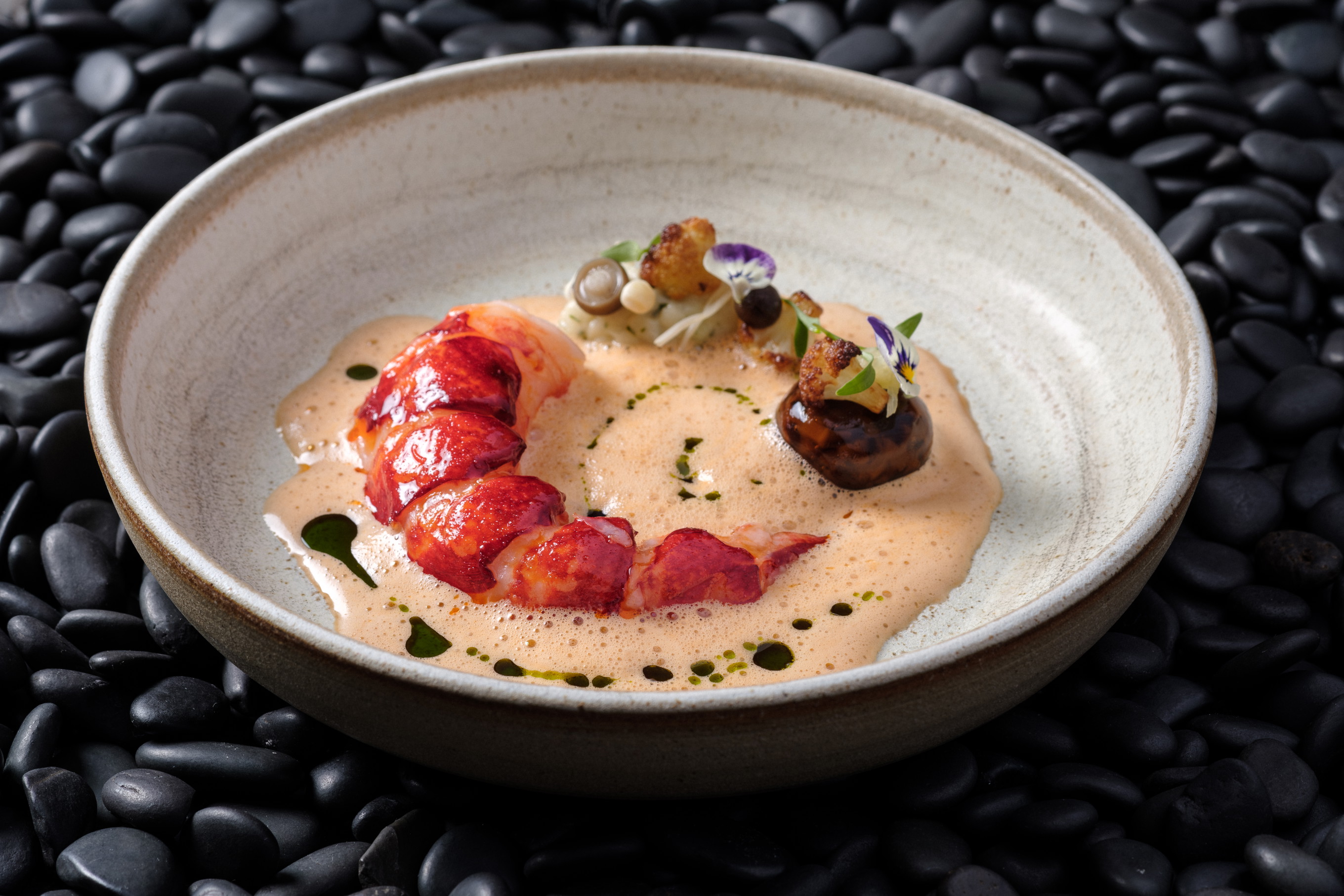
First of all, we are committed to the two stars. Maintaining them is already extremely demanding. Our approach is not: "We want three stars". Instead it is: "We want to perfect two stars". It's about the last two percent - getting better every day, analyzing mistakes and improving the experience for our guests. If this eventually leads to three stars, that is a result - but not our motivation.

Where do you see the biggest difference between two and three stars?

In purely culinary terms, it often comes down to consistency. Three-star restaurants deliver almost flawless stability over the years. But I also observe that many three-star restaurants are become very cautious. They continue with the concept that brought them the rating. Changes are rare, and risks even rarer. Two-star restaurants are often bolder. They try new things and continue to evolve. A strong two-star establishment can therefore be much more exciting than a three-star restaurant that stands still.

What role does wine play on this "last mile"?

The wine list, the presence of the sommelier and the wine pairing influence the experience enormously, even if they are not officially evaluated by the Michelin Guide. We started with zero bottles, today we have around 3,500 items. A wine list with 100 items can be enough - if it is well curated. Ultimately, depth creates the experience. We only have 13 tables and two sommeliers - which gives us time for this depth. We are also currently switching back to printed wine lists. Tablets are practical, but a heavy leather-bound book has a completely different feel. These small details are among the last two percent that can lead to three stars.

Natural Wine polarizes strongly. What is your position on it in a fine dining context?

Natural Wine was my first big Rabbit Hole - even before Pinot. I was extremely fascinated by the topic. The problem is that 99 percent of guests have bad first experiences. They drink faulty wines from producers who follow a trend rather than craftsmanship. That's why I work very selectively. Perhaps five percent of natural wines truly convince me. We offer two pairings: "Old Craft" and a wine journey with Grand Crus. The "old craft" is strongly oriented towards natural wine, although I deliberately don't label it that way. The decisive factor is how guests perceive it. An older couple might recoil at the term "natural wine". However, if I serve the same wine without prior notice, it often generates great enthusiasm.

How funky are the natural wines you serve?

Rather restrained. I increasingly serve clearer natural wines. Only with the cheese course I do become more experimental - with more acidity and tannins. By then, guests are usually more open in terms of taste.

You have been a wine professional for over a decade. How has the role of the sommelier changed?

Today, guests need to be guided more carefully. Instructive sommeliers do not go down well. There is this "sommelier disease", where expertise is used as an instrument of power. I like to test this by deliberately pretending not to know anything when I visit restaurants. Suddenly you hear half-knowledge. A modern sommelier doesn't just pour the wine and name the grape variety. They tell stories: What was the winemaker trying to express? Why is this particular vineyard so special? After talking to winemakers, you understand wine on a much deeper level - because the personality of the winemaker is reflected in the product.

You serve iconic wines by the glass. How did this concept come about?

I developed it in Germany. Almost ten years ago, Grand Cru wine pairings were still something new. The concept took off immediately. We receive allocations of wines from Domaine de la Romanée-Conti or the Meursault Premier Cru from Domaine Coche-Dury. These are bottles that most people could never drink - neither financially nor because of their limited availability. By offering them by the glass, they become accessible.

Does that make guests braver?

Absolutely. Many people are willing to try great names if they don't have to order a whole bottle. It also changes the conversation at the table. Guests discuss, compare and discover together.

© Öschberghof

Your wine list is considered fairly priced - especially when it comes to prestige wines. Why?

I don't want to "rip off" my guests. My effort is the same, whether the bottle costs 80 or 800 euros. We work with fixed mark-ups, except for extremely rare bottles. As a result, inexpensive wines may appear relatively expensive, while bottles at the top suddenly become very attractive. Our cost of goods is high, but sales are increasing.

Is fair pricing a competitive advantage?

Definitely. Many regular guests drink certain wines only with us because they know that they would pay significantly more elsewhere. And wine-loving guests in particular choose restaurants specifically for their wine list.

You say: "Swiss guests are a blessing for us." Why?

Our location is close to the border. It's quicker to get here from Zurich than from Stuttgart, and less than 30 minutes from Schaffhausen. By Swiss standards, our prices are very attractive - not only for wine, but also for cuisine and golf. Around 25 percent of our guests come from Switzerland. You almost have to look for German license plates in the underground car park.

Do you need to approach Swiss guests differently?

As I am Swiss myself, I certainly have an advantage. They are more demanding because they are used to a high gastronomic standard at home. When it comes to wine, they are often rather conservative and prefer Italian and Spanish wines. The other half are Burgundy fans. German red wine, on the other hand, often triggers skepticism. I love these moments - because served blind, many are delighted. You can win over almost anyone if you guide them properly.

oeschberghof.com

© Öschberghof
Tasteful resort. The spa offers 5000 m² of space and variety for relaxation. Three private golf courses!
Golfplatz 1
78166 Donaueschingen
Germany

Linda Carstensen
Linda Carstensen
Portalmanagerin Schweiz und Autorin
Find out more
1 / 12