Falstaff: What do you consider the greatest strengths of the Bordeaux wine region, especially Entre-Deux-Mers?
Camille Giai: Bordeaux thrives on its enormous diversity. We can offer wines for every situation in life: a Grand Cru for special occasions, a dry white with seafood, fruity reds for barbecues or a crémant as an aperitif. Nowhere else in France is the range so wide.
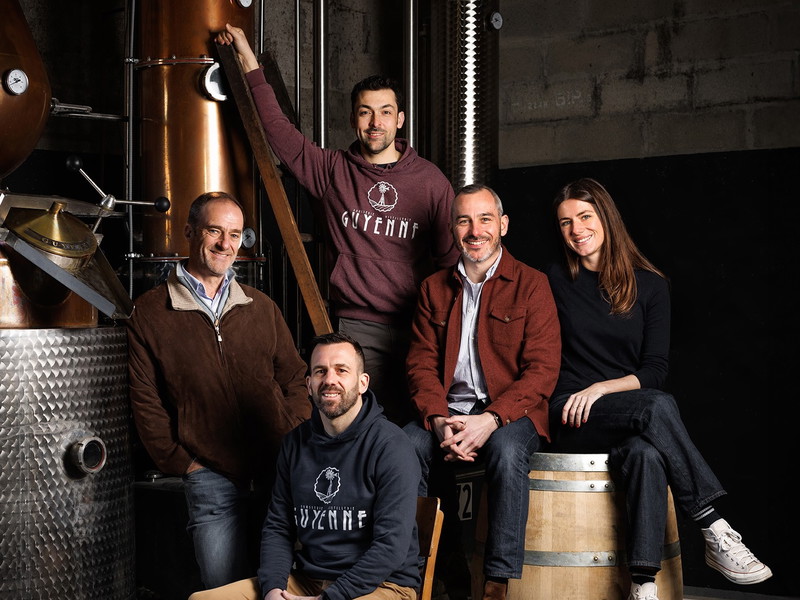
In Entre-Deux-Mers, there are two additional factors: firstly, the calcareous soils, which are on a par with Saint-Émilion or Pomerol, but have long been underrated. On the other hand, the dynamic association of young winegrowers who bring new energy and quality standards with them. Names such as Sylvie and Marie Courcelles (Château Thieuley), Pauline Lapierre (Château Haut Rian) and Estelle Roumage (Château Lestrille) stand for this spirit of optimism.
Yet Bordeaux is also experiencing a sales crisis. What are the causes?
A core problem lies in the historical trading system: Wholesalers and Middlemen have long acted as a filter between winegrowers and consumers. Many producers had no direct line to their customers, innovations failed to materialize and the average quality declined. As a result, consumers turned to other regions. The trading system is still a valuable tool, but it must respect the identity of winegrowers rather than standardizing wine styles.
Has the company relied too heavily on the Chinese market and new, wealthy customers – thereby losing sight of its traditional markets in the process?
This danger existed. The boom in China masked a deeper crisis that is now coming to light. The market for simple red AOC wines in particular is shrinking rapidly. But the causes are complex and cannot be reduced to a single factor.
Bordeaux is considered rich in tradition – but also cumbersome. Which old habits are currently falling to the wayside?
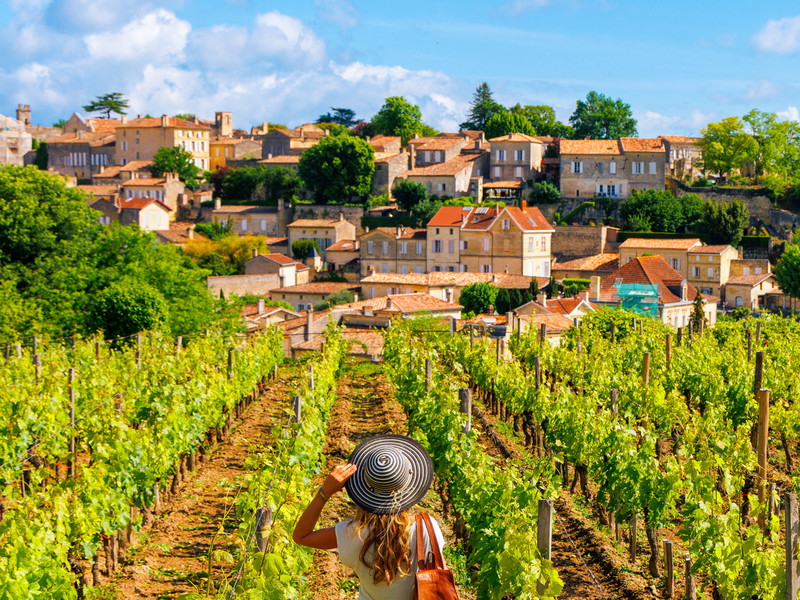
A lot is happening! The CIVB's "Join The Bordeaux Crew" campaign is very popular, the region is experiencing a boom in wine tourism and the wine styles are more modern than ever. Prices for high-quality wines have also dropped – to the benefit of consumers. At the same time, the industry has committed to an ambitious sustainability program. Bordeaux is currently reinventing itself.
What challenges still need to be overcome?
We have to adapt our vineyards to changing consumer behavior – red wine is losing market share, white and rosé wines are on the rise. Extreme weather is having a negative impact on harvests, we need to make working in the sector more attractive and reduce our carbon footprint at the same time. In short, we are facing major challenges, but there has also been a lot of progress.
Château Roquefort stands out with its white wines and clear hospitality concept. Is this a model for the entire region?
Our aim is to offer authentic, high-quality wine with good value for money. With the support of Derenoncourt Consultants, we are optimizing our process and developing new cuvées, such as a light Merlot-Claret which is served chilled. We also plant new varieties, experiment with vermouths – and create versatile wines that express our identity and are produced responsibly. Yesterday I was talking to some wine tourists about exactly that: Almost anything is possible in Bordeaux today. From artisan producers to the Grands Crus – the energy is palpable. Everyone has to find their own way, focus on their customers and take pride in their products. This is the future.
White Bordeaux has raised it profile considerably in recent years. Do you see a renaissance here?
Absolutely. White wine is one of the greatest opportunities for Bordeaux. Freshness, finesse and terroir meet the taste of the times. The fact that our cuvée came out on top at the Bordeaux Blanc Trophy shows that the market and experts recognize this. We are convinced that white Bordeaux has the potential to be a new success story – and Entre-Deux-Mers is at the center of this movement.
Event tip
Fresh oysters, Bordeaux Blanc and an after-work feeling: On October 9, 2025, Falstaff will transform Munich's Oberpollinger into a stage for Atlantic vibes. Romana Echensperger, Master of Wine and editor-in-chief of Falstaff, will lead the tasting in front of an exclusive audience. For more information email [email protected].