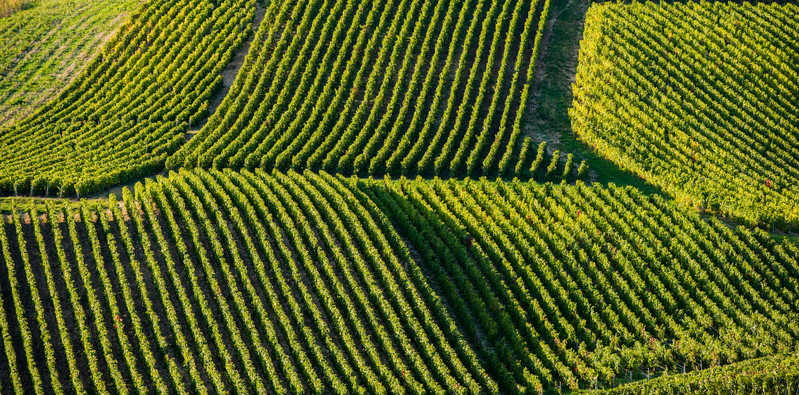
The Entre-deux-Mers region is one of the great controlled apellations of Bordeaux. It is located in the southern area of the wine region, right between the Garonne and Dordogne rivers, which join to form the Gironde at the upper end of Bordeaux. This particular location has also given the region its name. Originally, a large part of the area, which covers more than 20,000 hectares, was planted with white vines, but in the second half of the 20th century these increasingly gave way to the classic Bordeaux grape varieties; Cabernet Sauvignon and Merlot. However, the red wines are sold under the Bordeaux AOP and are not allowed to carry the actual name of the region on the label. These reds can be quite subtle, but are intended for rather early consumption and do not have the ageing potential of the reds from the famous sub-regions. Today, about 2,500 hectares are still planted with white vines, primarily Sauvignon Blanc and Sémillon, but there are also vineyards with Muscadelle and Ugni Blanc. Today, the white wines are mostly quite fresh and often crisp and fruity; they are entitled to bear the name of their origin - Entre-deux-Mers. The vines are located in the large region partly on sandy and loamy soils and partly also on clay and gravelly subsoil. In the southwest of the region, there are some small areas that are allowed to bear their own name of origin, such as Graves de Vayres, Haut Bénage or Sainte Foy.
The best wines from Entre-Deux-Mers
France


-
TastingBordeaux 2024 En PrimeurWith its delicate, fresh red wines, the 2024 Bordeaux vintage takes us back to the old days, when cool, damp weather conditions regularly pr...
-
-
TastingShortlist Switzerland 2/18 - Wines from Around the World Currently on Shop ShelvesWoche für Woche bekommt die Falstaff-Weinredaktion Flaschenpost von Weinhändlern, die neue Produkte aus aller Welt vorstellen...
-
TastingShortlist Switzerland 01/18Woche für Woche bekommt die Falstaff-Weinredaktion Flaschenpost von Weinhändlern, die neue Produkte aus aller Welt vorstellen...
-
Tasting100 Bordeaux - Discovery Selection 2017Jedes Jahr wählt eine Fachjury unter der Leitung von Markus Del Monego (Master of Wine & Sommelier-Weltmeister 1998) 100...
-
TastingShortlist Switzerland 04/17 – Wines from Around the World Currently on Shop ShelvesWoche für Woche bekommt die Falstaff-Weinredaktion Flaschenpost von Weinhändlern, die neue Produkte aus aller Welt vorstellen...
-
TastingBordeaux 2016 En PrimeurDer Jahrgang 2016 hatte es gewaltig in sich. Zunächst beschäftigte der extreme Witterungsverlauf die Winzer. Am Ende bringt er dem...
-
TastingKick-off Bordeaux 2015Der Jahrgang 2015 hat wirklich für alle etwas zu bieten! Selten kann man in Bordeaux aus einem einzigen Jahrgang exzellente trock...
-
TastingFalstaff Shortlist Germany 05/13 – Wines from Around the World Currently on Shop ShelvesWoche für Woche bekommt die Falstaff-Weinredaktion Flaschenpost von Weinhändlern, die neue Produkte aus aller Welt vorstellen möchten. Darun...
-
TastingBordeaux 2012 En Primeur2012 - ein ordentliches Jahr. Nach den großen Jahren 2009 und 2010 und einer gewaltigen Preisexplosion folgte mit 2011 ein korrekter, aber n...
-
TastingFalstaff Shortlist Germany 05/12 – Wines from Around the World Currently on Shop ShelvesWoche für Woche bekommt die Falstaff-Weinredaktion Flaschenpost von Weinhändlern, die neue Produkte aus aller Welt vorstellen möchten. Darun...

Best wines from this region
66 entries
sort by
2023 Château Sainte-Marie Blanc “Vieilles Vignes”
Château Sainte-Marie
Entre-Deux-Mers,
Bordeaux,
France
White Wine

92
2016 Girolate
Château Girolate
Entre-Deux-Mers,
Bordeaux,
France
Red Wine

92
2015 Girolate
Château Girolate
Entre-Deux-Mers,
Bordeaux,
France
Red Wine
92
2010 Girolate
Château Girolate
Entre-Deux-Mers,
Bordeaux,
France
Red Wine
Merlot
92
2025 Château Sainte-Marie Blanc “Vieilles Vignes”
Château Sainte-Marie
Entre-Deux-Mers,
Bordeaux,
France
White Wine
91
2024 Château Sainte-Marie Blanc “Vieilles Vignes”
Château Sainte-Marie
Entre-Deux-Mers,
Bordeaux,
France
White Wine
91
2023 Château Aurore Les Fleurs du Mal
Scea Château Haut-Meyreau
Entre-Deux-Mers,
Bordeaux,
France
White Wine
13%

91
2015 Château Thieuley Réserve Francis Courselle
Château Thieuley
Entre-Deux-Mers,
Bordeaux,
France
Red Wine
91
2011 Girolate
Château Girolate
Entre-Deux-Mers,
Bordeaux,
France
Red Wine
Merlot
91
2005 Girolate
Château Girolate
Entre-Deux-Mers,
Bordeaux,
France
Red Wine
Merlot
91
2019 Château Sainte-Marie Vieilles Vignes Blanc
Château Sainte-Marie
Entre-Deux-Mers,
Bordeaux,
France
White Wine
90
2016 Château Landereau
Château Landereau
Entre-Deux-Mers,
Bordeaux,
France
White Wine

90
2015 Château Lestrille Capmartin
Château Lestrille
Entre-Deux-Mers,
Bordeaux,
France
White Wine
Sauvignon Blanc
90
2015 Château Thieuley Blanc Cuvée Francis Courselle
Château Thieuley
Entre-Deux-Mers,
Bordeaux,
France
White Wine
13%
90
2011 Girolate Blanc
Château Girolate
Entre-Deux-Mers,
Bordeaux,
France
White Wine
Sauvignon Blanc
90
2020 Château Bonnet blanc
Vignobles Famille André Lurton
Entre-Deux-Mers,
Bordeaux,
France
White Wine
12,5%
89
2016 Château Vermont Tradition
Château Vermont
Entre-Deux-Mers,
Bordeaux,
France
Rosé Wine

89
2016 Rose du Pin
Chateau La Rose du Pin
Entre-Deux-Mers,
Bordeaux,
France
Rosé Wine
89
2015 Château Thieuley
Château Thieuley
Entre-Deux-Mers,
Bordeaux,
France
Red Wine
89
2014 Château Bonnet Reserve
Vignobles Famille André Lurton
Entre-Deux-Mers,
Bordeaux,
France
Red Wine
13%

89
Wine-News
-
 InterviewThe Godfather of RoséSacha Lichine shaped the world of rosé wine like no other winemaker. After purchasing Château...
 -
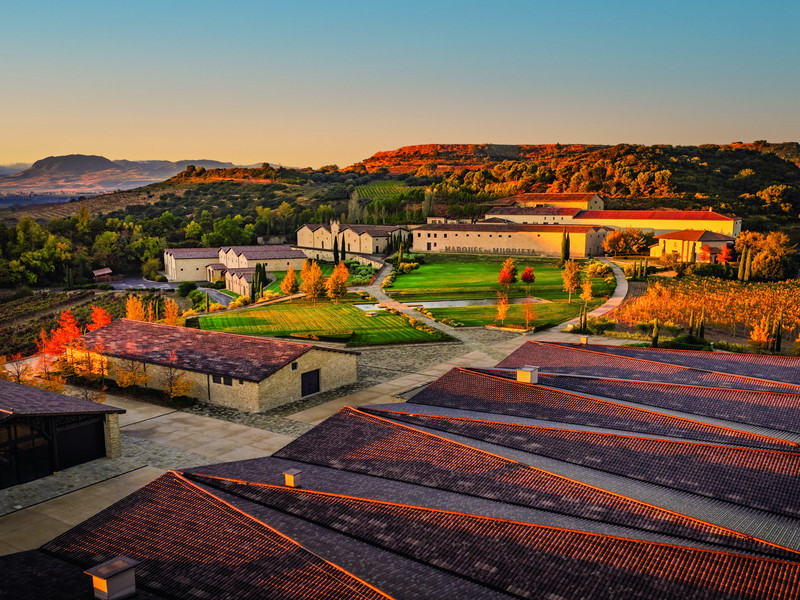 RiojaHard to find and incredibly exciting: Rioja shows its white sideAnyone who has only known Rioja as a region for red wine has been missing out. White wines and...
 -
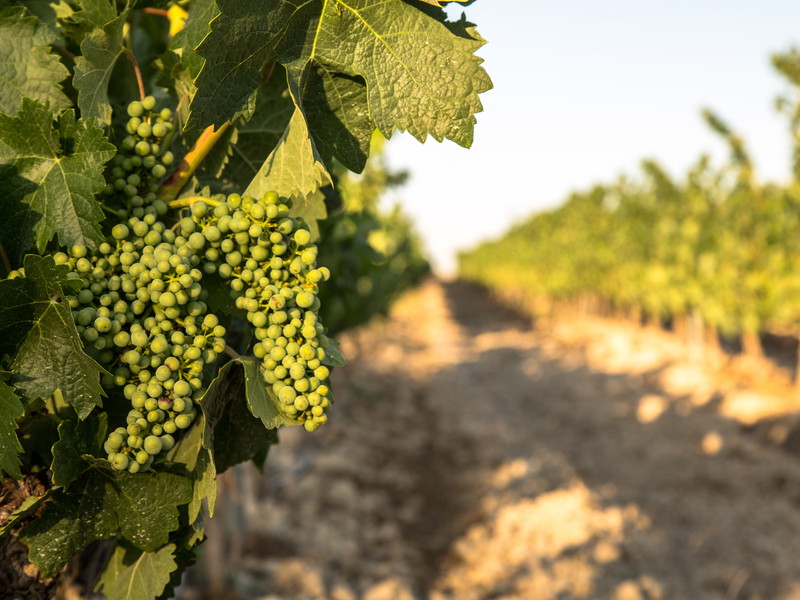 TastingThe Best of White Rioja: Our HighlightsWhite Rioja demonstrates just how complex, full of character, and surprising the famous Spanish...
 -
 WineGuests Trust People More Than AI When Choosing WineA new study shows that while digital channels are becoming increasingly important in wine...
 -
 ChampagneBollinger Appoints Émilien Boutillat as New Cellar MasterÉmilien Boutillat has been appointed as the new Cellar Master of the Champagne house Bollinger. He...
 -
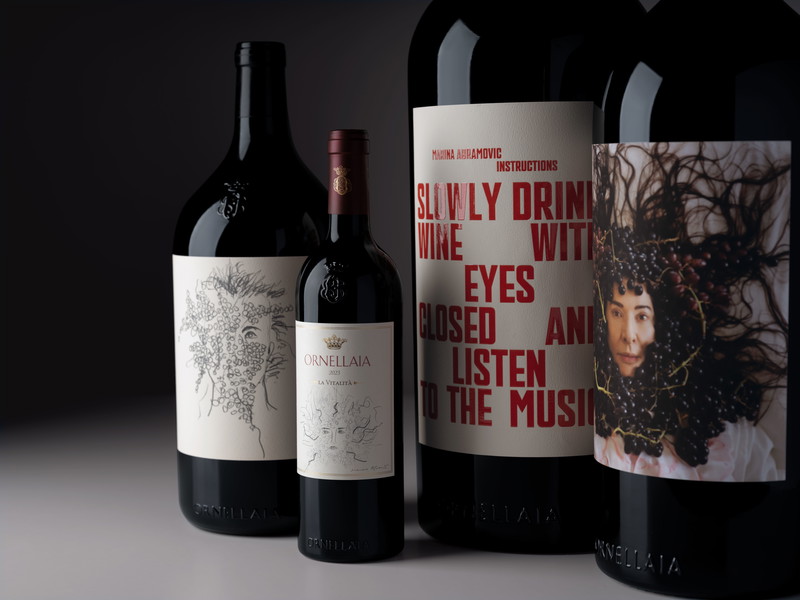 WineMarina Abramović Interprets Ornellaia 2023 “La Vitalità”Marina Abramović interprets Ornellaia 2023 La Vitalità through a striking series of artist labels...
 -
 LithuaniaLe Rosé at Monte Pacis: A Celebration of Rosé Culture by the Kaunas LagoonAs rosé continues to gain recognition as one of the most versatile styles of wine, dedicated...
 -
 SwedenFive Swedish Vineyards Made for a Summer StayGuided tours among the vines, tastings, al fresco meals and no need to nominate a designated...
 -
 VilniusWhy Should Cider Lovers Head to Vilnius This June?Cider is having a quiet boom across the Baltics, and this June Vilnius is marking that moment with...
 -
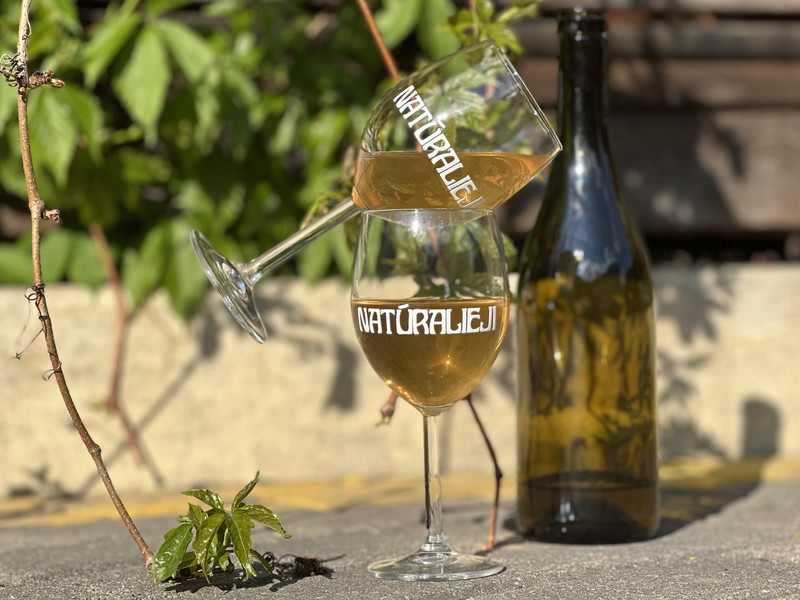 LithuaniaNatural Wine Takes the Stage in Vilnius This MayOn May 23, Vilnius will host The Naturals - a new wine fair bringing together 11 local...
 -
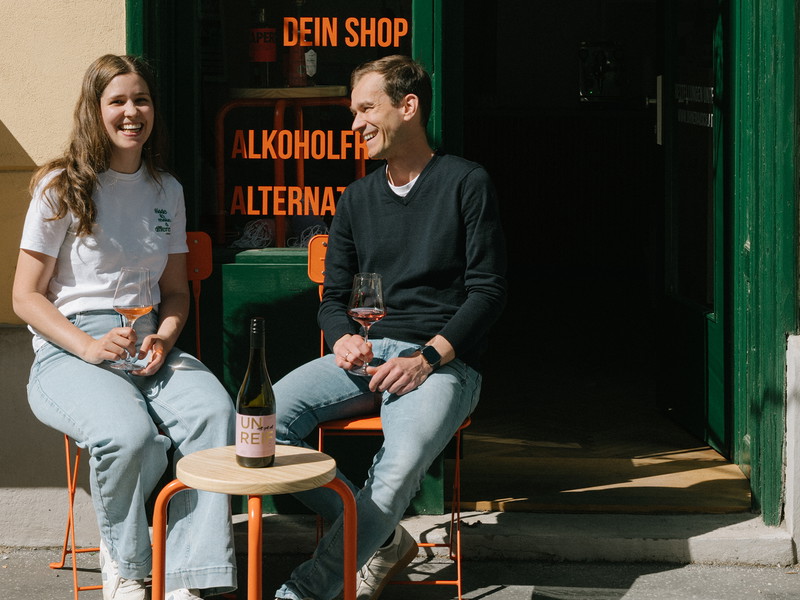 Alcohol-free"Ohnerausch" opens first store with non-alcoholic drinks in ViennaLisa and Philipp Smula open their first store for non-alcoholic drinks – from bitters and proxies...
 -
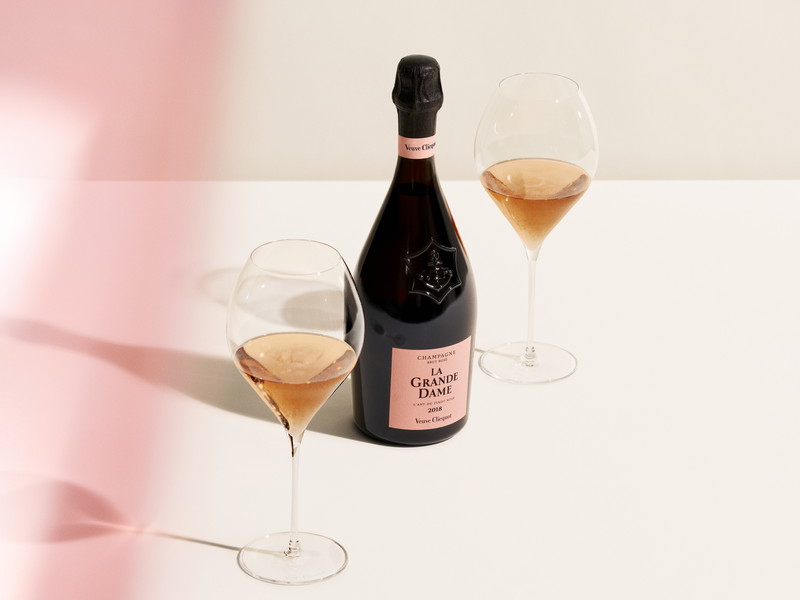 RoséVeuve Clicquot Unveils La Grande Dame Rosé 2018With Veuve Clicquot’s new “La Grande Dame Rosé 2018,” the Champagne house celebrates 200...