Skip to content
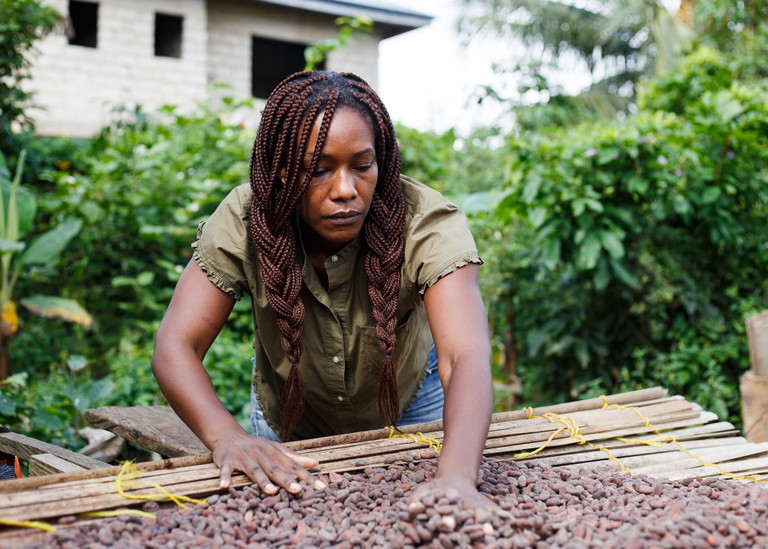
Photo provided

The Woman bringing African Cuisine to the world: Selassie Atadika

Interview
Africa
Cooking

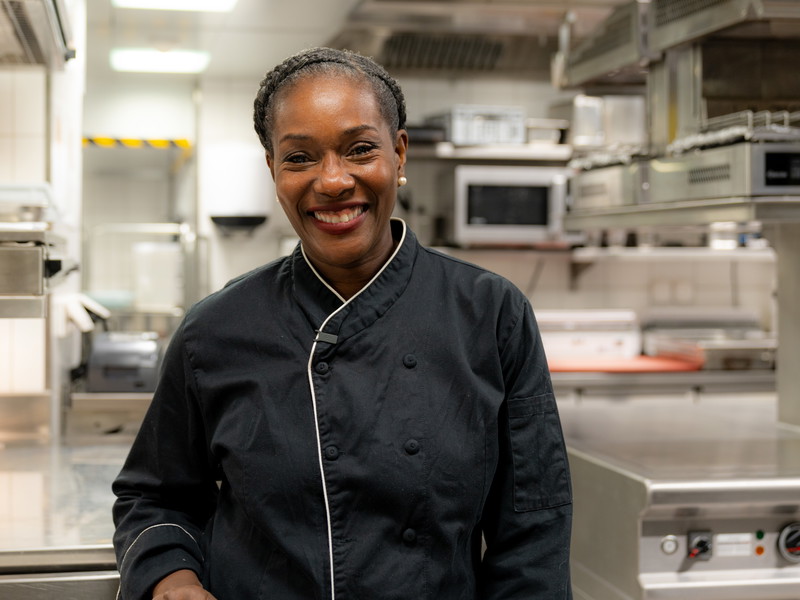
Selassie Atadika has made it her mission to bring the cuisines of Africa closer to the world. The Ghanaian chef cooks internationally, develops chocolate through her organization "Midunu" and shares stories about African traditions, ingredients and producers. In an interview with Falstaff, she talks about food as identity, sustainability and why African cuisines are still underestimated around the world.

Falstaff: Selassie Atadika, you move between gastronomy, cultural work and entrepreneurship. How would you describe your own role today?

Selassie Atadika: I am a chef, product developer and translator – not only for people outside Ghana, but also within the continent. My aim is to create and make visible systems in which the great ingredients of our continent can be recognized and valued. I am looking for answers to questions such as "How do cultural values emerge?" and "How do we share culture both with non-African and African communities?"

When did you realize that food is not just a craft for you, but also a part of your identity?

I was born in Ghana. After a coup in the early 1980s, my family and I fled to the USA – we had to leave our home. Food was the most important part of our identity that we carried with us. My mother was my greatest inspiration. She improvised with ingredients from Latin American stores, worked with corn leaves for tamales and made many things herself when they were not available. She wanted us to feel safe in this new environment and at the same time preserve a piece of home. When I returned to Ghana eleven years ago, I realized that many of the dishes from my childhood had disappeared. That is why, through my work, I want to ensure that they will still exist in 2050. To keep them alive, we have to continue evolving them and find new forms.

You are considered a pioneer of "New African Cuisine". How do you personally define this concept?

For many, it simply means modern African cuisine. But Africa consists of many regional cuisines. For me, "New African Cuisine" means that culture, community and cuisine come together – along with the environment, economy and sustainability. Sustainability also means that the women in the villages who produce these ingredients can earn a good living from them. When people come together around a table the person who grew the ingredient, the aunt who preserved the recipe, the consumers and the suppliers then real value is created at the source.

Are there ingredients from Ghana or West Africa that you feel are still underestimated globally?

Yes, many and they are often very regional. I originally studied geography and it is fascinating how different biomes produce different ingredients. Even within Ghana there is enormous diversity. One example is egusi, or melon seeds. They are typical for our plant-based cuisine, which is rich in nuts, seeds, beans and plant proteins. Unfortunately, many countries mainly promote cash crops for export, such as pineapples, mangoes or cashews, instead of supporting local diversity. Yet there are many other ingredients that are only just being discovered. By 2050, every fourth person in the world will be African. The importance of the continent will become more visible and with it our food.

Which dish brings you home?

Without a doubt: Kenkey. It is made from fermented maize, cooked in corn leaves and served with different sauces – for example chili-tomato sauce or shito, a dark, spicy sauce made from dried fish, shrimp, ginger and garlic. The aroma alone...

You founded "Midunu" in 2014. What was your founding vision?

I founded "Midunu" to celebrate Africa's culinary heritage. During my travels through 45 of Africa's 54 countries, I realized something: what we have is extraordinary, yet many people know little about it. So I began to research intensively and share this knowledge through food, through lectures and through products such as chocolate, which offer an accessible entry point.

Foto beigestellt

What do you wish for from the rest of the world?

That people remain curious. So far, they have only tasted the tip of the iceberg. Africa's world of flavors is vast.

How important is the global representation of African cuisine to you personally?

It means a great deal to me because several things happen at the same time: ingredients are respected, as are the people who grow them and the traditions that sustain them. This creates a sustainable foundation for future generations. I want what I ate as a child should still exist in a hundred years' time. Africa is not a country, but a continent with a thousand stories.


Linda Carstensen
Linda Carstensen
Portalmanagerin Schweiz und Autorin
Find out more
1 / 12