Skip to content
Photo provided

Falstaff talk with Max Richter and Julie Cavil: "Nothing is more complex than making things appear effortless"

Interview
Champagner
Musik

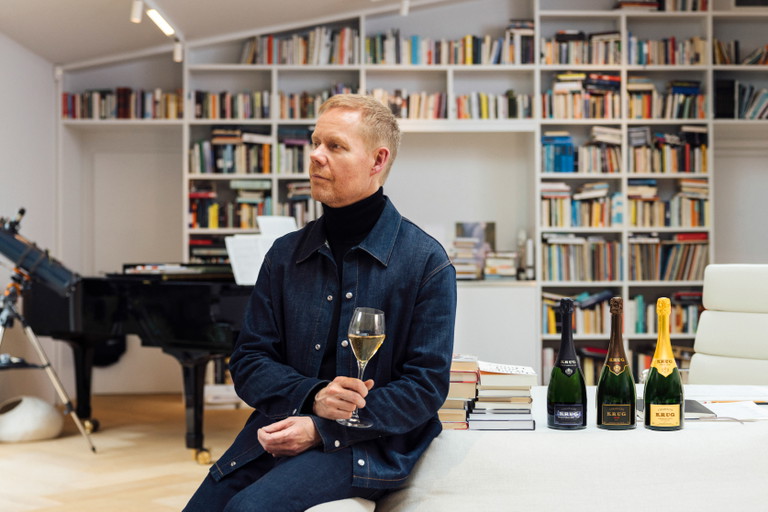
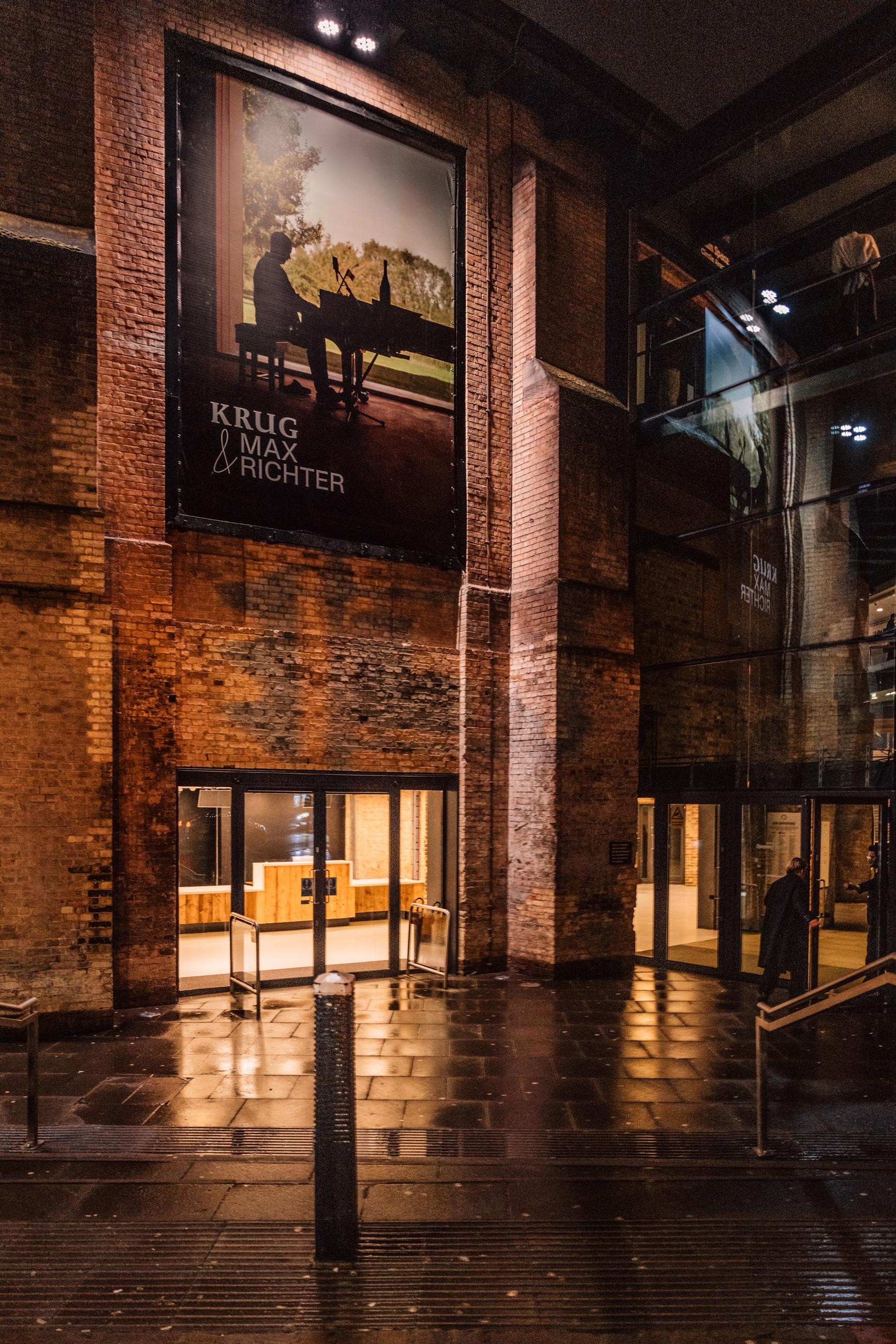
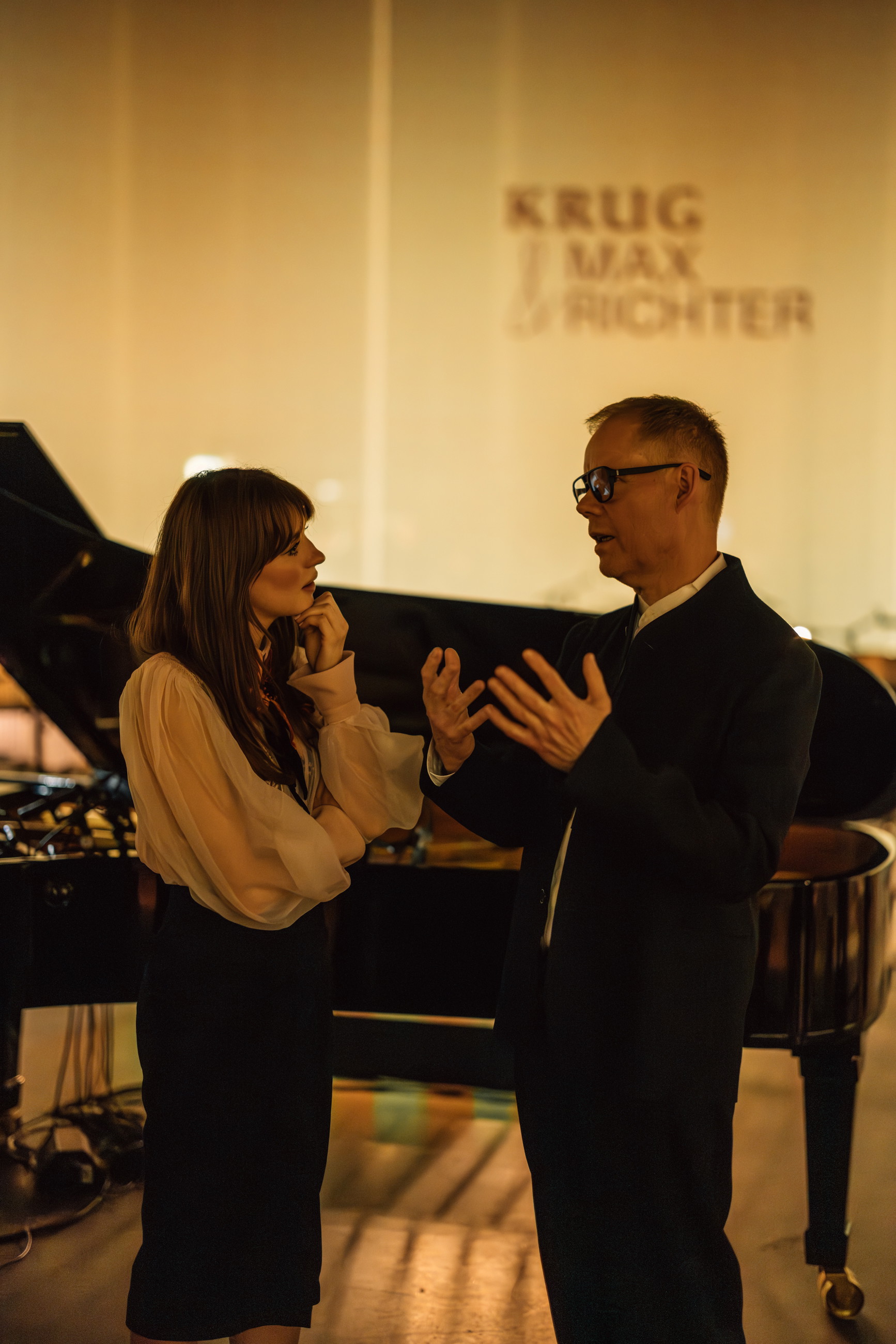
With "Every Note Counts", the Krug champagne house and composer Max Richter created something truly unique: Cellar master Julie Cavil selected three characteristic champagnes from the 2008 vintage - Max Richter transformed them into three musical compositions. Falstaff met the two on the occasion of the high-profile world premiere at London's Roundhouse.

Falstaff: "Every Note Counts" is conceived as a dialog between two forms of composition. What was the biggest challenge in understanding the creative language of the other?

Max Richter: In creative disciplines, the goal is to work with materials toward something specific - in my case these materials are sounds, musicians, time and space. And that is exactly what Julie does as well. There are very clear connections and parallels between my practice and the craft of making champagne. It is an assemblage of materials, time, space and intentions - carried by an extraordinary passion. Experiencing this firsthand was truly moving.

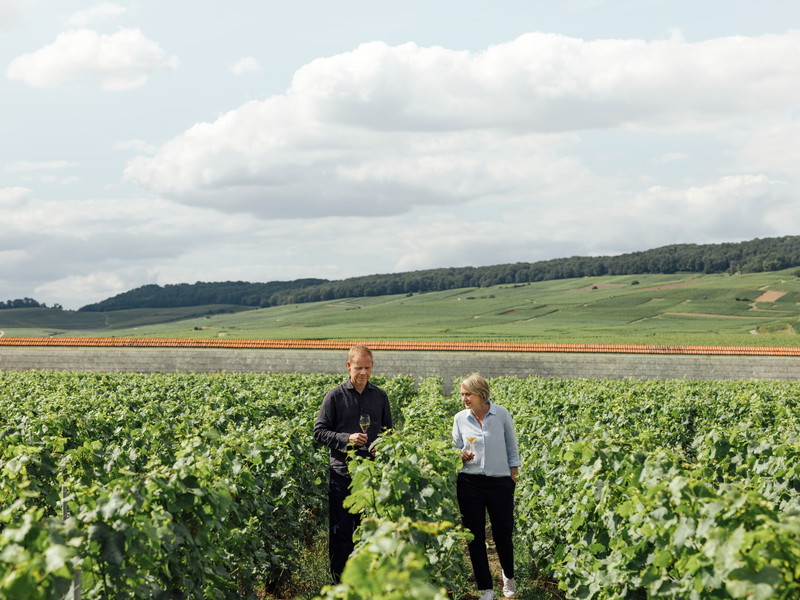
Julie Cavil: When I stood in Max's studio and saw all those buttons and knobs, I realized that we are actually looking for the same thing. The right balance, the moment when you feel that nothing more can be added and nothing more can be taken away. The language is different, but the principle is the same.

Mr. Richter, how did you become involved in this project?

I was very happy to be asked. I was fascinated by the idea of learning more about champagne production and finding out what parallels there were between my work and that of Krug. It was a voyage of discovery, with all kinds of interesting surprises.

Ms. Cavil, why was it clear to you from the beginning that 2008 was the right vintage for this project?

It is rare that everything comes together so perfectly. In 2008, we had all three of Krug's forms of expression at the same time - from the soloist to the ensemble to the orchestra. What defines our house is the ability to create champagne in its most complete form every year with Krug Grande Cuvée. But for a single vintage to be able to tell a story as a soloist and simultaneously develop its own dramaturgy as an ensemble - that is rare. We call 2008 "Classic Beauty".

Max Richter
Foto beigestellt
Max Richter

Mr. Richter, how did you approach the project?  What was your starting point?

I focused on the few things I truly knew - my experience in the vineyard. How does the wind blow? How does the light fall? What does that evoke in me? These are very fundamental impressions, especially as I'm not a champagne expert. Simply reacting as a human being, in a specific place and moment. And then creating things - discarding 90 percent of them again.

Was it a kind of translation?

Richter: In a way it was, but I would rather describe it as a parallel text. Something that exists alongside the champagne and creates a dialog. There were certain similarities - for instance the dimension of scale, from the soloist to the full orchestra. Other connections were more metaphorical. What is a soloist? A single voice - what is its emotional dimension, how does it relate to culture, society, to human life as a whole?

Krug x Max Richter - Every Note Counts
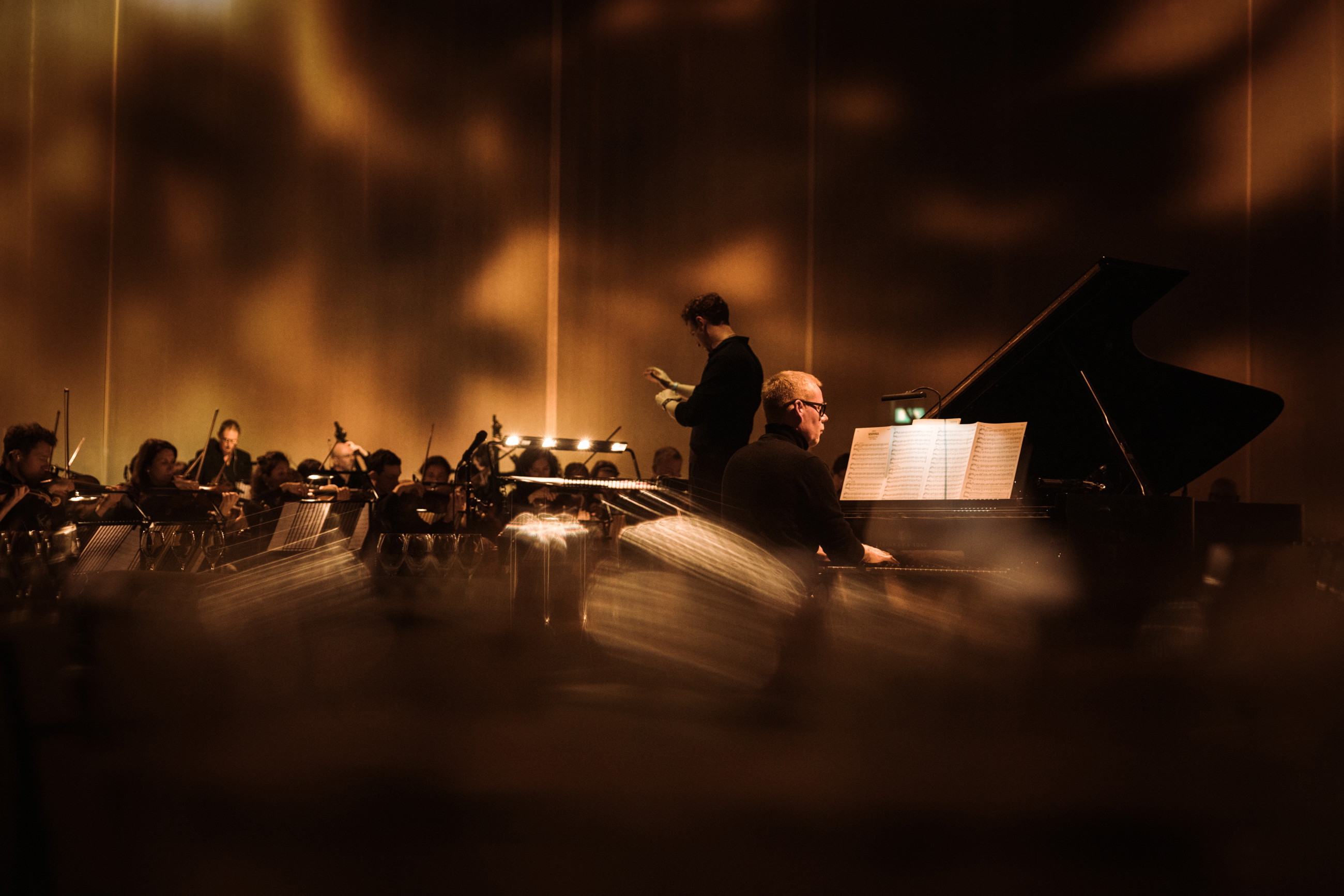
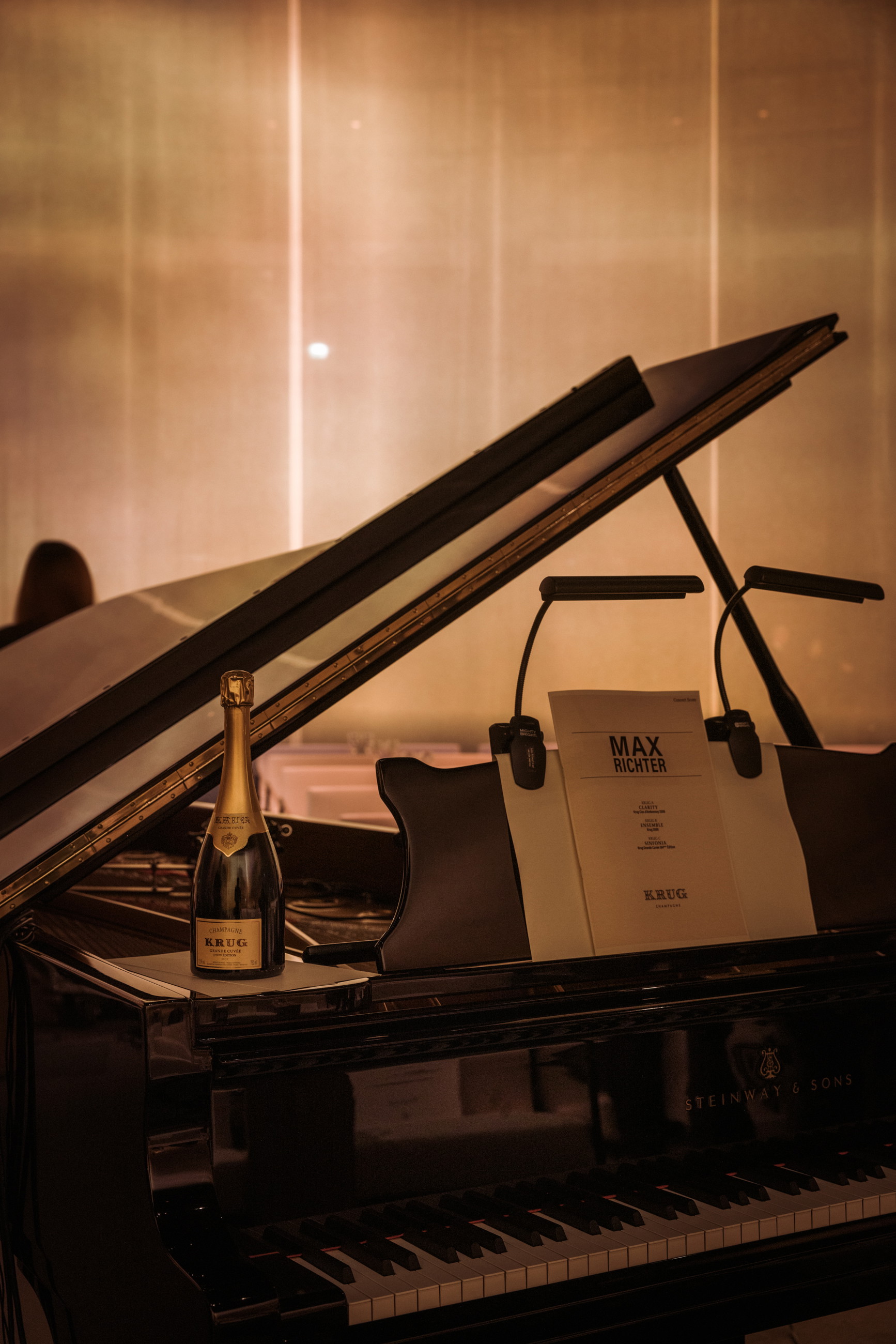
For "Every Note Counts", cellar master Julie Cavil and composer Max Richter combine three Krug champagnes from the exceptional 2008 vintage with three original music compositions: Krug Clos d'Ambonnay 2008 became the solo piece "Clarity", Krug 2008 the chamber composition "Ensemble" and Krug Grande Cuvée 164ème Édition the "Sinfonia" for full orchestra.
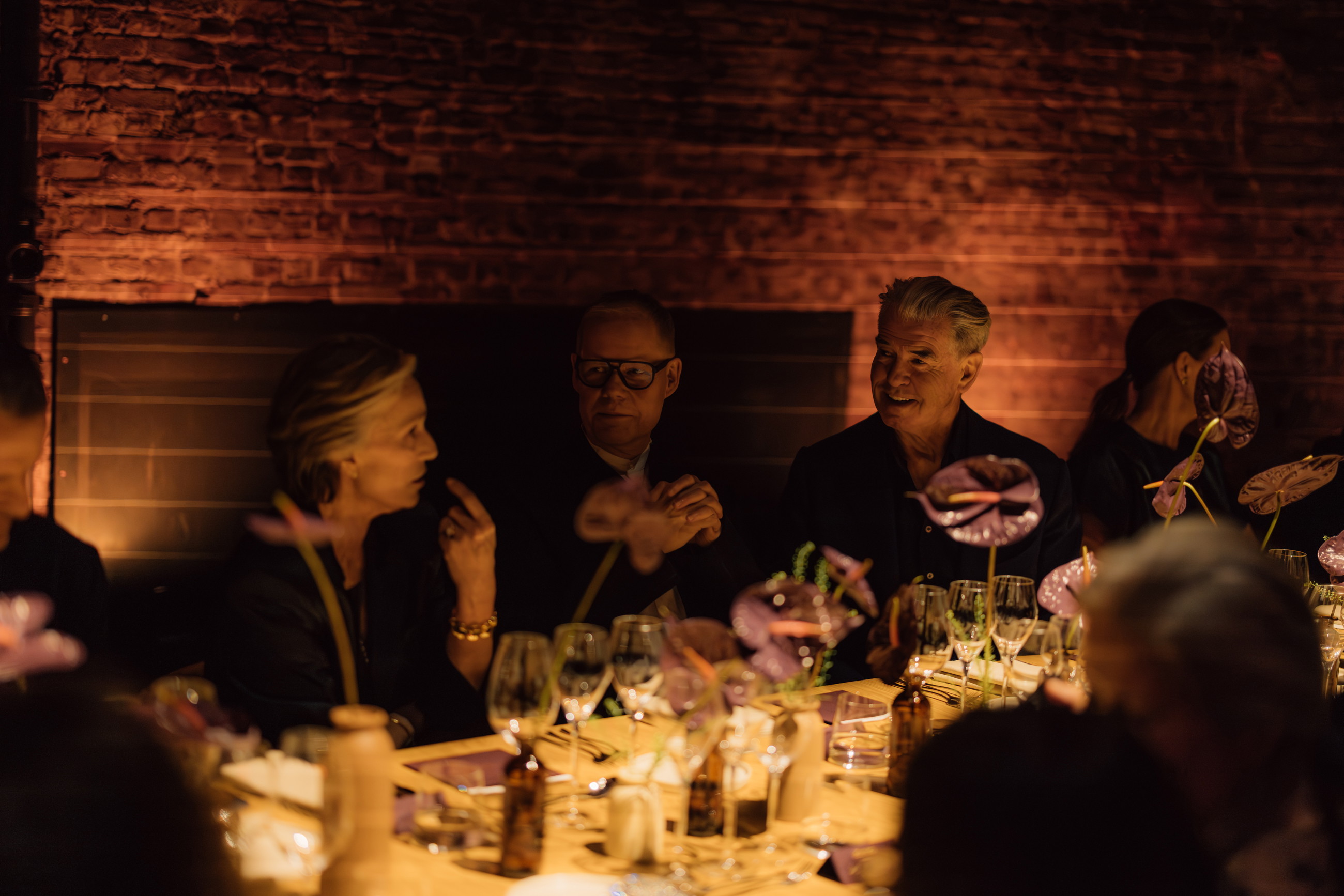
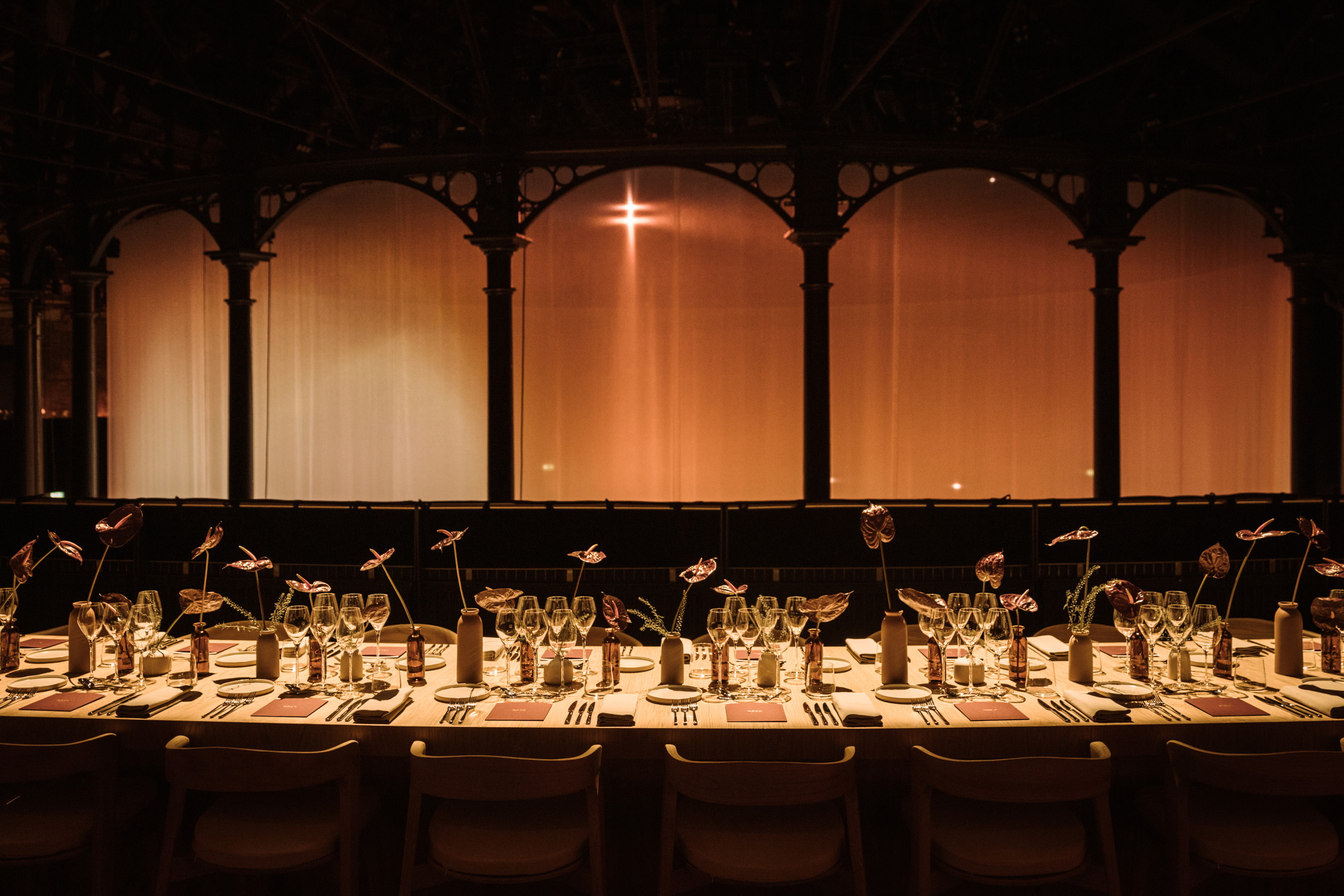
The project celebrated its world premiere on February 10, 2026 at the Roundhouse in London - with guests such as Pierce Brosnan, Lily James, Daisy Edgar-Jones and Kristin Scott Thomas, accompanied by an orchestra and a dinner by Krug ambassador Adam Handling. The limited edition case "Krug from Soloist to Orchestra in 2008 (Act 2)" is available from Moët Hennessy Private Sales available. Price on request.

What has changed in your perception of the other's craft through this project?

Cavil: We taste blind every morning at eleven o'clock. But we do not discuss whether something tastes more like strawberry or raspberry. Instead we think more like architects and ask ourselves how this assemblage is constructed. We try to understand its structure. Every wine has a form, a color, a smell, a taste - and now also a sound. The experience made me refelct even more deeply on the character of each individual wine.

Richter: I had assumed that there was an enormous amount of craftsmanship behind it - but I did not know the details. Spending time there and being with Julie and the team really gives one the sense that this is a cultural practice, very deeply rooted in a particular place. This connection between place, people and crafts - and the passion to really do everything that can be done - that is something I truly admire.

You both share a creative process in which you have to let go of the work at some point. How do you personally recognize when a piece - or a wine - is finished?

Richter: One simply knows, I think. It is a strange thing. At some point, you reach a point where the material begins to develop a life of its own, a kind of internal force or gravity. And I think that's the moment when it becomes real. Then I'm done.

Cavil: It's similar with wine. You simply know by intuition. At some point, nothing more can be added and nothing can be taken away. You feel this moment when it has arrived.

What's next for the two of you?

Richter: A cello concerto - the other half of my brain is working on it right now.

Cavil: We start the spring tastings tomorrow - the second round of wines from the 2025 vintage. I will decide how to assemble them by the end of March.

jug.com

TO THE MUSIC TRACKS (SPOTIFY)

TO THE MUSIC TRACKS (APPLE MUSIC)


Dominik Vombach
Dominik Vombach
Chefredaktion Schweiz
Find out more
1 / 12