Skip to content

Alvaro Palacios

Alvaro Palacios
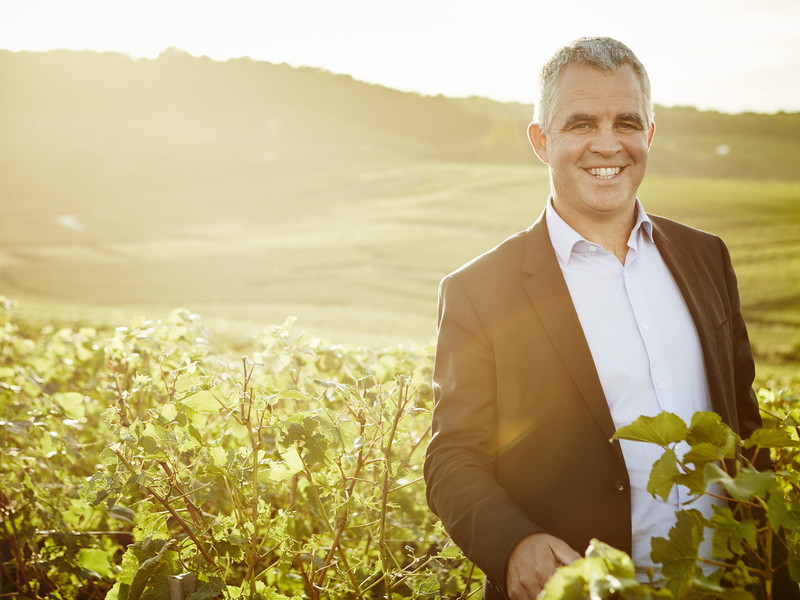
© Felix Groteloh

"The more of a wine is produced, the more it loses its soul"

Interview
Wine
Spain

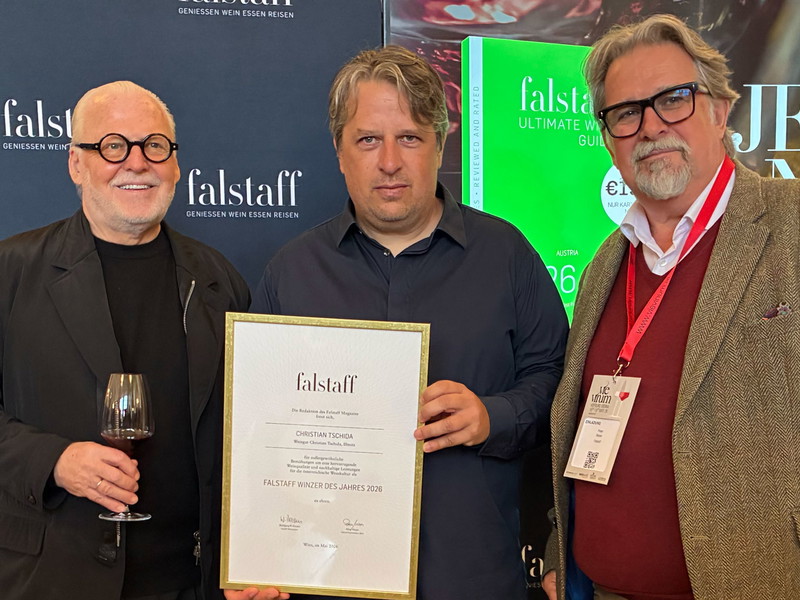
With wines such as L'Ermita, Álvaro Palacios has had a decisive influence on the international rise of Priorat and the whole of Spain as a fine wine nation. Together with Ricardo Pérez Palacios, he was recently named "Winemaker of the Year 2026/2027" by Baur au Lac Vins. In the Falstaff Talk, he talks about the magic in wine, the potential of Garnacha and which region he would choose today.

Falstaff: Spain is considered one of the most exciting fine wine destinations in the world today. Why has the country been underestimated internationally for so long?

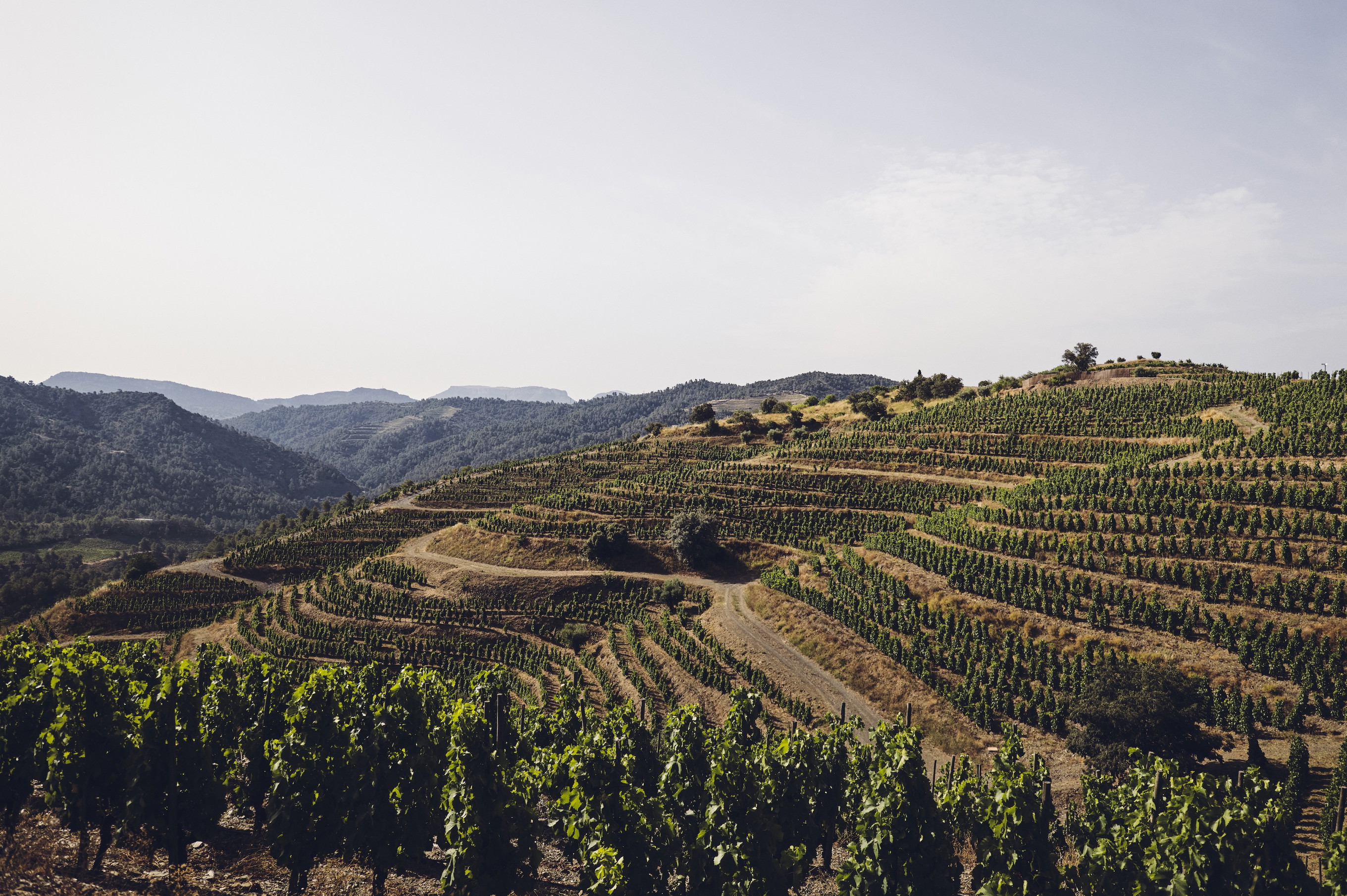
Alvaro Palacios: Spain has always been a great wine country. We belong to the old wine world, with a centuries-old wine-growing culture. The problem was never the quality of the vineyards, but the history of the 20th century. Civil war, political isolation and industrialization have weakened the awareness of origins. Many regions lost their identity and many old vineyards fell into oblivion. At the same time, the idea arose that Spain should produce wines based on the French model. During my training in Bordeaux in the mid-1980s, when I worked at Château Pétrus, among others, I realized that great wines are first and foremost made in the vineyard. It was precisely this awareness that was lacking in Spain at the time. It was only when people began to take old vineyards, indigenous varieties and historic terroirs seriously again that the international perception of Spanish wines changed.

They often talk about "magic" in wine. What do you mean by that?

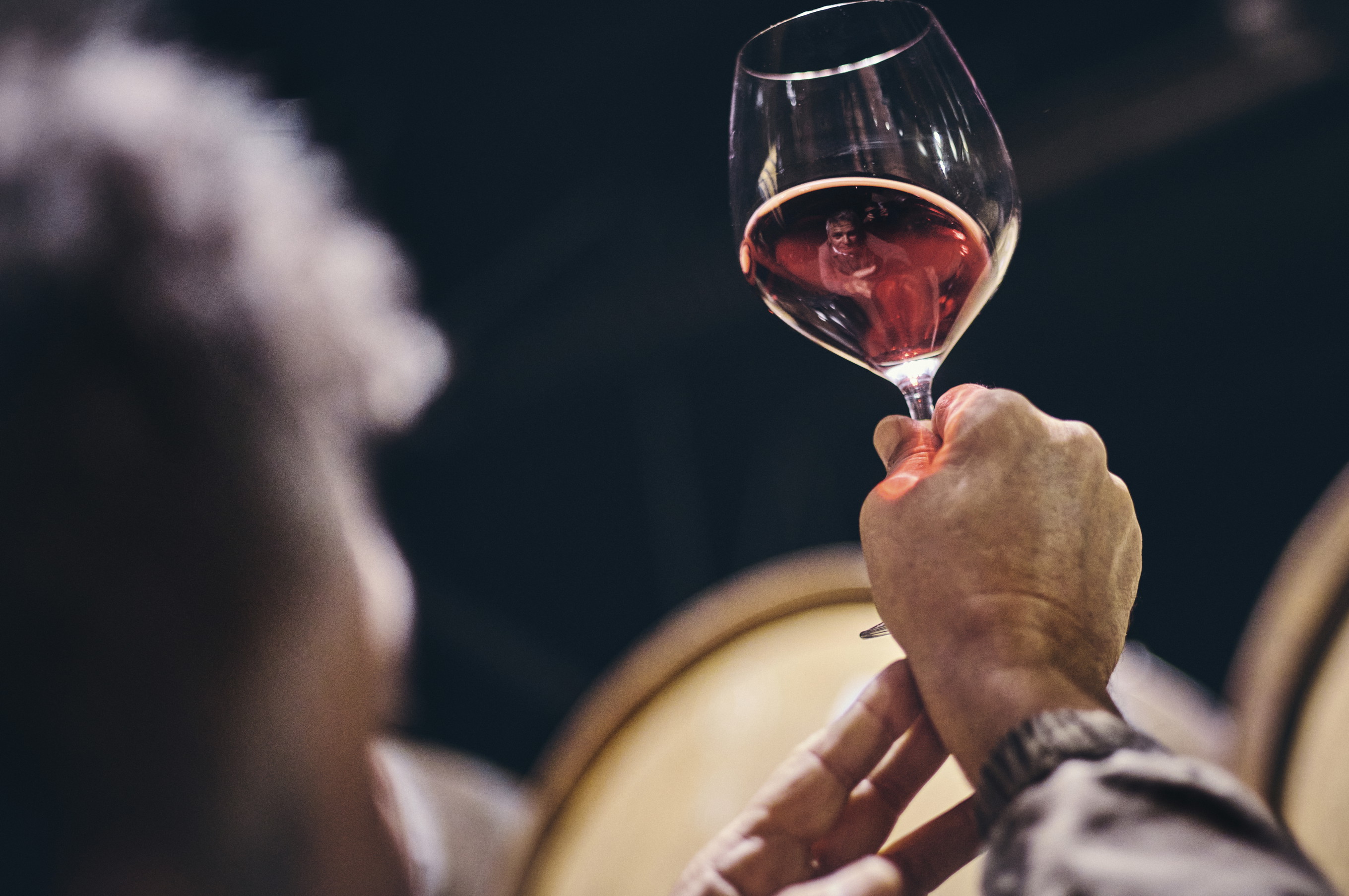
Great wines are not only created technically. In some vineyards, you can literally feel the energy and personality of a place. Wine is not an industrial product. You can make millions of perfect screws, but wine works differently. The more of a wine is produced, the more it loses its soul.

They keep calling Garnacha a grape variety of the future. Could it become more important than Tempranillo in the long term?

In Rioja Oriental, for example, Garnacha was historically the dominant grape variety because it was better adapted to the warm climate of the region. In the 1990s, however, the market demanded more powerful, more colorful wines. Tempranillo was therefore increasingly planted there. There used to be around 23,000 hectares of Garnacha in Rioja Oriental, today there are only around 4,000. People are now beginning to understand again why Garnacha has dominated there for generations: it retains freshness and acidity even under warm conditions and is therefore exceptionally well suited to the challenges of climate change. Grape varieties should not be subjected to fashionable trends. It is crucial to understand why previous generations cultivated certain varieties in certain regions.

How is climate change changing your work?

We have been investing heavily in this area for several years. Our main aim is to better protect the grapes from extreme sunlight. To do this, we are changing the education systems and creating more shade, like in a forest. In Rioja Oriental, we are now planting at an altitude of 700 meters and at the same time we are working intensively with late-ripening varieties such as Bobal, Moristel and Tinta Velasco. Many say that the established grape varieties will adapt, but it's not that simple.

Her daughter Lola is now also involved in the family projects. How is the next generation changing the way we look at wine?

Lola believes in our idea. She studied in Bordeaux and Dijon and worked at Romanée-Conti, Pingus and in Napa, among others. She has great sensory talent and a great feel for the vineyard. Regardless of my daughter, I have noticed that fewer and fewer young winemakers have ambitions in the fine wine sector. They lack the passion for it. They definitely want to be the best, but not in the absolute top league.

If you had to start all over again today, which region would you choose?

I would of course choose the most challenging one. Perhaps the Sierra de Francia in Salamanca. A very remote, almost inaccessible area. Rufete is the grape variety there. A region with incredible potential.

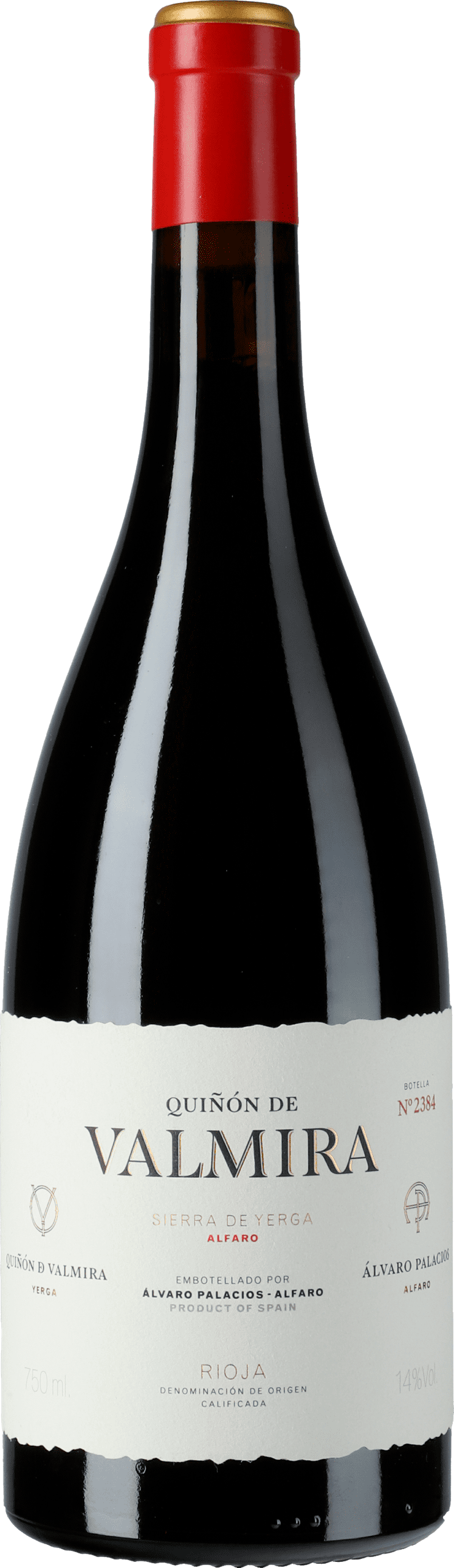
Best of Palacios - Top 3

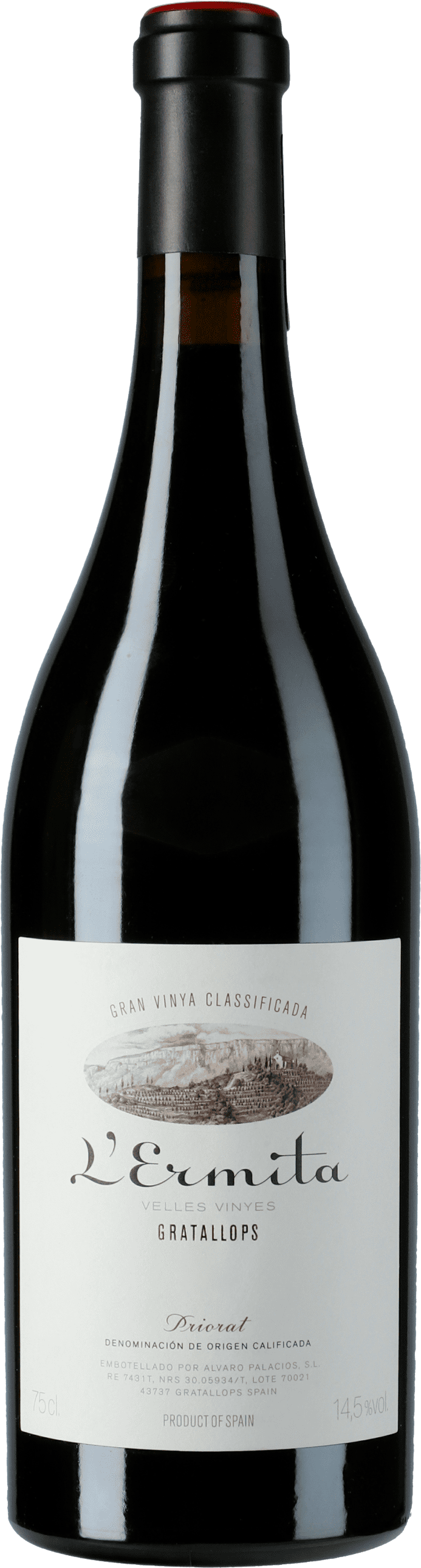
Deep, complex bouquet with notes of blackberries and black cherry as well as a distinctive dark spiciness. Concentrated on the palate without being overpowering, perfect balance,...
Priorat, Spain
Elegant, animating bouquet with notes of red berries such as redcurrant and raspberry. Blood orange and lots of floral notes as well as more and more fresh pan caramel over time....
La Rioja, Spain
Fresh, dark wild berry fruit on the nose. Floral notes and a mineral impression. Elegant and juicy on the palate, with chalky tannins and licorice on the long, balsamic-spicy...
Bierzo, Spain

Dominik Vombach
Dominik Vombach
Chefredaktion Schweiz
Find out more
1 / 12