
Falstaff Coffee Guide Nordics 2026: The best Cafés in Sweden
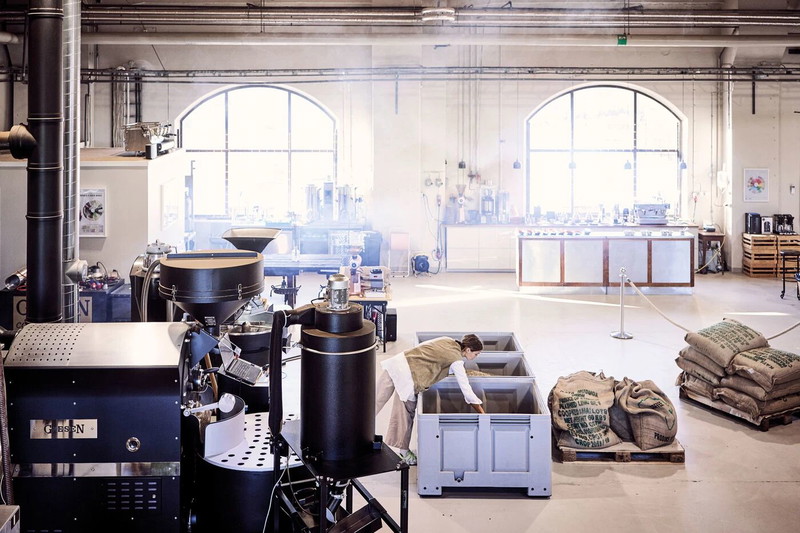
Inside a converted riding hall from the 19th century, sacks of green coffee and flour line the walls while baristas pull espresso and bakers shape dough. Seating ranges from the roastery floor to a hidden courtyard. Since 2003, this Gothenburg institution has defined Swedish specialty coffee.
Named after the Armenian who opened Paris’s first coffee stall in 1672, this Vasastan favorite carries forward a pioneering spirit. The three Seropian siblings (also from Armenia) started here around 2013, grew the café into a roastery, and now run three locations. Pastries from Compass Bakery and lunch options.
Award-winning café at Artipelag art museum, a sophisticated day-trip destination east of Stockholm. Annie Hesselstad and her team bake everything from scratch, creating new signature pastries for each exhibition. The word “båda” refers to the exposed rock inside the building.
Since 2016, this specialty coffee roastery has sourced 100 % traceable beans, roasting them in the countryside outside Linköping. The team grinds eighty percent of the grain for their bread themselves. The cardamom buns sell out fast, while the courtyard garden invites guests to linger.
One of Sweden’s pioneer micro roasteries opened here in 2006, tucked inside a building from the 17th century and spreading out over two floors with its café. Beans are roasted nearby at their own facility, and the resulting espresso even supplies fine dining restaurants. The barista school trains Malmö's next generation.
Sara Wennerström trained under master baker Jan Hedh before restoring the old stone oven in this former summer house. The bakery opened in 2011 and has since earned several awards, such as Best Semla in West Sweden. The slow-fermented sourdough is made with organic flour from Halland mills.
Joanna Alm started with a one-kilo roaster in 2009 and built one of Europe’s most respected specialty coffee companies from there. She has won the Swedish Roasting Championship three times. Her calm, minimalist café near Mariatorget pairs coffee with pastries from nearby Svedjan Bageri.
This small Lund roastery has been crafting specialty coffee since 2009 with a 25-kilo Diedrich drum roaster. Founder Daniel brings over two decades of expertise to beans sourced through long-term producer relationships. The hidden courtyard out back invites slow sipping throughout the warmer months.
Step into the 1950s at this retro café in the suburb of Midsommarkransen. Near Konstfack art school, students and locals gather over espresso from Drop Coffee beans and sandwiches (the tuna melt is superb). The building once housed a fishmonger; it reopened as a café in 2015.
When Ester Nordhammar opened this konditori in 1928, Swedish women had held the vote for barely a decade and female business owners were scarce. She employed only women and ran the place until her death in 1961. Crystal lamps, velvet chairs, and princess cakes carry her legacy forward.
In the shadow of Scandinavia’s tallest tower, this sleek newcomer (opened 2025) imports award-winning beans from a Bulgarian roastery founded by Cup of Excellence juror Jordan Dabov. The serious coffee menu spans from house espresso to Geisha and Kopi Luwak, with V60, Chemex and cold brew alongside.
This roastery specializes in the kind of competition-grade coffee that baristas use to win world championships. Founded in 2021, Standout roasts in the back room of Stockholm Brewing Co., so craft beer sits alongside rare Panamanian geshas. Open Fridays and Saturdays for espresso, V60, and private tastings.
Founded in 2011 by Johan Montan Ahlgren and Øner Kulbay, this roastery moved to Slakthusområdet in 2020. The industrial setting suits the uncompromising approach to sourcing and small-batch roasting. Coffee and open sandwiches are served mere meters from the drum.
Plants, bohemian furniture, light pouring in: This neighborhood café has been a local favorite since 2019 (Café of the Year 2024). The all-day veggie menu with hummus bowls, sandwiches, and cakes is built on seasonal local produce, and the coffee from Balck and Koppi is spot-on.
Formerly Mellqvist Kaffebar, this Södermalm institution is featured in Stieg Larsson’s Millennium novels as Mikael Blomkvist’s go-to spot and served as the author’s own regular café, too. It serves David Haugaard’s micro-roasted coffee alongside Valhallabageriet pastries and has a sunny terrace.
Founded in 2014 as a destination rather than a drop-in stop, this bakery occupies a former military base outside Karlstad. Stone-oven sourdough and Danish rye line the counter; specialty coffee receives equal attention. Hobby bakers can buy flour and a sourdough starter to continue at home.
A handwritten espresso menu and colorful dishes define this bright corner café, where lattes are served in large glass cups, and breakfast stretches long into the afternoon. Pancakes and salmon are brunch favorites. Outside, a courtyard shaded by lilac bushes makes the most of the sunny season.
Besides award-winning buns and bread, this artisan bakery-café curates a cultural calendar with live music and readings. When artist Lars Winnerbäck founded the Nypon Award for Culture in Linköping in 2016, the three ladies behind Babettes were the first ones to receive it.
This minimalist coffee and tea room with Korean and Japanese aesthetics is set in a converted garage. Multiple grades of ceremonial matcha reveal the drink’s flavor spectrum, from floral to nutty. Artistically plated cakes and specialty coffee follow the same care. Open Wednesday to Sunday.
A mayor’s house from the 19th century now serves as Falkenberg’s most design-conscious café, furnished with pieces by notable Scandinavian brands. The kitchen bakes everything on-site and shifts the menu with the seasons. In summer, tables extend the café towards the main street.
A converted tannery beside the Säveån river now houses gastronomy, creative studios, and a sauna. A rest stop on the Gotaleden worth planning around: coffee from a friend’s roastery, freshly baked buns, as well as local and Mediterranean dishes, fuel hikers for the next leg.
Specialty coffee in Sweden’s fika capital: This café in a renovated warehouse from the 18th century serves Bergstrands-roasted beans alongside house-baked pastries made with organic flour from Vänga Kvarn. Velvet sofas and crystal chandeliers set the mood; a courtyard awaits sunny days.
Around the corner from the award-winning restaurant PM & Vänner, this bakery produces naturally leavened loaves and buttery pastries from local and organic ingredients. While “bröd” means bread, “sovel” is old Småland dialect for the scraps you spread on it, rooted in scarcity rather than abundance.
British castle gardens inspired the grounds surrounding this Västerbotten café and farm shop. Here, landscape architect Mona Prestele bakes in a traditional German wood-fired oven using organic flour and eggs from her own hens. The show garden teaches about cold-climate cultivation.
A former waterworks on Lake Kottlasjön now houses a stone-oven bakery where cinnamon and cardamom buns share the heat with slow-fermented bread. The building dates to 1915. Coffee from nearby Lidingö Rosteri accompanies the food. Ideal as a walking destination or as a summer escape from the city.
Inside a converted stable on the Bjäre peninsula, this garden café pours organic coffee alongside herb-laced pastries decorated with edible flowers. Maggan’s cardamom buns follow family recipes. An award-winning destination since 2015, it is surrounded by greenhouses growing 40 tomato varieties.
When Damien Foschiatti arrived in Stockholm in 2012, after baking for Ladurée in Paris and the Clintons in Washington, he didn’t expect to end up running a pâtisserie with a farmer’s granddaughter from Gotland. Tartlets, macarons and entremets share the counter with bread and baguettes. The new year starts with the galette des rois.
This fika institution has stood on the same corner near Stigbergstorget since 1936. New owners reopened it in 2019 with a modern craft focus. Stone-oven bread shares the counter with handmade pralines and carefully layered pastries. A seasonal ice cream kiosk opens in summer.
On an 1890s farm in Österlen, the courtyard fills with visitors drawn by legendary carrot cake and wood-oven sourdough. The shop sells own-brand muesli, crispbread, and marmalades alongside bakery classics. Queues form early, but patient locals know: every bite justifies the wait.
Ambitious konditori crafting mousse cakes and large bread loaves with Tahiti vanilla, Valrhona chocolate, and organic butter. Frida Antonsson and Micke Svensson trained at some of Stockholm’s finest bakeries before returning to their hometown in 2008.
Two former Stockholmers who met through surfing, Fredrik Ekman and Claes Johansson, started this stone-oven bakery north of Visby in 2014. Their team bakes with organic Gotland flour and shapes cardamom buns with butter. Vintage food vans roam the island in summer.
On Sweden’s southern tip, Per Söderberg and Tilde Möller bake bread in a stone oven using organic flour from Skåne and Bornholm. Loaves proof slowly; pastéis de nata with free-range local eggs and real butter are irresistible. Some ingredients come from their own kitchen garden.
Family-run since Pelle Stålbom opened the original on the town square in 1957, this local institution supplies classic Swedish pastries. The current garden location seats 400 for summer concerts featuring top Swedish artists. No WiFi: “Because here, we talk to each other.”
Housed in a heritage building from the 19th century, this café is widely known for its generous cake buffet. The garden overlooks the archipelago and fortress. Luckily, it has enough tables to allow guests to slow down. Seaside holiday feeling, also thanks to the ferry ride from Stockholm.
Since 2003, David Fernandes has blessed Malmö with the fruits of his French training. Éclairs, macarons and tartelettes share the counter with Portuguese pastéis de nata and Swedish cinnamon buns. The heritage-listed Sankt Gertrud courtyard provides a moment to relax.
This roastery and brew bar has pioneered light-roasted specialty coffee in northern Sweden since 2006. Owner Costas Pliatsikas developed profiles that were revolutionary for their time, and his innovative barista techniques went viral. The freddo cappuccino is a nod to his Greek roots.
Since 2018, Morgon (“morning”) has roasted at Lindholmen’s old shipyard. Square blue bags refer to the shipping containers dotting the harbor. Open for bean sales Monday to Friday, but only the last Saturday of each month is “Fika Saturday” with coffee and free tastings.
This small-batch specialty roastery sits on the shore of Storsjön, literally the “big lake” of Jämtland. Single-origin beans are sourced sustainably and roasted slowly to highlight each region’s character. The coffee bar offers espresso and filter, plus a retail corner with equipment.
The café that sparked Sweden's third-wave coffee movement opened in 2004 and continues to set standards. Beans are roasted at their facility south of Stockholm, one of Europe's best-equipped specialty roasteries. The cardamom buns are exceptional.
Specialty coffee bar in central Nyköping with trained baristas and top-tier Victoria Arduino equipment. The seasonal menu features salads and soups alongside house pastries made with Valrhona chocolate. In summer, organic gelato from local dairy brand Vår Gelato joins the lineup.
This specialty roastery on Kungsholmen sources beans directly from South and Central American farmers. Baristas pull espresso with care and provide tasting cards detailing the origin and altitude. Empanadas and medialunas bring Buenos Aires to the North; curious guests try the espresso tonic.
Inside the old customs house by Skärhamn’s marina, a young roastery has been making waves in the specialty scene since 2024. The beans are transported on sail-powered ships as part of an international initiative to reduce maritime freight emissions. Combine with the unique Nordic Watercolor Museum.
The interior of “The Bean & The Moustache” came from a closed konditori in Svalöv, giving this tiny coffee bar its authentic 1950s charm. Beans from Swedish micro-roasters rotate through two batch brews and two espressos, with hand brewing available on request. Organic tea, craft chocolate, and liquorice are on the shelves.
Beside the old mill race in Jonsered’s historic factory district, actor Eric Ericson traded the theatre stage for dough in 2022. His team sources milk from Kåhögs gård and stone-ground flour from Limabacka mill. The semla has been voted best in Gothenburg two years running.
Buddha Browett started Sweden’s largest urban farm (Los Perros) in 2015 and opened this vegan café four years later. Grilled vego-cheese with house-made kimchi, Koppi coffee, and shelves of ferments and growing kits fill the cosy space. Pastries come from Leve.
The scent of stone-baked levain greets visitors to this small, French-inspired bakery on Lidingö. Owners Fredrik and Anna both have credentials from the Nobel Banquet. The Tosca bun with almond topping and a buttery base is a local favorite. Coffee beans and apple juice come from the island.
Rows of shiny pralines fill the glass counter like gems, each one shaped by hand. Award-winning chocolatiers have worked here since 2002, using single-origin cacao such as fruity Madagascan and floral Ecuadorian to match each filling. Book a tasting or simply pause with an espresso.
Inside a stable from the 19th century, once kept for the Swedish royal family, rough wooden tables face views across farmland and sea. Petter Polacek and Jonatan Zaar bake cold-fermented sourdough using organic flour and butter. The house marmalade makes a worthy souvenir.
The Olsson family has served Gothenburgers since Grandmother Dagny started baking in a suburban basement in 1962. Today – three generations and six locations later – the classic café with chandeliers still captures a timeless elegance rare in modern Gothenburg. Princess cake remains the signature.
Sisters Alma and Alvida Jansson founded this patisserie in 1903. The name honors explorer S. A. Andrée, who had passed overhead by balloon, preparing for his expedition to the North Pole. Today, siblings Tina, Per, and Elin continue the family tradition with stone-oven bread and handmade pralines.
This konditori with in-house bakery is set inside an 1867 summer villa on Lake Mälaren that once welcomed prominent guests: King Oscar II visited twice; authors Selma Lagerlöf and Henrik Ibsen came for the salon gatherings. The shrimp sandwich and princess cake make great fuel for a hike along the lakeshore.
A marble staircase leads to the upper room of the oldest konditori in Umeå, running since 1927. Co-owner Jessica Sandberg, a member of Sweden’s national pastry team with European championship titles, oversees the baking. The princess cake and sandwiches are local favourites.
Skånska Hembageriet is named after the two sisters from the region of Scania who started the bakery in 1930. The half-timbered house from the 1700s has charmingly crooked walls and floors. The current owners revived the in-house chocolate workshop that flourished here in the 1950s.
This classic konditori on Karlavägen has served the upscale neighborhood since 1920. Now run by award-winning chef Mattias Ljungberg, it offers both traditional recipes and new inventions such as the famous “semmelwrap.” Lesser-noticed delights are the buttery Rimbo bun and the painted tiles on the walls.
At this award-winning pâtisserie, master pastry chef Josefin Gauffin brings world-class technique to Dalarna. After years in Stockholm, including the commission for a royal wedding cake, she returned home to bake Budapest rolls and sesame-miso éclairs that look like jewellery.
In 2004, Johan Ekfeldt co-founded Johan & Nyström, helping launch Sweden’s specialty coffee movement. After selling that company, he started fresh in 2018: traceable beans from single farms, slow-roasted in small batches. The name? He owns a farm in Colombia where the workers call him “Gringo”.
Thrift-store hunters with a caffeine habit come here to browse curated vintage clothes between sips. The bright, nostalgic interior provides a fitting backdrop for modern fika with matcha lattes and chocolate chip cookies. Both the clothing and the coffee make great conversation starters.
Baristas in green jackets work behind a counter designed more like a bar than a café: that was the idea when two friends opened in 2006. Their roastery now supplies several of Malmö's best restaurants. Hand-brewed filter coffee, homemade granola, and classic sandwiches convince guests to come back.
Julia and Michael Skentelbery left Germany for Småland in 2019, drawn by the forests and lakes in the Kingdom of Glass. Industrial coffee had given them headaches, so they turned to specialty beans and slow roasting at low temperatures. Their small roastery is open Fridays and Saturdays only.
Specialty coffee roasted in Swedish Lapland by Budha Sutedja, an Indonesian-born roaster who won the Swedish Coffee Bar Award in 2017. The slow-drip cold brew, served in wine glasses, adds an experience to a landscape that already has its own reasons to draw you north.
Anders Arrenius opened this coffee bar and shop in the food hall in 2014, moving to Drottninggatan in 2017. The compact space stocks beans from Swedish micro-roasters, from light Nordic profiles to darker Italian styles. Hot chocolate is made with 65% dark chocolate, while chai is brewed from spiced tea.
Espresso flows fast at this Italian-style coffee bar on Möllevångstorget, where darker roasts and standing tables remind guests of a busy bar in Milan. Hearty brioche sandwiches and cannoli rival the coffee for attention. Wall art by cartoonist Magda Lundberg decorates the space.
Specialty café on Rörstrandsgatan since 1996, using beans from Gringos and serving cardamom buns. This Vasastan institution is a sibling of Kaffebar, the Södermalm café that featured in Stieg Larsson's Millennium novels. The breakfast with boiled egg and kaviar is a solid start to the day. Specialty café on Rörstrandsgatan since 1996, using beans from Gringos and serving cardamom buns. This Vasastan institution is a sibling of Kaffebar, the Södermalm café that featured in Stieg Larsson's Millennium novels. The breakfast with boiled egg and caviar is a solid start for the day.
Expect a southern European mood on this pedestrian lane: tiled walls, tight seating, and a terrace that fills the moment the sun appears. In the afternoon, after the espresso machine cools, bottles of natural wine are opened instead. Same owners as Nostra Café; same attention to seasonal ingredients.
Everything on the menu is made in-house: banana bread with espresso butter, raw caramel cake, eggs Florentine with hollandaise. Weekend brunch fills fast.
A chalkboard menu and mismatched furniture set the tone at this neighborhood spot near Vasaparken. Coffee is sourced from Swedish roasters, including Johan & Nyström, with the flat white being a particular favorite. Art exhibitions line the walls, and a second location opened in Brunnsparken in 2025.
Why commit to one roaster? This specialty coffee bar rotates beans from Swedish companies, ground fresh for each cup. Xandra and Pontus opened in 2025 as Borgholm’s first dedicated coffee bar, filling the space with vintage finds, book-exchange shelves, and monthly meetups for writers.
This former carpentry workshop is located in the picturesque Österlen countryside. Matti and Iwona Holgersson met through baking in Copenhagen and now run the organic vegetarian café together. Sundays feature sourdough pizza in three versions, and the shaded pergola is perfect for fika.
What if dietary restrictions meant no compromise? At this dedicated gluten-free bakery, everything is also oat-free and lactose-free, with many vegan options. Constraints breed creativity here: the choux-semla hybrid merges French pastry technique with Swedish tradition.
Marble walls and a glass-roofed atrium: Latteria is located inside Antikhallarna (“the antique halls”), a converted bank palace completed in 1905. With cakes, pastries, waffles, and light dishes, it is a popular daytime meeting spot. The adjacent British Shop is not to be missed for unexpected souvenirs.
Magnus Johansson set a record by creating the Nobel Banquet dessert eleven times. His bakery in the modern district of Hammarby Sjöstad, founded in 2011, brings refined craft to everyday pastries, cakes, and breads. The bostocks alone justify the detour. Glass walls reveal the busy workshop.
Anders Oskarsson, who runs this 1920s bakery, was named World’s Best Pastry Chef in 2017, and a gold medal on display proves it. He created the mini princess cake in a taco-like shell. Everything is made from scratch, using vanilla, organic Gotland flour, Valrhona chocolate, and other selected ingredients.
Uppsala’s oldest operating café, founded in 1878 by confectioner Erik Ofvandahl, has occupied its Sysslomansgatan address near the cathedral for well over a century. Filter coffee comes with free refills, a tradition called påtår. One specialty is the Linnébakelse: a marzipan pastry bearing the profile of botanist Carl von Linné.
Colorful retro café with creative freakshakes and its own inventions like the Wraffle, a waffle folded into a wrap. Owner Susanna honors her grandmother, who ran a popular suburban café in the fifties. The décor from that era includes family heirlooms, vintage porcelain, and a working jukebox.
Frida Leijon, the multiple-award-winning pastry chef who helped create a royal wedding cake, opened this stone-oven bakery in 2017. Seasonal tarts, mousse cakes with meringue, almond croissants, and cardamom buns line the counter. Three Uppsala locations now serve her fine creations.
Deep in the Skåne countryside, Eva and Palle run a bohemian café where coffee and seasonal food arrive from a tiny kitchen. The lox sandwich is a local legend. Summer evenings bring pizza and live music in the garden. Upstairs, Eva sells her own handmade dresses.
Fika royale: The legendary cake buffet served in a manor from the early 19th century on Lake Mälaren holds around 65 varieties, all baked on-site. Coffee is brewed with water from the estate’s Drottningkällan spring. The journey from Stockholm on a vintage steamship is breathtaking.
This organic café with tables beneath apple trees serves vegetarian dishes made from scratch, alongside homemade bread and seasonal pastries. The kitchen uses produce from its own greenhouse and garden plots. Alfred Nobel’s 1860s dynamite factory and a swimming spot lie just footsteps away.
In 1868, timber merchant Elias Kempe had this villa built as a wedding gift and shipped from Utansjö across the ice to Sälsten beach. The park, harbor views, and original verandas remain. New ownership since 2026 continues the café tradition in one of the High Coast’s most atmospheric settings.
A red cottage amid allotment gardens and horse stables creates an idyllic setting for this suburban fika destination. The tiny space fills quickly, especially on Friday pizza nights. Stone-baked loaves, grilled sandwiches, various buns, and buttery brioche justify the metro ride to Svedmyra.
Vintage chandeliers hang above worn leather armchairs in what was once an auction hall in the harbor district. The name means “the warehouse”, a nod to the building’s past. Open from early morning until late, the atmosphere shifts seamlessly from café to relaxed wine bar.
Six years after co-founding Frantzén/Lindeberg (now Frantzén), Daniel Lindeberg returned to his hometown suburb to open an ambitious neighborhood bakery. Since 2014, he has brought choux au craquelin, fraisier cakes, prinsesstårta, and macarons to the local center of Orminge.
For over three centuries, the Kronobageriet supplied bread to the military. It produced up to 60,000 loaves a day before closing in 1958. New owners reopened in 2022 in the historical building with levain and laminated pastries. Contrary to the name, “the big bakery” is not that big after all. Luckily, there is outdoor seating.
A tiny counter, a deli ticket system, and some of the city’s most sought-after cardamom buns. Founded in 2003 on Valhallavägen, this Östermalm bakery expanded to three locations without losing its neighborhood character. Sourdough loaves and fruit pastries consistently impress.
What happens when a bakery reverses the clock? Bread emerges fresh each evening, not morning, baked from organic local grains in a stone oven. Every pastry is vegan, from cardamom buns to the legendary Friday doughnuts. Second-hand furniture and zero-waste values complete the concept.
French-influenced entremets in a country of cinnamon buns. This compact Limhamn patisserie was opened in 2024 by Glenn Percy Sjögren. He crafts glossy mousse cakes and raspberry-pistachio biskvi, makes everything from scratch, and even brews the coffee. The quiet harbor suburb rewards the journey.
This countryside konditori has been baking since 1914, and the vintage furniture takes guests straight back to the 1930s. The glass counter overflows with cream pastries, almond tarts, and flaky Danish filled with marzipan. Located halfway between Stockholm and Gothenburg, just off the E4.
Ester began baking in this roadside cottage around 1930, halfway between Karlstad and the Norwegian border. Still today, the pastry selection rewards the stop: lemon-lime pie, chocolate-caramel tart, handmade truffles, and more. Traffic hums along the E18, but the back garden feels far removed.
Five generations of the Landing family have baked here since 1887. Cakes, tarts and cardamom buns are crafted on-site, while the sourdough bread comes from sister bakery Forsa. Hovkonditori means “confectioner to the royal court”, a title the family has held since the early 1900s.
What looks like a modest shopfront reveals surprising depth: walls lined with tea tins, shelves of single-origin chocolate, beans from respected roasters. Owner Madlén has built something special here since opening in 1997, including bookable tastings. A highlight in this corner of Skåne.
Stina, Oscar, and Lucas (the S, O, and L) run this artisan bakery using flour from Limabacka Kvarn for sourdough loaves, croissants, and inventive pastries. The Crosskub is a cube-shaped croissant with pistachio mousseline; the fattiga riddare (“poor knights”) is served with Cointreau and roasted pecans.
Since 1924, Östersund’s fika institution has kept the same spot on the pedestrian street. The hearty sandwich cake (smörgåstårta) was invented here in the 1960s; the Jamaica cake with banana and pistachio followed soon after. In summer, ice cream tastes best on the sunny terrace.
The name means “little brother’s” because founder Stefan Berg is the younger sibling of another baker. The space is just as small (just a wooden counter where bakers work in plain sight), but the tosca buns with caramel-coated nuts are worth the queue. The 27-layer croissants remind guests of Paris.
Opened in late 2024 by baker Ellen Käck, whose résumé includes Villa Dagmar and Valhallabageriet, this artisan bakery focuses on laminated pastries and seasonal buns. The cinnamon croissants sell out quickly. A compact space with an open kitchen: mostly takeaway, but worth the queue.