Skip to content
© Shutterstock

Angola: The Next Destination to Watch

Fernreisen
Geheimtipps

Although tourism in Angola is still in its early stages, the country has all the ingredients to emerge as one of Africa's most compelling new destinations. Rich cultural heritage, dramatic landscapes and vast national parks offer exceptional potential, particularly for safari travellers. Those who visit now can experience Angola's remarkable diversity before it reaches the wider tourism spotlight.

Vast savannas, spectacular waterfalls, pristine Atlantic beaches, and fascinating wildlife; Angola is one of Africa’s last largely unknown travel destinations. With investments in nature conservation and tourism, the country is increasingly opening up to international visitors 24 years after the end of the civil war, and still offers genuine moments of discovery.

The Return of the Giraffes

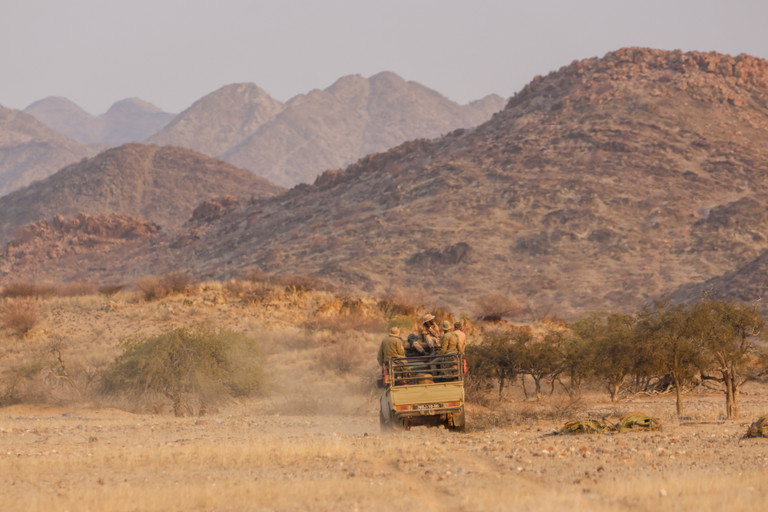
It is only since 2023 that giraffes have once again been living in Iona National Park on Angola's southern border with Namibia. They were brought from the neighboring country to gradually repopulate the landscapes that had ceased to serve as their habitat decades ago. "The people in my home village have never seen a giraffe in the wild," explains ranger Serafina Pascoal. Like them, many Angolans look on with reverence as the giants return to their country. More than 20 years after the end of Angola's 27-year civil war, elephants, zebras, and various species of antelope are also returning to the protected areas. Meanwhile, other national parks are also hoping that the return of charismatic animal species will help foster public interest in nature conservation, and spark safari tourists’ curiosity about Angola.

Kalandula-Fälle
© Robert Haidinger/Kleber Group/Ministry of Tourism of Angola
Kalandula-Fälle

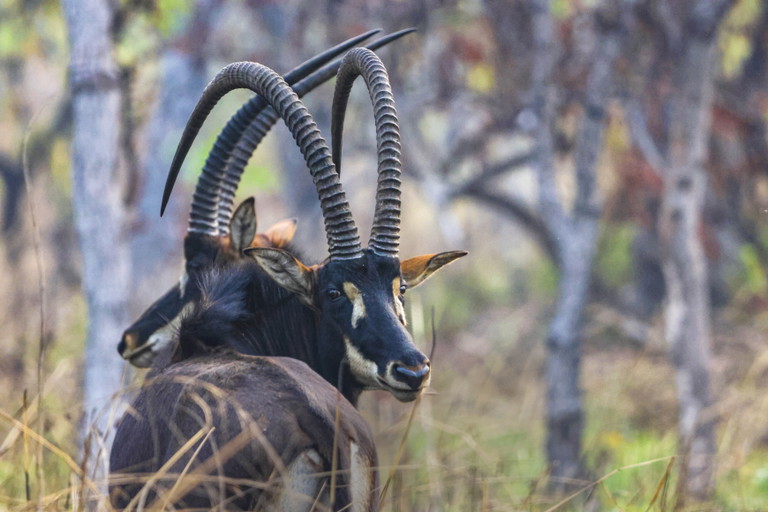
In the northern province of Malanje, too, a ranger is on the lookout for a special animal: Miji Suete-Chihumbué listens intently to the forest, while his safari guests scan the dense bushland with keen eyes, first hopefully, then with growing disbelief. Nothing. The ranger insists that she can be found here: Palanca negra gigante. The mysterious giant black antelope is Angola's national symbol and is found exclusively in this South West African country. The myths surrounding them are reminiscent of European legends about unicorns.

Antelope species threatened with extinction

"At this time of year, it's a little harder to find them because the animals don't come to the watering holes every day," explains Chihumbué. Hippotragus niger variani - the Latin name for the antelope with saber-like horns curved backward - was long considered extinct. The last confirmed sighting took place in 1982, seven years after Angola gained independence from Portugal and the start of the bitter battles between the three rival liberation movements—the MPLA, the FNLA, and UNITA.

In the early 20th century, when Angola was Portugal’s most economically profitable colony in Africa, the animal’s horns were considered the favorite trophy of the coffee barons and their wealthy, well-traveled guests. In 2002, at the end of the civil war, it was unclear whether even a single one of these majestic animals had survived. Many had fallen victim to the starving rural population. Fighters who had taken refuge in the bush lived off their meat and adorned themselves with their horns, which are among the most beautiful and heaviest of all antelopes. Starting in 2003, conservationists led by zoologist Pedro Vaz Pinto investigated rumors that the last surviving animals were still living in the Cangandala Forest.


Zwei Riesen-Rappenantilopen
Alexander Nortrup
Zwei Riesen-Rappenantilopen

It's not just in Iona and Cangandala National Parks that tourists have Angola's wilderness all to themselves. On a remote tributary of the Okavango River lies one of Africa's least-known and most exciting safari destinations: the Cuatir Game Reserve. The open floodplains along the river of the same name attract large herds of ­red hartebeests and impalas from the surrounding wooded savanna. Occasionally, you can also spot reedbucks, sitatungas, and kudus here, and with a little luck, even cheetahs.

AMBITIOUS NATURE CONSERVATION PROJECT

In 2024, conservationists introduced elephants from Namibia for the first time. They had been wiped out during the 27-year civil war. Their number has since grown to more than 30 animals. The organizers of the Cuatir nature conservation project want to turn the reserve into a large-scale private conservation area modeled after Namibian and South African examples, before it falls into the hands of oil and mining companies and the illegal timber trade, as has happened to many others in Angola. Cuatir is one of the few places in Angola where centuries-old trees still grow.

Unlike in other protected areas in Africa, safari tourists here don't have to worry about traffic jams caused by wildlife. Visitors still often have the 40,000-hectare reserve all to themselves. Local conservationists have more ambitious plans. In partnership with the South African safari pioneer Natural Selection, the conservation area is set to expand to over 2,000 square kilometers, making it the largest private conservation area in Africa.

© Alexander Nortrup

"Angola has a very painful history, but you can feel the desire for a fresh start everywhere," says Miguel Barata. Four years ago, the Angolan man of Portuguese descent began reviving the former Monte Alegre coffee plantation, which, like almost all others, had been destroyed during the civil war. Angola was once one of the world’s most important coffee-growing regions, home to influential estates. "My family has been growing coffee in another region for four generations," Barata says. Meanwhile, there are some who are reviving this old tradition.

Coffee Cultivation: Past and Future

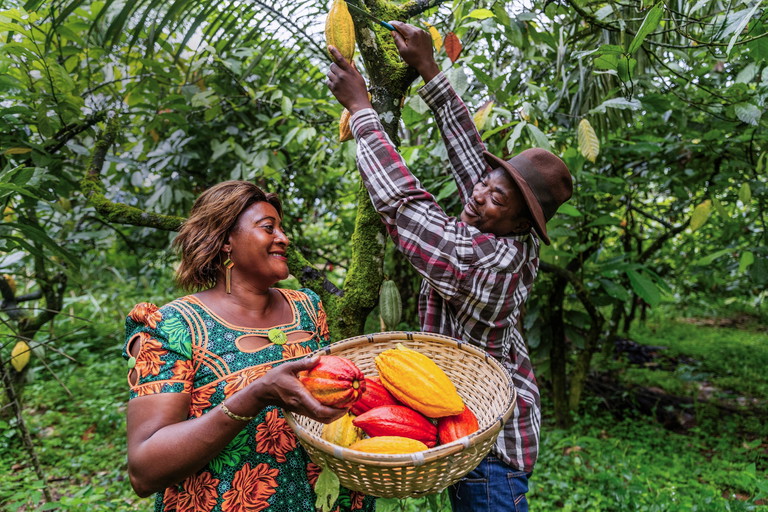
In the Cambondo coffee-growing region, he guides visitors through rows of freshly planted Robusta seedlings and young cacao trees. On a hill surrounded by jungle lie the ruins of a plantation house destroyed during the civil war. "You can still tell how wealthy the estate must have once been," says Barata as he walks past an overgrown basin where a fountain must once have gushed. He dreams of rebuilding it. Fazenda Monte Alegre is located about halfway between Luanda and the Kalandula Falls.

Maybe one day, tour buses full of tourists will stop in Cambondo. Well-traveled guests could, just as in the days of the coffee barons, marvel at the view of the jungle from the elegant terrace while sipping a cup of Robusta. “We are hopeful that calmer times lie ahead for Angola,” says Barata. Only time will tell whether his fazenda will be a success and whether Cambondo will establish itself not only as a well-known coffee and cocoa-growing region but also as a tourist destination. He remains optimistic. “We are an exceptionally rich country. I hope that Angola can regain its former significance”.

It will likely be some time before Angola develops into an established travel destination comparable to Tanzania, Namibia, or South Africa . However, the government is now making great efforts to promote tourism in the country. In the capital, Luanda, and several other cities, major international hotel chains such as “Hilton” and “Marriott” are now planning new openings. In the future, in addition to traditional infrastructure, nature and cultural tourism are to be promoted more strongly, areas in which the country remains largely undiscovered.

A KALEIDOSCOPE OF NATURE AND CULTURE

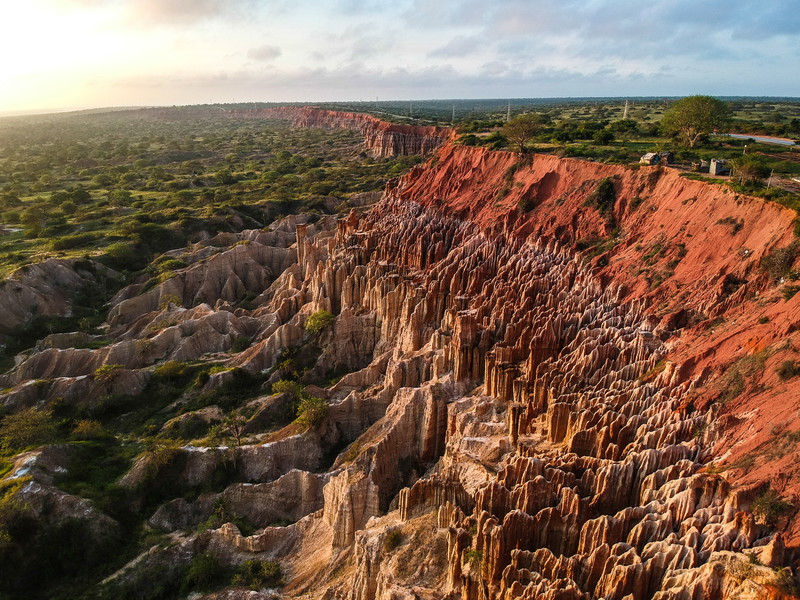
Internationally, too, interest in Angola's tourism potential is growing. This is due in no small part to the diversity of its landscapes. Angola is about three and a half times the size of Germany and has a far greater variety of landscapes than other African countries. From the jungles, forest savannas, and coffee and cocoa plantations in the north, through the mountain ranges in the center, to the arid regions in the south, you can find almost the entire kaleidoscope of African landscapes here in a single country.

Eric Lafforgue/Art In All Of Us/Corbis/Getty Images
© Eric Lafforgue/Art In All Of Us/Corbis/Getty Images
Eric Lafforgue/Art In All Of Us/Corbis/Getty Images

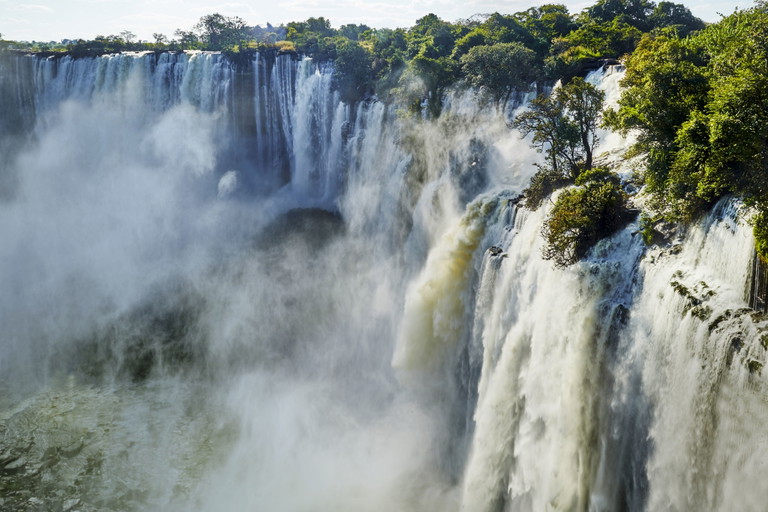
With the mighty Kalandula Falls, Angola also offers an alternative to the crowded Victoria Falls between Zambia and Zimbabwe. Standing here alone at the edge of the precipice, facing the roaring waters, one wonders in amazement how such a magnificent natural spectacle has managed to survive to this day without any souvenir vendors in crowded bus parking lots or selfie chaos on the observation deck.

Nature Highlights That Are Still Largely Undiscovered

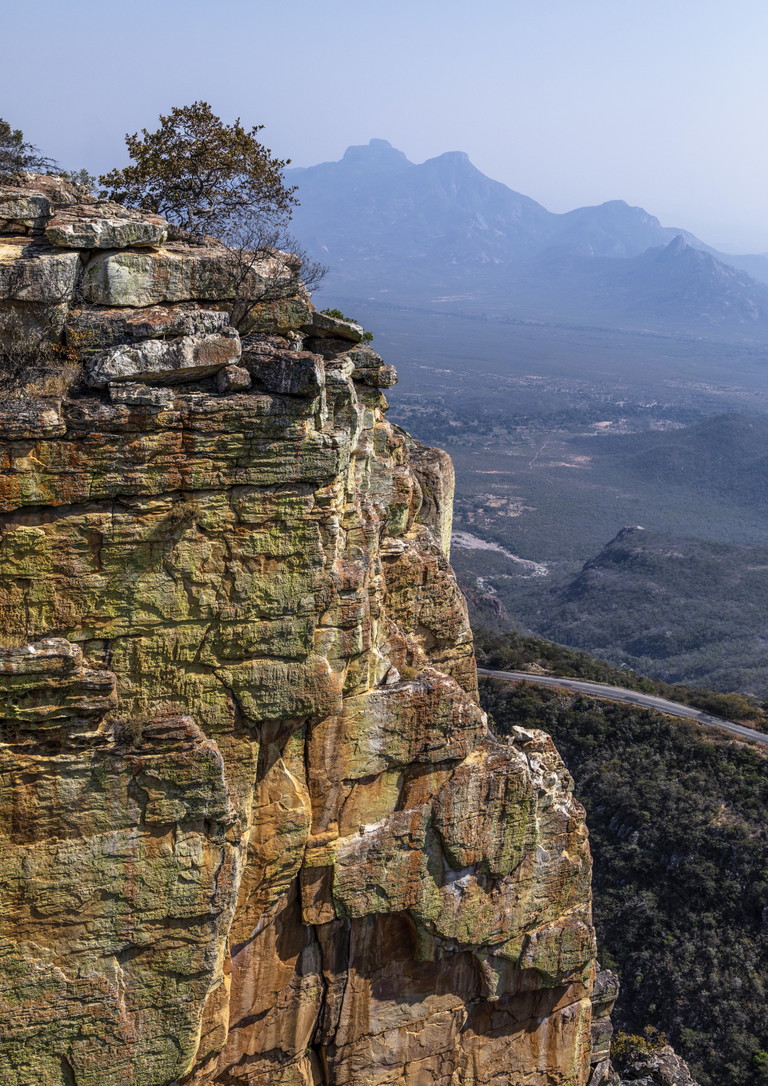
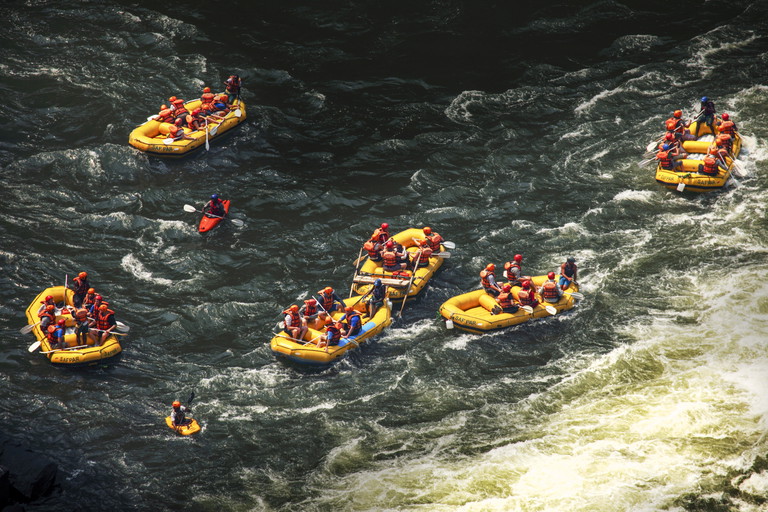
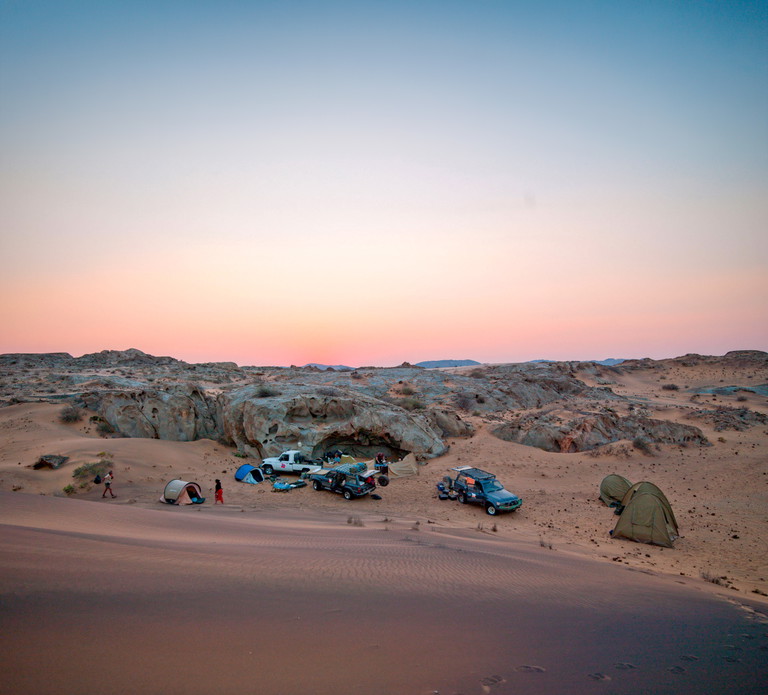
In the heart of Angola lie the breathtaking highlands, home to Morro do Moco, which rises to more than 2,600 meters. The mountain range is a paradise for hikers and outdoor enthusiasts and offers unique viewpoints. One of the most impressive is Tundavala, where visitors who aren't afraid of heights can look down from sheer cliffs into the depths of a canyon. One of the world's most spectacular mountain passes leads from the Namib Desert up into the Serra da Leba, past waterfalls that daring climbers like to use as a backdrop for their breakneck ascents. However, most tourists are already filled with awe just from the safe vantage point of the observation decks along the cliff's edge.

Rafting im
Stuart Forster/Huber Images
Rafting im

In Angola, hope for change is growing. For most Angolans, however, the burgeoning tourism industry has so far played only a minor role in their daily lives. The arduous process of reconstruction following decades of war continues to shape life in many places, far from the routes traveled by visitors.

BETWEEN PAIN AND A NEW BEGINNING

Angola is not a destination for safari beginners, and certainly not a country for first-time travelers who lack patience and curiosity about the unfamiliar. It has only been in the last few years that this civil war-torn country has slowly begun to open up to tourists. For anyone who has never traveled in Africa, a trip through Angola is likely to be full of surprises. Those who have already traveled the continent with enthusiasm may recognize Angola as the up-and-coming destination for globetrotters who love to set out as pioneers to explore destinations that are still unknown.

Eric Lafforgue/Alamy Stock Photo/Mauritius Images

Angola could become an even more popular travel destination in the future, and not just because of its spectacular natural beauty. It also attracts visitors with its enormous cultural diversity. Its vibrant music and dance traditions, above all, semba, kizomba, and kuduro, have earned this melting pot of African and Portuguese influences increasing popularity in Europe in recent years.

In the capital, Luanda, a bizarre mix of an African metropolis, a laid-back beach city, and a vibrant economic hub, the heart of Angola beats amid favelas, modern skyscrapers, shopping malls, and garbage dumps. The country is home to more than 100 different tribes and ethnic minorities. None of them are marketed to tourists the way the Maasai in Kenya and Tanzania or the Himba in Namibia are. However, a few local tour operators offer opportunities to meet with various tribes, especially in the southern part of the country. These kinds of customized tours aren't cheap.

A trip to Angola comes at a price

Angola is generally not a cheap country. For backpackers or budget travelers, the infrastructure is lacking, and for most people, a trip there is likely to remain difficult and time-consuming for the foreseeable future—especially without knowledge of Portuguese. After all, the language of the former colonial power is understood almost everywhere. However, hardly anyone speaks English. Caught between a painful past and the hope for a fresh start, Angola is beginning to reinvent itself. Those who venture into the countryside will not encounter a staged tourist destination, but rather a land in transition, with all its scars, its strength, and its raw, overwhelming beauty.


Travel Tips
Kalandula Falls

They are among the largest waterfalls in Africa and offer a majestic natural spectacle as they thunder down over 105 meters

Tundavala Cliffs

If you're looking for truly spine-tingling moments, stand here on the edge of the cliffs at over 2,000 meters, gaze 1,000 meters down into the depths, or look out for kilometers all the way to the horizon! Impressive…

Iona National Park
Angola's oldest national park spans over 15,000km² of wilderness waiting to be explored. Endless expanses, deserts, and dunes, as well as a rich variety of flora and fauna, define the experience.

Accommodations in Angola

Mumba Lodge
This stylish lodge in Huíla Province in southern Angola offers the perfect blend of seclusion, nature, and adventure. The 23 rooms, including one suite, offer relaxed comfort in a minimalist design inspired by rural charm and the spirit of Angola. Safaris along the mighty Cubango River, a movie under the stars, or horseback rides through the breathtaking landscape are just a few of the experiences guests can enjoy here. The restaurant serves authentic Angolan cuisine, while the spacious terrace, outdoor pool, fitness center, and spa offer relaxation with stunning views.

Casper Resort
This boutique hotel in Lubango, the capital of Huíla Province, stands out above all for its location near impressive natural attractions such as the Hunguéria Falls, the Tundavala Gorge, and the Serra da Leba mountain pass. The property features cozy rooms and apartments with a modern design, as well as a restaurant, a pool, a fitness center, and a spa. Highlights include the beautiful, two-hectare garden and the local artwork, which can be admired throughout the resort and in the art gallery.

Flamingo Lodge
The location along the coastal strip between the Namib Desert and the endless sea, not far from Iona National Park, is unique. Adventurers and active travelers in particular, those looking for experiences off the beaten path, will find plenty to enjoy here. Activities include fishing, surfing, and safari tours, as well as exciting, adrenaline-pumping excursions, such as trips to Ilha dos Tigres or Doodsakker. After a day full of action, food and drinks on the large veranda invite you to relax while enjoying a breathtaking view of the extraordinary landscape.

Thomson Art House
A trendy boutique hotel on Luanda's Ilha do Cabo peninsula, which is popular with city dwellers for beach trips and its nightlife. The beachfront hotel has only 16 rooms, including three suites, and true to its name, promises its guests a stay rich in art. Each of the light-filled rooms is individually designed, inspired by local artists and Angolan culture, and offers a view of the city or the sea. The Botanico Rooftop Bar, with its spacious lounge area, invites you to enjoy the magical view of the sea while sipping a drink.

Win Schumacher
Author
The Falstaff Travel Editors
Author
Find out more
1 / 12