’90s Vacations: Simpler Times or Travel Nightmares?
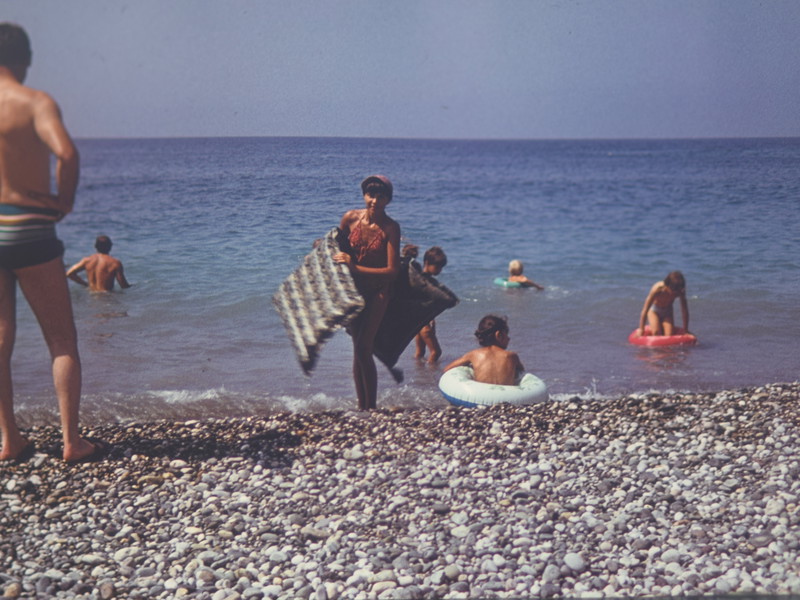
Traveling without Airbnb, smartphones or the euro: a new documentary by broadcaster "Arte“ revisits the vacations of the 1990s. Falstaff TRAVEL explores how dramatically travel has changed since then — and which once-routine rituals now feel surprisingly nostalgic.
Without smartphones, apps and digital helpers - instead with city maps, travel guides and a lot of improvisation; this is how vacations were organized in the 1990s. A nostalgic contribution from "Arte TV" shows whether this meant pure inconvenience or perhaps even more freedom back then. Falstaff TRAVEL looks back at the analog world of travel and explores how being on the road has changed since then.
AirBnB vs. travel guides
Instead of comparing hotels and vacation apartments on "Booking" and "Airbnb", people went to travel agencies for advice in 1990. There, people leafed through thick guides for inspiration. Instead of reviews and Google ratings, people relied on the recommendations of travel experts - and often made decisions based on gut feeling and tiny, barely informative photos.
Cashless payment vs. currency exchange
Nowadays, people usually pull out their smartphone or credit card when traveling, and rarely cash, to quickly pay for a snack or buy a train ticket. In the past, for example, travelers to Italy had to do a lot of mental arithmetic at the Brenner Pass: Does a panino cost 4,000 or 40,000 lire? Orientation was required - as was a quick trip to the Bureau de Change if you hadn't already exchanged money into the respective currency at home.
And some people still keep small mementos from the analog world of travel: coins from long-ago vacations, collected in jars or drawers - relics from a time of foreign currency and conversion lists.
Social media vs. tips from locals
We often ask ourselves how we managed without Google and social media? Which places did you visit - just the classic sights? And where did you go to eat, drink or dance? The answer is surprisingly timeless: then as now, the most valuable source of inspiration was the locals themselves. After all, a tip from the hotel, a recommendation from the café or a quick chat at the bar still often lead to the best local discoveries.
Selfies vs. film reel
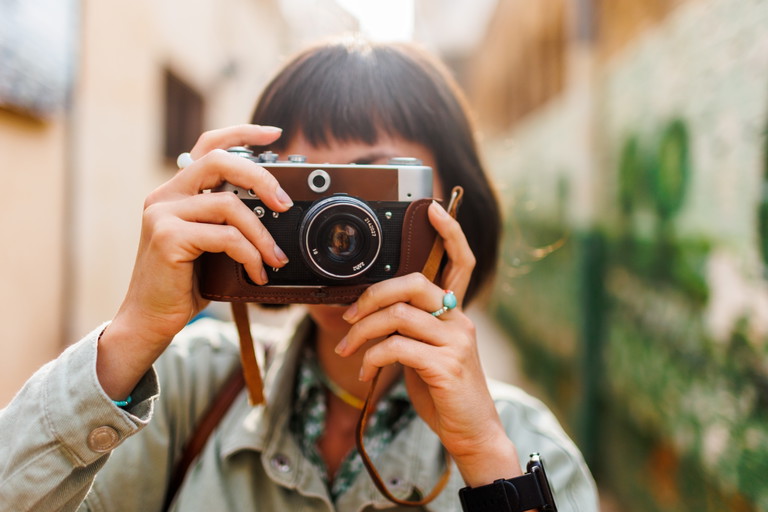
There are plenty of them these days: vacation pictures - selfies with or without company, of food or in front of sights. In 1990 however, people were still traveling with analog film cameras. There were usually only 24 to 36 shots available per roll, and the result was only seen after development - long after the return. With a bit of luck, there were enough successful and sharp motifs among them to stick carefully into the vacation album.
Google Maps vs. maps
Just google the quickest way to the Acropolis or the Pantheon - including opening times and admission prices; this is what traveling looks like today. Whether on foot or by car, orientation is available in seconds. In the past, navigating through foreign cities often meant reaching for large, hard-to-fold city plans and maps. If you couldn't find the right way straight away, you had to rely on patience, improvisation and the help of locals, often supported by a small, haptic dictionary for communication.
WhatsApp chat vs. phone booth and postcard
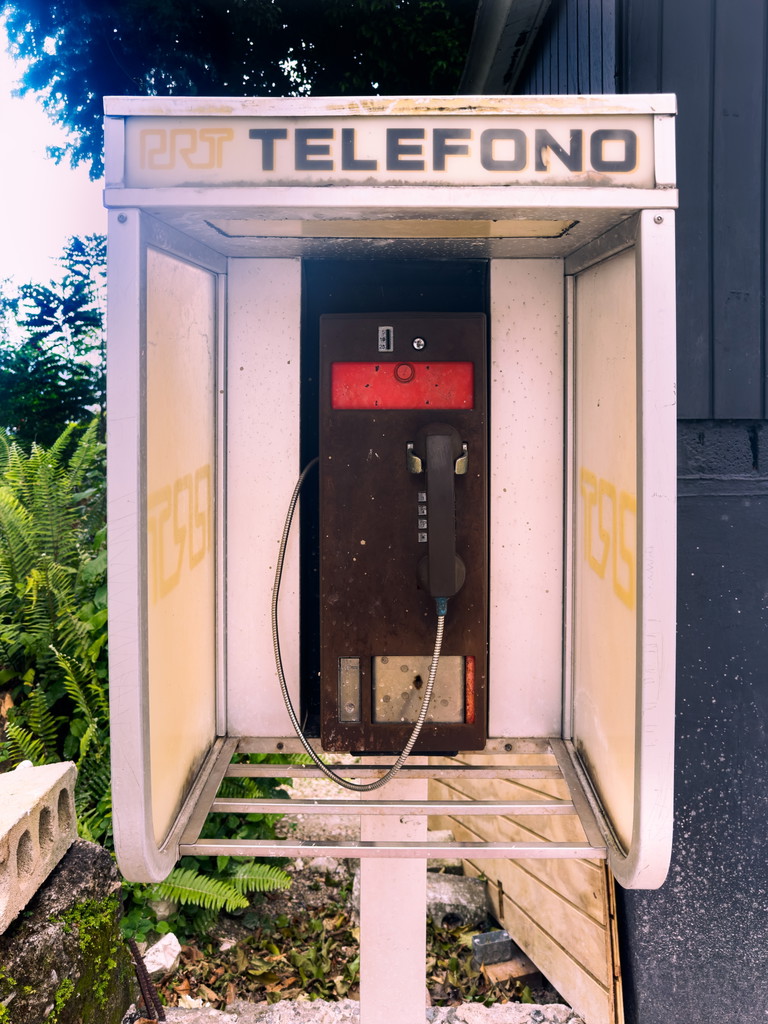
Nowadays, communication with home is mostly via family and friend chats: "I've arrived safely", "The weather is nice" or "The hotel is great" - often directly supplemented by suitable photos. In the past, however, a short vacation greeting meant much more effort. Those who wanted to get in touch quickly used coins and went to a public telephone box to call home using the landline and the correct area code. Those who were more relaxed wrote a postcard - which often ended up in the letterbox of those at home weeks later, often even after their own return.