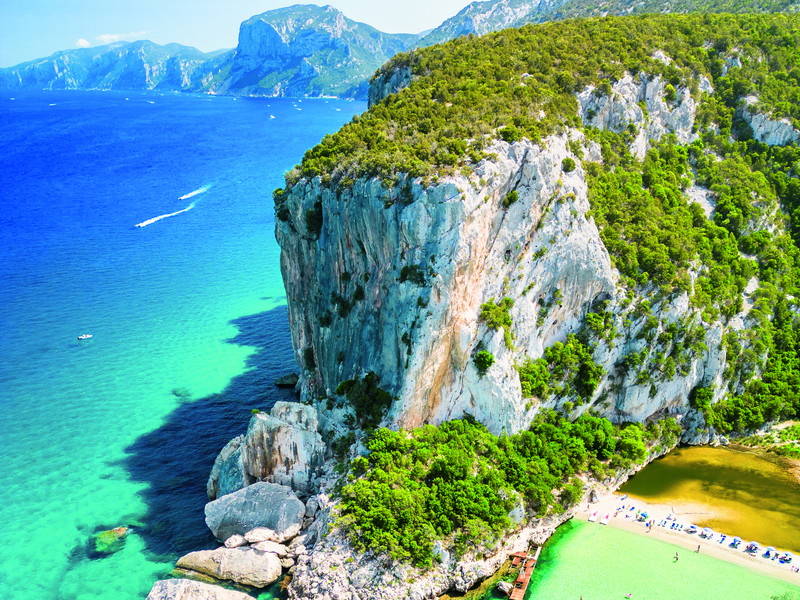
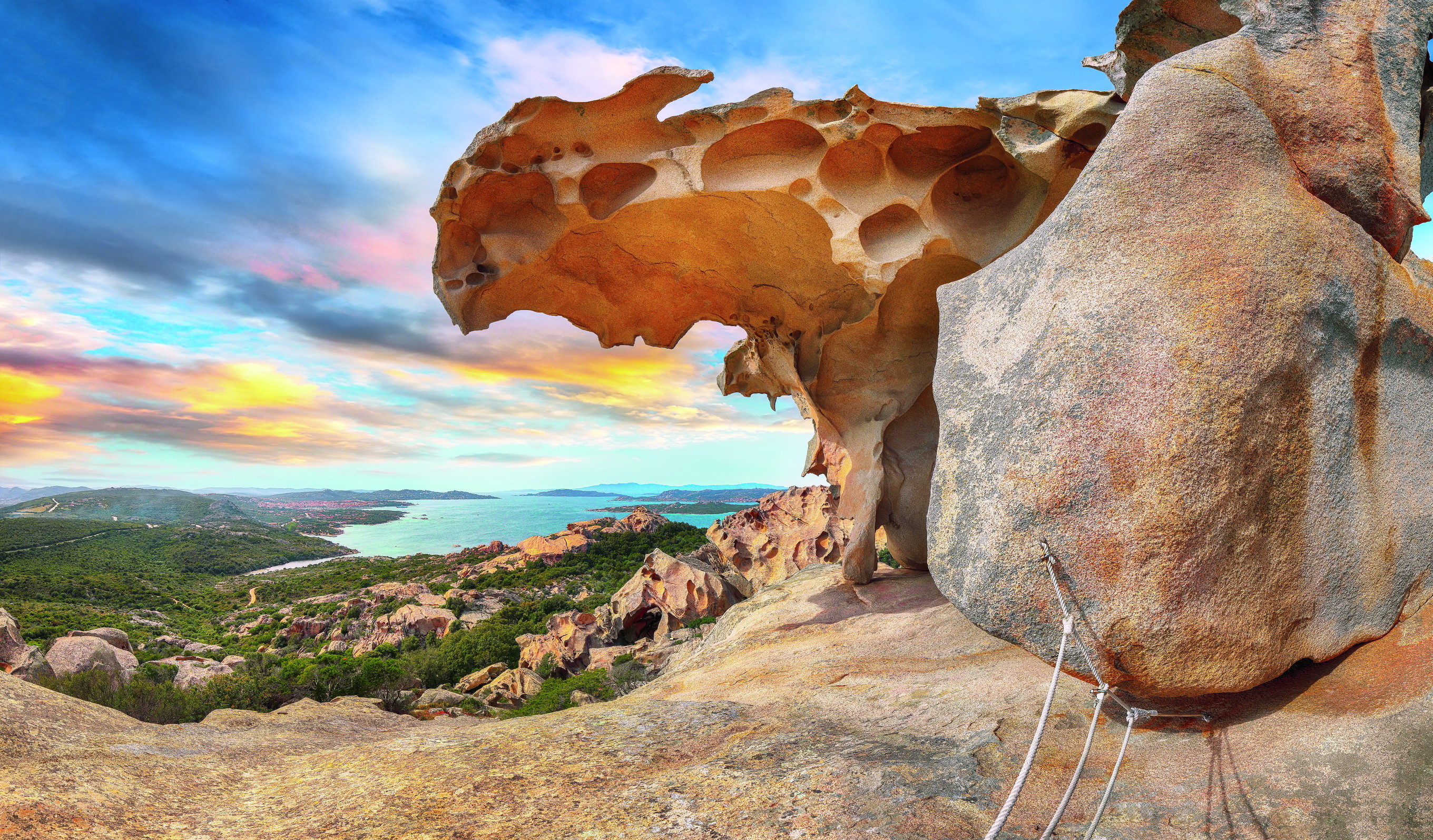
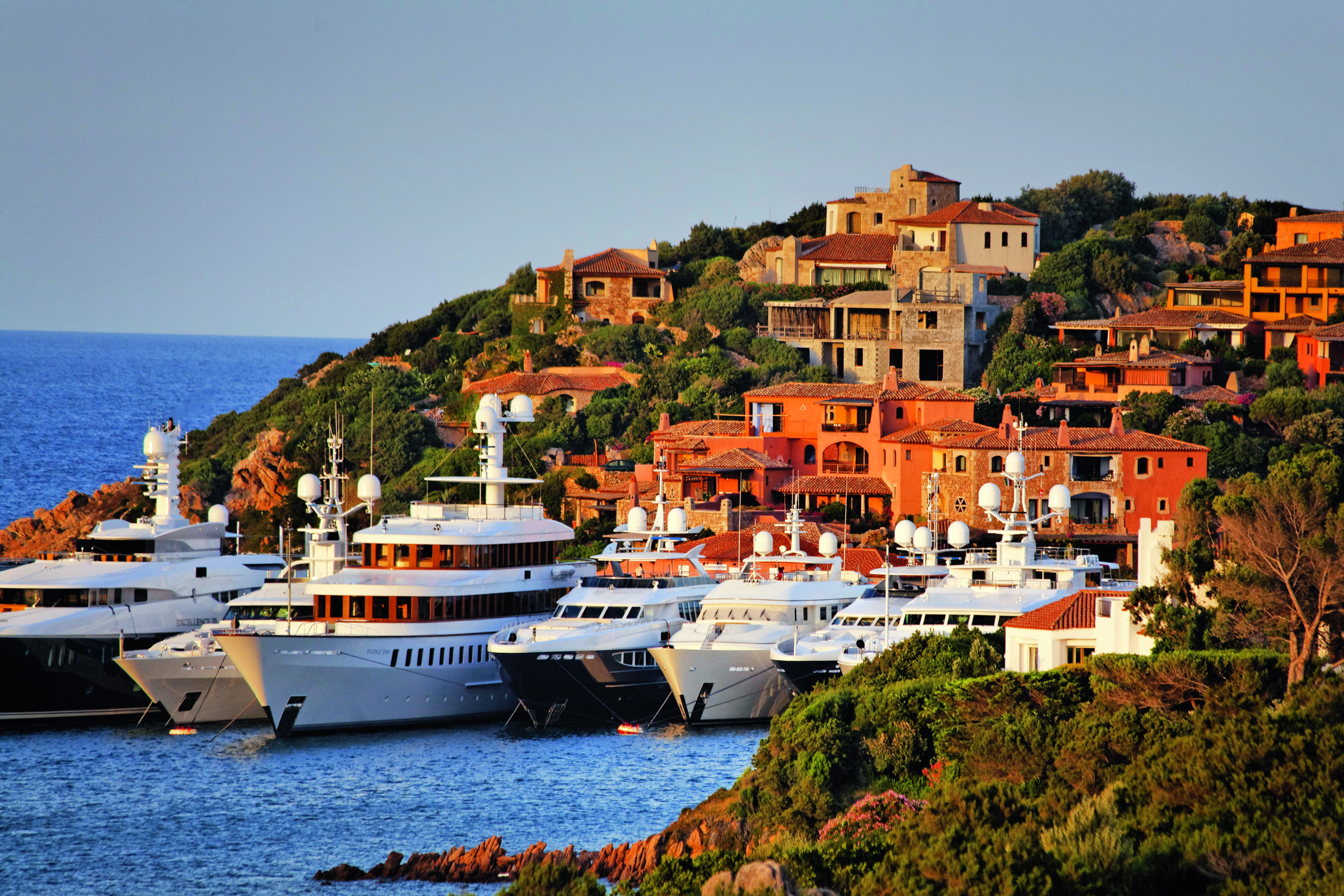
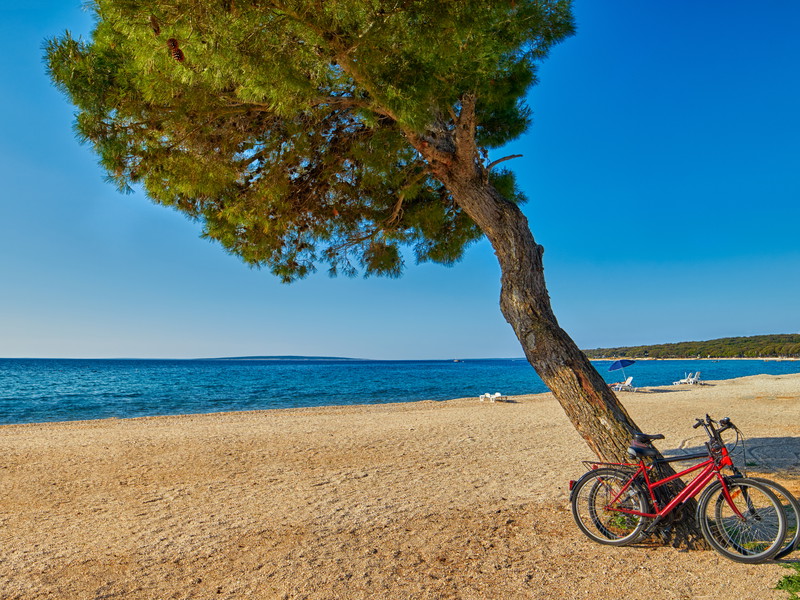
White pebbles, crystal-clear water in bright turquoise and all framed by a bay with rugged, steep rock formations; Cala Goloritzé on the east coast of Sardinia is one of many examples of how you don't have to fly hours away for a dream vacation by the sea! So it's no wonder that many people are drawn to these incredible paradise beaches on Italy's second largest island: La Pelosa, Is Arutas or the beaches on the famous Costa Smeralda. There are said to be hundreds of them. The fact that Sardinia also has over 300 days of sunshine a year certainly doesn't hurt.
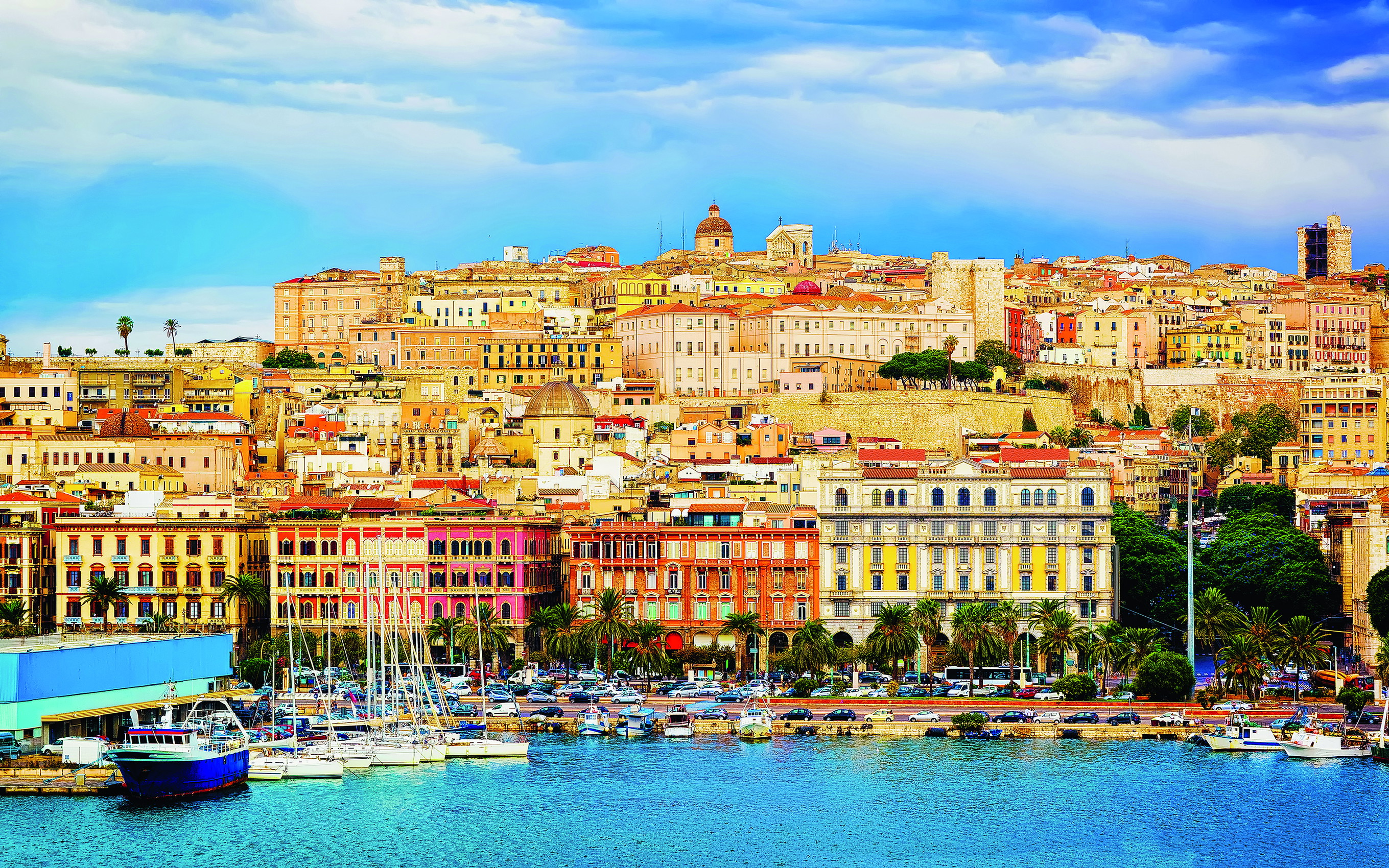
And yet it wouldn't do the island justice to simply spend a week or two on a beach lounger or doing water sports. After all, Sardinia has much, much more to offer. Cultural treasures, for example. And a rich history, whether you are exploring the historic districts of the capital Cagliari or following in the footsteps of the Nuragic culture with its prehistoric stone towers. With a bit of luck, you can also experience a cultural specialty of Sardinia: Canto a Tenore, the traditional four-part singing form, which is one of the oldest in Europe.
Nature and outdoor fans, on the other hand, are drawn to the interior of the island. There you will not only find the most original villages, but also hike through the mountains, to caves and grottos, through forests and maquis, the scrubland that smells of Mediterranean herbs. The Supramonte limestone mountain range is also home to the breathtaking Gola Gorropu gorge, one of the deepest in Europe.