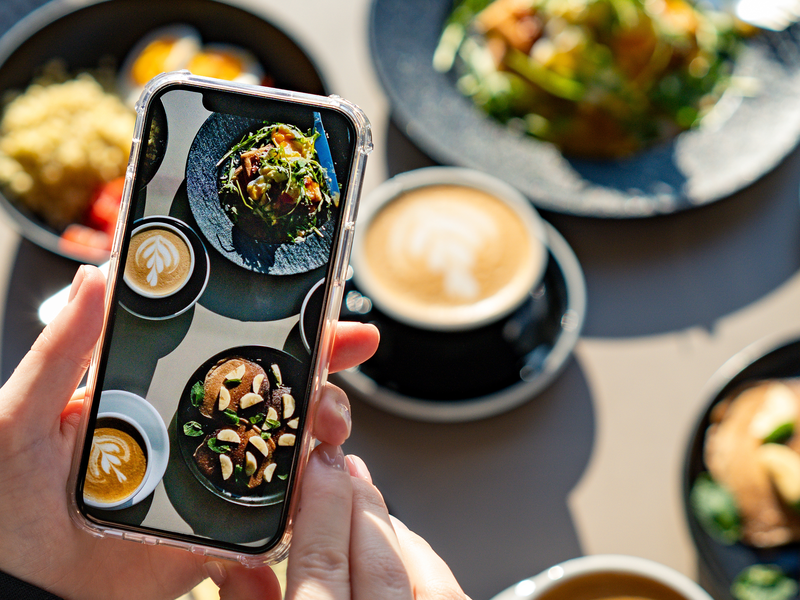
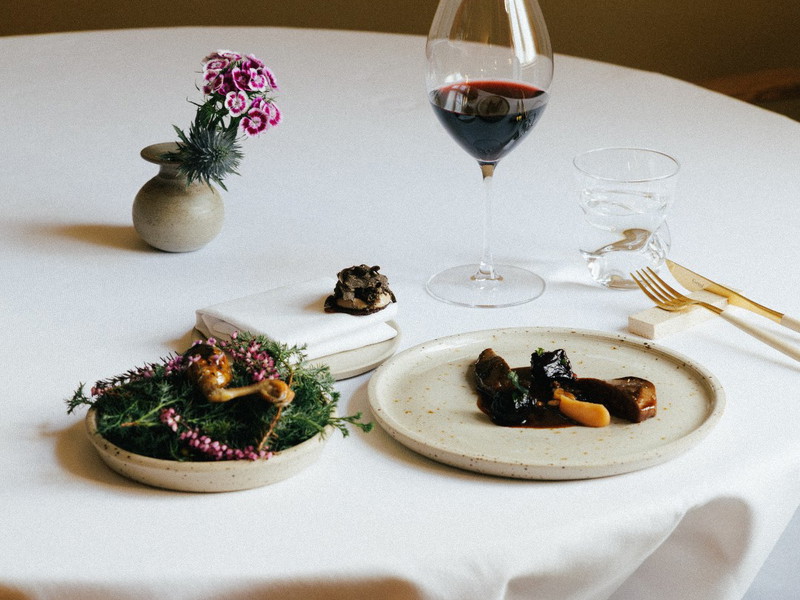
Similar effects have long been visible in gastronomy. Today, chefs often design dishes with a camera in mind. This doesn’t mean taste is secondary, but the visual impact has become just as important: Food must perform visually. Guests no longer come just to eat; they come to document and share. The images they post become social calling cards. Social media doesn’t dictate taste—it shapes how it’s experienced and communicated.
The Sensory Power of Social Media
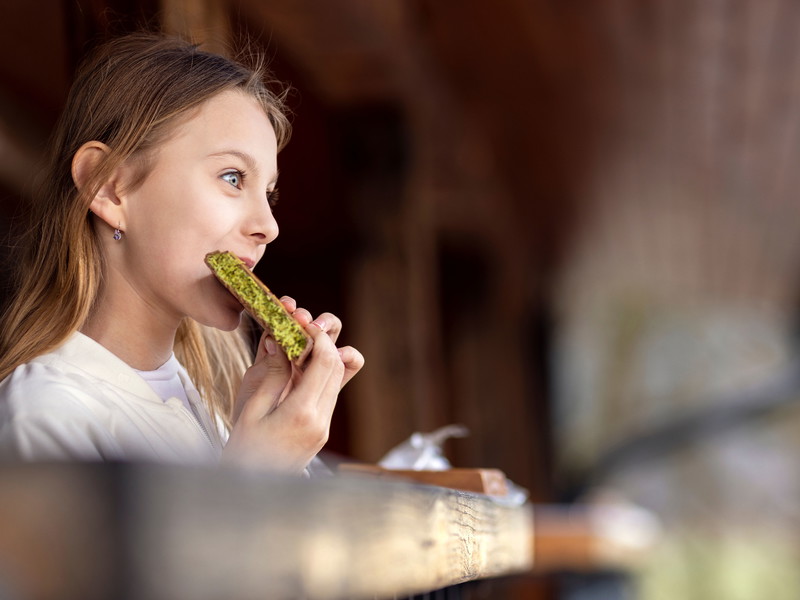
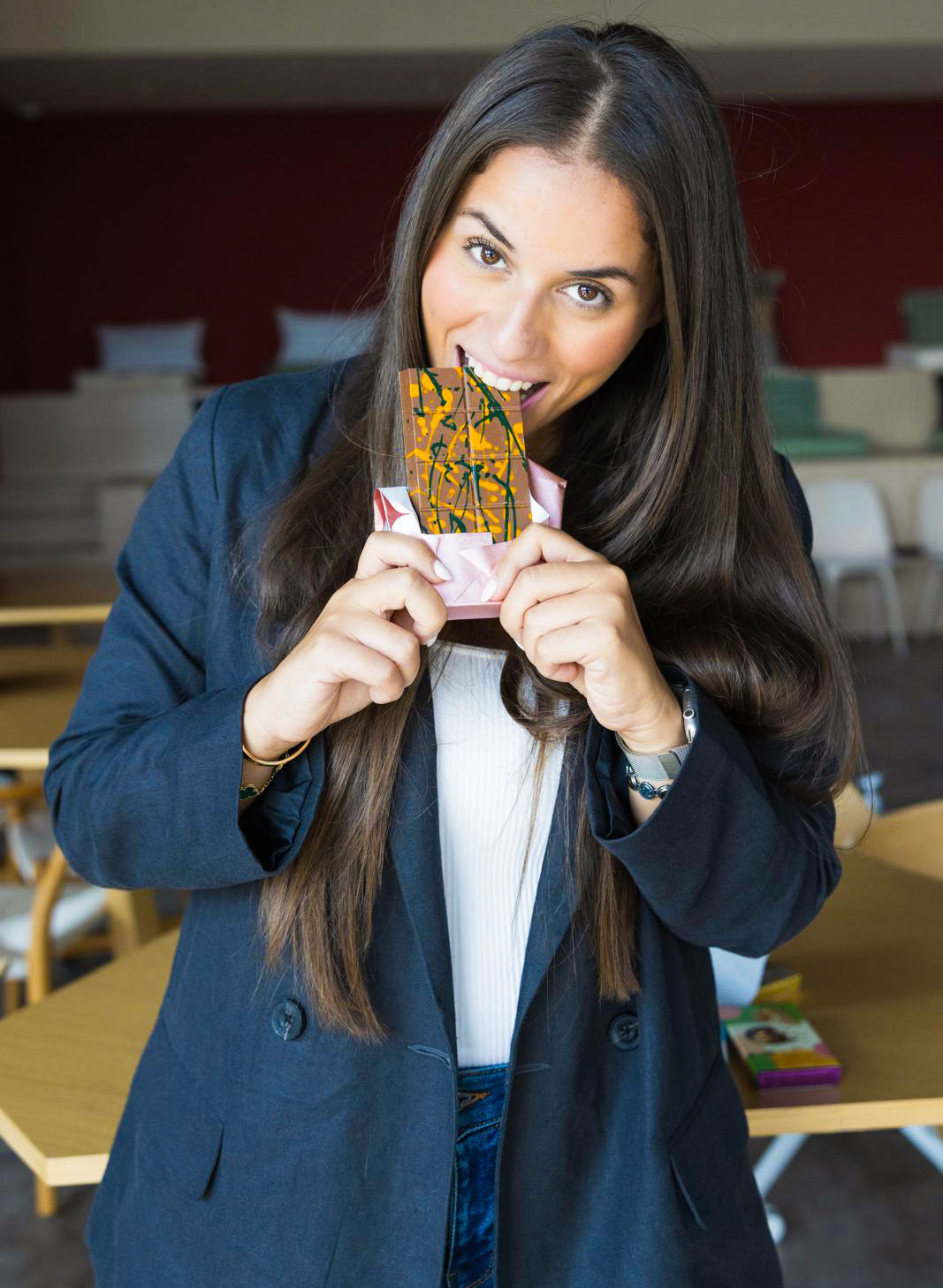
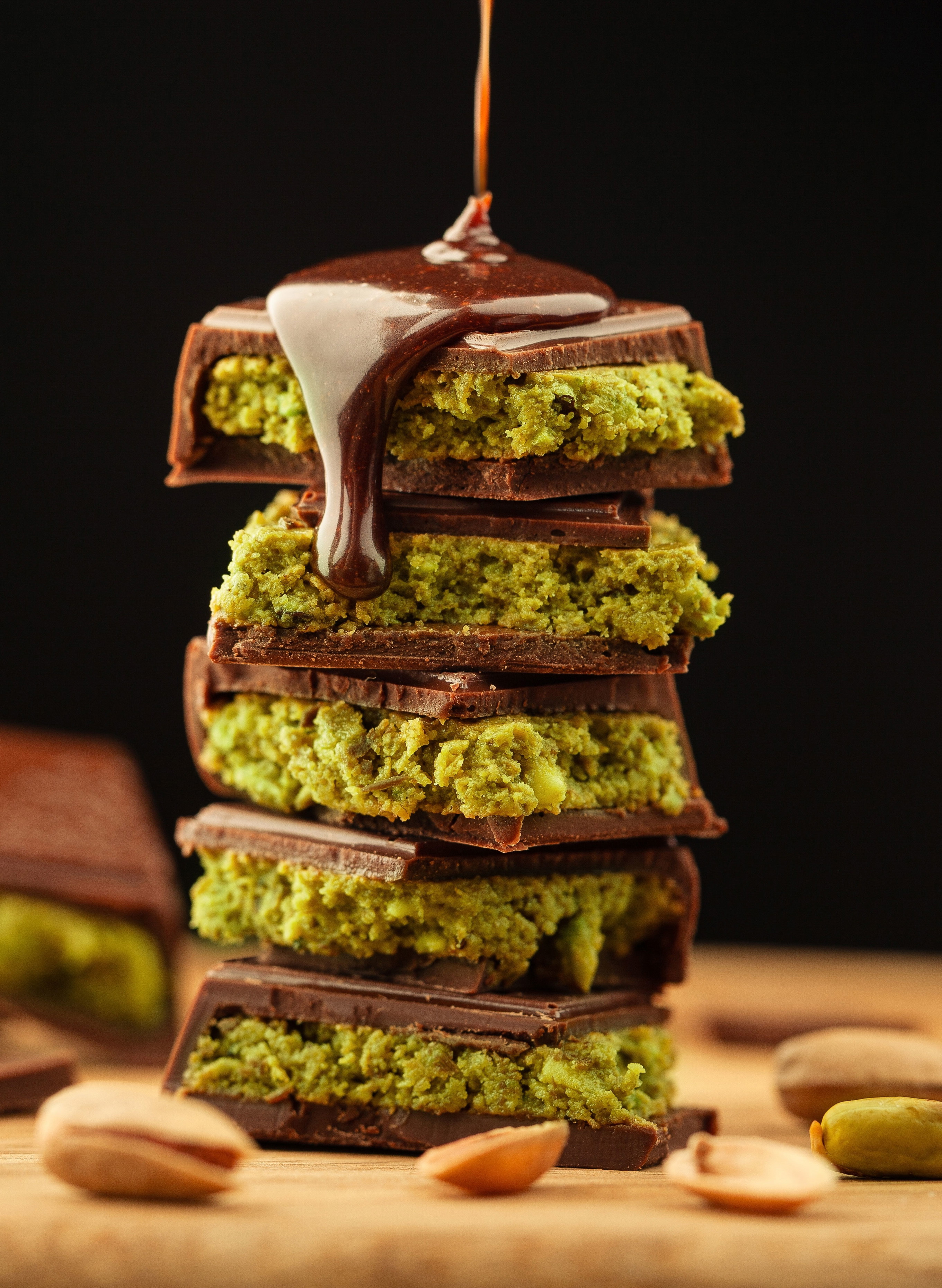
In the case of Dubai chocolate—as with other viral food trends—there’s another amplifier beyond FOMO: ASMR (Autonomous Sensory Meridian Response). This is the pleasant tingling or sense of well-being triggered by certain visual and acoustic stimuli. The audible crack when the chocolate breaks, the snap of the kadayif threads, and the ooze of pistachio filling all appeal to this sensory level.
Cédric Grolet, world-famous as head patissier at Paris’ Hôtel Le Meurice for his hyper-realistic fruit desserts, employs a similar principle. His creations look like real fruit and only reveal their insides when sliced—a perfect moment for social media. Queues often form at his boutiques, with wait times exceeding an hour. But the effort is worth it: Like Dubai chocolate, Grolet’s desserts deliver an extraordinary sensory experience. He has helped elevate desserts visually, not just in haute cuisine, but across the culinary world.
From Dubai to the World
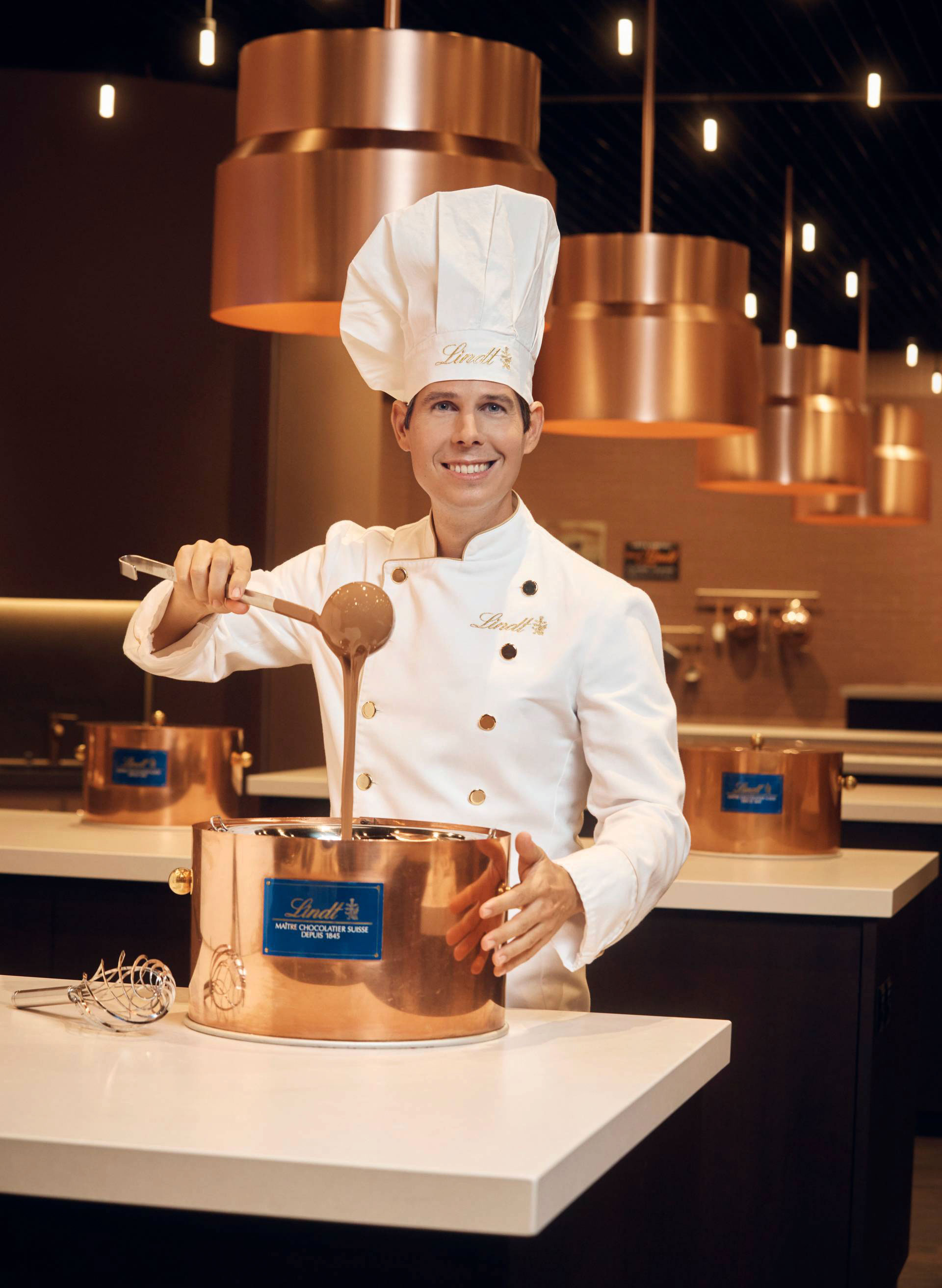
The success of Dubai chocolate didn’t go unnoticed. Manufacturers worldwide began creating their own versions, with Swiss chocolate giant Lindt & Sprüngli among the first. Stefan Bruderer, Lindt Maître Chocolatier, recalls: "I found out about the hype from my daughter, who had been following it all on TikTok. When I tried the original from Dubai, I was really impressed. The texture, the sensory interplay, a fantastic recipe."
Typically, Lindt takes twelve to eighteen months to develop a new product. With Lindt Dubai Style Chocolade, the process had to be much faster. Social media replaced tasting with social proof: Millions of likes signaled desirability long before anyone took a bite.
"For me, it was a game-changer in how we work," says Bruderer. Initially, eight people produced the bars manually, tempering chocolate and measuring fillings. It took several weeks before industrial production began—a record for the company. The launch was a phenomenal success, driving record sales in 2025. From discounters to artisanal shops, everyone released their own versions. Restaurants integrated Dubai chocolate into desserts, cafés created pistachio croissants, and global demand for pistachios surged, sparking a shortage that same year.
When Trends Shape Taste
But what does this hype mean for our long-term taste? Bruderer doubts it will fundamentally change chocolate preferences: "Milk chocolate with hazelnuts will always be my favorite. It doesn’t get more classic than that." Yet he acknowledges an important shift: "The hype encourages people to explore and try new flavors." Research confirms this observation: Social media shapes taste by linking food to social recognition. Eating and sharing the “right” product signals belonging, which helps explain why pistachio was declared flavor of the year in 2025, propelled by Dubai chocolate.
For product development, this represents a paradigm shift. Lindt & Sprüngli now maintains a trend-monitoring department. "We won’t chase every TikTok trend," says Bruderer. "But if a product is sensory-rich and just needs Lindt chocolate to complete it, we explore it." After Dubai-style chocolate, the company developed a Tokyo-style chocolate with matcha and strawberry. "The trick is combining something familiar, like strawberry, with something new, like matcha."
Ultimately, the Dubai chocolate phenomenon demonstrates one key truth: Taste is no longer created solely on the palate. It emerges from the interplay of perception, expectation, and social resonance. Social media accelerates this process, making flavor experiences more visible—and more powerful—than ever before.