The internet is buzzing: cocktail-mixing reels, quick and easy recipes, “last meal” videos enacted by actors, and endless new variations of the wildly popular Dubai-style chocolate. But amid this nonstop carousel of trends, one hype is currently outshining all of them: homemade doner kebab, social media's present undisputed darling.
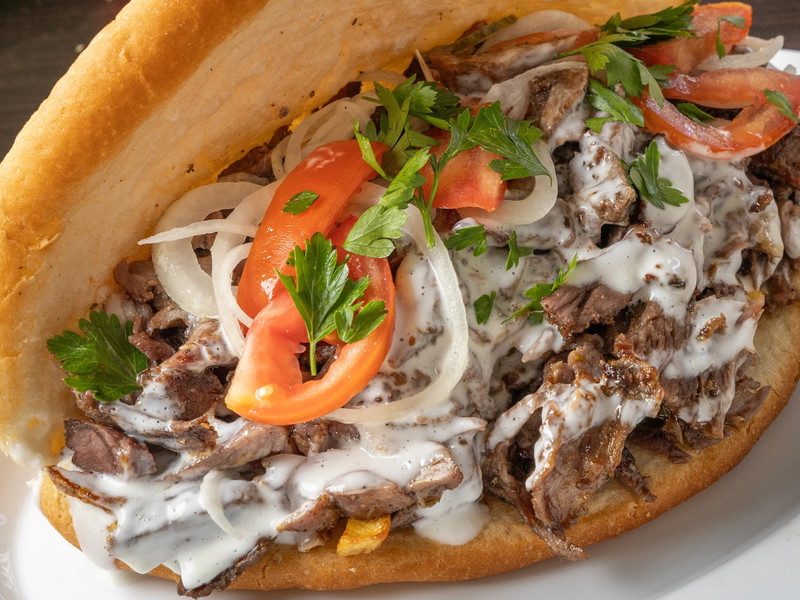
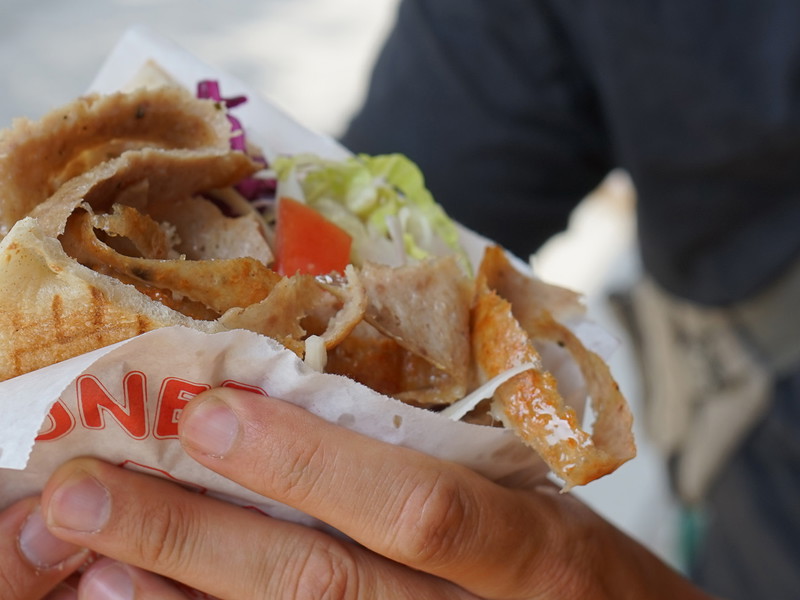
The beloved Middle Eastern street-food classic has everything crowds adore—crispy, aromatic meat; fresh vegetables; a tangy yogurt sauce; and warm, toasted bread to hold it all together. For some, the doner kebab has long bordered on a culinary art form. But is it possible to recreate the snack-bar classic at home—and, more importantly, is it worth a try? The Falstaff editorial team set out to find the answer to this question and put the trend to the test.
A Delicate Process That Requires Finesse
What looks simple in viral videos actually calls for some finesse. The basic formula: about 500 grams of fresh ground meat, a finely chopped onion, a spoonful of yogurt, one to two tablespoons of breadcrumbs, and a seasoning mix of salt, garlic powder, black pepper, chili, and paprika powder. The most essential ingredient in order to recreate the unmistakable doner kebab aroma? Cumin. A quick tip: Breadcrumbs are crucial for binding the mixture and making it easy to shape.
Once everything is thoroughly mixed and—thanks to the breadcrumbs—pleasantly malleable, the mixture is spread onto a sheet of baking paper. This part requires a steady hand: The meat mixture should be rolled out as thinly and evenly as possible. To prevent sticking and to make rolling easer, it's recommended to put a second sheet of baking paper on top. In the end, the mixture should be thin enough to avoid the risk of undercooking, yet thick enough, so it can be rolled easily afterward, just like one would when rolling up a Swiss roll.
While most online clips do not mention this step, preheating the oven is recommended. In our test, we preheated the oven to about 90°C for 10 minutes, then placed the roll on a baking tray and left it in the oven at a temperature of around 200°C for 20 to 25 minutes.
One kebab, please
Once you unroll the meat roll, a surprising effect awaits you: The surface peels away in irregular pieces—in some places in small ones, in others in larger ones—evoking the look of freshly shaved doner kebab meat. Thinner here, thicker there, but unmistakably reminiscent of the real thing.
The verdict? Yes, it's possible to make your own version of this classic at home. But keep a few practicalities in mind: You’ll need ample workspace to thoroughly mix and roll out the meat, and a bit of patience and finesse to ensure the roll keeps its shape in the oven. If you follow these instructions, you’ll be rewarded with a surprisingly authentic DIY doner kebab—one that’s tastes just as good in warm flatbread as served over rice or couscous.