When dish names become a linguistic challenge, travellers are less likely to order them. A recent survey by the travel app "Omnio" reveals which international specialities are most often avoided for exactly this reason. Falstaff TRAVEL introduces dishes whose names are real tongue twisters for many – and which, as a result, rarely make it onto the plate.
Travel opens up new perspectives, including culinary ones. But sometimes the reason we don't try unfamiliar foods isn't because of the taste, but simply because of their names. According to the latest survey by “Omio,” 33 percent of respondents have deliberately avoided ordering a dish at least once because they didn’t know how to pronounce its name correctly.
Embarrassment Over Mispronunciation
Vacationers are often plagued by what is known as “pronunciation anxiety”; the fear of mispronouncing words. In situations like these, rather than culinary curiosity, it is the fear of embarrassing oneself or drawing unwanted attention that takes hold. As a result, some internationally renowned specialties are ordered less frequently than their popularity might suggest.
Top 5 Culinary Tongue Twisters
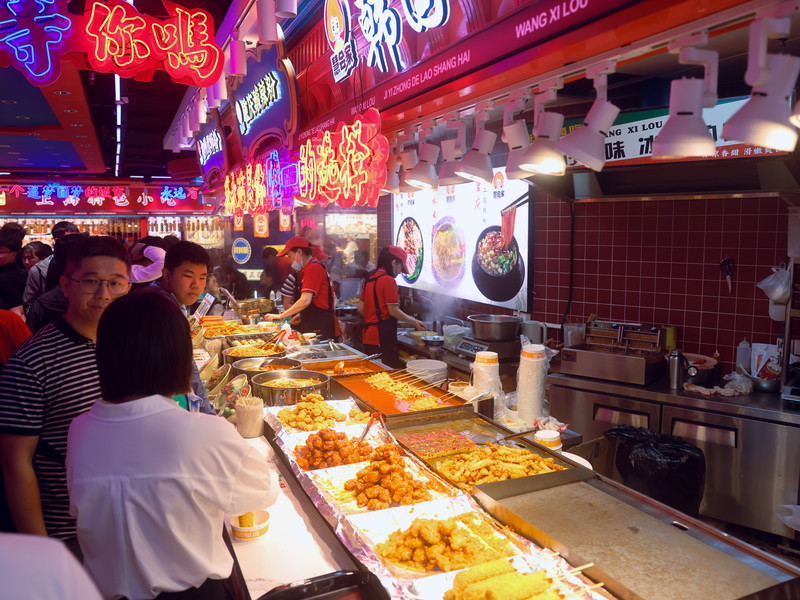
Dishes from Asian-speaking regions are particularly likely to cause difficulties. Xiaolongbao tops the survey: 47 percent of respondents rated the name of these Chinese dumplings as difficult to pronounce. These dumplings, filled with meat and hot broth, are considered a classic, especially in Shanghai, and have long since gained fans around the world. By the way, the word is harder to read than it is to pronounce. They say,“Schau-long-bau.”
Tteokbokki comes in second place with 43 percent. These savory rice cakes are among South Korea's most famous street foods and are becoming increasingly popular outside of Asia as well. For many, however, they remain a linguistic challenge. The correct pronunciation is “Ttok-bo-kki.”
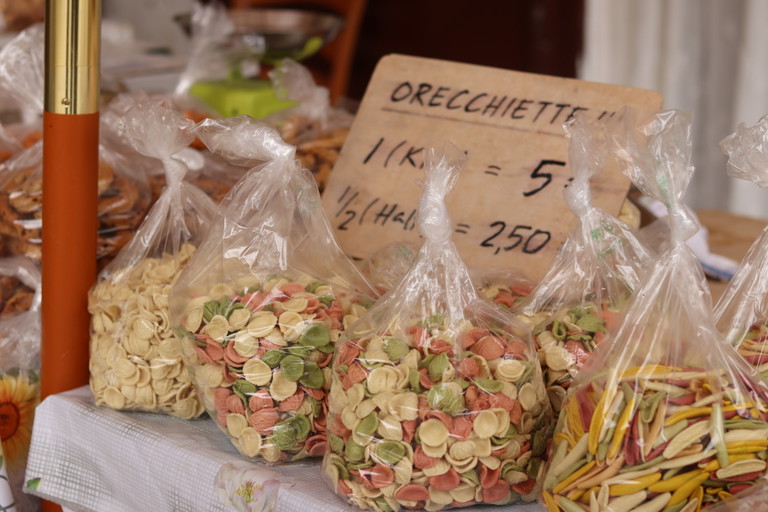
Orecchiette trail far behind at 21 percent. This distinctive pasta from Apulia is one of the classics of Italian cuisine, yet its name confuses about one in five people. Here's a pronunciation guide: "O-rek-kjet-te."
French specialties also seem to command respect. For example, 18 percent of those surveyed say that “mille-feuille” ( pronounced “mil-foy”), the traditional puff pastry dessert filled with cream, is difficult to pronounce. Also making the top five is the Provençal fish soup bouillabaisse (“Bu-ja-bess”), whose name poses a linguistic hurdle for 14 percent of people.