Pure Chemistry? Why Tears Suddenly Start Flowing on a Plane
At an altitude of 10,000 meters, it seems there are unique rules: movies have a greater emotional impact, food tastes different, and even familiar sensory experiences change. Researchers are investigating what lies behind the surprising effects of flight.
If you've ever cried while watching a movie on a plane, even though the plot didn't really give you much reason to, you're by no means alone. The phenomenon is so widespread that it now even has its own name: the “Mile Cry Club.” This refers to passengers who react much more emotionally when they're up in the air than when they're on the ground.
The debate was originally sparked by model and cookbook author Chrissy Teigen. On social media, she asked her followers if they, too, tended to cry more often when watching movies on airplanes. The response was clear: From romantic comedies to superhero movies, and even informative but rather dull safety videos, many travelers feel more emotionally sensitive when flying and have reported unexpected emotional outbursts while in the air. Welcome to the “Mile Cry Club”? The Alaska-based media outlet Anchorage Daily News investigated the phenomenon.
When the Body and Mind React
Although the phenomenon has not yet been comprehensively studied from a scientific perspective, psychologists see several possible causes. For many people, air travel means a loss of control. Added to this are time constraints, security checks, unfamiliar surroundings, and for some travelers, a latent fear of flying.
At the same time, the flight environment itself affects the body. The air in the cabin is dry, the oxygen level is lower than at sea level, and freedom of movement is restricted. Fatigue, mild dehydration, and the stress of long days of travel can further reduce emotional resilience.
The result is that emotions are perceived more intensely. Scenes that might only elicit a smile while sitting on the couch at home can suddenly bring tears to your eyes high above the clouds.
Why tomato juice tastes better above the clouds
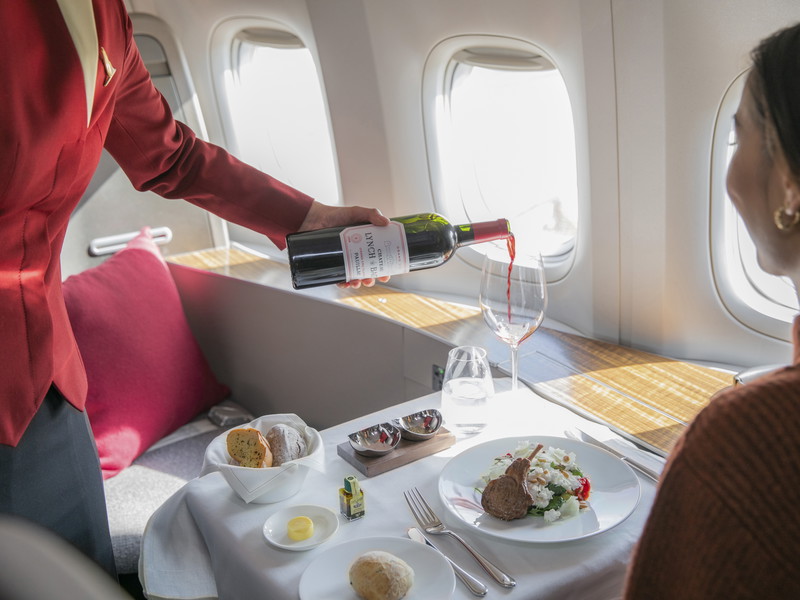
It's not just emotions that are running wild. Taste and smell also change significantly during a flight. Studies show that the lower cabin air pressure reduces the perception of sweet and salty flavors. Salt is perceived as up to 30 percent less intense, and sweet flavors also lose some of their intensity.
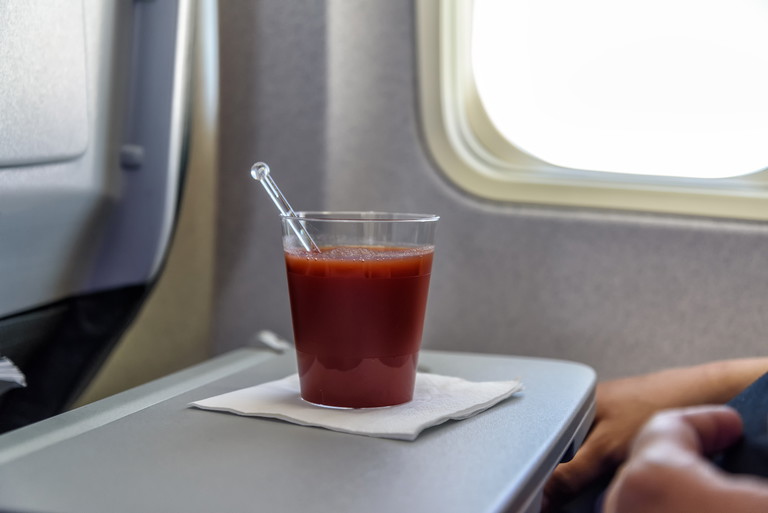
In return, so-called umami flavors become more intense. This explains a well-known phenomenon at many airlines; tomato juice has been one of the most popular drinks on board for years, even though it is ordered much less frequently on the ground. The combination of lower cabin pressure, dry cabin air, and constant aircraft noise alters the perception of taste.
The sense of smell changes at high altitudes
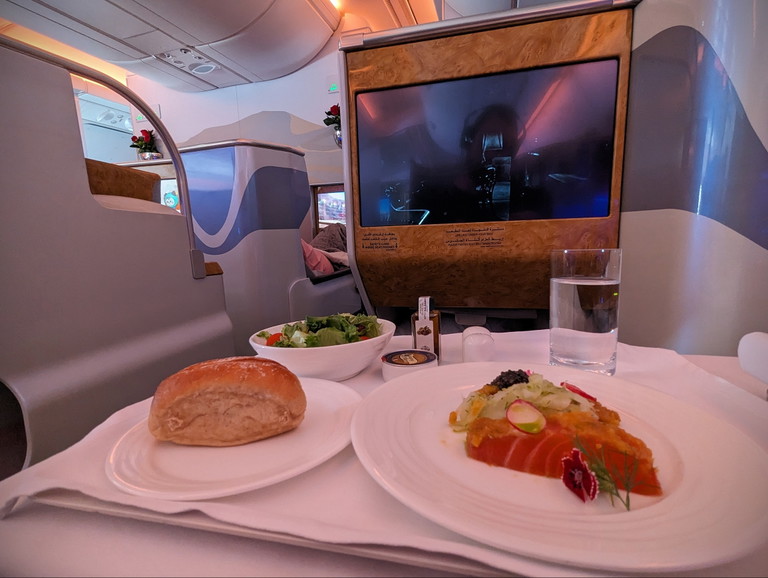
The sense of smell also suffers under the conditions on board. The dry air causes the nasal mucous membranes to dry out, making it harder to detect scents. As a result, food often seems less flavorful than usual. Airlines are now responding to these findings. Some are increasingly turning to spicy ingredients and umami-rich dishes. Even special tea blends and spirits developed specifically for high altitudes have already been tested to compensate for passengers’ altered sense of taste.
The body adapts
Despite all the minor inconveniences, medical professionals say there is no cause for concern. For the vast majority of travelers, flying is not a particular burden. The human body has remarkable adaptive mechanisms and usually adjusts to changing conditions without any problems.