Holidays in the 1990s – A Nightmare or Actually Better?
Travelling without Airbnb, smartphones and digital maps, while exchanging currencies across Europe: TV channel Arte takes a look back at holidays in the 1990s. Falstaff TRAVEL explores how travel has changed since then – and which details now seem almost amusingly outdated.
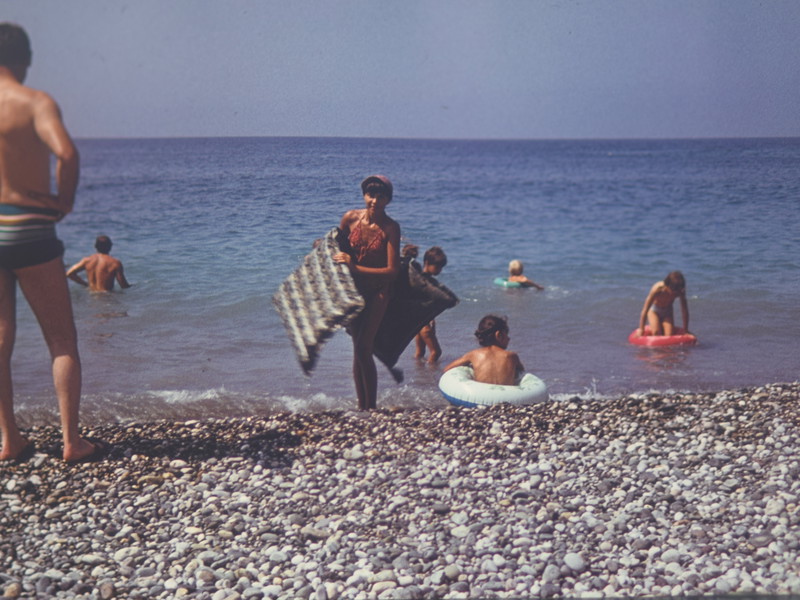
No smartphones, apps or digital assistants – instead, travellers relied on city maps, printed travel catalogues and a fair amount of improvisation. That was what holidays looked like in the 1990s. Whether this meant pure inconvenience or perhaps even greater freedom is the question explored in a nostalgic feature by Arte TV. Falstaff TRAVEL takes a look back at the analogue world of travel and examines how the experience of being on the road has changed since then.
Airbnb vs. Travel Catalogues
Instead of comparing hotels and holiday rentals on Booking.com or Airbnb, travellers in 1990 turned to travel agencies for advice. There, they would browse through thick catalogues in search of inspiration. Rather than relying on reviews and Google ratings, people trusted the recommendations of travel experts and often made decisions based on instinct and a handful of tiny, not particularly revealing photographs.
Cashless Payments vs. Currency Exchange
Today, travellers usually reach for a smartphone or credit card rather than cash when paying for a quick snack or purchasing a train ticket abroad. In the past, however, a trip to Italy often meant serious mental arithmetic as soon as travellers crossed the Brenner Pass: Did that panino cost 4,000 or 40,000 lire?
Keeping track of exchange rates was essential, as was a visit to a currency exchange office if money had not already been converted before departure.
Many people still keep small souvenirs from this analogue era of travel: coins from long-forgotten holidays, stored in jars or drawers – relics from a time of foreign currencies and conversion tables.
Social Media vs. Recommendations from Locals
It is a common question: How did people manage without Google and social media? Which places did they visit – only the classic tourist attractions? And where did they go to eat, drink or dance?
The answer is surprisingly timeless. Then as now, the most valuable source of inspiration came from local people themselves. Even today, the best discoveries often begin with a recommendation from a hotel receptionist, a tip from a café owner or a brief conversation at a neighbourhood bar.
Selfies vs. Film Rolls
Today, holiday photos are virtually unlimited: selfies with friends and family, snapshots of meals and countless pictures in front of famous landmarks. In 1990, however, travellers still relied on analogue cameras and rolls of film.
Most film rolls offered only 24 to 36 exposures, and the results remained a mystery until the film was developed long after returning home. With a little luck, enough sharp and successful images emerged to be carefully arranged in a holiday photo album.
Google Maps vs. Paper Maps
Finding the quickest route to the Acropolis or the Pantheon today is as simple as opening Google Maps, complete with opening hours and ticket prices. Whether travelling on foot or by car, directions are available within seconds.
In the past, navigating unfamiliar cities often meant unfolding large and cumbersome street maps. Those who failed to find the right route immediately had to rely on patience, improvisation and the help of locals – often aided by a small pocket dictionary for communication.
WhatsApp Chats vs. Phone Booths and Postcards
Today, communication with family and friends back home usually takes place in group chats: “I’ve arrived safely,” “The weather is great,” or “The hotel is fantastic,” often accompanied by photos taken moments before.
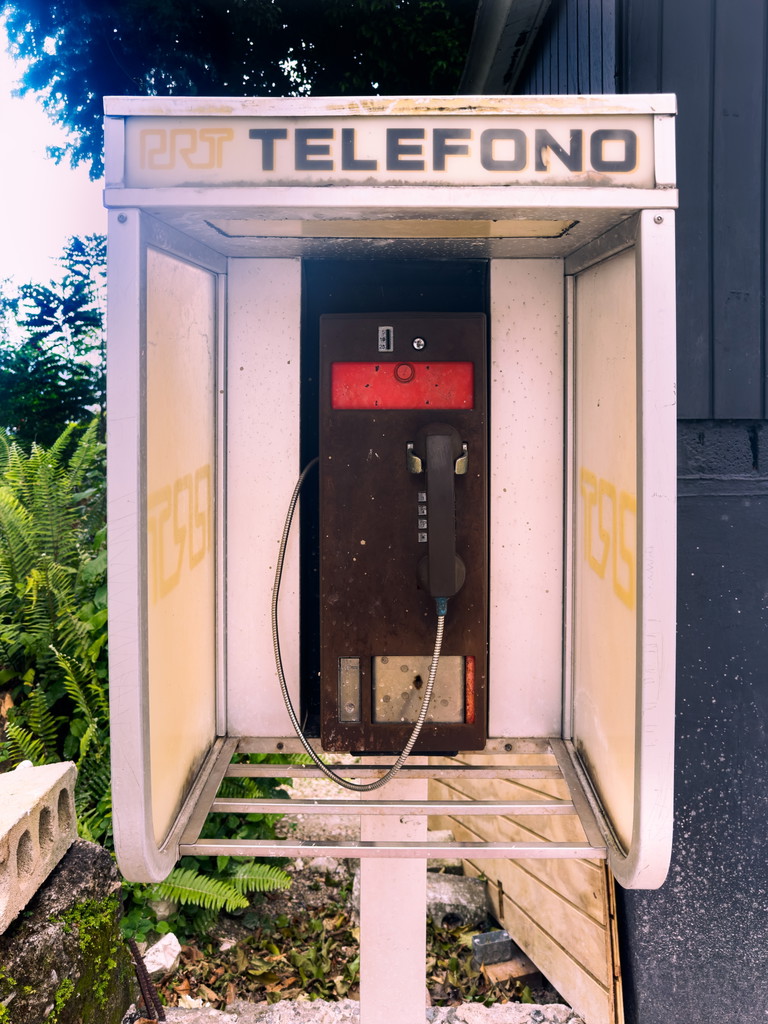
In the past, however, even a short holiday greeting required considerably more effort. Those wanting to check in quickly had to gather some coins and find a public telephone booth, using a landline and the correct international dialling code to call home.
Others took a more relaxed approach and sent postcards – which often arrived weeks later, sometimes even after the traveller had already returned home.