Working with a view of old towns, cafés and coastlines - for many, this has long been part of everyday life. But which cities in Europe are actually suitable as a base for a life between laptop and lifestyle? A recent analysis provides answers and shows where remote working works well.
According to the authors of the study, around 40 million digital nomads are on the move worldwide. Many of them work as freelancers in creative industries, as consultants or in the IT sector. But the freedom to work from anywhere raises a central question: where should we actually go? For remote workers, the best cities are those that offer a careful balance of affordability, safety and quality of life. PlayersTime has analyzed the 35 most visited cities on the continent in terms of rent and cost of living, safety, digital infrastructure and mobility.
The cheapest and most expensive countries for remote workers
It comes as little surprise that sought-after metropolitan areas have their price - but it does come as a surprise just how high it is. Here, the costs quickly skyrocket: Dublin and Reykjavík top the list of the most expensive locations, with monthly accommodation costs of over 4,000 euros. Reykjavík in particular stands out at around 138 euros per night - a level that can be explained by the small size of the city, high cost of living and a shortage of centrally located apartments.
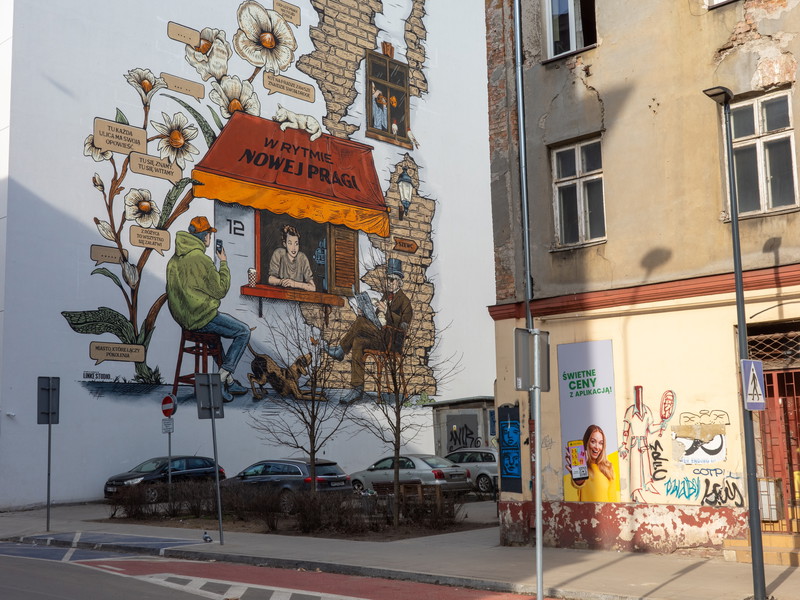
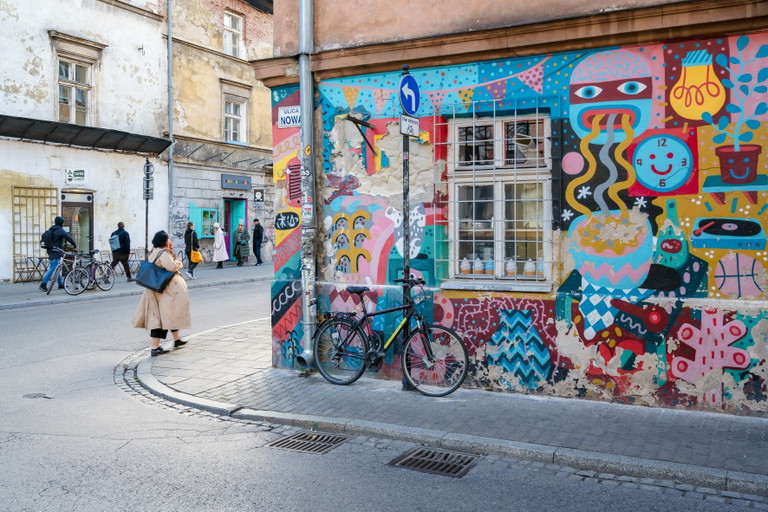
Cities such as Karkow, Prague and Warsaw, on the other hand, are still considered real insider tips for digital nomads. With average accommodation costs of around 35 euros per night, they combine historical backdrops with modern infrastructure - and at comparatively moderate prices.
The picture is somewhat different in southern Europe: cities such as Lisbon and Seville strike an attractive balance between quality of life and affordability. With average accommodation costs of around 1,500 euros per month, they not only offer comparatively low prices, but also a relaxed lifestyle.